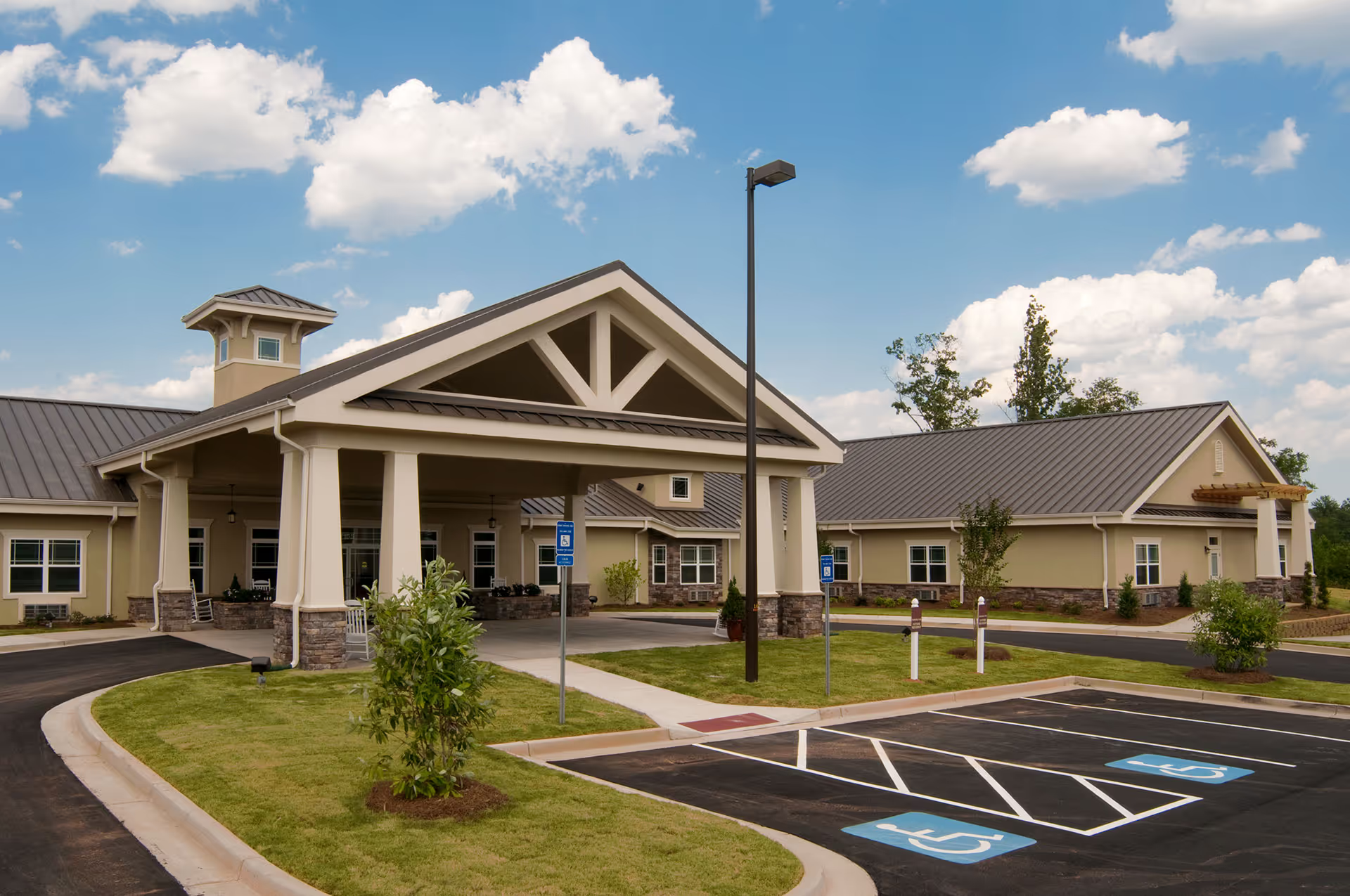
The reviews present a strongly mixed portrait of Oaks at Conyers. Many families and residents praise direct-care staff, describe a warm, home-like atmosphere, and highlight apartment-style units, clean common areas, and a number of renovated spaces. Memory-care programming, social activities (bingo, movies, outings, musical events), on-site medical coordination and occasional doctor house calls receive repeated positive mention. Several reviewers singled out individual employees and leadership (by name) for exemplary care and responsiveness, and many families described smooth move-ins and reliable transportation and hospital-transfer arrangements.
At the same time, a recurrent theme is operational inconsistency. Staffing levels and staff continuity were frequently characterized as unstable; reviewers raised concerns that staffing shortages and turnover affected the facility’s ability to maintain consistent clinical oversight and timely responses to incidents. Related critiques include uneven medication-administration practices and requests for clearer incident reporting and family notification processes. A small number of reviews used strong language about specific incidents; abstracted to facility operations, these comments indicate gaps in monitoring and transparency rather than a single standardized process for clinical events.
Dining and activities are areas of contrast. Several families praised appealing, varied meals and an active calendar, while others found meals heavy, inconsistently seasoned, or insufficient in portion size. Activity offerings in memory care and assisted living—ranging from cognitive games and church services to outings—are present and valued, but some reviewers described variability in execution and a need for clearer printed schedules and more consistent engagement for less-mobile residents.
Facility condition and maintenance also show a split picture. Many reviewers reported clean, well-kept common areas, fresh paint, and good housekeeping and laundry services. Conversely, there are recurring notes about delayed maintenance responses (broken appliances, loose cabinetry, light bulbs) and comfort-system issues in parts of the building, alongside localized sanitation and odor concerns that suggest uneven housekeeping or incontinence-care processes in certain units.
Leadership and communication are praised by those who encountered an accessible director and proactive staff; several testimonials emphasize responsive administrators who contact families and accommodate transitions. Yet other reviewers described inconsistent management practices, pressure during pre-admission conversations, and concerns about complaint processes and front-desk access. There are also isolated allegations of retaliatory discharge actions and inconsistent follow-through on family communications; these characterize serious, individual claims and suggest the need for prospective families to assess incident and grievance policies directly.
Overall pattern: Oaks at Conyers appears to offer many strengths—compassionate caregivers, apartment living, active programming, and some well-maintained spaces—but experiences are variable and appear sensitive to staffing levels and management consistency. Prospective residents and families should consider on-site observations at different times (mealtimes, activity periods, and shift changes), ask specific questions about staffing ratios, incident/communication protocols, medication administration, maintenance response times, and financial transparency, and request written activity/dining schedules and recent inspection or staffing information to verify the aspects most important to their situation.