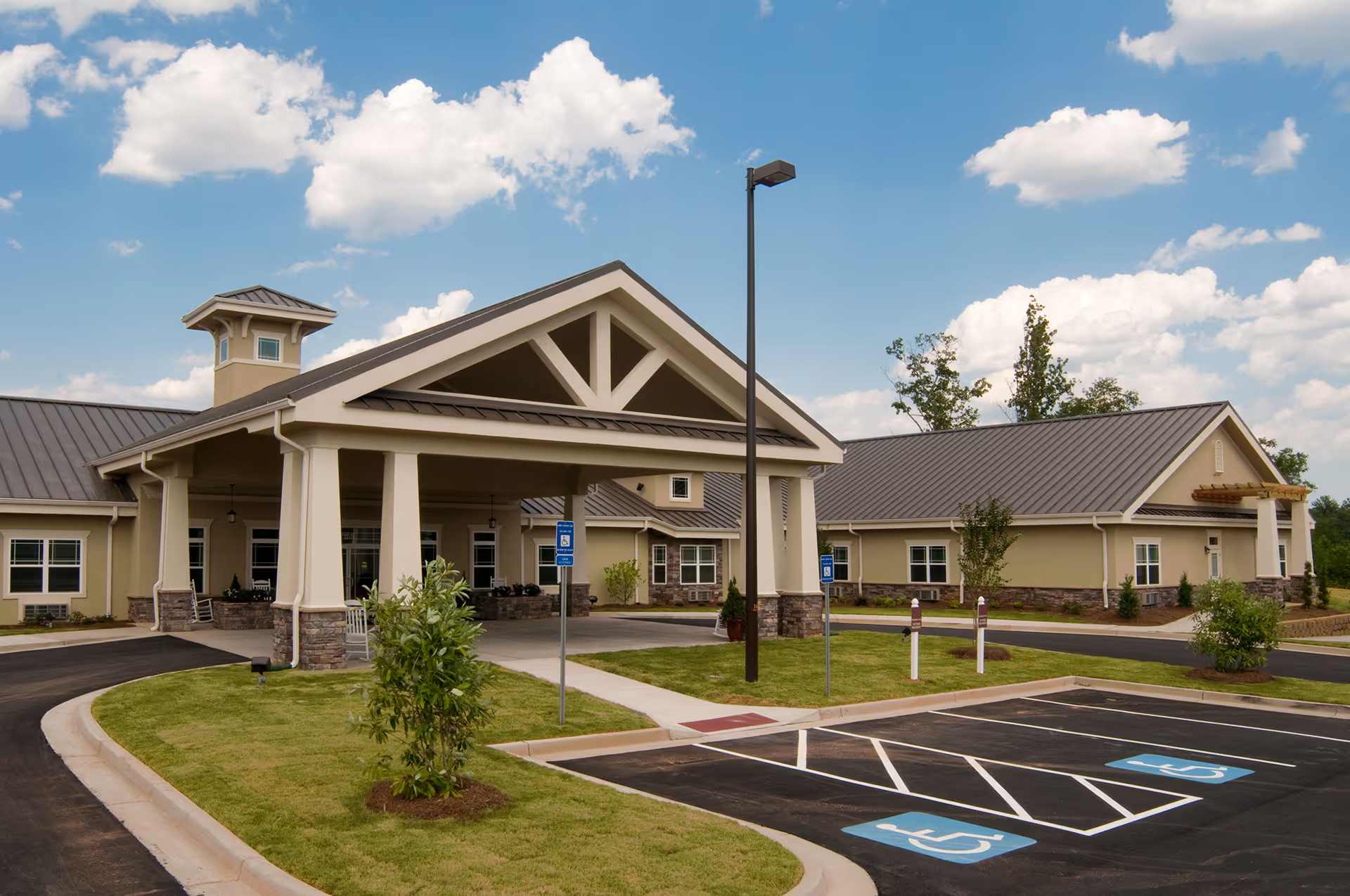
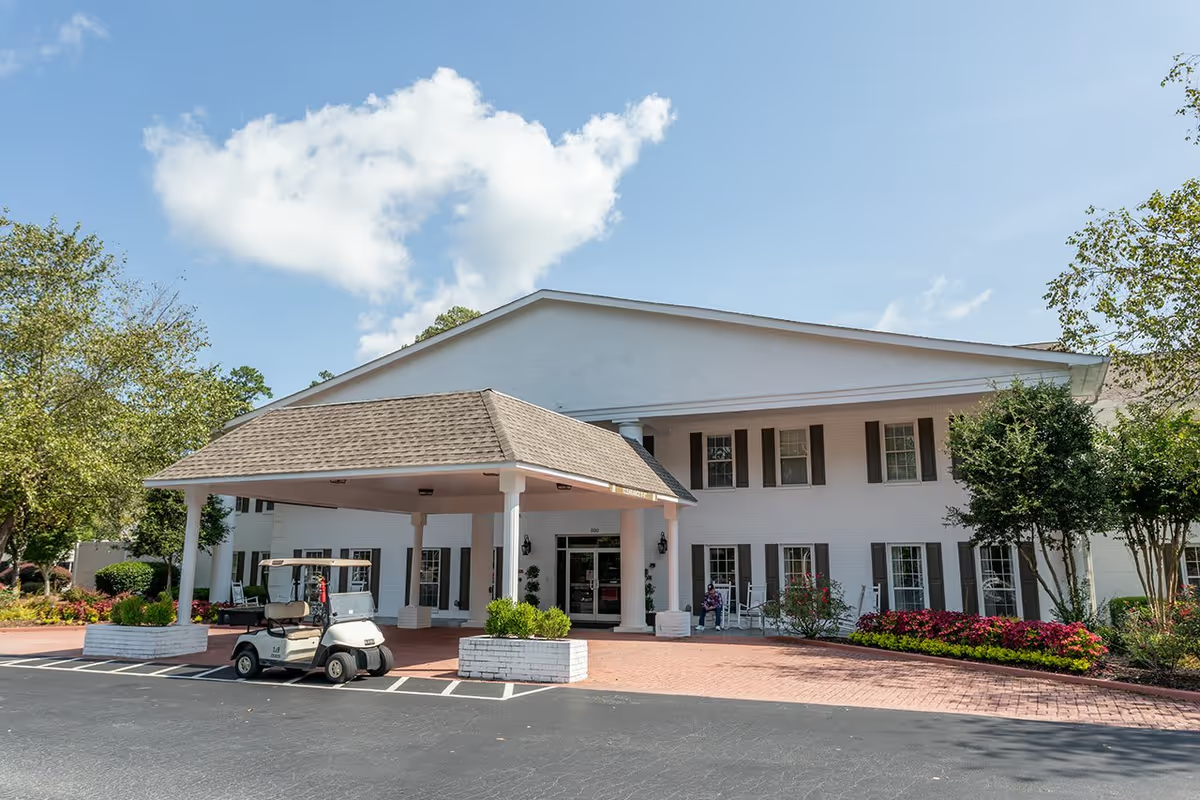
Prema at Ashton Hills is described overall as a clean, bright, newly built community with a resort-like aesthetic and extensive indoor and outdoor amenities. Families frequently praise the facility’s appearance, landscaped courtyards, private gathering areas, and spacious apartment layouts that include space for a small refrigerator and microwave. Reviewers commonly highlight the presence of on-site services—physical therapy, a beauty salon, movie room, arts-and-crafts areas, and large activity rooms—as meaningful contributors to residents’ daily engagement.
Care quality and staff interactions are recurring strengths in the feedback. Many accounts emphasize warm, compassionate caregivers, a family-oriented atmosphere, strong memory-care programming, and proactive wellness staff who communicate with families and support hospital transitions and end-of-life needs. The activities program—organized outings, shopping trips, group crafts, games, and social events—appears to be robust and valued for preventing isolation and maintaining mood. Several families specifically credited the activities director and wellness team with keeping residents engaged and supported.
At the same time, a noticeable pattern of operational concerns emerges. Staffing levels and scheduling inconsistencies are commonly cited; reviewers describe situations where available caregiving staff are stretched thin, which can translate into delays in assistance and dining support. Dining service and food quality show variability: some families praise the chef and meal offerings, while others report cold meals, simplified evening menus, and routine supplementation of meals by families. These issues appear linked in part to how dining shifts are staffed.
Management and oversight present a mixed picture. Positive notes include attentive admission and placement staff and instances of proactive follow-up after tours. However, reviewers also describe variable supervisory presence and uneven staff professionalism in some interactions, with a few isolated but serious conduct concerns that families felt required follow-up. There are also operational-level concerns about room turnover and housekeeping consistency, limited availability of planned respite care, and questions about compensation disparities that may affect frontline-staff morale.
Cost and suitability considerations are important takeaways. Several families describe the community as higher-end and correspondingly more expensive, with an established annual price-adjustment practice that some find concerning for long-term affordability. Additionally, while the community is consistently praised for dementia-capable programming, a handful of families felt the level of clinical care or behavioral fit did not match their loved one’s particular needs, indicating that clinical-fit assessment at move-in remains important.
Bottom line: Prema at Ashton Hills offers a modern, activity-rich environment with many families reporting compassionate, engaged staff and strong memory-care programming. Prospective residents and families should weigh those strengths against recurring operational issues—most notably staffing consistency, meal-service reliability, cost trajectory, and occasional supervisory lapses. Recommended next steps before commitment include an in-person tour during a mealtime, conversations about typical staffing ratios and contingency plans, written information on medication and behavior-management policies, clarification of respite availability, and review of recent quality or oversight communications from management.