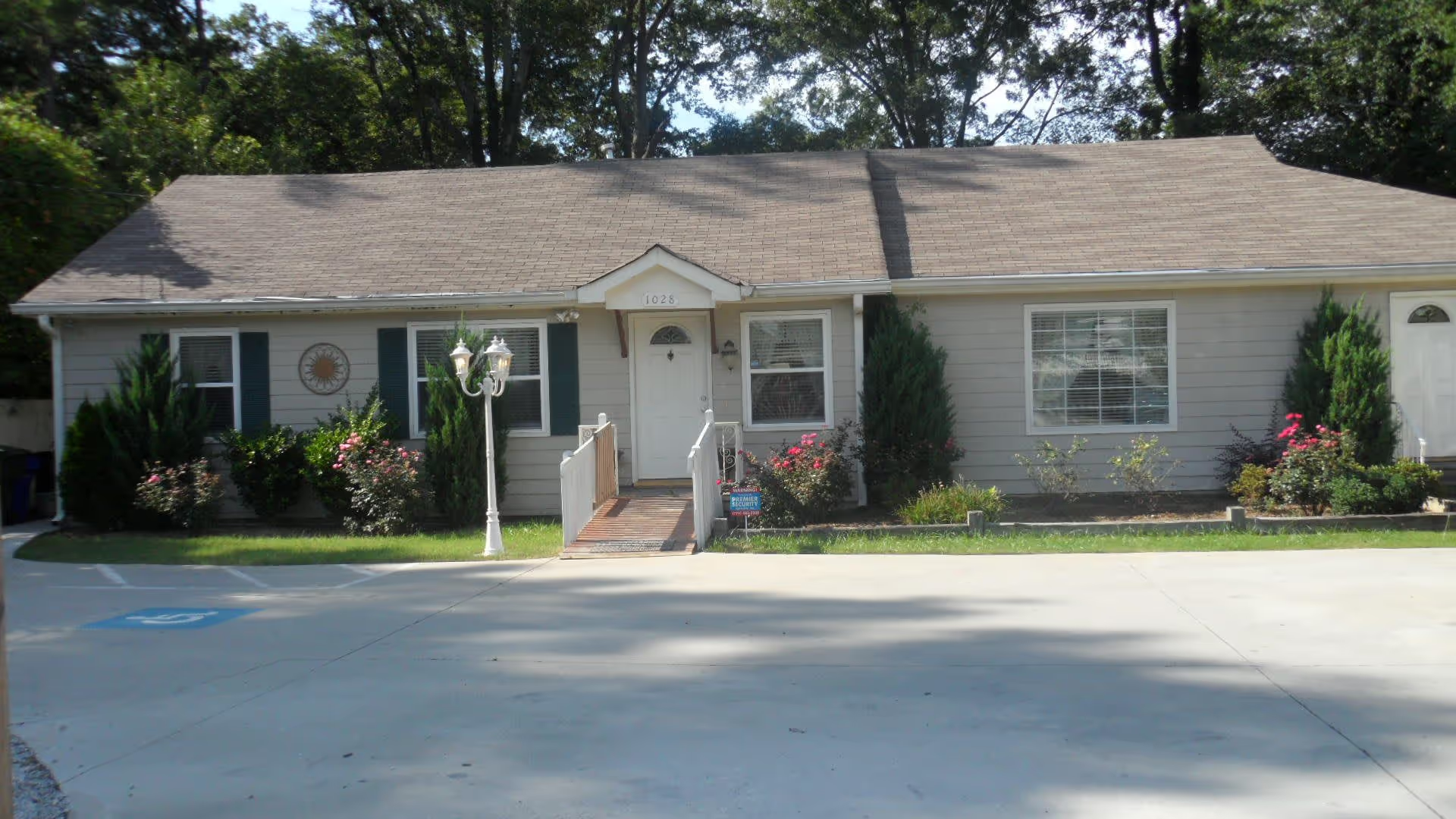
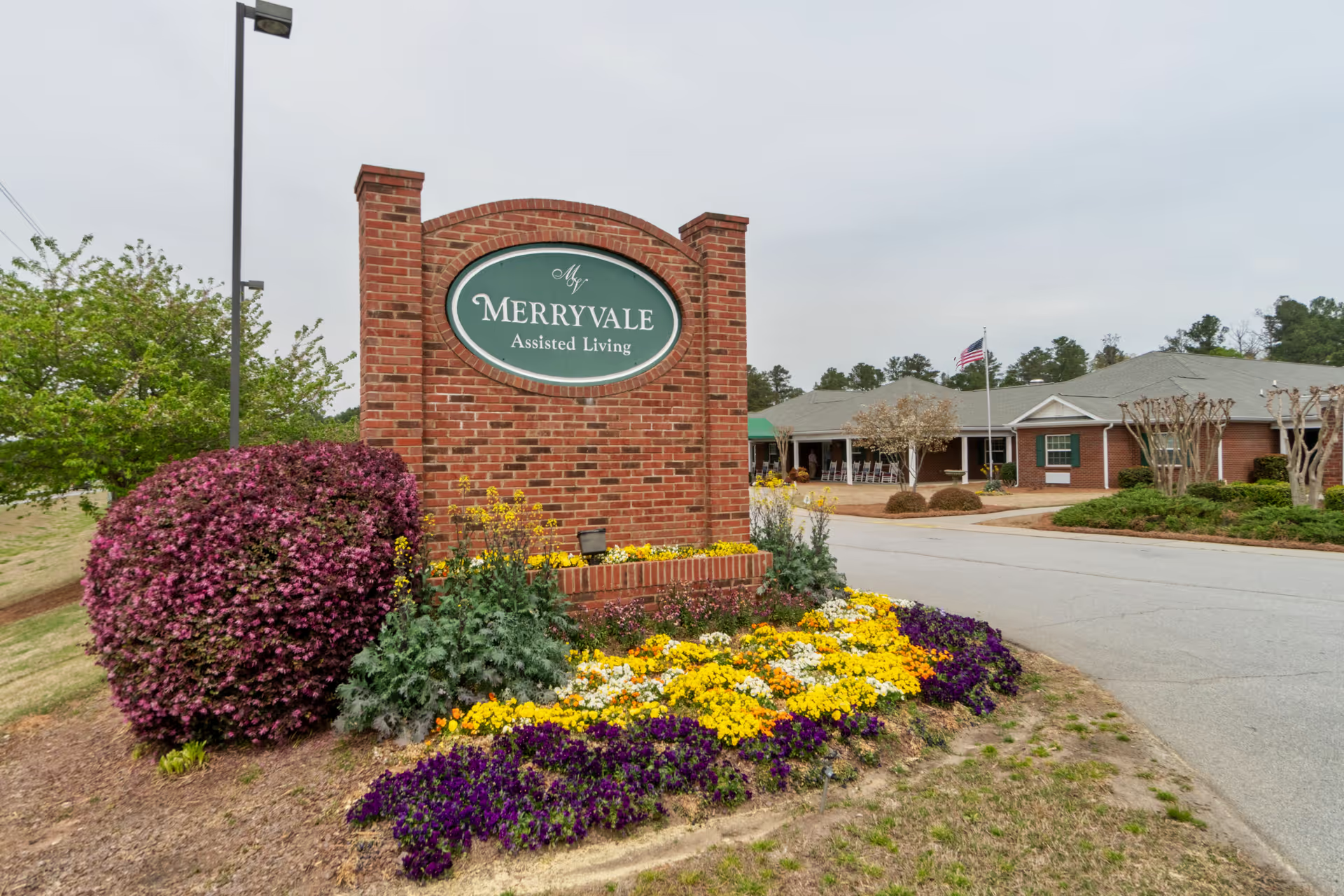
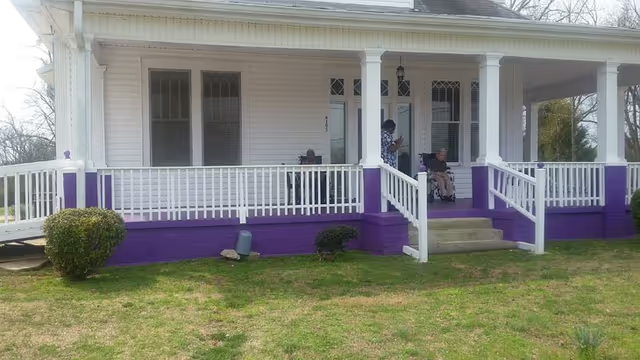
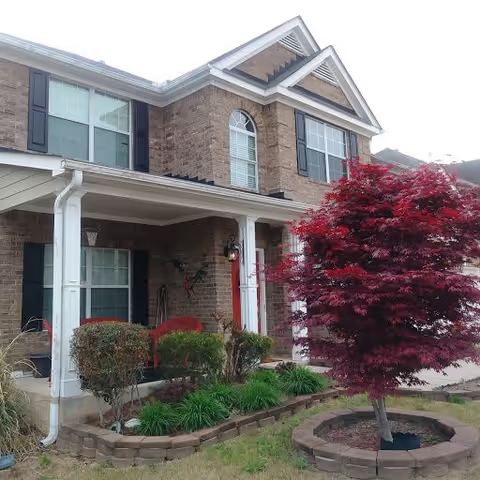
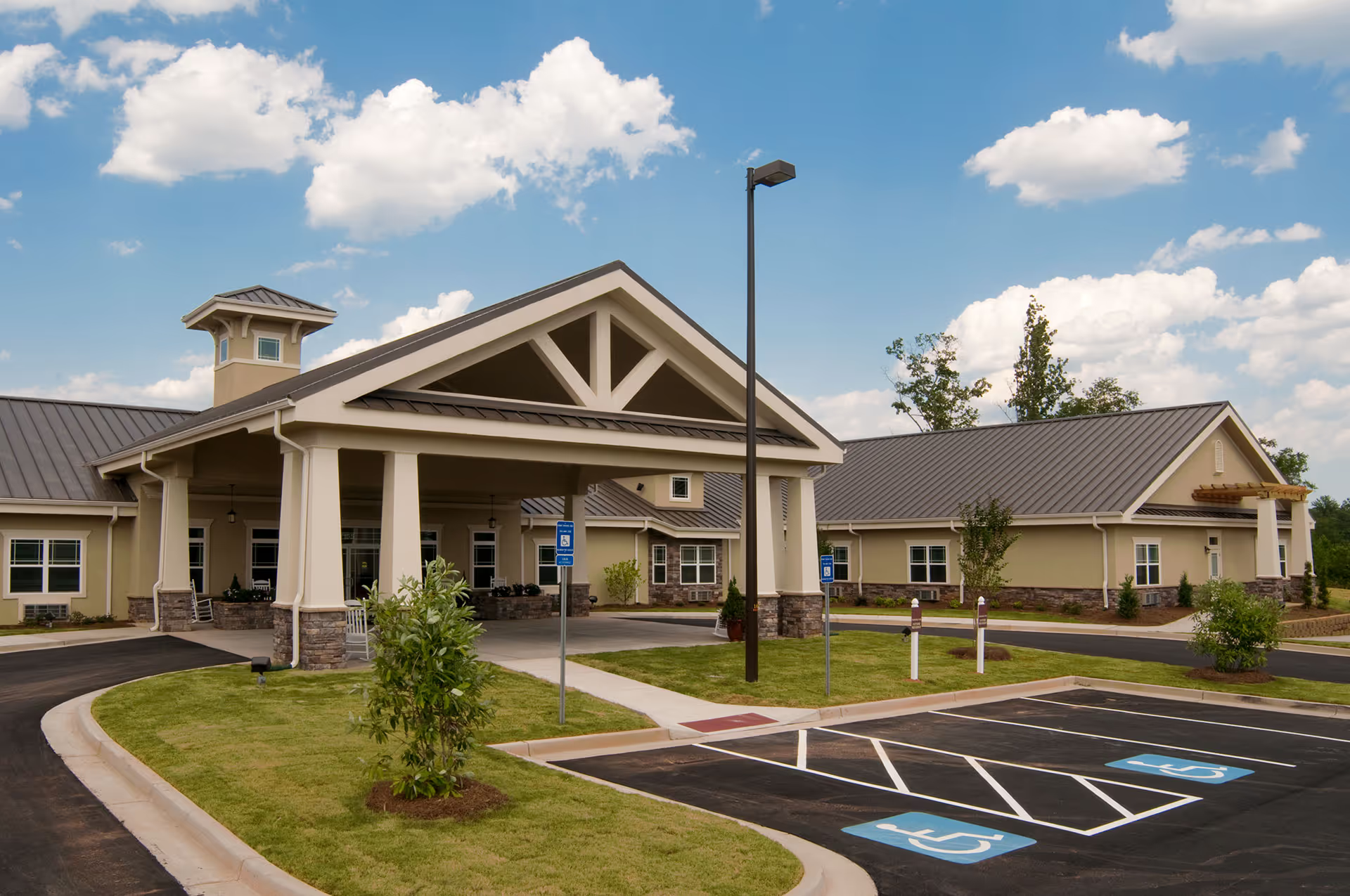
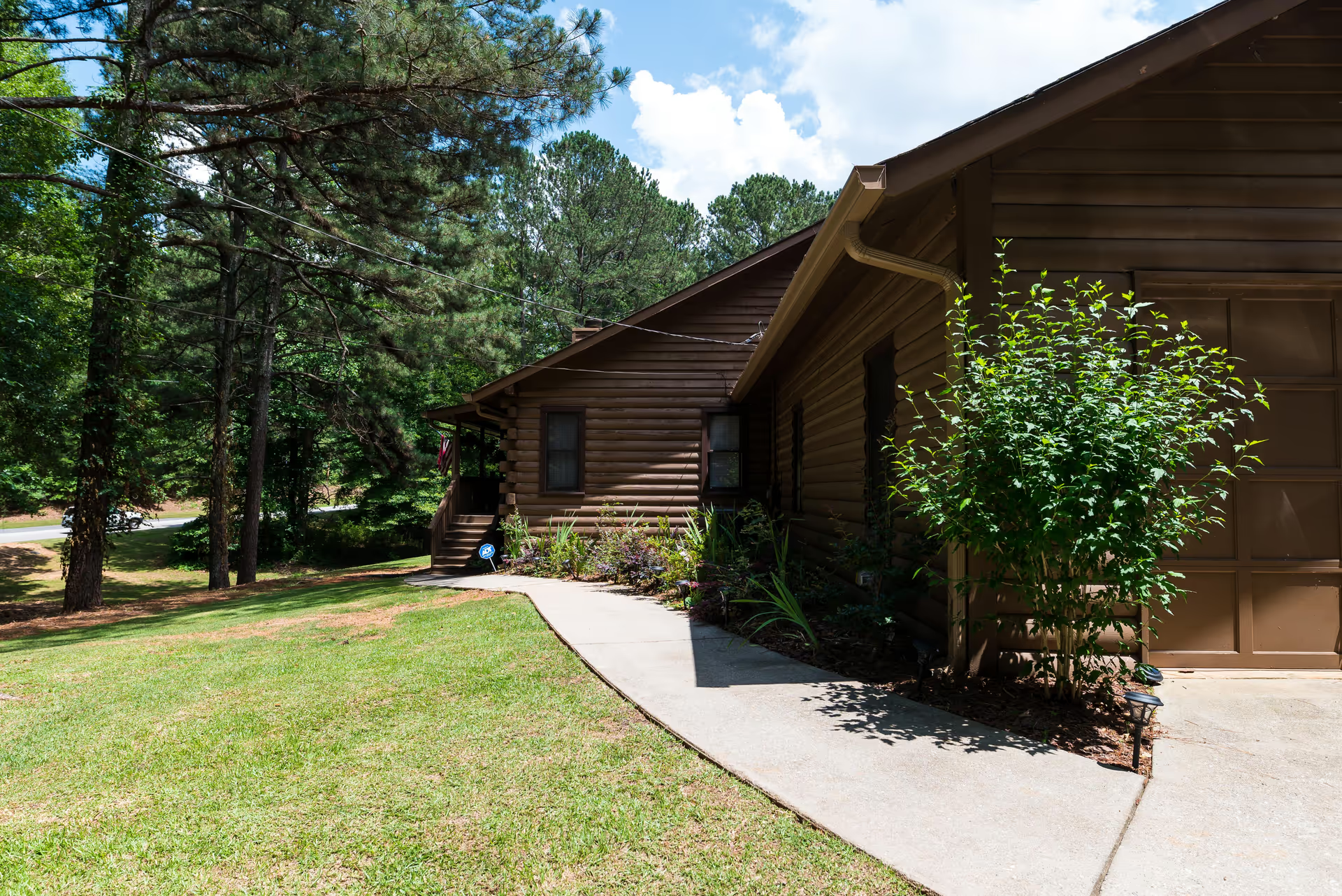
The Retreat at Conyers presents as a well-appointed, campus-style community with a substantial set of physical and social amenities. Many reviewers praise remodeled interiors, spacious apartments (often with full kitchens and balconies), a large dining room, and a breadth of on-site spaces such as a movie theater, game and card rooms, library, salon, fitness area, and multiple lounges. The grounds are frequently described as park-like and well landscaped, and the campus supports pets and outdoor family-friendly spaces. The community model—independent living, assisted living, and memory care on a single campus—appeals to families seeking continuity of residence.
Staff and day-to-day care experience are mixed. Numerous accounts describe staff as friendly, compassionate, and active in organizing social programming; specific praise is often given to activities directors and frontline caregivers. At the same time, recurring operational issues include inconsistent staffing levels, reports of slow or delayed responses to care requests, and limited on-site clinical supervision for residents who require higher-acuity nursing services. Several families indicated that outside private caregivers were necessary to meet personal-care needs. In memory-care units some residents and family members perceived an institutional atmosphere rather than a home-like model.
Dining and nutrition receive polarized feedback. When staffing and kitchen leadership are stable, food and dining appeal are frequently praised — visitors note restaurant-style service, communal meals, and occasional homemade items. However, other accounts describe declining food quality, limited menu variety, difficulty obtaining alternative therapeutic or modified-diet options, and days with inconsistent meal delivery. The absence of a consistent credentialed dietitian or expressed needs for better dietary accommodations appears as a recurring operational gap.
Activities and resident life are strengths in many reports, with regular programming, exercise classes, crafts, outings, worship services, and social events noted. That said, several reviews describe periods where activities were reduced or suspended (notably during pandemic-related restrictions or staffing transitions), and some families expressed concern about the frequency of off-site outings. Transportation services exist but are reported as irregular in scheduling and availability, and the physical separation of independent and assisted buildings can create access challenges—long covered walkways or outdoor travel between buildings were cited as barriers in inclement weather.
Facility operations and management show a pattern of contrasts. Positive commentary highlights cleanliness, prompt maintenance in many areas, and an organized main campus. Conversely, multiple reviewers describe inconsistent housekeeping standards, occasional sanitation and pest-control concerns, front-desk communication breakdowns (voicemail and weekend coverage gaps), billing errors, and unclear contract or pricing disclosures. There are also reports of turnover in kitchen and administrative staff, which families linked to service disruptions. Safety- and infrastructure-related issues such as elevator outages during power failures, generator coverage limited to certain buildings, and concerns about door security and surveillance were raised and should be clarified by prospective families.
Overall, The Retreat at Conyers offers substantial amenities, attractive living spaces, and active social programming that many residents and visitors value. However, there are repeated operational themes prospective residents should verify in person: current staffing ratios and back-up clinical coverage, dietitian or therapeutic-diet resources, housekeeping and pest-control practices, transportation policies and campus access in bad weather, security measures and emergency-equipment reliability, and specific contract/billing terms. A targeted tour that asks for recent staffing metrics, sample menus, activity calendars, and written contract examples will help families judge whether the community’s strengths match their care and service expectations.