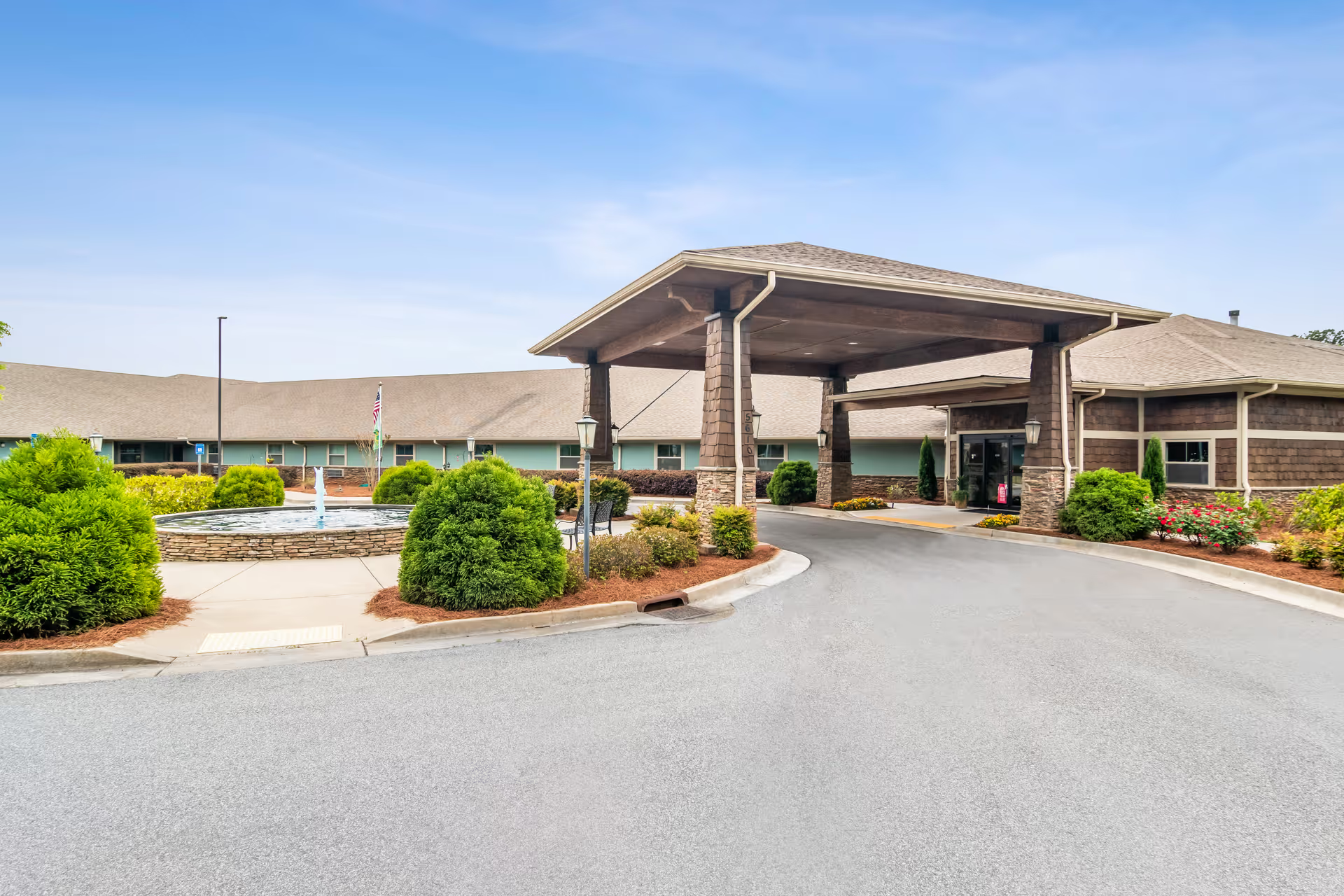
Chestnut Ridge Nursing and Rehabilitation elicits strongly mixed feedback. Positive accounts highlight a robust rehabilitation program, several highly skilled therapists, and individual clinicians (including wound care nurses) who provide attentive, recovery-focused care. Many families and former residents describe a warm, home-like atmosphere, engaging activities, and a helpful admissions and administrative team. The facility is Medicare-approved and in numerous cases coordinates discharge planning and durable medical equipment efficiently.
Care quality appears polarized. On the positive side, the facility’s therapy services (PT/OT) and some nursing staff are repeatedly credited with measurable recovery gains and compassionate bedside care. Conversely, a substantial portion of feedback describes inconsistent nursing practices: delayed responses to call signals, variable execution of bathing and toileting assistance, and concerns about medication administration and follow-through on ordered tests or treatments. Several reviews describe clinical issues that led to emergency transfers or readmissions; these are described as individual but serious negative outcomes and suggest gaps in clinical oversight for higher-acuity residents.
Staffing and conduct are a recurring theme. Many reviewers praise specific caregivers, nurses, and administrative personnel for professionalism and empathy. At the same time, reviews indicate high staff turnover, intermittent reliance on agency personnel, and variability in staff training and teamwork. These staffing inconsistencies are linked to communication breakdowns (including front-desk responsiveness and family updates), inconsistent shift-to-shift handoffs, and occasional concerns about staff conduct and responsiveness tone.
Dining and activities show contrast as well. The facility offers an active program of social engagement (arts and crafts, bingo, movie nights) when infection-control restrictions are not in effect. Meal service receives mixed ratings: some reviewers note dietary accommodation and well-prepared meals, while others report over- or undercooked items, cold trays, and overall variability in meal quality and presentation.
The physical plant is described as an older facility undergoing renovations. Many families find common areas and rooms kept clean and organized, yet there are recurring notes about cramped multi-occupancy rooms, limited shower facilities, and episodic housekeeping lapses. Some reviews raise pest-control and odor concerns and point to maintenance issues that affect resident comfort. These facility-level characteristics interact with staffing constraints to affect daily resident experience.
Management impressions vary: admissions and certain office staff are frequently commended for ease of entry and coordination, but there are also reports of slow administrative responses, billing confusion, and inconsistent follow-through on family communications. Infection-control events (including COVID-related precautions) have led to restricted programming and mixed experiences with notification and quarantine management.
Overall, Chestnut Ridge offers strong rehabilitation services and has many dedicated caregivers, making it a suitable option for patients prioritizing therapy and hands-on recovery support. However, prospective residents and families should weigh those strengths against documented operational weaknesses: inconsistent nursing coverage, variability in clinical and medication practices, dining and housekeeping inconsistencies, and an older physical layout with limited bathing capacity. An in-person visit focused on staffing levels during the anticipated stay, medication-management protocols, bathing/incontinence routines, and observable cleanliness/maintenance is advised before placement.