Overall assessment: Reviews emphasize a consistently high level of person-centered care at Regency Manor. Families repeatedly describe staff as compassionate, professional, and willing to go beyond standard duties to ensure resident comfort and dignity, including during end-of-life transitions. Reviewers highlight both clinical attentiveness and interpersonal warmth: caregivers are portrayed as respectful, engaged with residents' preferences, and effective at creating a calm, reassuring environment.
Care and staff: The dominant pattern is individualized attention. Several families described staff who learned residents personally, accommodated preferences (for example, favorite foods and room comforts), and provided hands-on support while encouraging as much resident independence as possible. Named staff and the owner receive repeated praise, suggesting visible leadership and close staff–family relationships. The facility's approach to end-of-life care is noted as dignified and attentive, and reviewers expressed gratitude for the emotional support given to both residents and families.
Dining and activities: Dining is reported as responsive to preferences and dietary needs; reviewers used phrases indicating residents were offered favored foods and that meals met expectations. Daily activities are characterized as appropriate to resident abilities rather than highly varied; reviewers described a level of engagement and a personal touch consistent with a small residence where staff can tailor programming to individual needs.
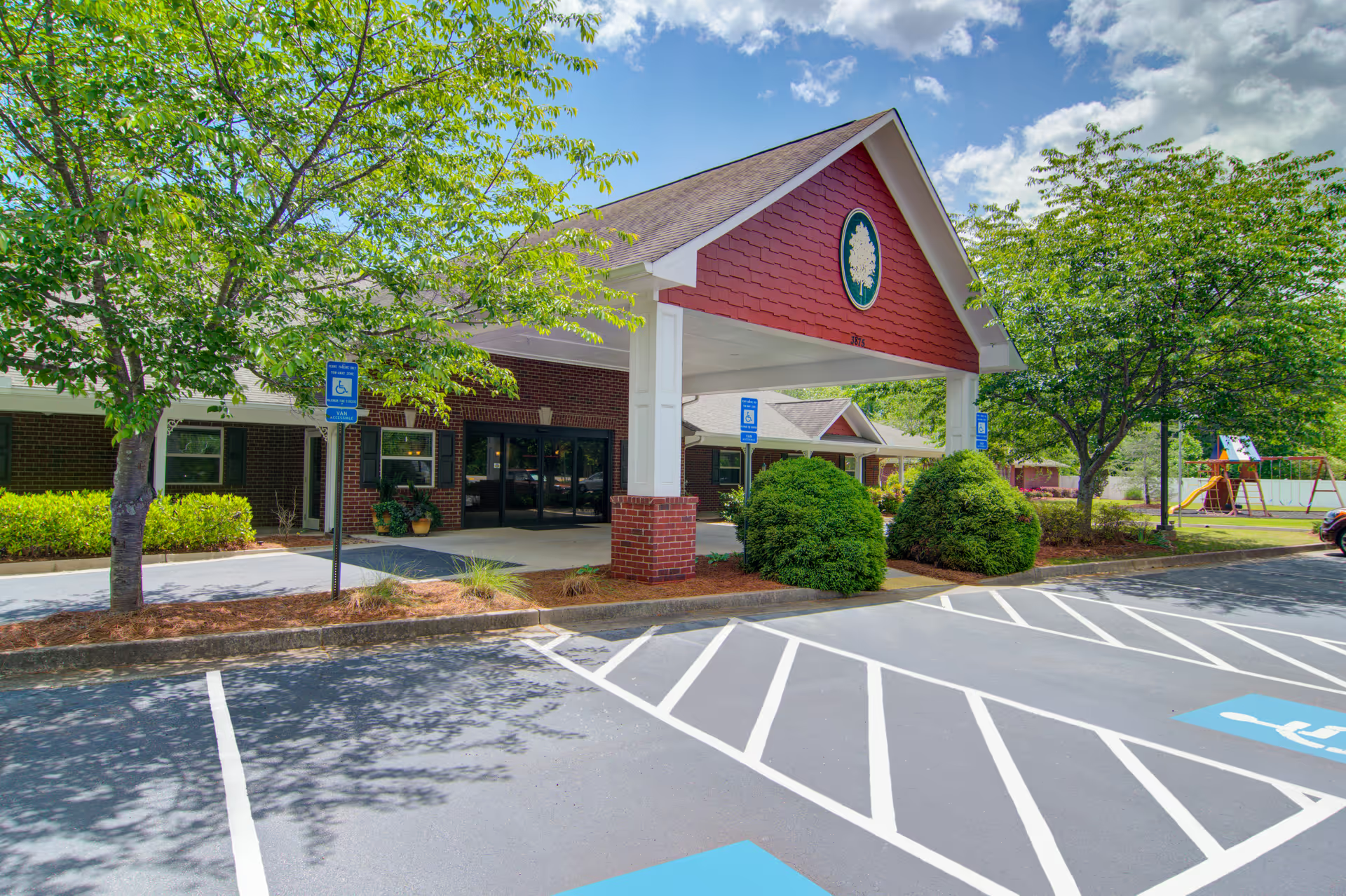
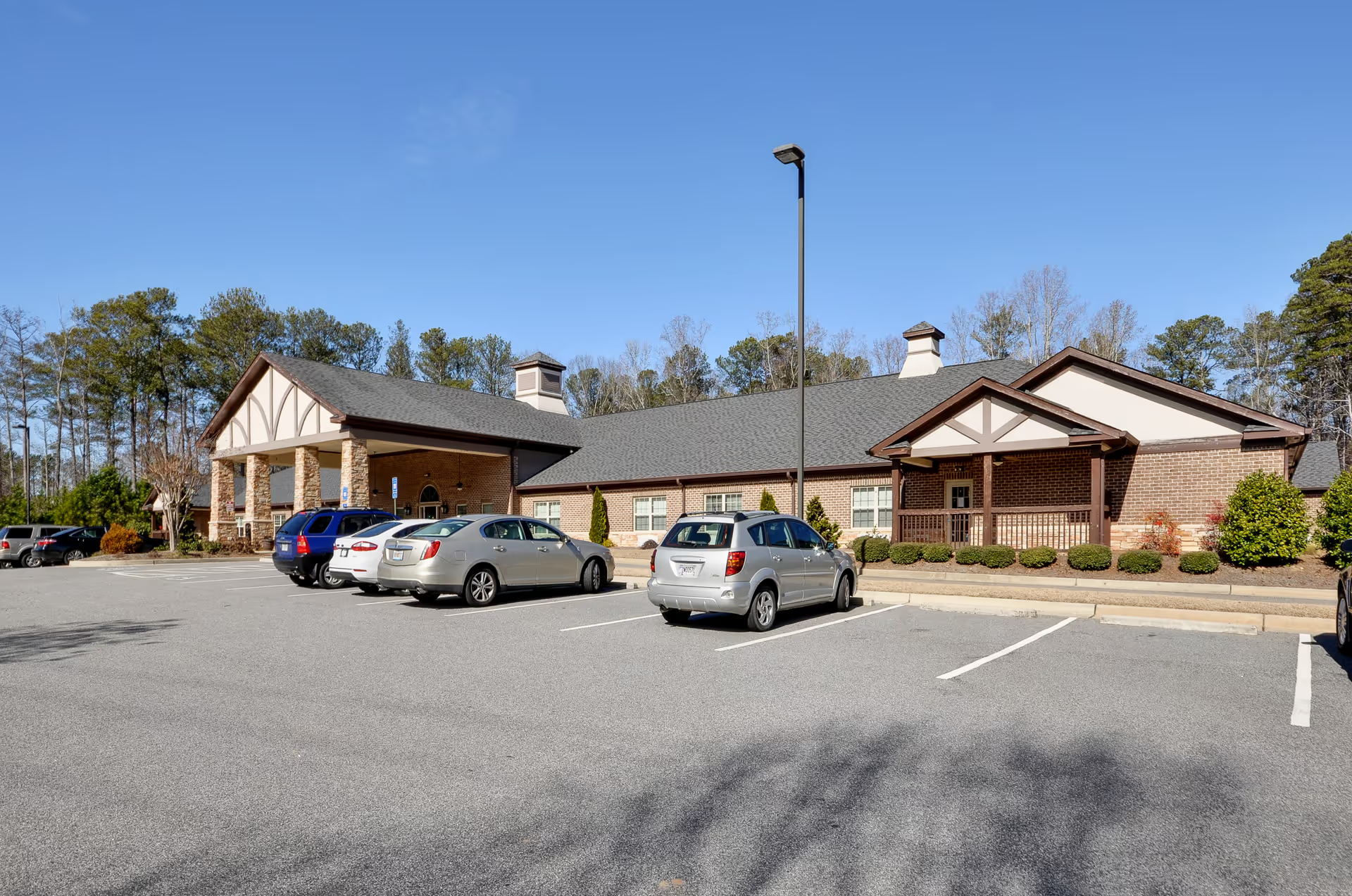
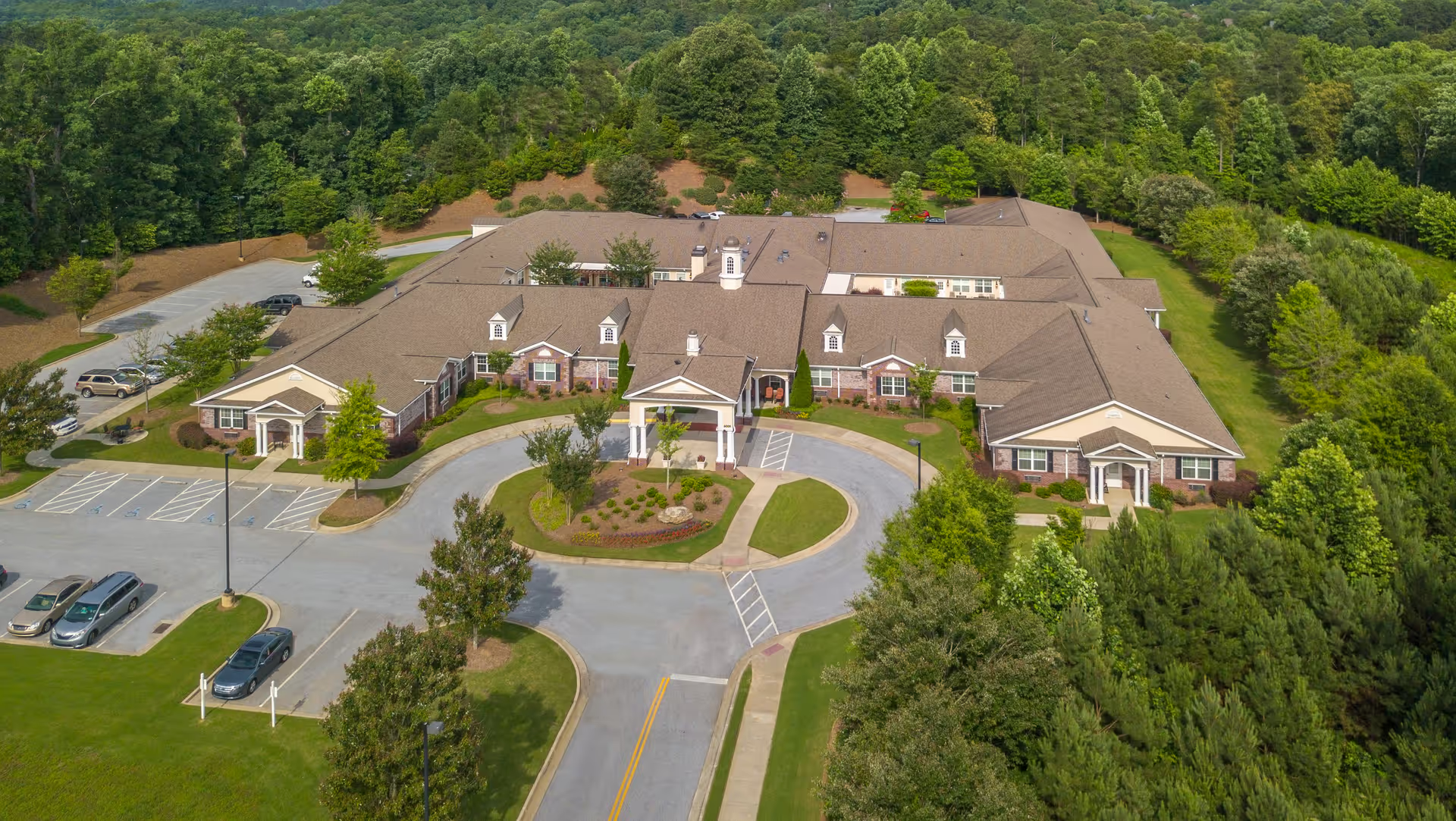
Facilities and management: The physical setting is described as clean, safe, and comfortable, with private rooms and pleasant views contributing to a home-like atmosphere. The facility's small size is a recurring feature: reviewers framed it positively as a ‘‘home away from home’’ and a place where residents receive abundant attention. Management and staff are depicted as communicative and informative, and the owner appears to be involved and visible in daily life.
Notable patterns and limitations: The overwhelmingly positive tenor of reviews points to strong strengths in compassion, personalization, and environmental upkeep. At the same time, the facility's small scale suggests some operational trade-offs. Potential limitations to consider include limited bed availability and fewer on-site specialized clinical services or therapy options compared with larger communities. The heavy reliance on a small, consistent staff is a strength for continuity but could create vulnerability if key personnel change. Finally, a few details (for example, use of a space heater for comfort) suggest that room-level environmental controls may vary and could be worth confirming during a visit. These inferred limitations reflect structural characteristics rather than documented quality failures; prospective residents and families should weigh the intimate, highly personalized setting against potential limits in capacity and specialized services when deciding if Regency Manor matches their care needs.