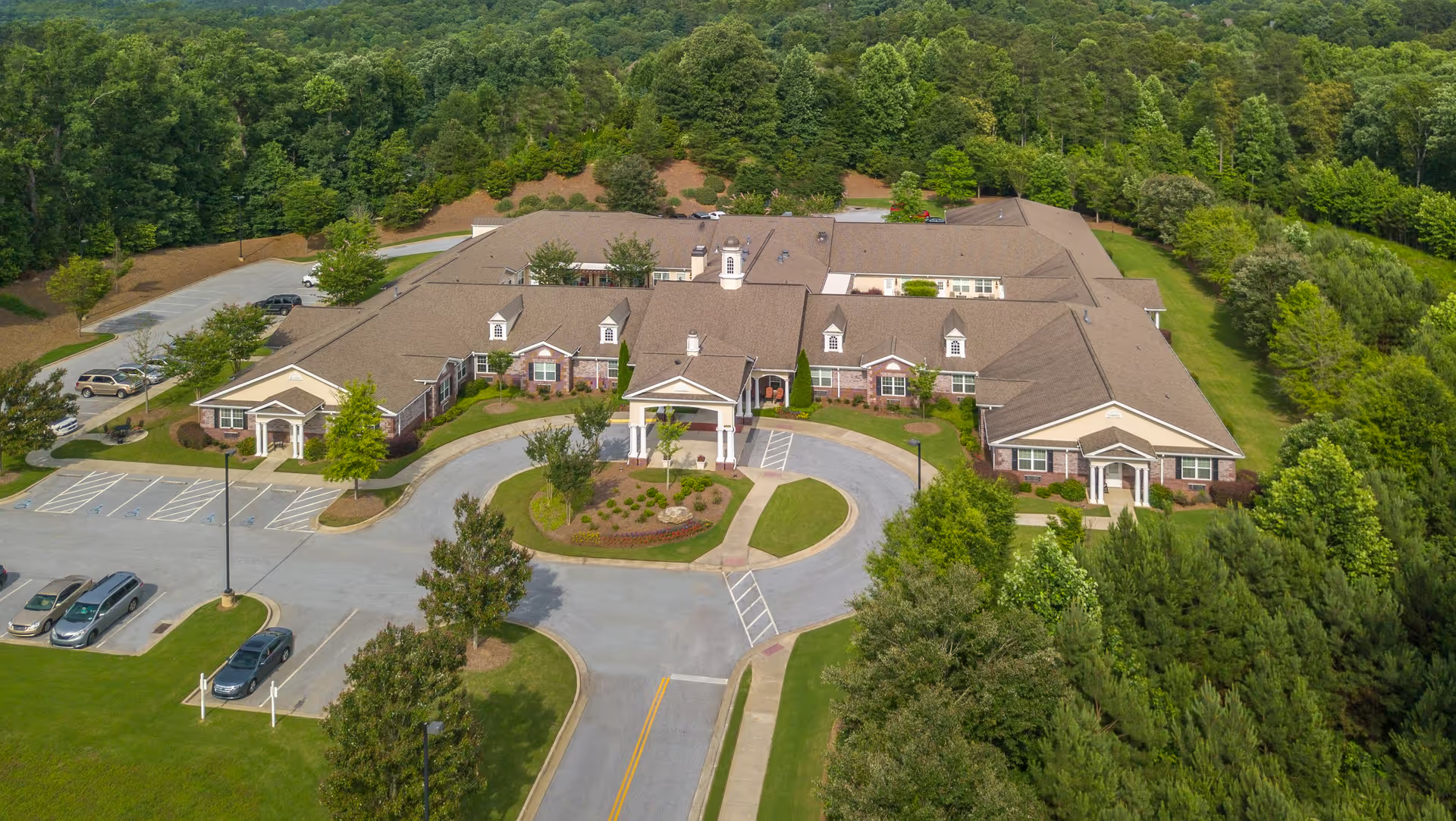
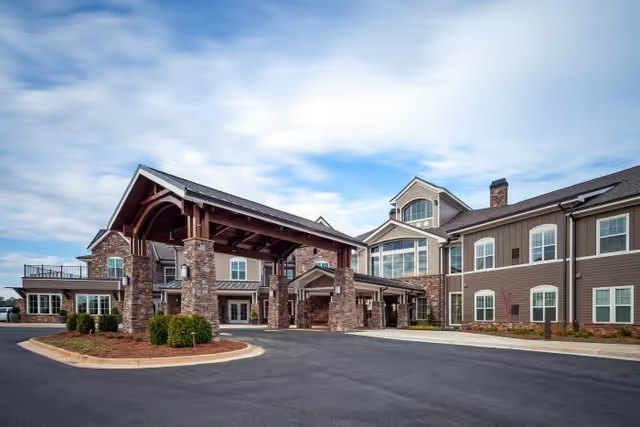
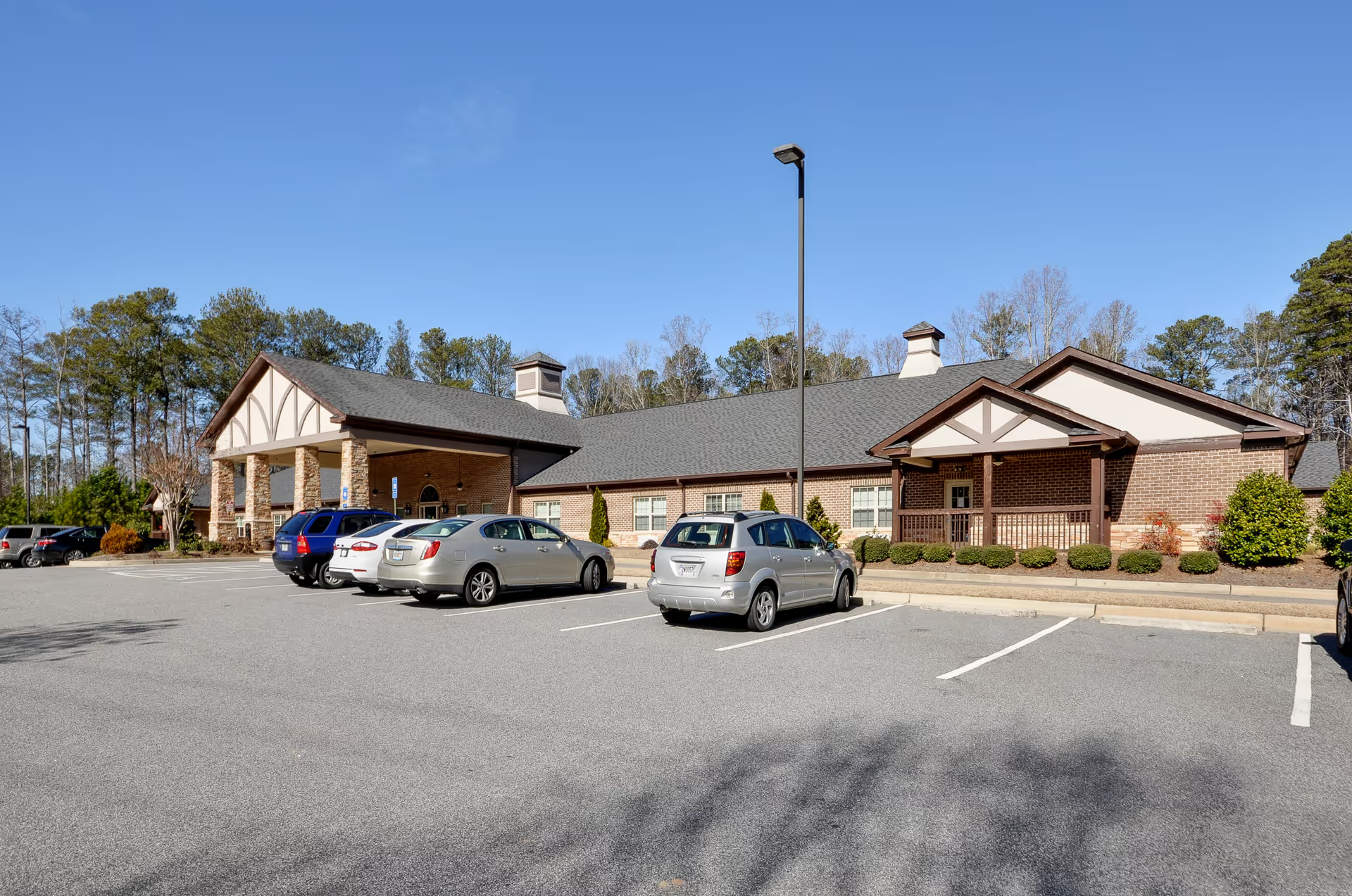
The Phoenix at James Creek presents as a modern, well-appointed senior community with many physical-plant strengths and a broad program of services. The property is frequently described as bright, clean, and tastefully decorated; reviewers highlight multiple shared spaces such as a library, movie room, garden/outdoor courtyard, demonstration kitchen, and a salon. Rooms and building finishes are often described as contemporary, and the community offers amenities like transportation for shopping and outings, on-site therapy services, and multilevel care options.
Staff and day-to-day care receive mixed but often favorable comments. Numerous families praise caring, attentive employees who learn residents’ names and preferences, provide personalized assistance with activities of daily living, and support transitions from hospital to the community. Memory-care programming is described as integrated and activity-focused, with tailored social and cognitive activities. At the same time, a recurring operational pattern is inconsistent staffing levels and turnover, with periodic reliance on temporary staff; this contributes to uneven experiences, particularly in response times and continuity of care.
Dining and activities are notable strengths for many residents. The community offers an on-site chef, special events (hibachi table, demonstrations, happy hours), and a variety of daily programs—bingo, arts and crafts, music, outings for ice cream, and other off-site trips—that support social engagement. However, dining quality and service reliability are described inconsistently: some families praise meal variety and favorites, while others note late, cold, or less-varied meals and a perceived decline in consistency during recent infection-control periods.
Operational concerns center on service reliability and communication. Multiple accounts point to delays in responding to call systems or medical alerts, inconsistent maintenance of alert equipment, and occasional lapses in laundry and housekeeping processes (including mix-ups). Management communication is experienced as responsive and accessible by some families but as slow or evasive by others; this variability appears to track with staffing changes and leadership availability. Infection-control practices and family notification during quarantine periods were flagged as an area of concern by several families, indicating a need for clearer policies and proactive family communication during such events.
In aggregate, The Phoenix at James Creek offers a strong physical environment, a robust activities program, and many examples of dedicated, resident-focused staff. Prospective residents and families should weigh those strengths against operational variability: ask specific questions about current staffing ratios (including night coverage), agency staffing usage, maintenance of emergency/alert systems, laundry and housekeeping protocols, and how the community communicates with families during clinical or infection-control events. An in-person tour and conversations with both leadership and direct-care staff can help assess whether the current operational cadence matches a family’s expectations for consistency and responsiveness.