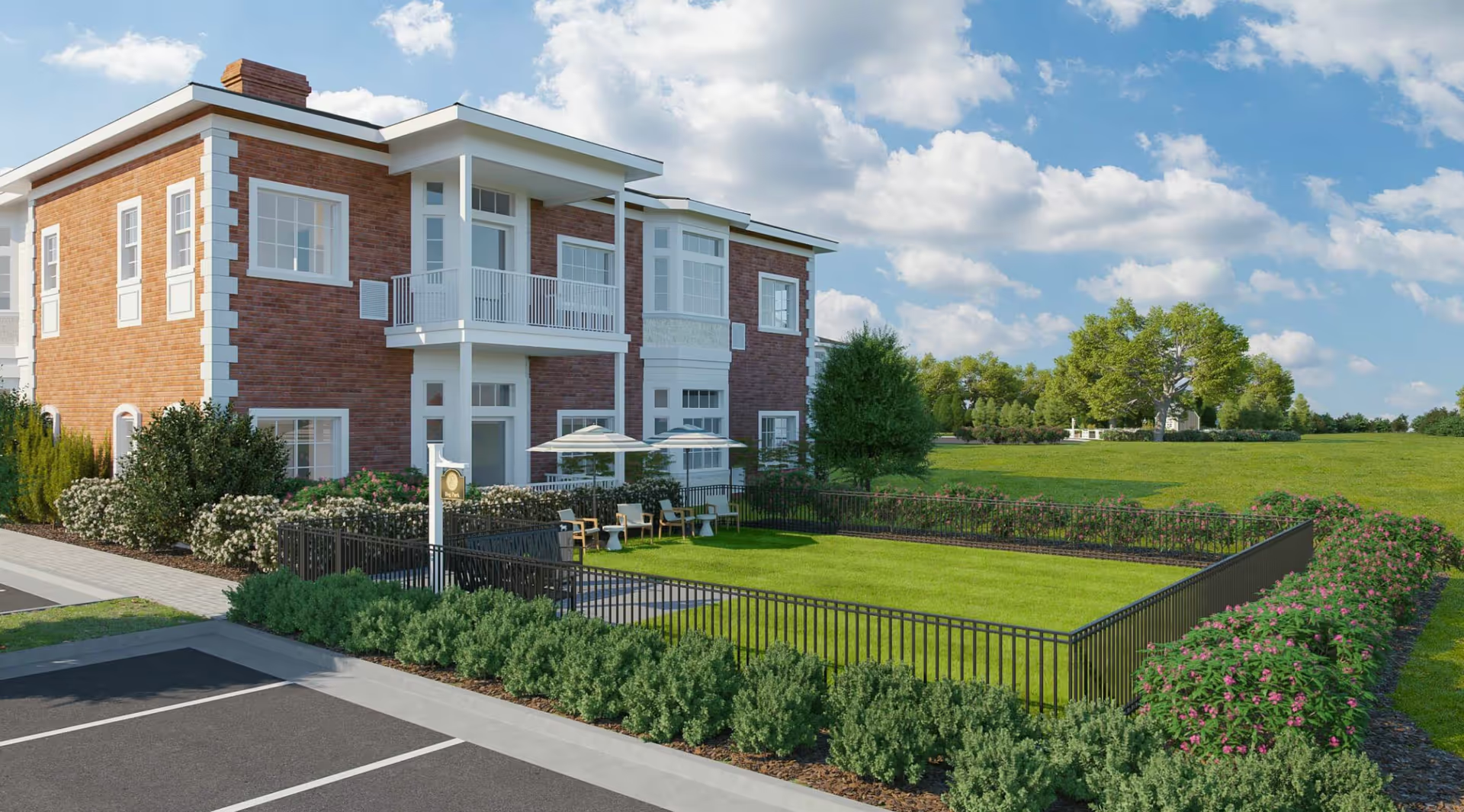
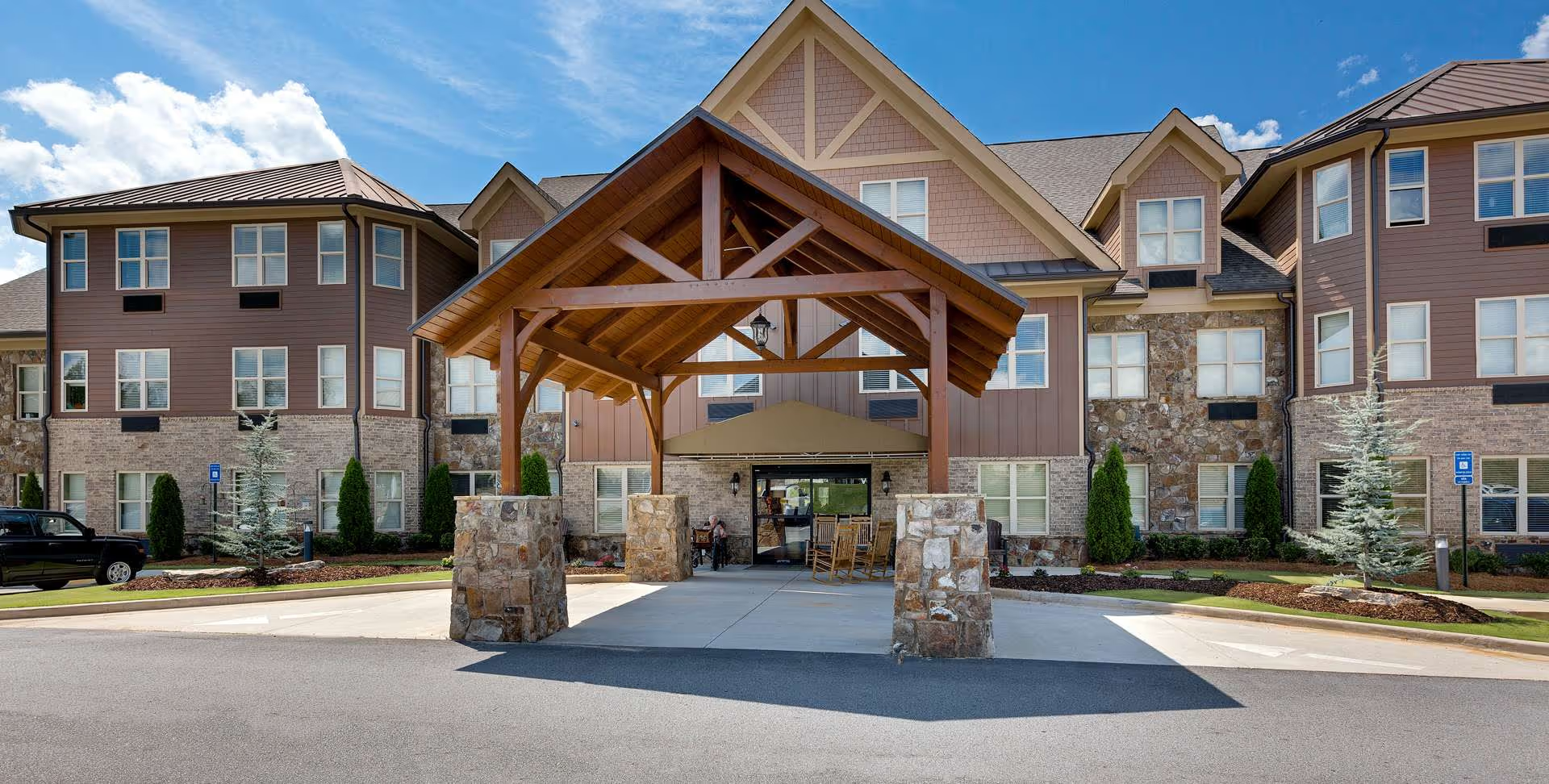
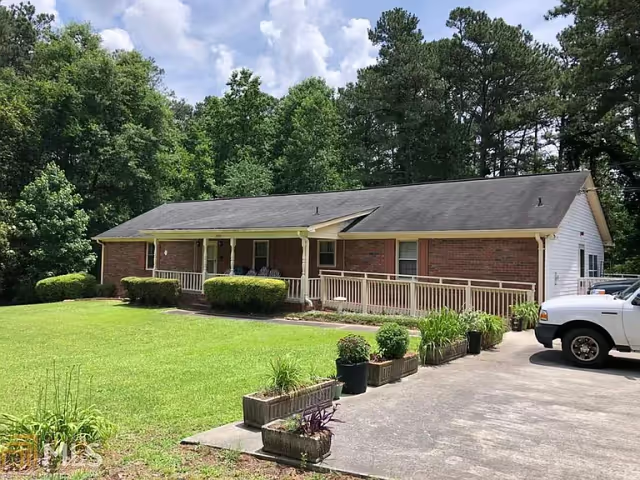
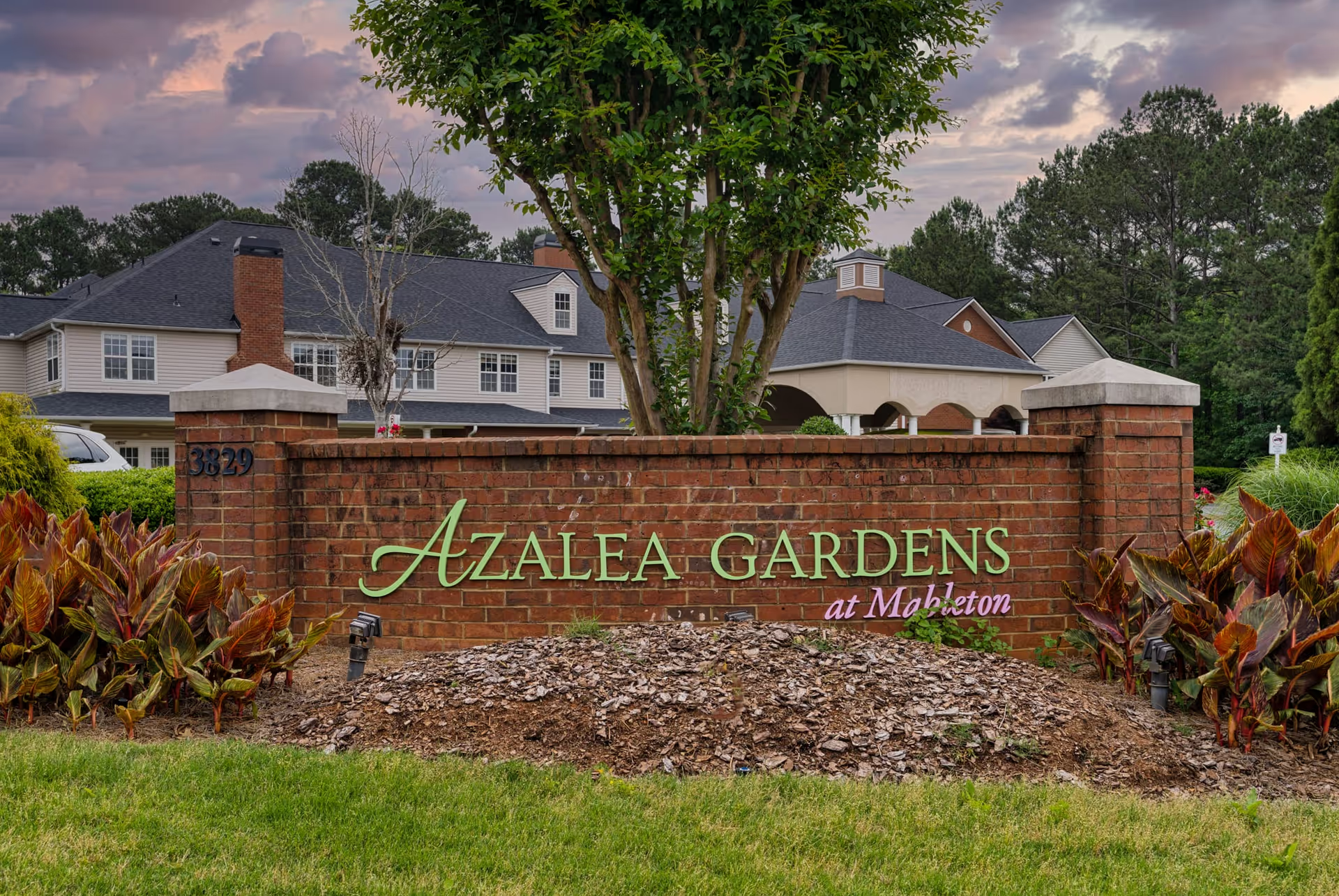
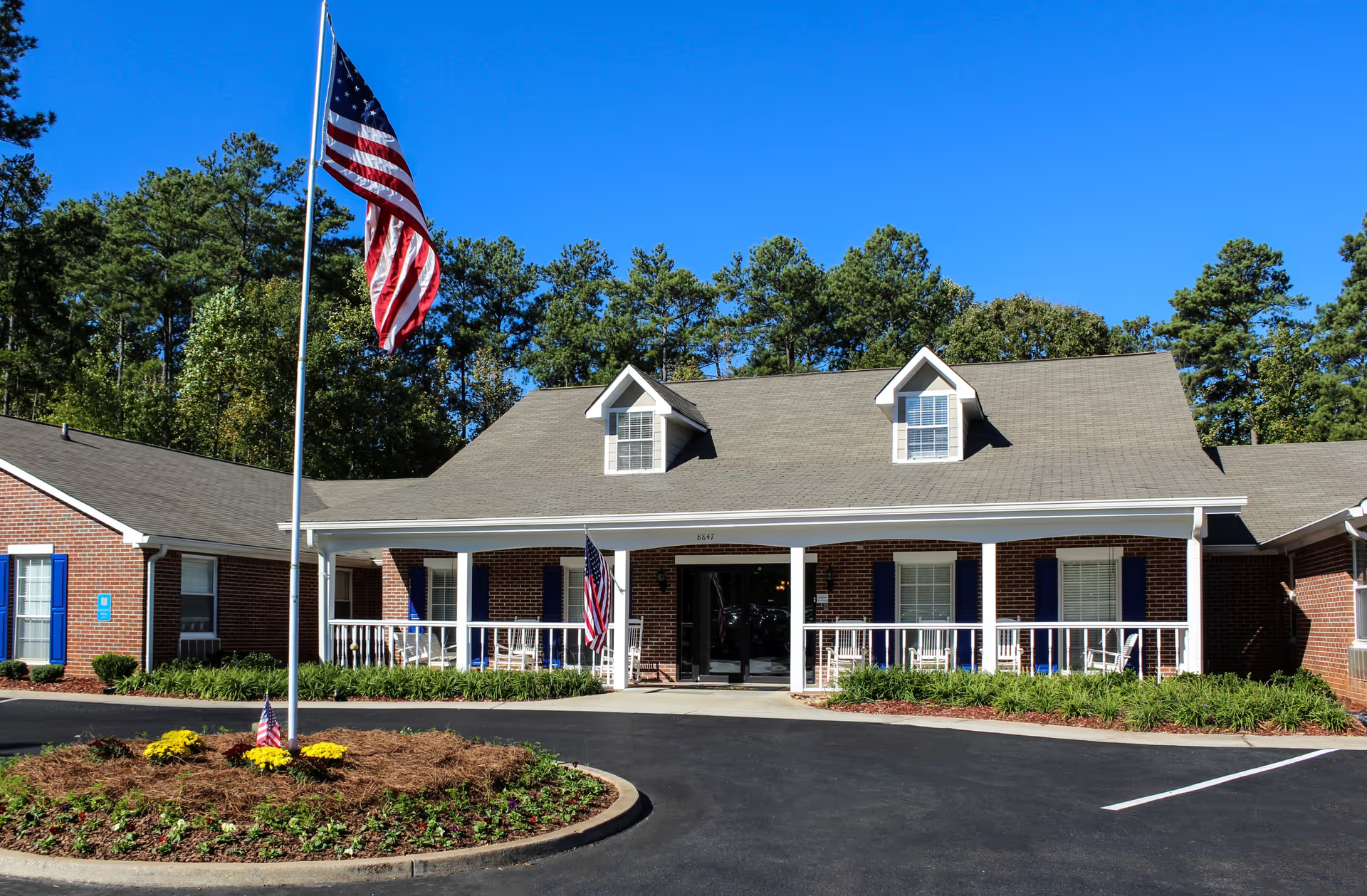
The Pearl at Dallas presents as a memory-care–focused community with many strengths appreciated by families. Clinical and social programming is oriented to dementia care, with Alzheimer’s-focused training among staff, secure single-floor neighborhoods, and a house-like design that supports a home atmosphere. Many families highlight compassionate, engaged caregivers, a favorable staff-to-resident ratio, and strong coordination during admissions and care transitions. The facility’s outdoor spaces, gardens, and accessible courtyards are commonly cited as positive environmental features that support resident engagement.
Dining and daily life are frequent points of praise. Multiple families describe flavorful, well-balanced meals, flexible dining options including food delivered to rooms, and attention to dietary preferences. Activities programming includes puzzles, exercise classes, outings, and social events; when fully staffed and scheduled this programming contributes to a lively community environment and observable improvements in resident participation.
At the same time, reviewers identify operational inconsistencies that prospective families should evaluate. Staffing performance appears variable: while many staff and CNAs are described as highly caring and knowledgeable, other accounts note lapses in professionalism, responsiveness, and follow-through. Housekeeping and room-preparation practices are inconsistent in some cases, and there are recurring operational themes around belongings management and laundry errors. A pattern of medication-administration and pharmacy coordination concerns is present in several accounts; this points to a need for careful review of medication protocols and documentation during tour and intake.
Management and administrative processes show both strengths and weaknesses. The community can respond quickly for admissions and coordinates well with families and hospitals, and some families cite strong leadership and exceptional end-of-life supports. Conversely, there are examples of unmet promises during tours, unclear billing practices or disputed charges, and occasional lapses in communication follow-up. Activity calendars exist and programming is offered, but families should ask about how reliably scheduled activities are delivered and whether the planned variety matches resident interests.
Facility design and safety are overall positive for single-occupancy residents: rooms designed for individual occupancy, walk-in showers, secure access, and visible staffing contribute to a dementia-friendly environment. Shared rooms are described as too small for comfortable double occupancy, so clarity about room assignments and physical layout is important. Pandemic-era adaptations such as video calls and window visits were implemented, and infection-control measures (buzzed entry, limited visitation during outbreaks) have been applied.
Overall impression: The Pearl at Dallas appears to provide a strong, family-oriented memory-care setting with well-regarded dining, engaging outdoor spaces, and many compassionate staff members. Prospective residents and families should verify medication-management procedures, billing policies, housekeeping standards, and the suitability of room assignments during the tour. Asking specific questions about staffing consistency, activity delivery, and how the community documents and follows up on family concerns will help align expectations with the facility’s operational patterns.