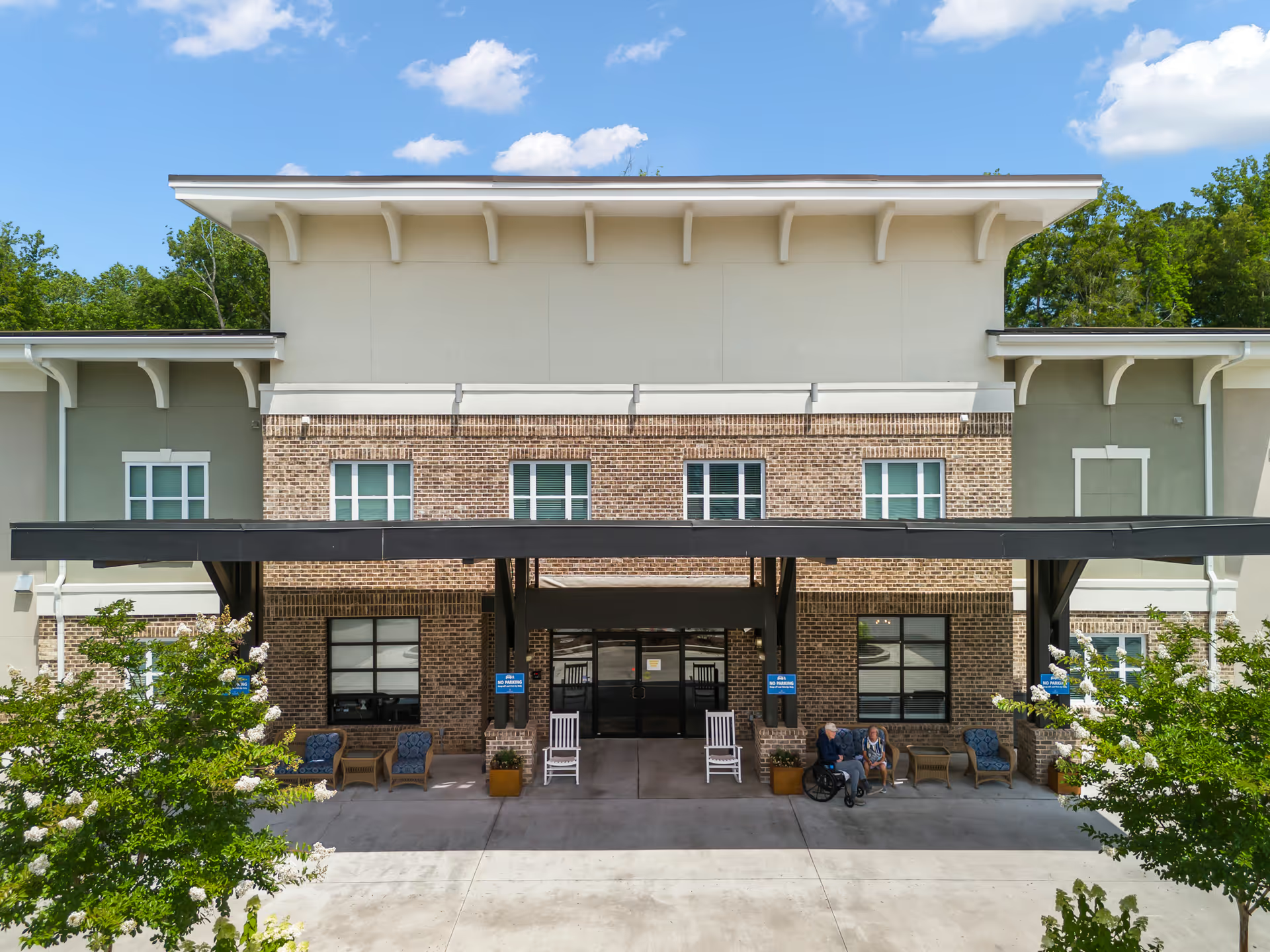
Dunwoody Pines presents as an affordable, amenity-rich independent living community built from a hotel conversion. Strengths repeatedly noted include a strong on-the-ground caregiving presence (including 24/7 staff, CNAs and nurses on site), an active activities program, and a range of onsite amenities such as an indoor heated pool, fitness equipment, theater, salon, library and a resident greenhouse. Many families praised individualized service during tours and moves, weekly housekeeping, included maintenance and utilities, and a bright, atrium-centered layout with water features that create a hotel-like communal atmosphere.
Care quality and staff performance show a mixed but generally positive profile. Multiple reviews singled out specific staff and managers for compassionate, helpful care and effective move-in support; these staff appear to contribute strongly to resident satisfaction. At the same time, reviews describe high staff turnover and variability in training and responsiveness. While emergency pull cords and on-site clinical staff are present, several accounts raised concerns about inconsistent monitoring of higher-risk residents and gaps in staff training for particular diagnoses. For prospective residents who require memory care or frequent clinical oversight, the community’s memory-care capability and fee structure should be clarified in advance.
Dining and activities are central features of life at Dunwoody Pines. The community provides three meals daily, plus snacks and frequent social events; many residents enjoy the dining room, salad bar, and themed events. However, the dining program also shows variability: reviewers described uneven food quality, service delays, and staffing-related errors at mealtimes. The activities calendar is robust and diverse, ranging from exercise classes and pool activities to trips, music, and hobby groups, and is often cited as a strong contributor to social engagement.
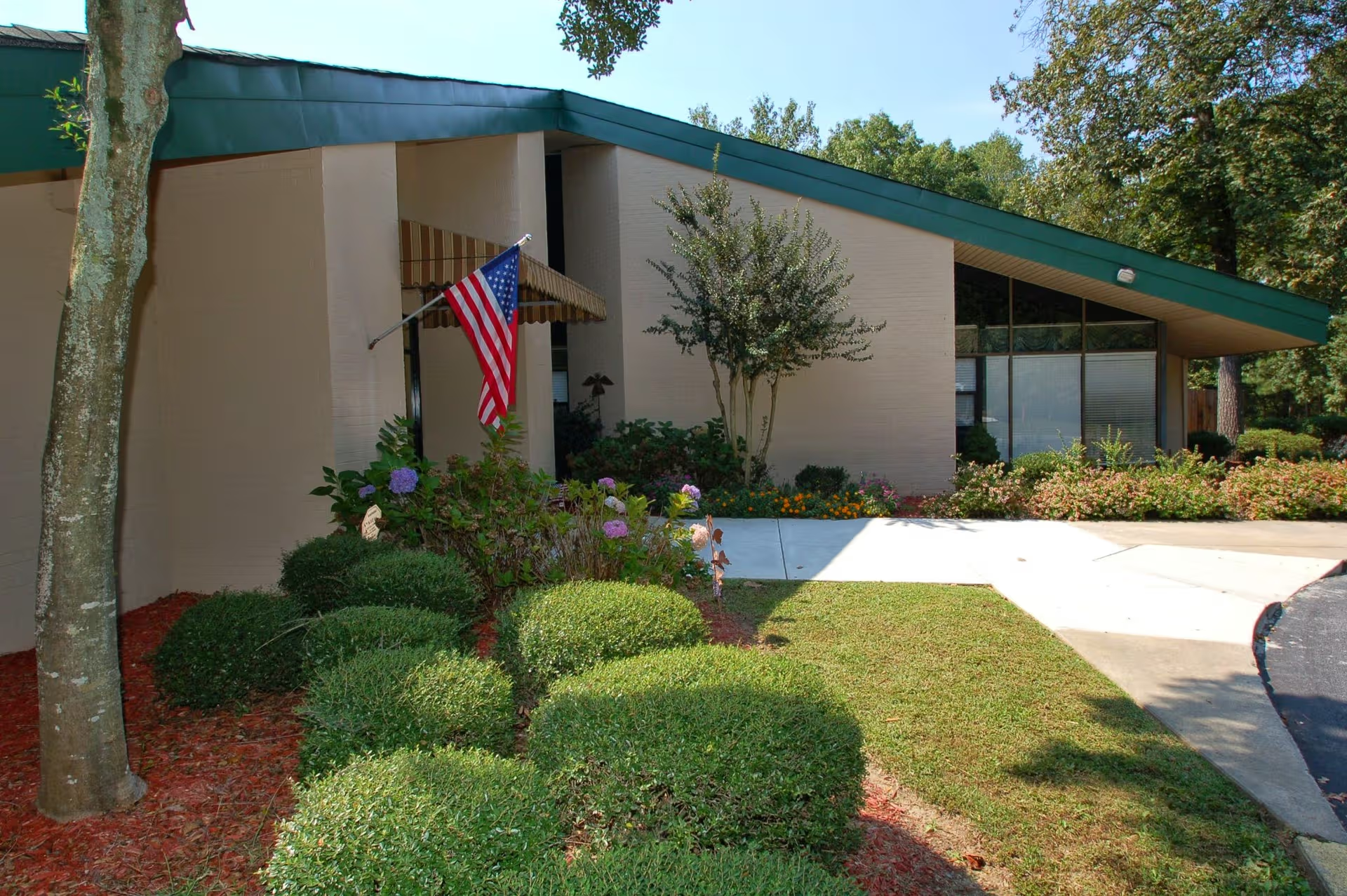
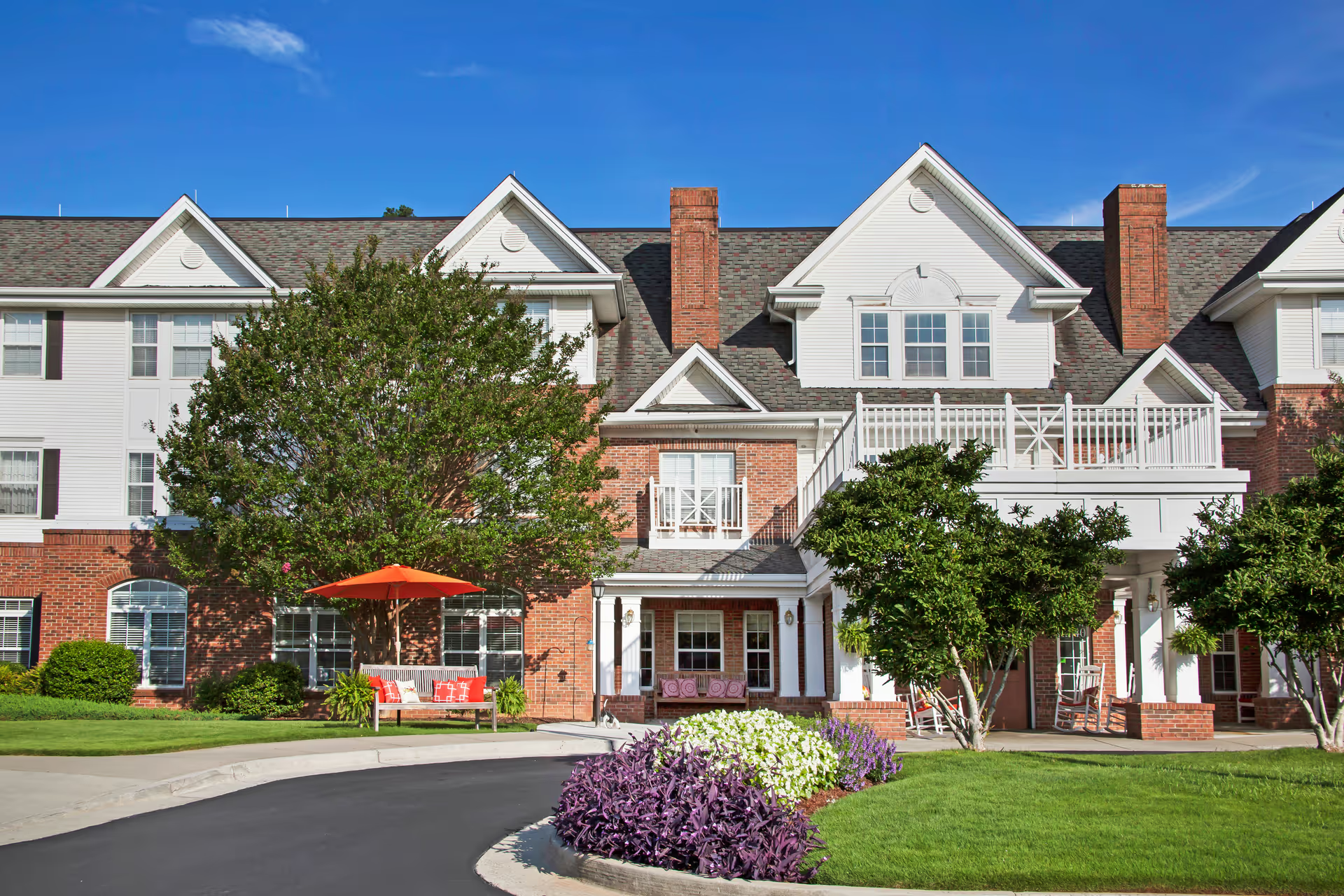
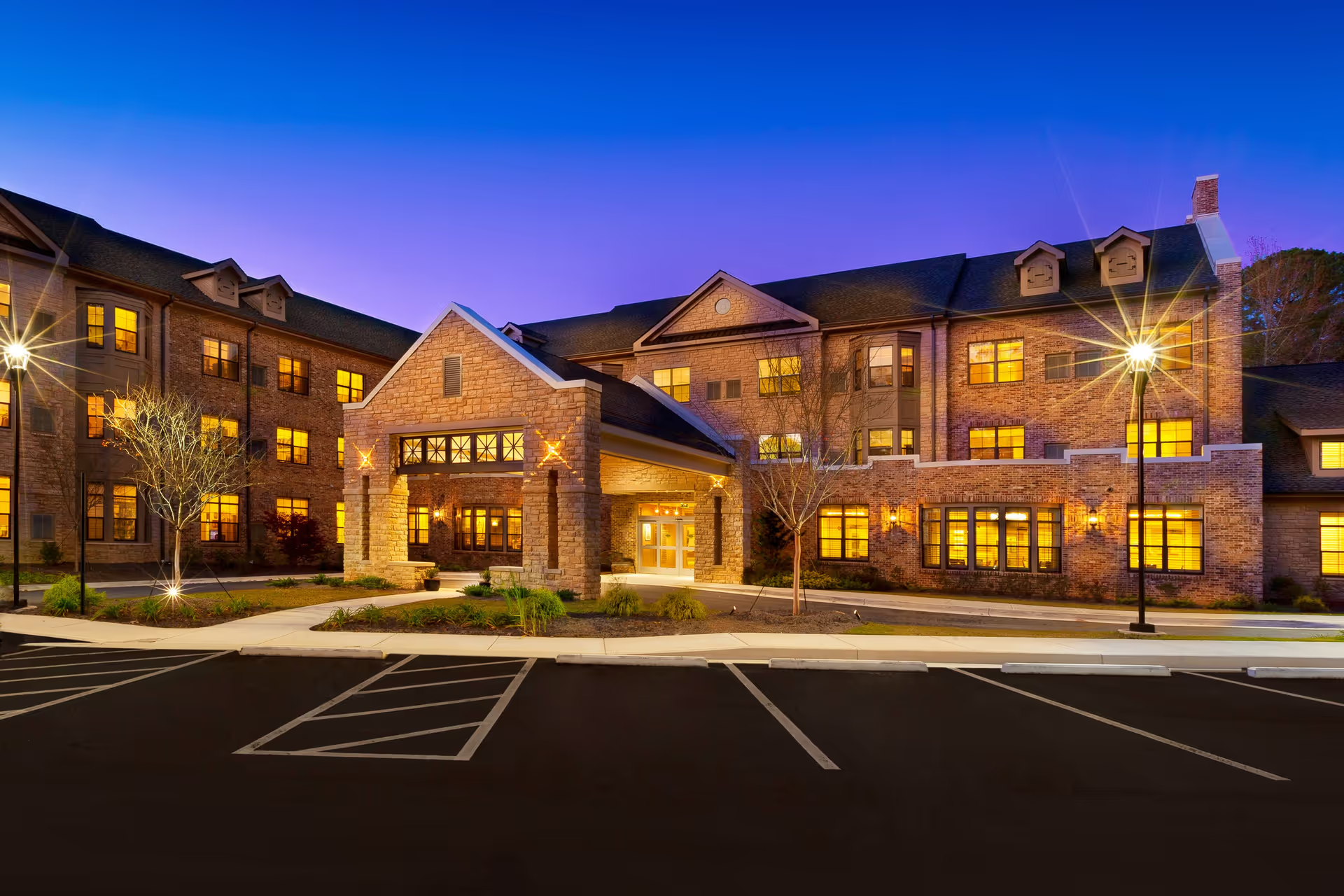
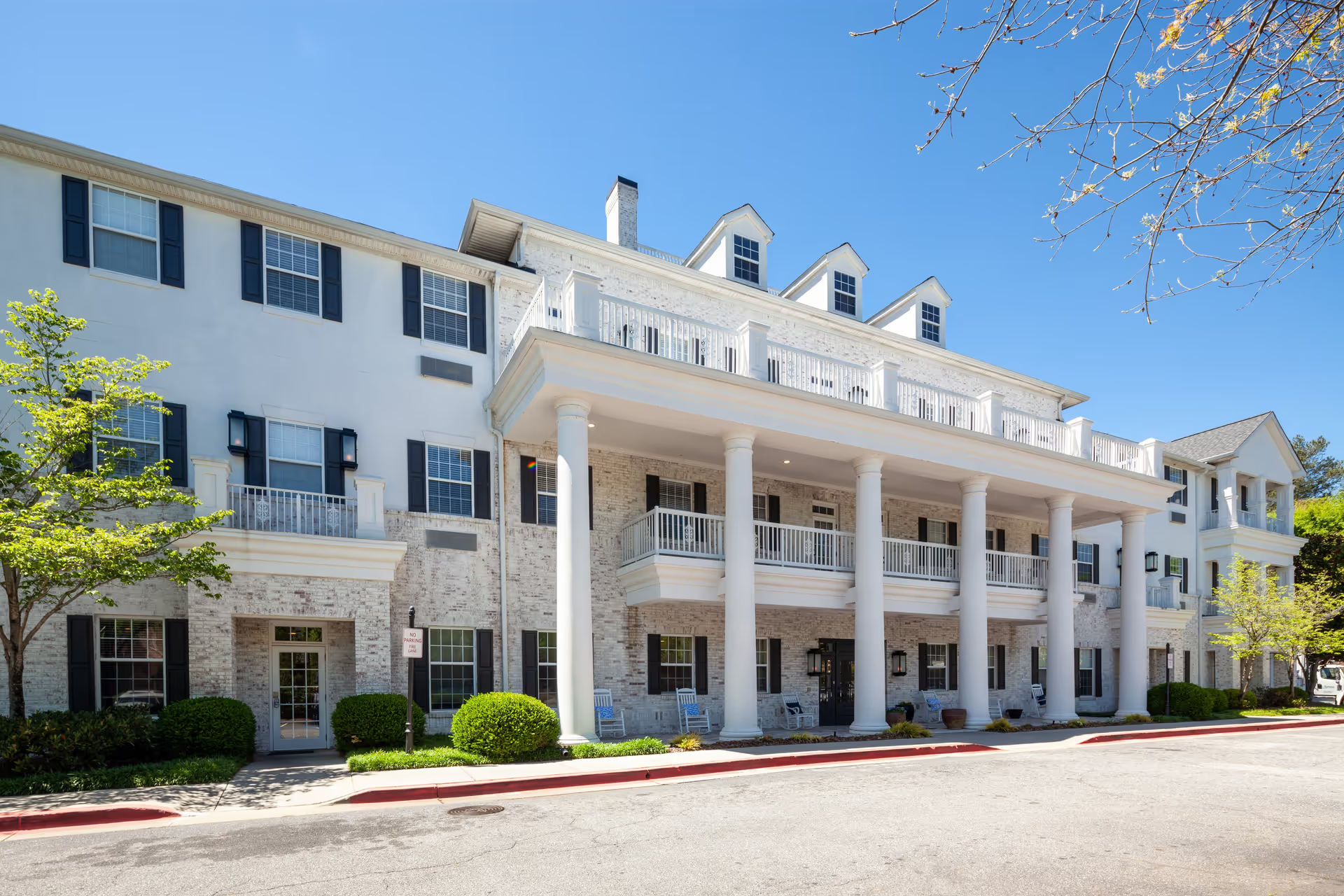
Physical plant and amenities are another area of mixed feedback. The converted-hotel layout offers light, open common spaces, a koi pond and an attractive central atrium, alongside practical features such as laundry on each floor and parking. Several units and common areas have been renovated, but the building is generally older and reviewers cited worn finishes, limited outdoor grounds or walking trails, and privacy concerns for units that face the atrium. Operational issues reported include intermittent internet and phone connectivity in upper floors, occasional elevator outages or long waits, and inconsistent housekeeping or maintenance follow-through.
Management and operational patterns merit careful review during a visit. Some families praised new leadership and named staff for driving improvements and being highly responsive; others described periods of unstable management, poor follow-through on promised repairs or services, and uneven customer-service tone. More serious operational concerns surfaced in multiple reviews — including pest-control and sanitation issues and allegations of theft — that should be directly addressed with management and checked against regulatory records. Transportation services are provided but have been described as unreliable at times, so confirm scheduling and cancellation policies.
In summary, Dunwoody Pines offers strong social programming, many on-site amenities, round-the-clock staffing and generally affordable pricing, which make it attractive for independent-living seekers who value engagement and onsite supports. At the same time, reviewers describe operational variability in dining, staffing continuity, building upkeep, safety/security practices and clinical monitoring. Prospective residents and families should: (1) meet current care leadership and ask about staff turnover and training, (2) sample meals and inquire about dining staffing plans, (3) inspect unit layouts for privacy and internet access, and (4) ask for documentation about pest control, security protocols and memory-care capabilities before deciding.