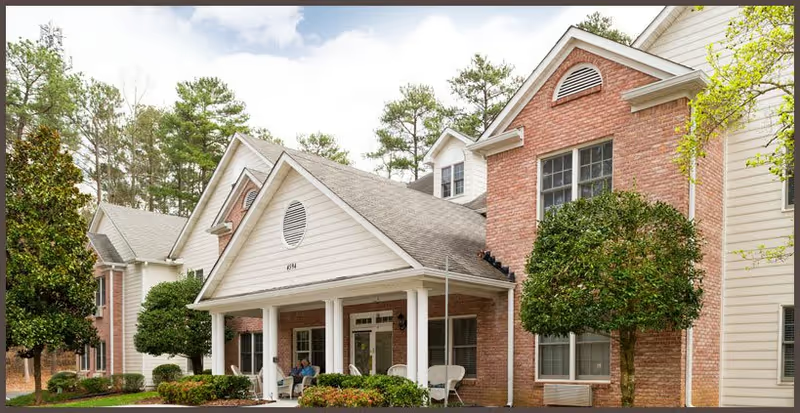
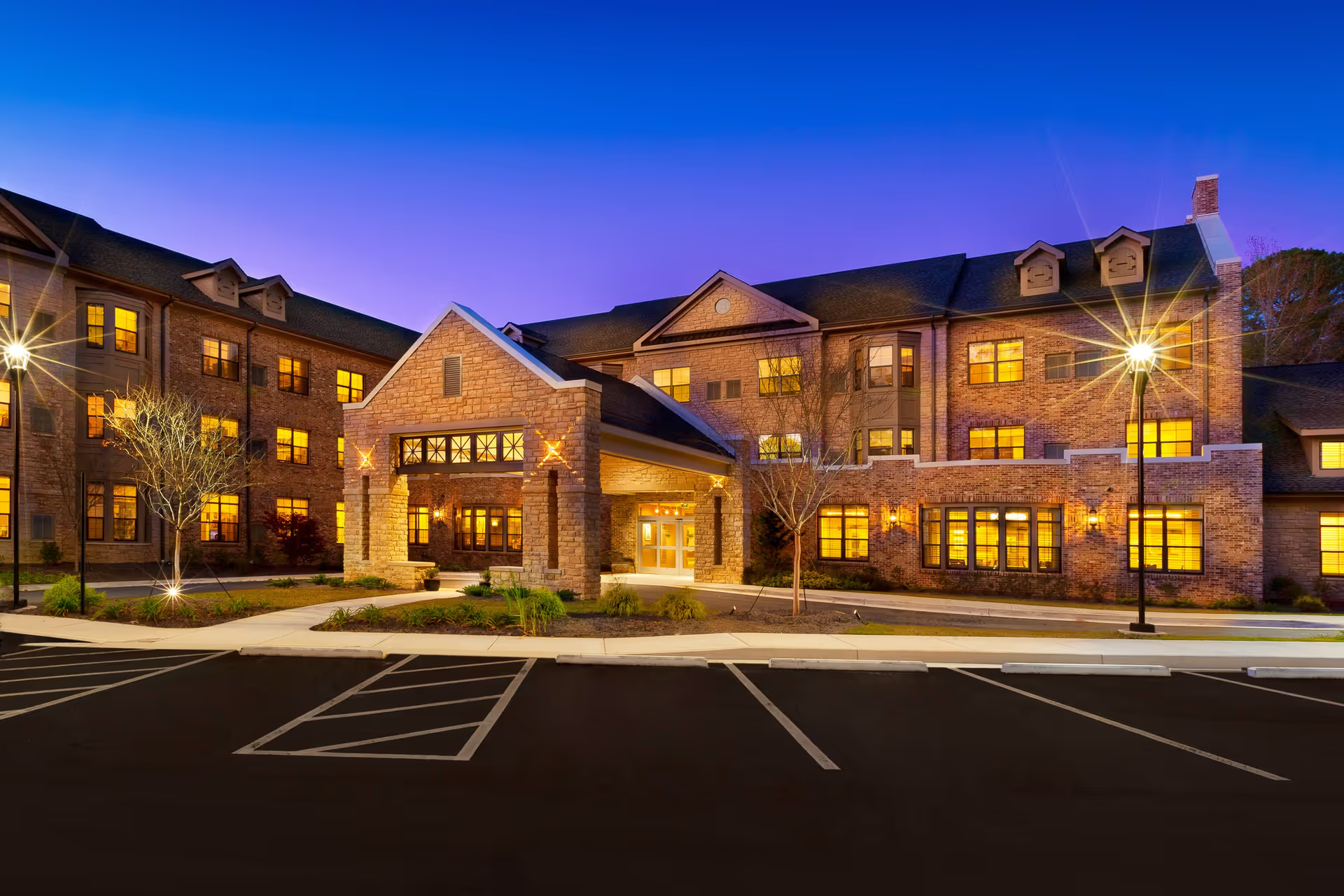
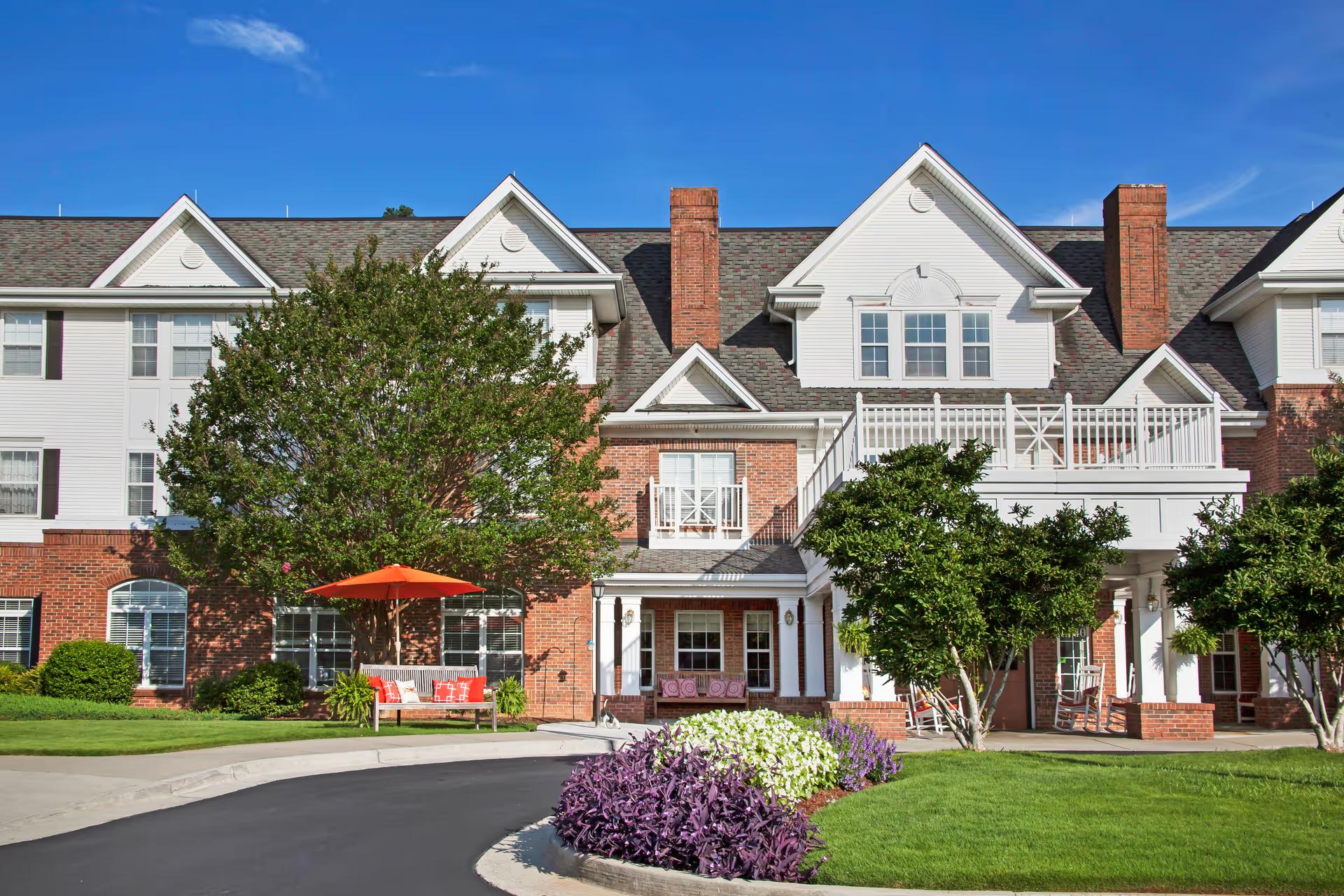
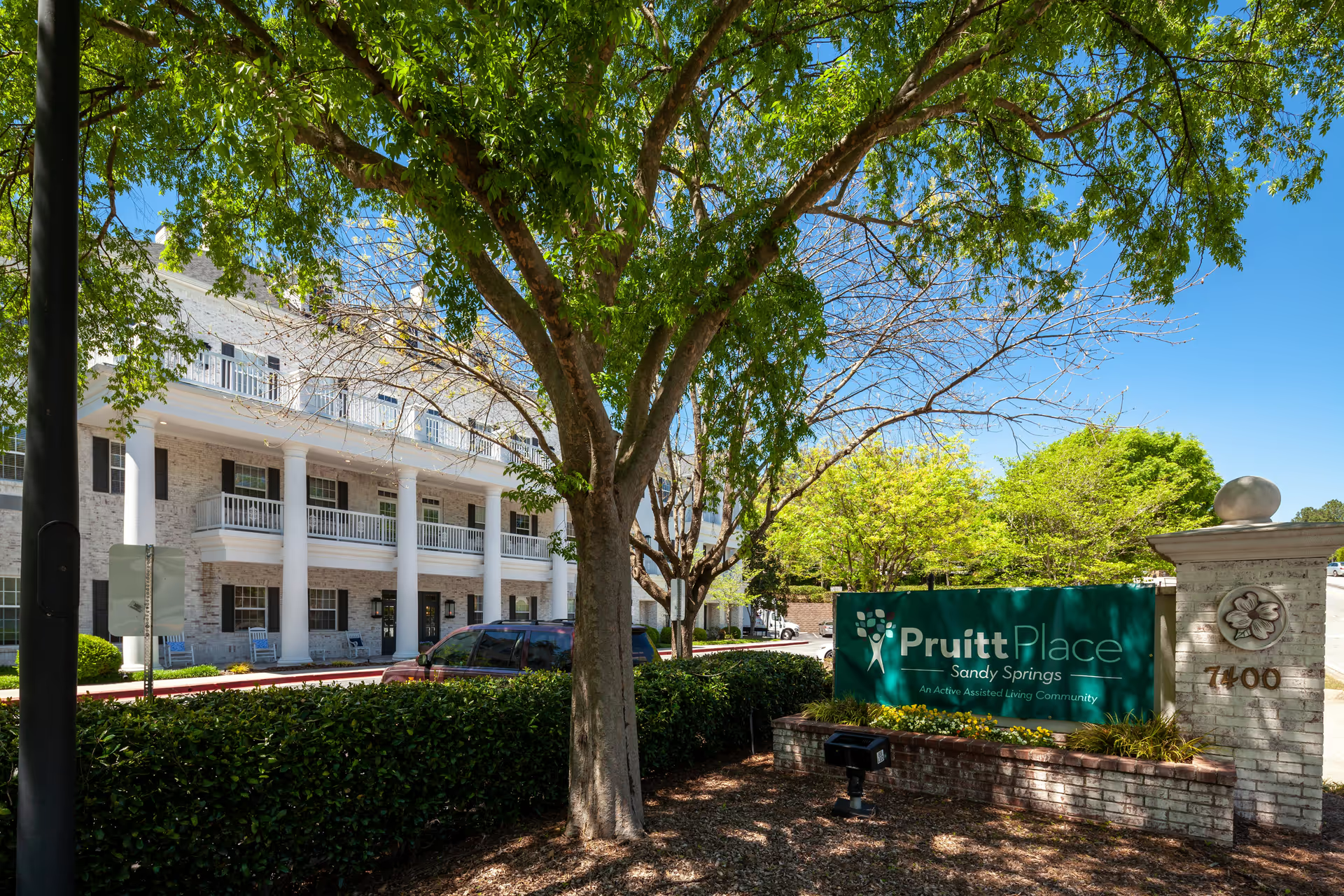
Reviewers describe Phoenix at Dunwoody as a facility with many operational strengths alongside several recurring operational weaknesses. Commonly praised aspects include a compassionate, personable caregiving team and knowledgeable nursing/wellness staff who create a welcoming, home-like atmosphere for residents. Families frequently note generous activity programming — arts and crafts, socials, excursions and faith groups — and many respondents found the dining offerings varied and generally agreeable. Physical attributes highlighted positively include spacious studios and suites (some with balconies and walk-in showers), large dedicated activity spaces, gardens and ongoing renovation work that has refreshed interiors.
Care quality and staff performance are areas of mixed feedback. Positive comments emphasize attentive, respectful caregivers, good coordination with doctors and hospice when involved, and frontline staff who are described as patient and helpful. However, reviewers also raise significant concerns about clinical oversight and staff training: examples include delays or errors in medication administration, issues with care-plan adherence, and at least one instance of skin integrity and hydration concerns. These items suggest variability in clinical practice and supervisory consistency rather than uniformly poor care; prospective families should evaluate clinical protocols and supervisory structures directly.
Management and organizational stability emerge as a clear pattern. While some reviews commend specific directors and sales staff for professionalism and transparency, a number of families report high turnover among managers and directors, frequent leadership changes, and inconsistent communication around admissions and billing. Several reviewers described the admissions and medical-onboarding processes as complicated or insufficiently explained. There are also recurring mentions of elevated ancillary charges (notably medication-related fees), so clarity about billing practices and what services incur extra costs is advisable.
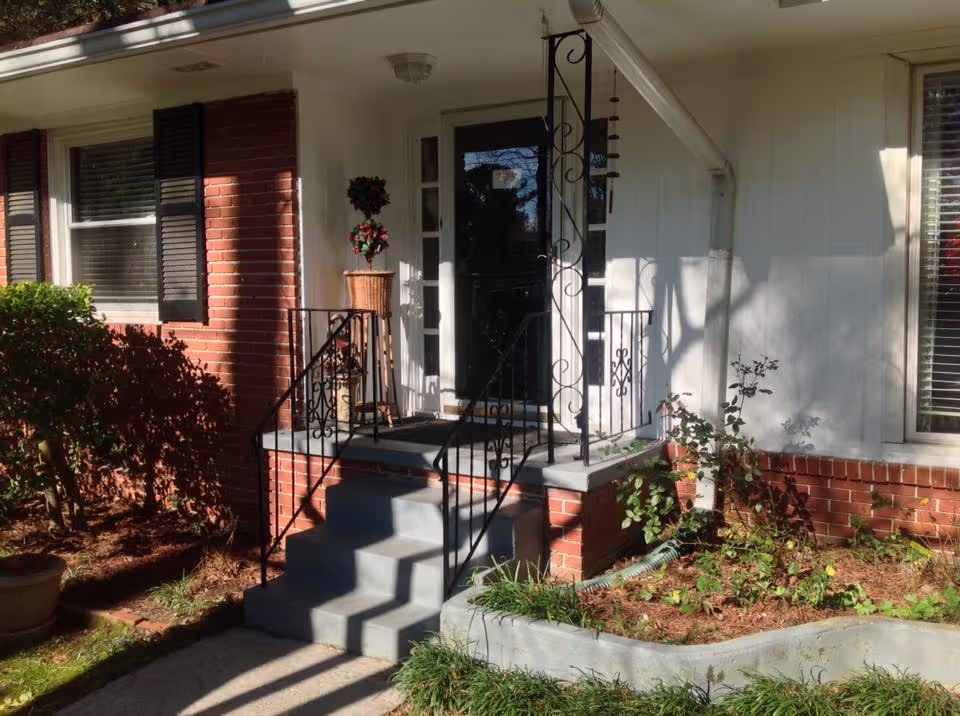
Facility, safety, and housekeeping observations are similarly mixed. Renovations and updated décor were frequently praised; at the same time, reviewers cited aesthetic inconsistencies, unfinished common-area updates, and sanitation or odor concerns in some public spaces. Memory-care areas receive both positive and critical comments: the memory ward is described as bright and calming by some, while others note limited secure outdoor space for residents with dementia and a desire for more targeted cognitive-stimulation activities. A safety-related comment about the main porch/entryway indicates families should review site security and egress protections during a visit.
Notable operational red flags that warrant direct verification during a tour include allegations of missing personal items and financial-concern narratives, intermittent lapses in responsiveness (especially after hours), and variability in staff training and medication handling. Conversely, strengths to confirm include the day-to-day warmth of caregiving staff, the scope of activities, the state of recent renovations, and communication practices around admissions, billing, and clinical updates.
For prospective residents and families: arrange multiple visits (including at least one during peak activity hours and a meal service), ask for current staff turnover statistics and director tenure, request written medication-administration protocols and after-hours staffing plans, clarify billing for medications and ancillary services, inspect memory-care outdoor access and security features, and ask how the community handles lost-item reports and family communication. These steps will help separate the facility’s substantial operational strengths from the variable operational issues noted by reviewers.