Overall impression: Harbor at Harmony Crossing is described consistently as a clean, well-appointed community with a strong emphasis on personal attention and a home-like atmosphere. Reviewers commonly emphasize compassionate, attentive staff and a high level of teamwork among caregivers. Several families specifically highlighted clinical oversight by nurses and a physician, which contributed to a sense that medical needs are being monitored and managed.
Care and staff: The staffing profile is the facility's strongest theme. Families used terms such as caring, professional, and supportive; reviewers frequently described staff who learn residents' names and create a family-like environment. There are recurrent positive comments about proactive attention, individualized comfort, and managers who make families feel welcome. That said, a small number of comments point to occasional gaps in administrative responsiveness and difficulties escalating concerns, so prospective families may want to clarify escalation pathways during a tour.
Dining and activities: Dining is presented as a highlight — restaurant-style service, varied menus, and family members noting that residents enjoy the food. The activity schedule appears varied and active: games, bingo, music and guest singers, Bible study, puzzles, outings (grocery trips and community events), happy hour, beauty-parlor services, and pet visits were all mentioned. The community’s programming and communal spaces aim to support social engagement and regular stimulation, including memory-care–focused activities for residents with cognitive needs.
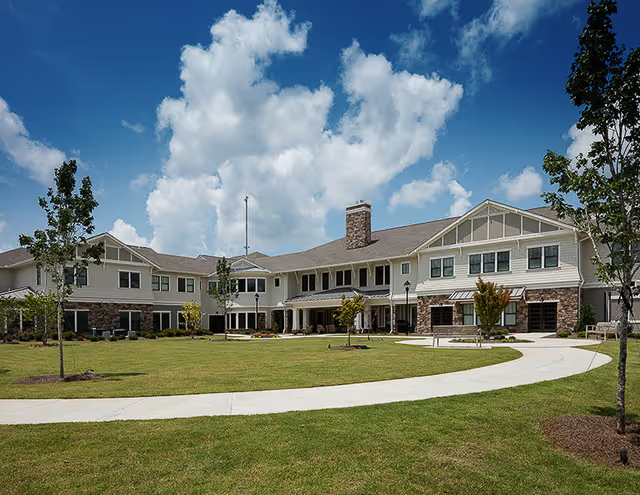
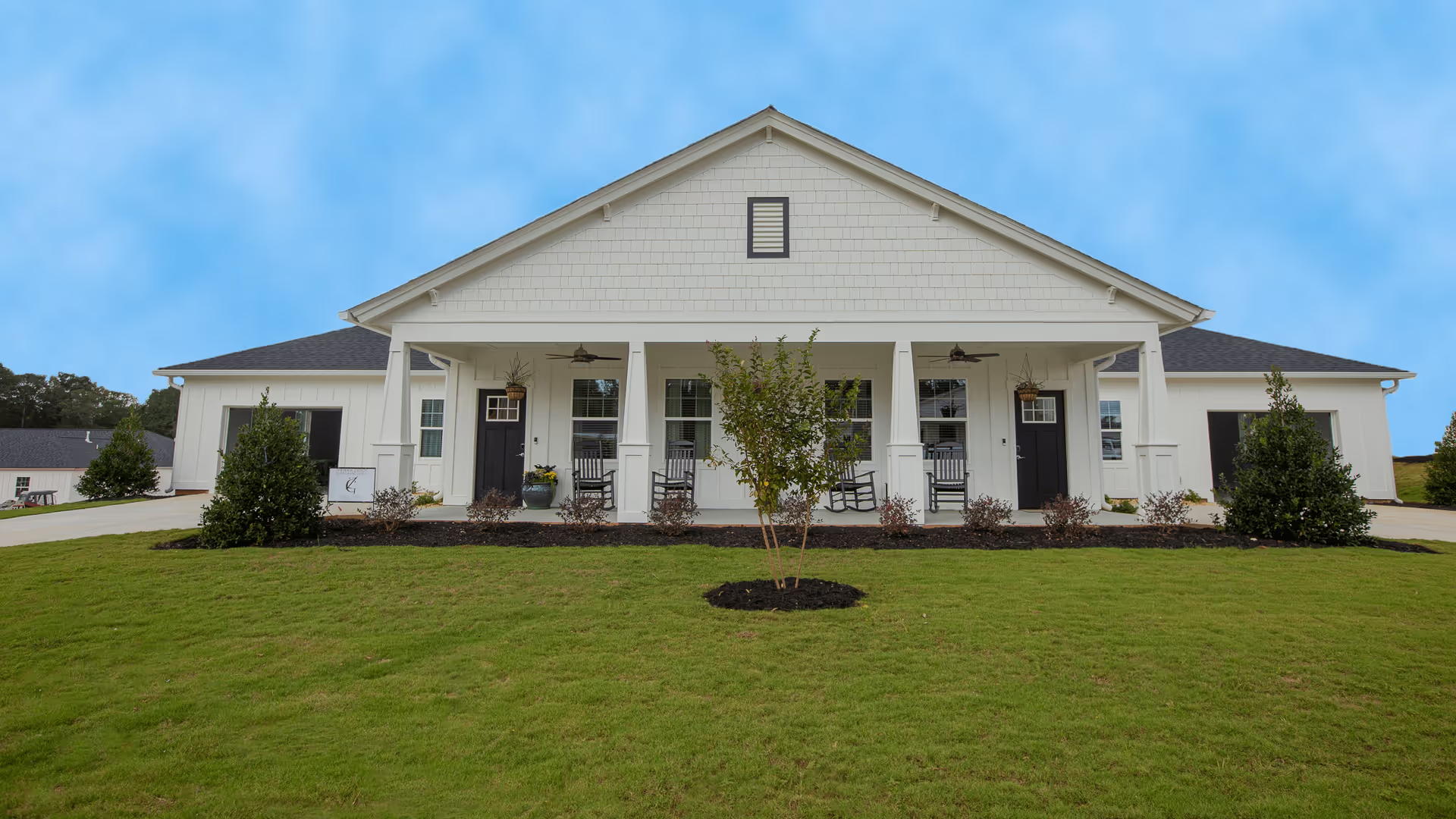
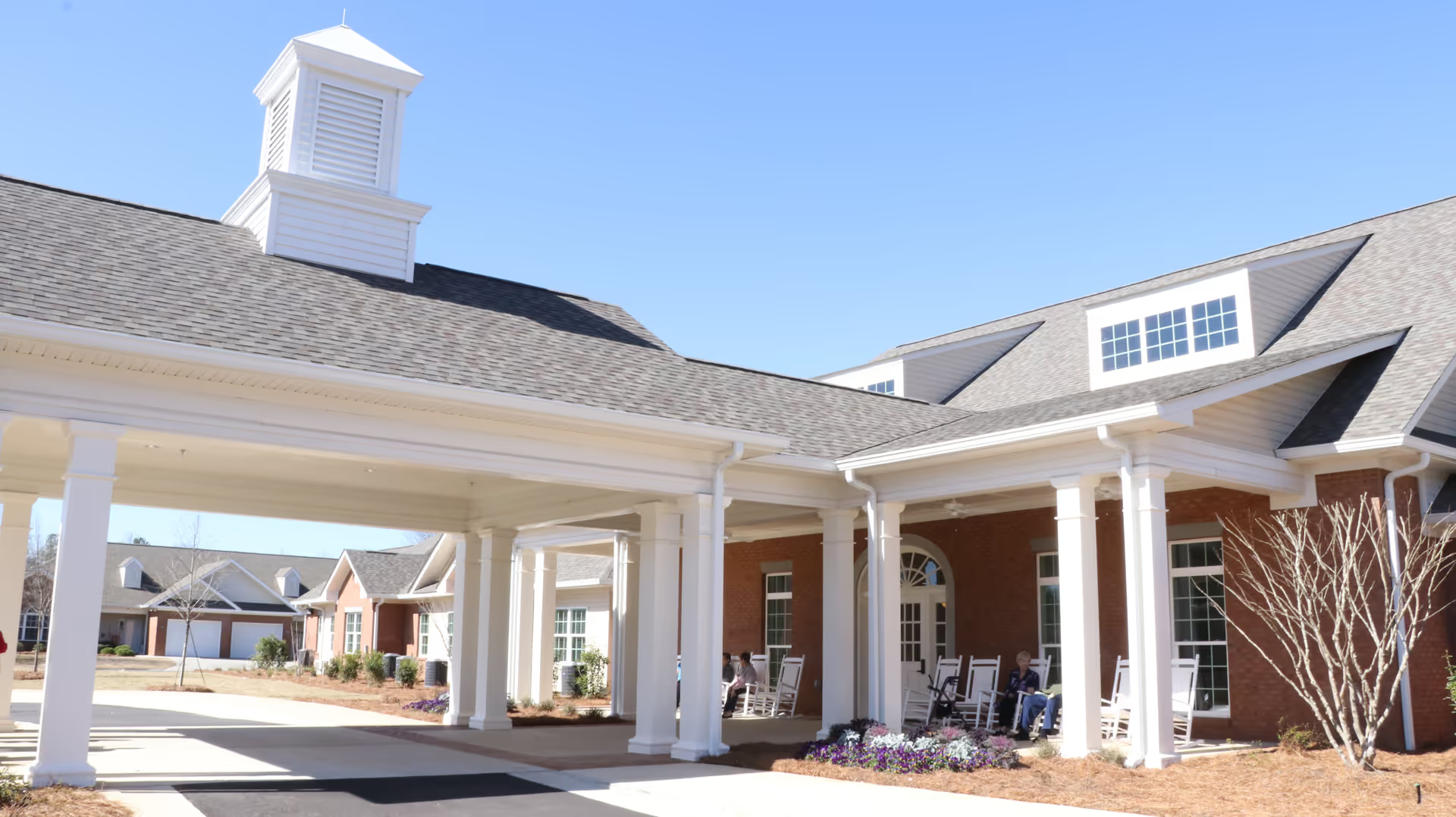
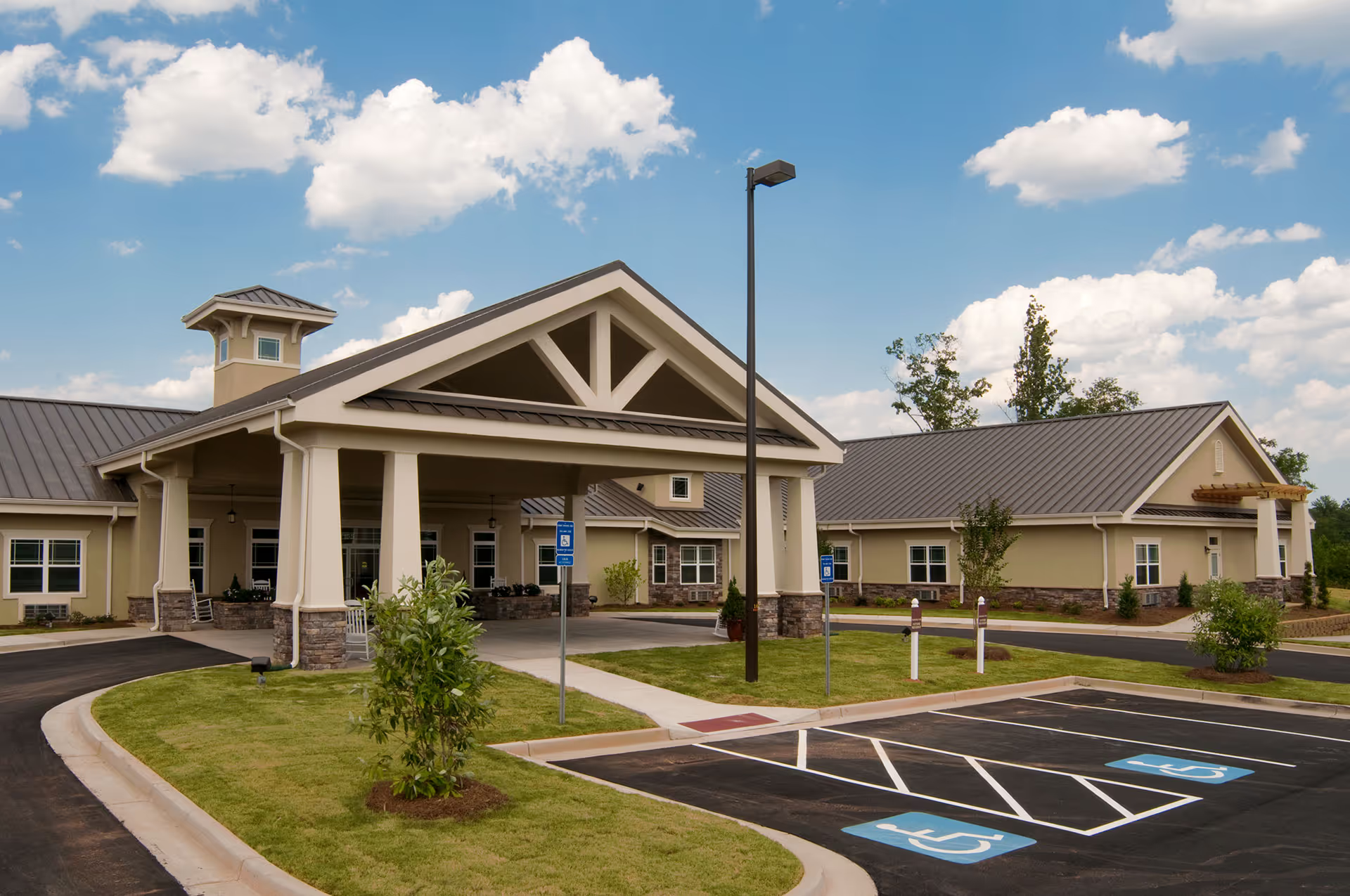
Facilities and accommodations: The physical environment is described as new, clean, and upscale with comfortable common areas (large TV, recliners) and private rooms that include en suite bathrooms. At the same time, apartment size is a practical consideration: units are characterized as smaller, with limited in-unit kitchen space, and the community appears to prioritize memory-care configurations in parts of the building. Prospective residents should confirm specific unit layouts and storage/meal-preparation capabilities during a visit.
Management, cost, and availability: Many reviewers praised local managers and frontline staff, but there are also isolated accounts of administrative communication challenges; this suggests variability in how nonclinical issues are handled. Cost is another recurring theme: the community is positioned at a higher price point than some nearby options, and availability can be limited, with occasional full occupancy. For families balancing budget and services, the perceived cost-to-value mix varies across reviewers. Additionally, while the location is convenient for some, a few families found it distant relative to their support network.
Bottom line: Harbor at Harmony Crossing appears to be a strong option for families prioritizing attentive, relationship-driven care, structured activities, and restaurant-style dining in a clean, modern setting — particularly for those seeking memory-care programming. Before deciding, visitors should verify unit sizes and layouts, confirm current wait-list or vacancy status, discuss pricing and contract details, and ask about administrative escalation procedures to ensure the facility’s operational practices align with their expectations.