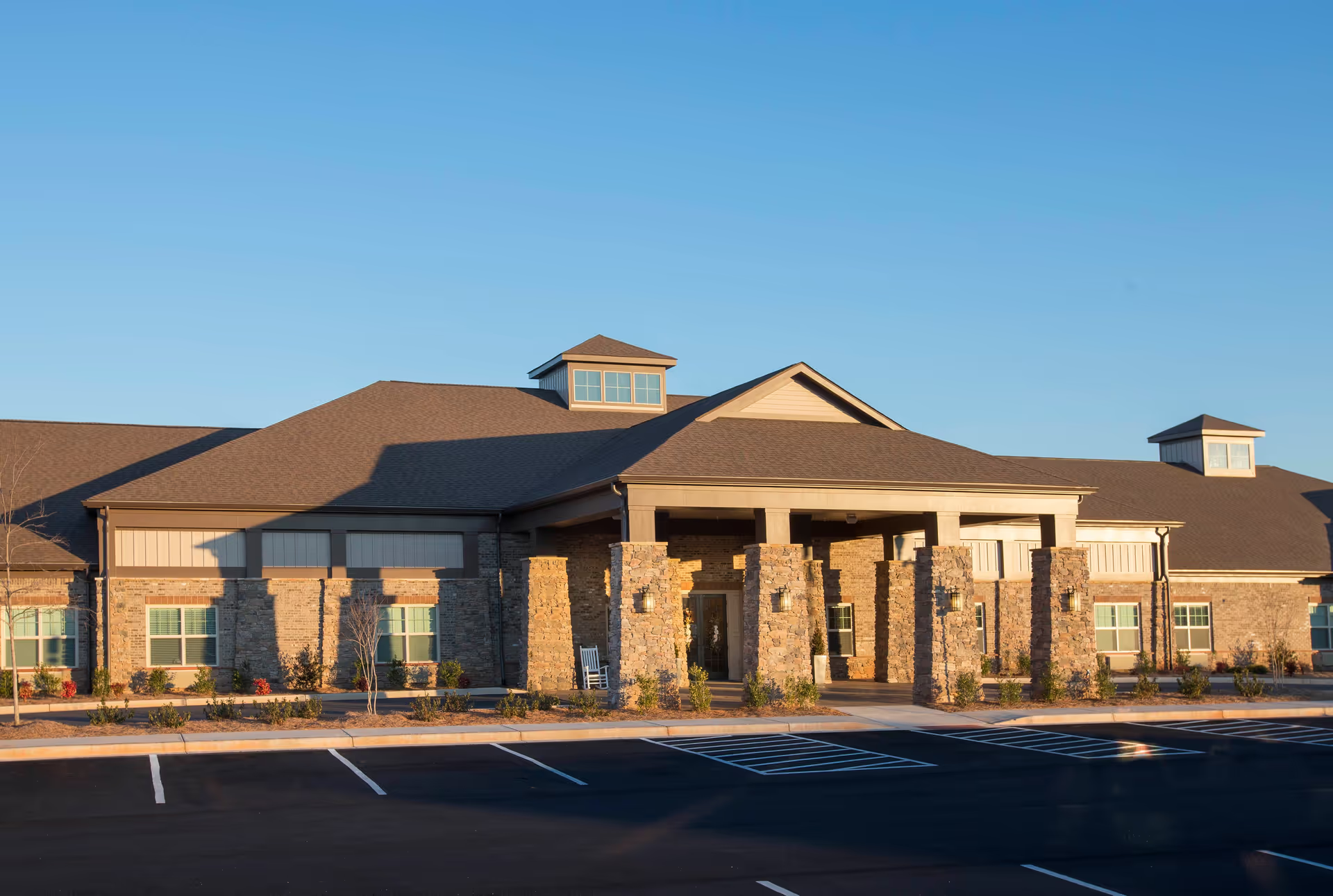
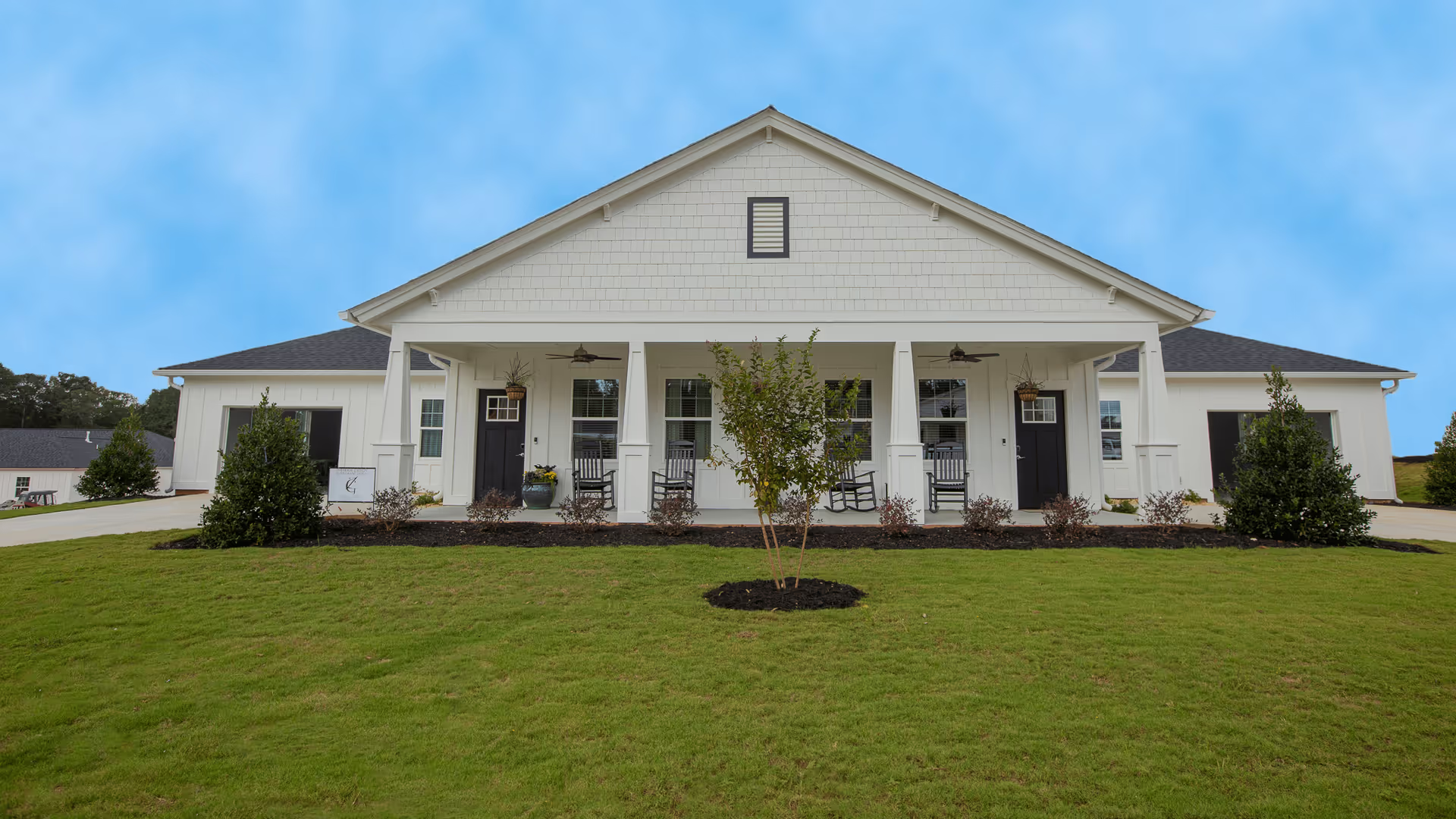
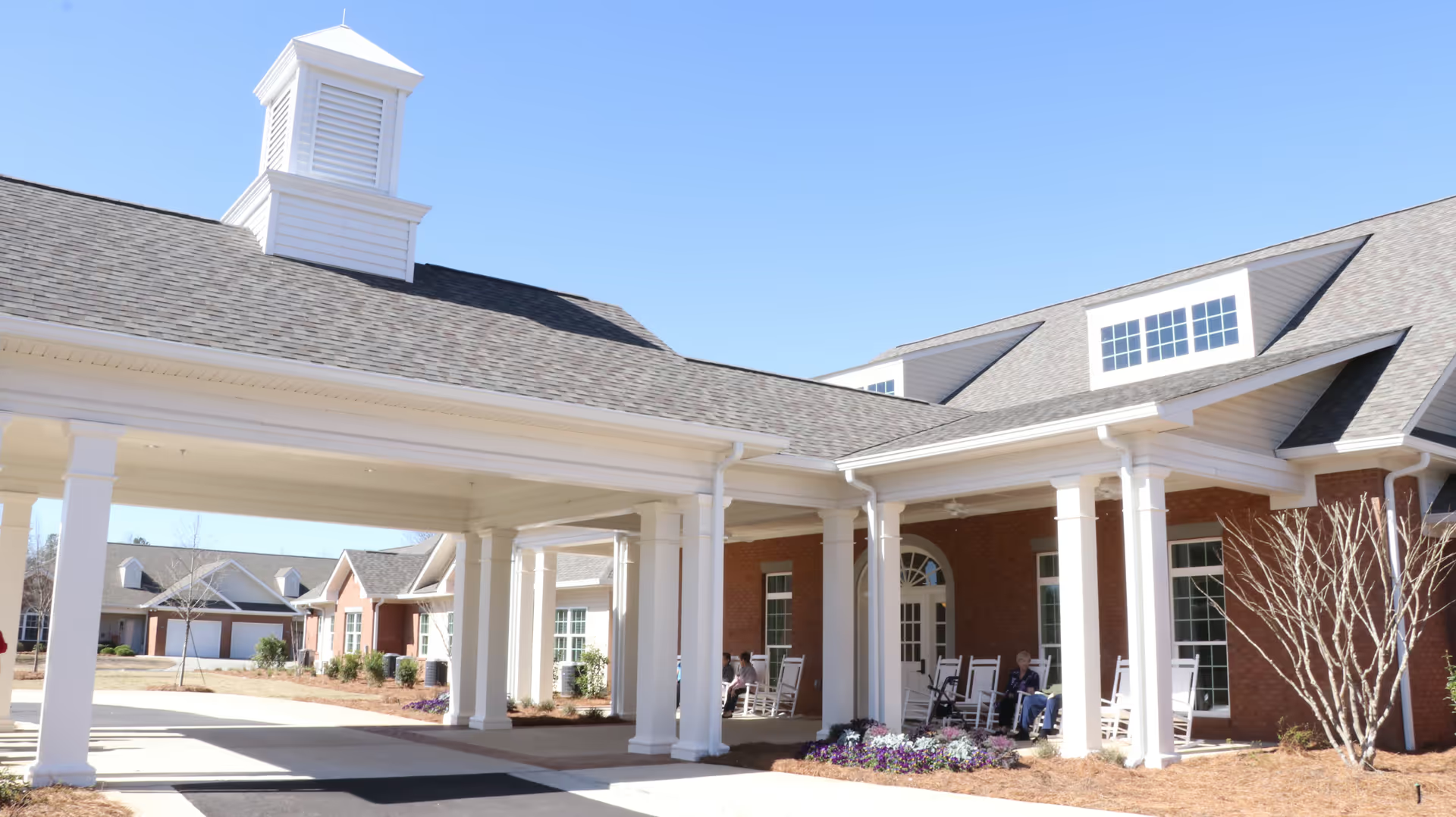
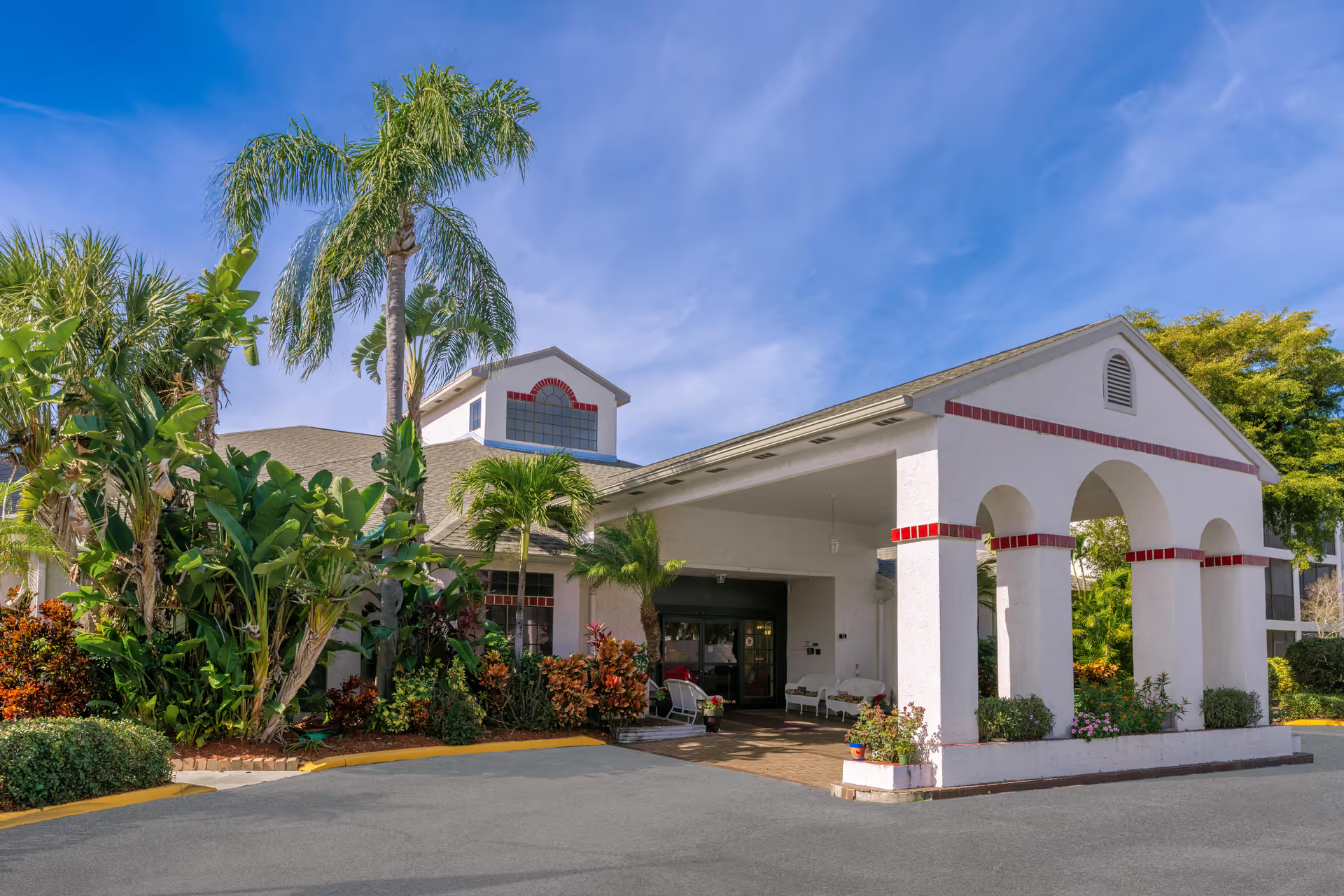
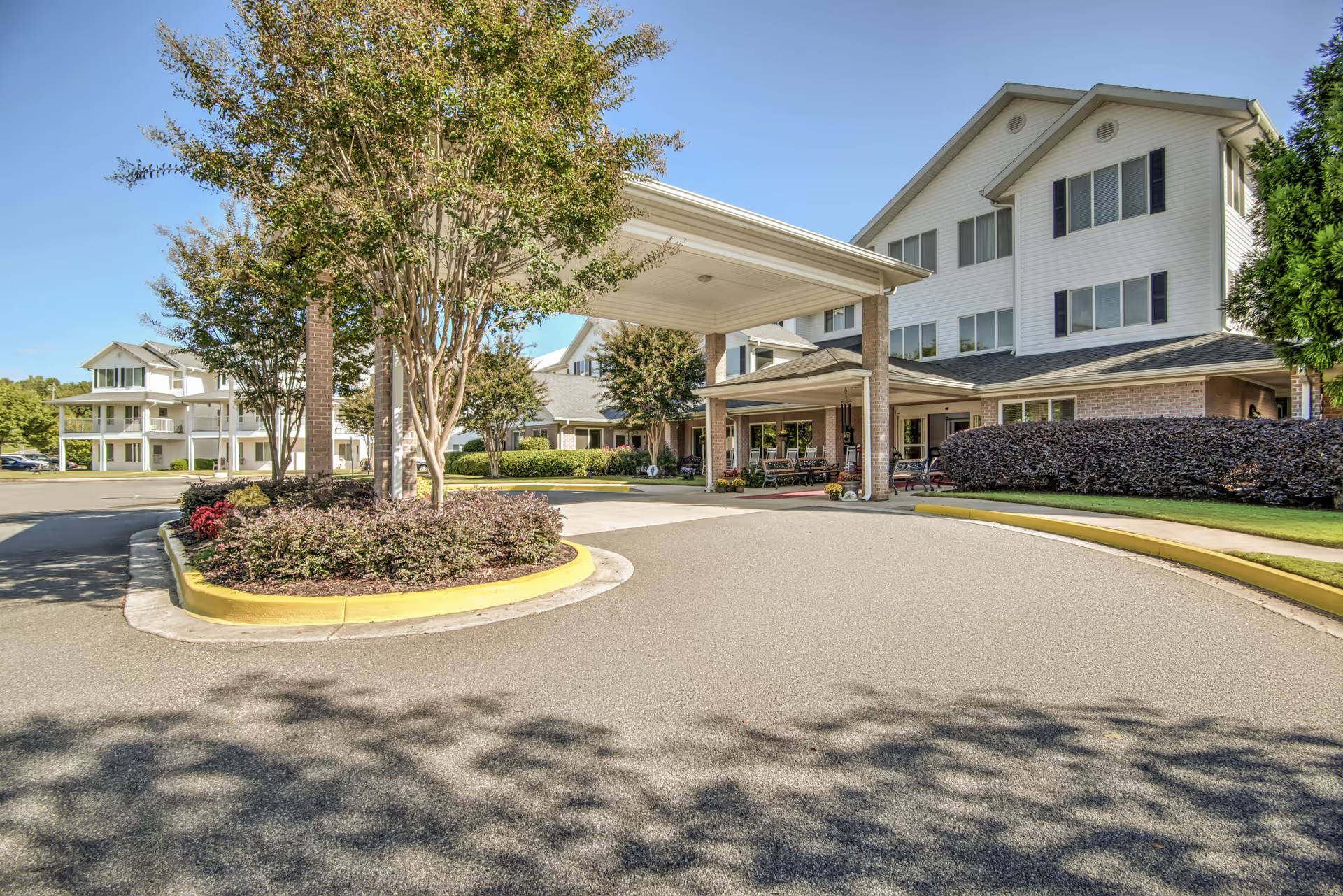
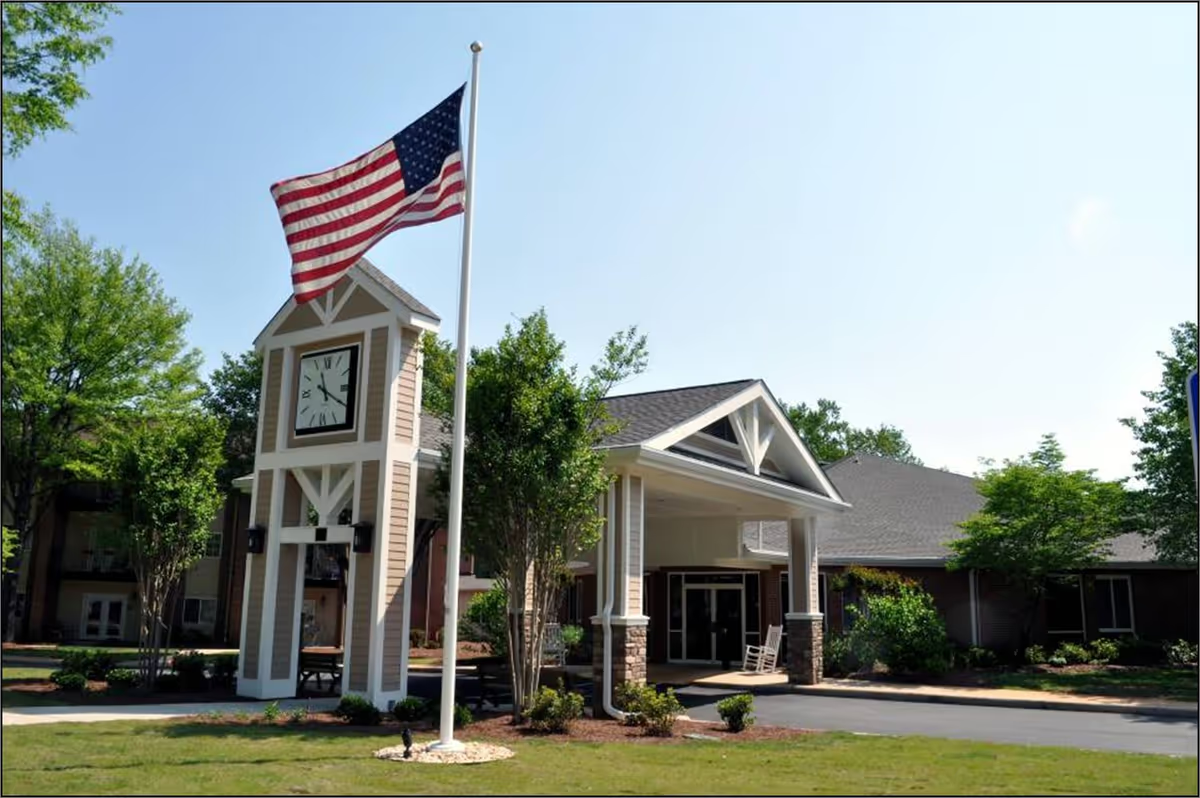
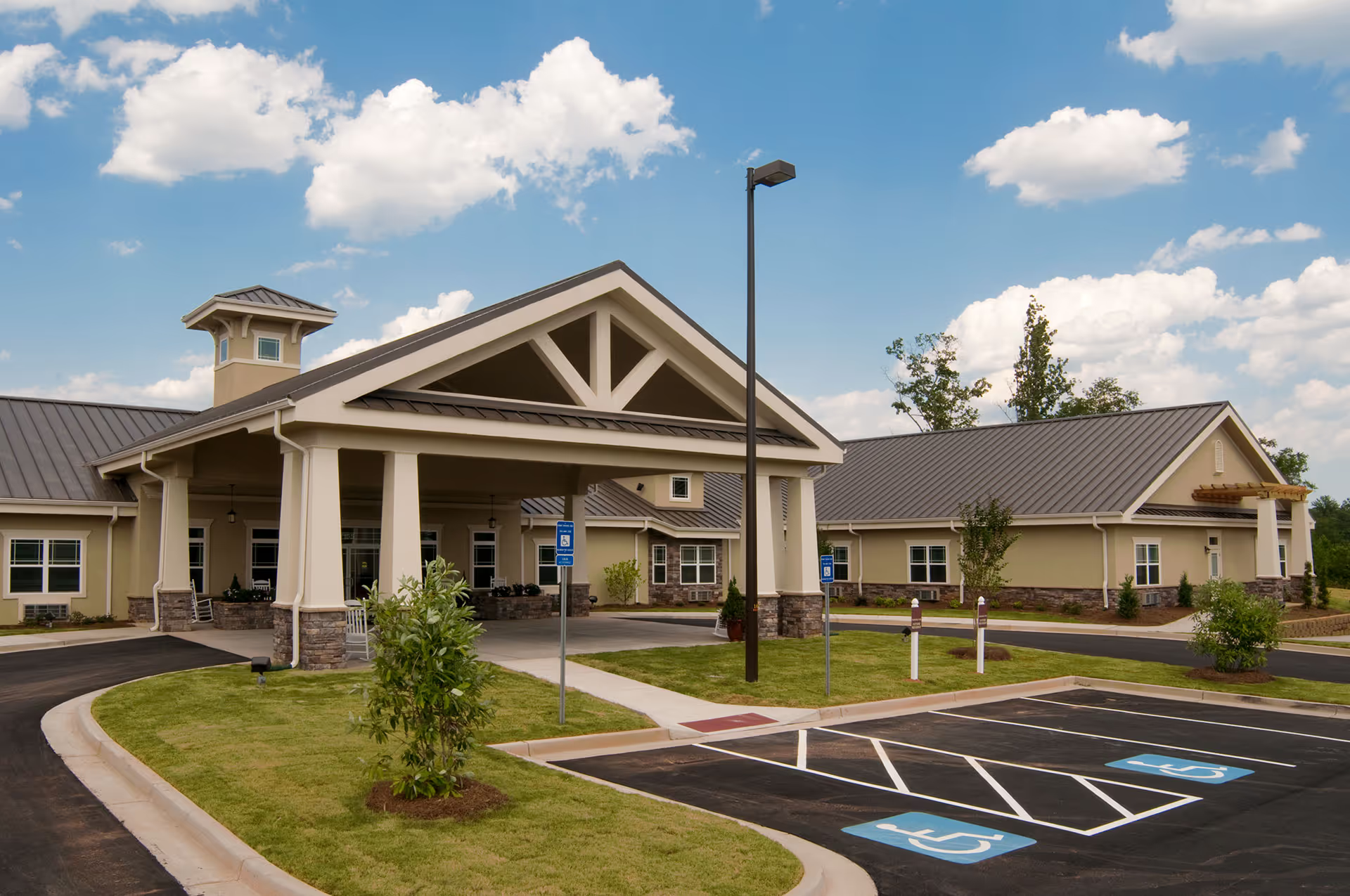
The Glen at Lake Oconee Village presents a mixed but distinct profile. Many families and residents describe the campus as a resort-style, well-maintained community with a brand-new, thoughtfully designed building, plentiful amenities, and attractive common spaces. The site offers strong rehabilitation resources including on-site physical therapy and equipment, as well as on-site clinical support such as physicians and a dietitian. Dining is oriented toward a restaurant-style experience with menu ordering and a wide selection, and programming appears robust; reviewers mention a broad range of activities (music, games, religious services, exercise, outings) and an active activities director who adapts programming to resident interests.
Staff performance is a central theme in the feedback. A substantial number of accounts praise caring, attentive nursing and caregiving staff, responsive maintenance, and a helpful admissions team that eases transitions. These strengths are associated with positive clinical outcomes for some residents (noted rehabilitation progress and improved mobility) and a strong sense of community in many apartments and program areas. The facility's location, outdoor spaces, and security features (including family‑communication tools like FaceTime) are frequently cited as conveniences that support family engagement.
Conversely, a number of reviews raise operational concerns that prospective residents and families should evaluate closely. There are repeated indications of inconsistent staff quality and training, coupled in places with staffing shortages or service reductions; these factors appear to correlate with lapses in clinical follow-up and basic care tasks for some residents. Specific clinical themes that emerge include inconsistent wound and pressure‑injury management, gaps in hydration and nutrition oversight, and delays in medication administration. Communication breakdowns between staff, residents, and families are also described, which can complicate care coordination and timely response to changing needs.
Other operational issues reported include variability in dining quality and meal-service continuity, sanitation and cleanliness needs in particular areas, laundry and personal-item handling problems, and concerns about security and access-control controls. Several reviewers expressed dissatisfaction with pricing and billing transparency, and a small number of serious allegations (including volunteer-related financial misconduct and concerns following a resident's death) point to situations that warrant direct inquiry. There are also notes of variability across the campus—some units and wings (including memory care) were described as feeling more institutional or less well resourced than the newer independent-living areas.
Taken together, the pattern is one of strong facility design, amenities, and many dedicated staff members producing excellent experiences for many residents, but with operational and clinical consistency issues that have led to severe negative outcomes in a subset of accounts. Prospective residents and families should balance the facility's clear strengths against those operational risk areas by asking targeted questions during a tour: staffing ratios and turnover, protocols for wound care and hydration, medication-administration checks, infection-control and activity-continuity plans (including during outbreaks), security and volunteer screening policies, laundry and personal-item procedures, and billing practices. Reviewing recent inspection reports, requesting references from current families, and observing mealtime and activity periods can help clarify whether the Glen’s positive attributes are present and consistently applied for a given unit or care level.