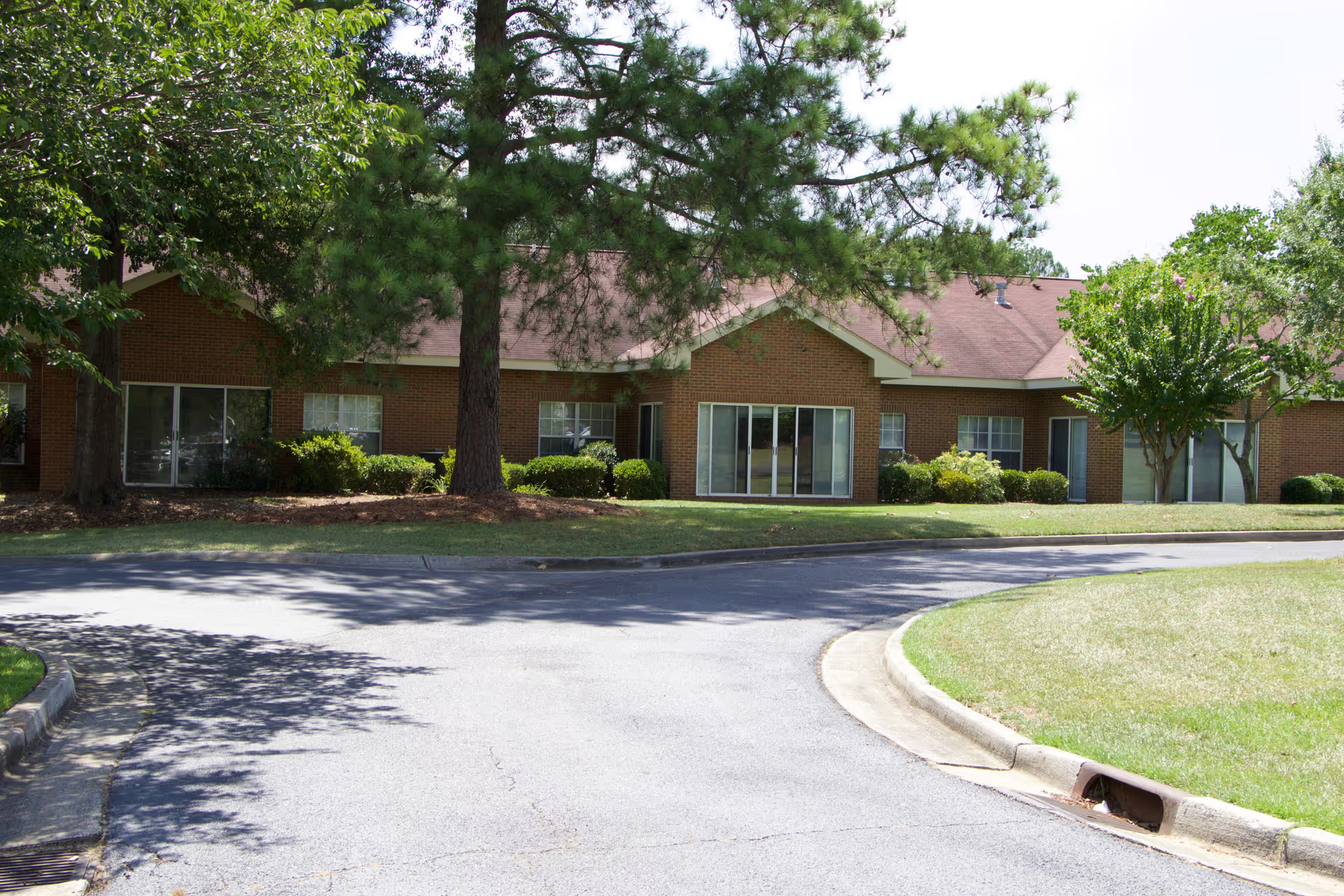
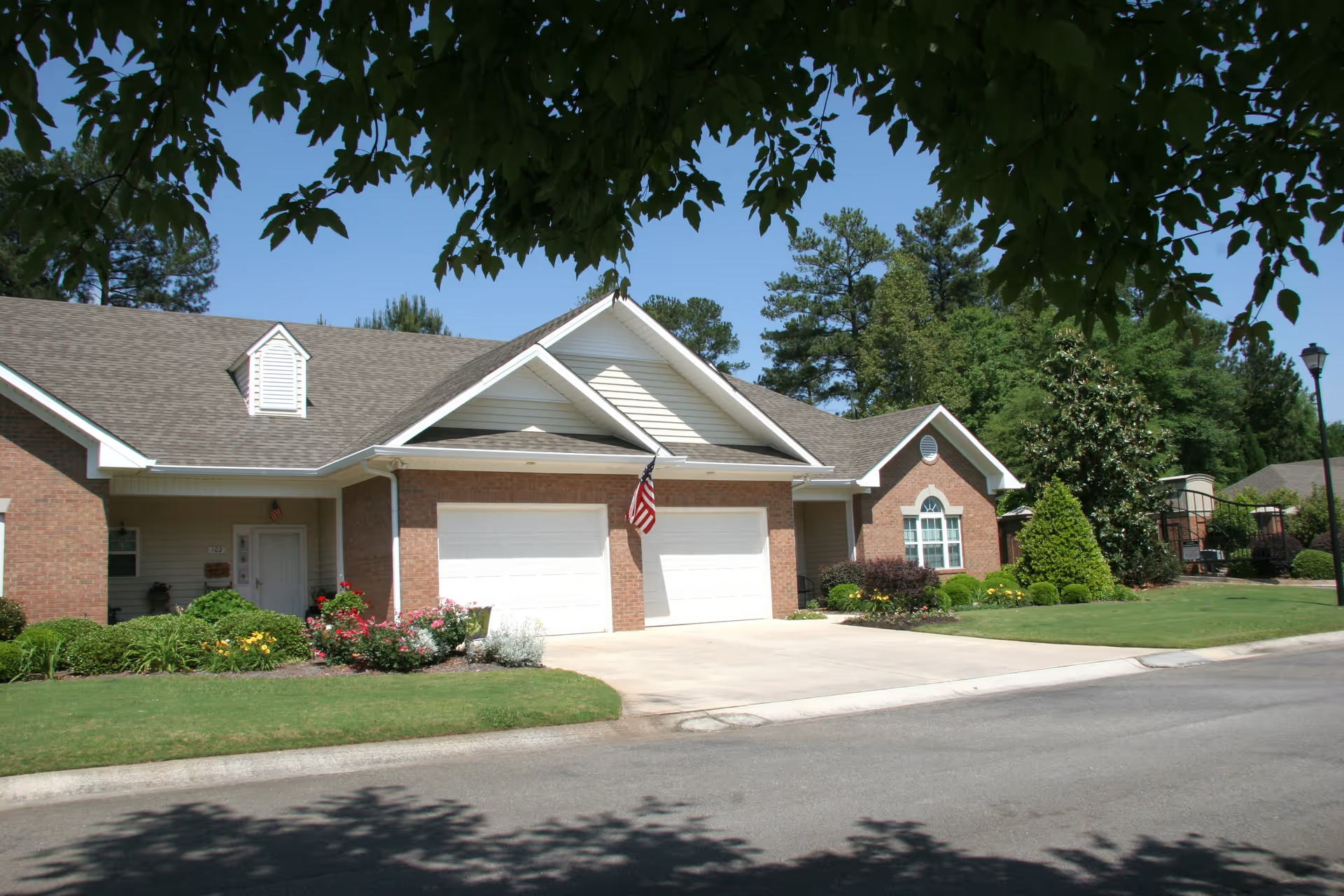
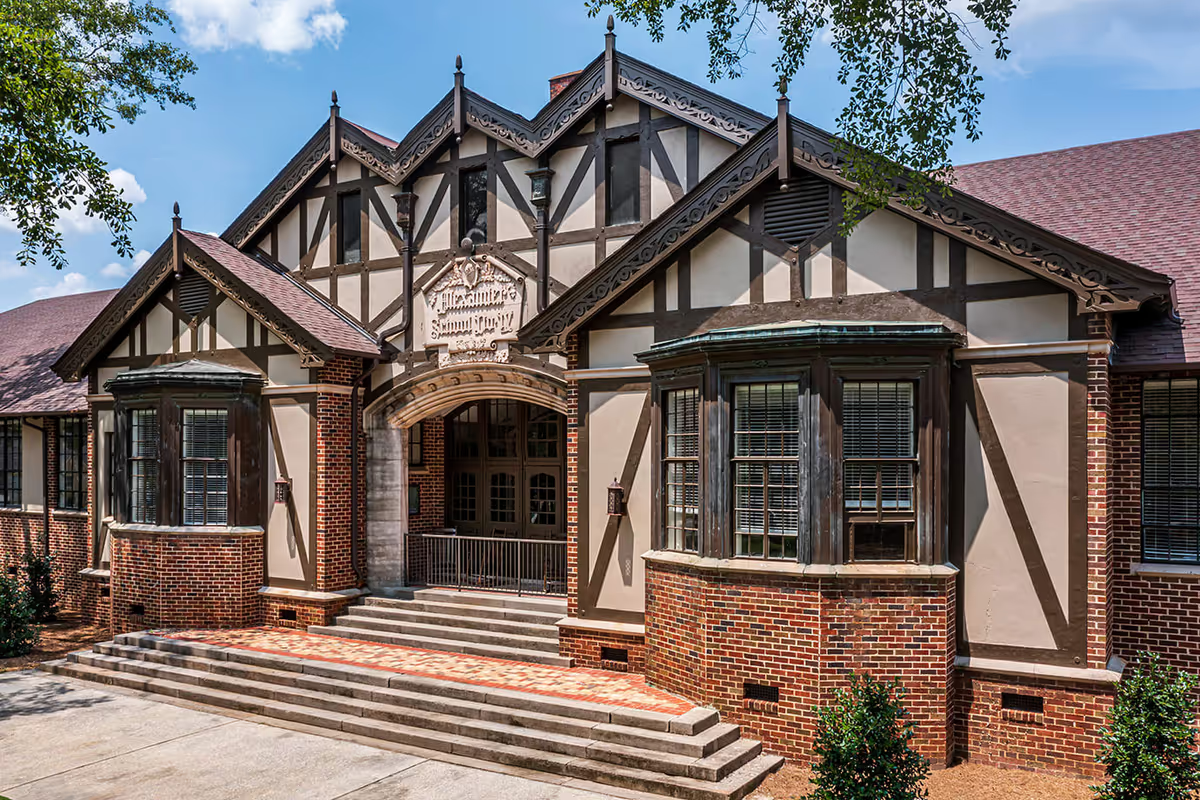
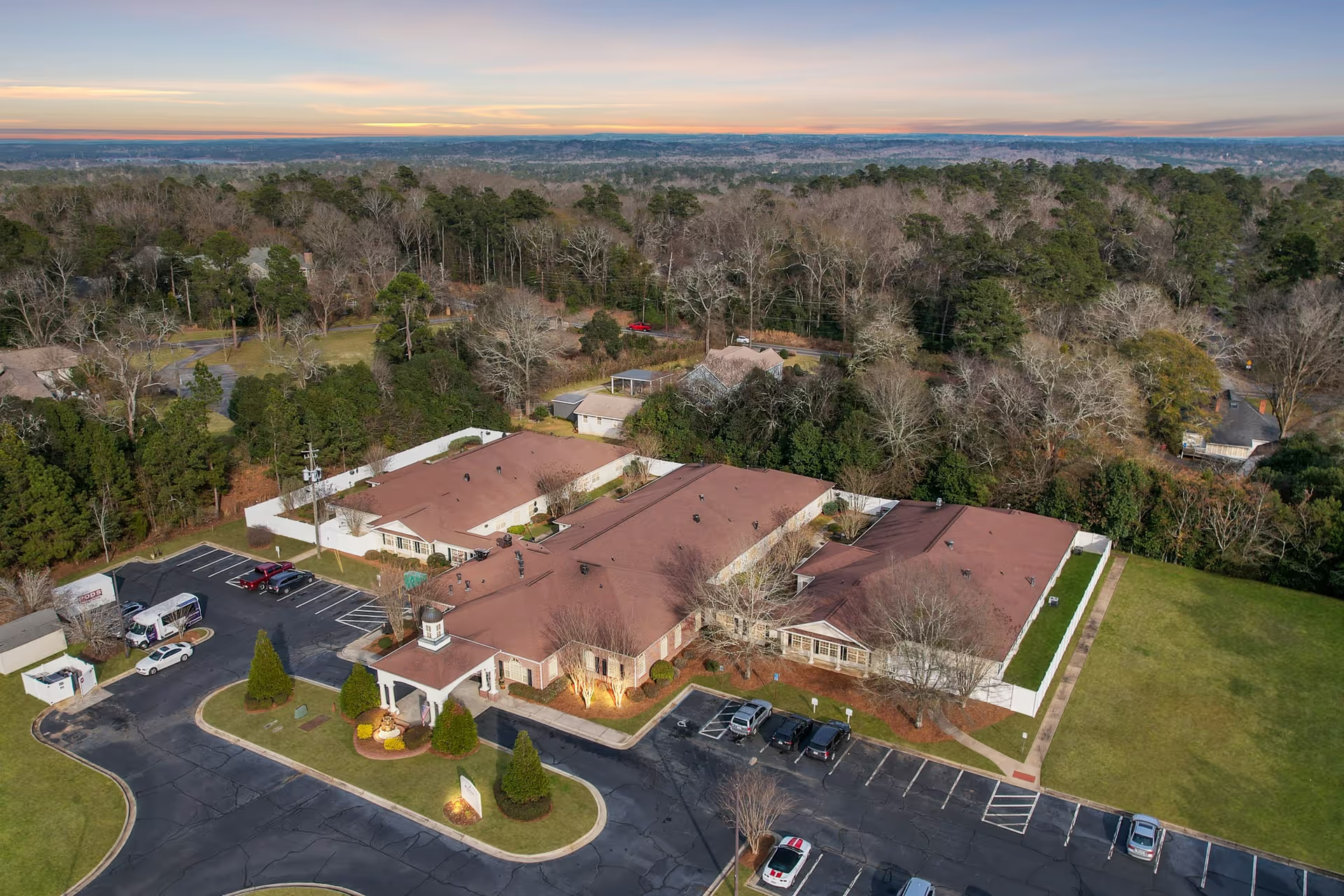
Overview: The Cottages of Milledgeville presents as a well-kept independent-living community with notable strengths in facilities, grounds, and resident culture. Reviewers consistently highlight attractive landscaping, thoughtfully designed cottage floorplans (including sunrooms and spacious living/dining areas), clean common areas, and conveniences such as kitchenettes and included yard/utility services. The campus layout and gated environment are frequently described as comfortable and senior-friendly, supporting a sense of privacy and independence.
Staff and care quality: Staff performance is a recurring positive theme: many reviewers describe courteous, helpful, and attentive employees and managers who contribute to a family-like atmosphere. Several comments cite specific team members who provide responsive assistance and promote resident routines and dietary accommodations. At the same time, there are recurring concerns about inconsistent staffing levels — periods of understaffing are said to lead to variability in service responsiveness. Overall, the community appears oriented toward independence-supporting assistance rather than high-acuity clinical care.
Dining and nutrition: Dining experience is a notably mixed area. The community provides a midday meal and offers dietary accommodations and meal guidance, which some residents value. Conversely, critiques center on inconsistent food quality, repetitive menus, and limited dining options beyond lunch; these dining limitations have been described as affecting resident satisfaction. Prospective residents should evaluate sample menus and meal service routines during a visit, and clarify what meals are included versus those that require resident preparation.
Activities and social life: Social programming and activities are often praised for fostering a close, engaged resident community. Many residents report abundant planned events, active activity staff, and neighborly interaction that support social connection and contentment. There are also comments about activity relevance: some reviewers find programming very engaging, while others describe certain activities as juvenile or not well-matched to participant interests, indicating variability in activity quality and appropriateness.
Management, costs, and transparency: Cost and contractual terms are another area of consistent concern. Reviewers note a premium price point, non-refundable deposits, recurring increases, and additional fees for optional services. Some perceive a mismatch between the community’s luxury branding and the experience or amenities received. Concerns about management transparency appear in areas such as admissions availability, unit showings, and responsiveness to dining and billing complaints. There are also isolated notes about ownership structure and third-party accreditation that suggest prospective residents should request detailed documentation on policies, fee schedules, and oversight.
Location and transportation: The community’s location near shopping, Georgia College, and local churches is a practical advantage for many residents. However, the site is described as car-dependent with limited public-transit options and heavier traffic on adjacent roads; reliance on personal vehicles or on-site transportation is likely necessary for most errands.
Notable patterns and guidance: Strengths center on physical environment, staff warmth, and a socially active resident culture. Recurrent weaknesses focus on dining quality and variety, pricing/fee transparency, variable staffing levels, and occasional gaps in management communication. Prospective residents and families should schedule an extended tour that includes seeing available units, sampling meals, reviewing the contract and fee schedule, asking about staffing ratios and activity planning, and confirming transportation options and accreditation documentation to ensure the community aligns with expectations and needs.