PruittHealth - Fairburn elicits strongly polarized impressions. The facility's rehabilitation services are consistently identified as a primary strength: onsite physical and occupational therapy resources, a focus on stroke and balance work, and well-equipped therapy areas earned repeated praise. Several reviewers credited therapy with measurable clinical improvement and timely post-stroke turnaround. Complementing the therapy program, many families and residents described individual caregivers—nurses, CNAs, and select leaders—as compassionate, attentive, and effective, and specific clinical services (for example wound care) were noted positively.
At the same time, a number of operational patterns stand out as recurrent concerns. Chronic understaffing and shift-to-shift variability were mentioned frequently and are associated with slow response times to resident requests, inconsistent assistance with activities of daily living, and limited overnight coverage. These staffing gaps have downstream effects on medication timing, therapy participation, and routine services. Several reviewers described medication-administration and scheduling inconsistencies that interfered with therapy effectiveness and daily routines.
Sanitation and incontinence-care were raised as areas needing improvement; reviewers described odor concerns, linen management problems, and delays in personal-care assistance. Housekeeping and room cleanliness appear uneven across units. Dining experiences were mixed: some families praised home-style meals and a helpful cafeteria manager, while others reported missed or unappetizing meals and cold food service, indicating variability in meal-service continuity.
Communication and administrative processes present another clear pattern. Families cited gaps in proactive updates, difficulty reaching staff by phone, and room-level communication limitations (rooms without phones or ineffective nurse-call coverage). Discharge planning and transportation coordination for outpatient treatments or hospital pickups were described as unreliable in some cases. Financial transparency also emerged as a concern, with mentions of unclear daily charges and disputed discharge-related billing items.
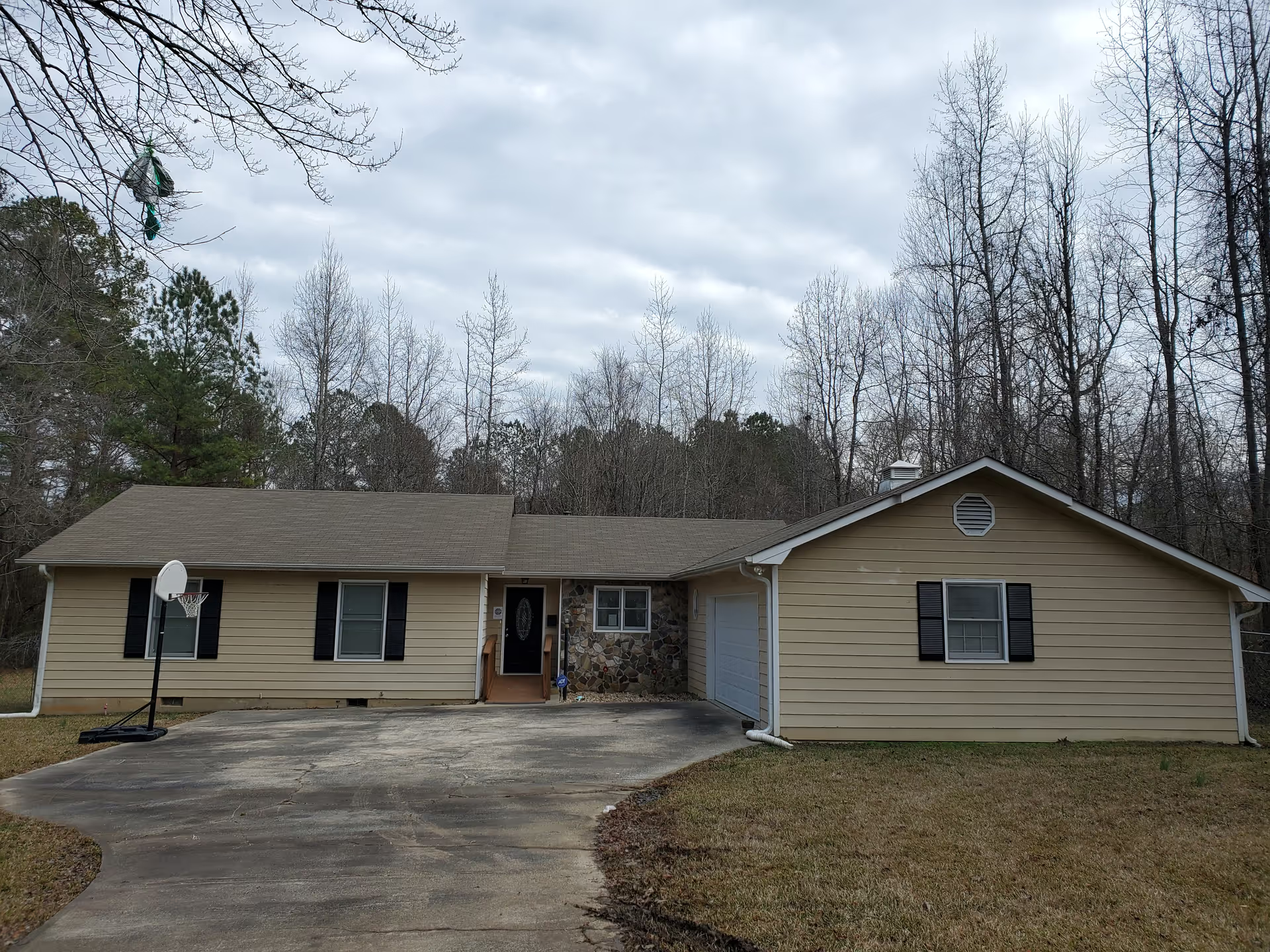
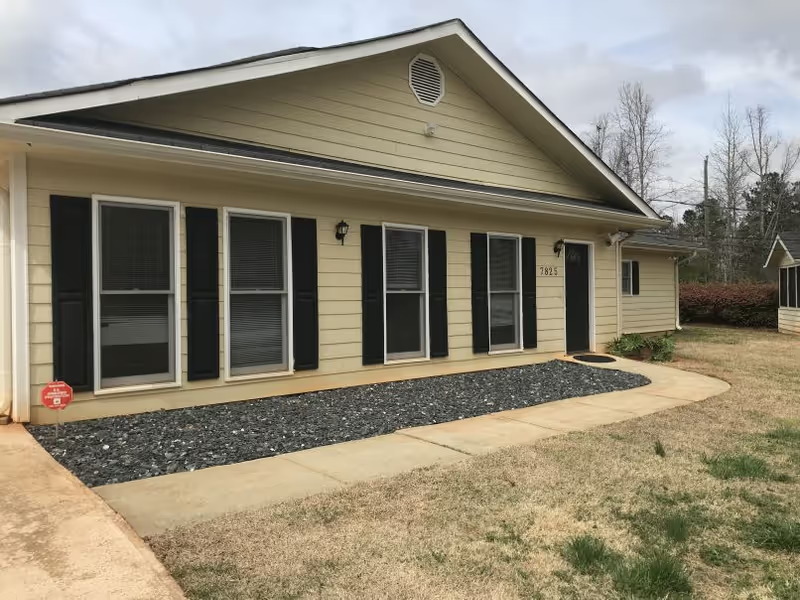
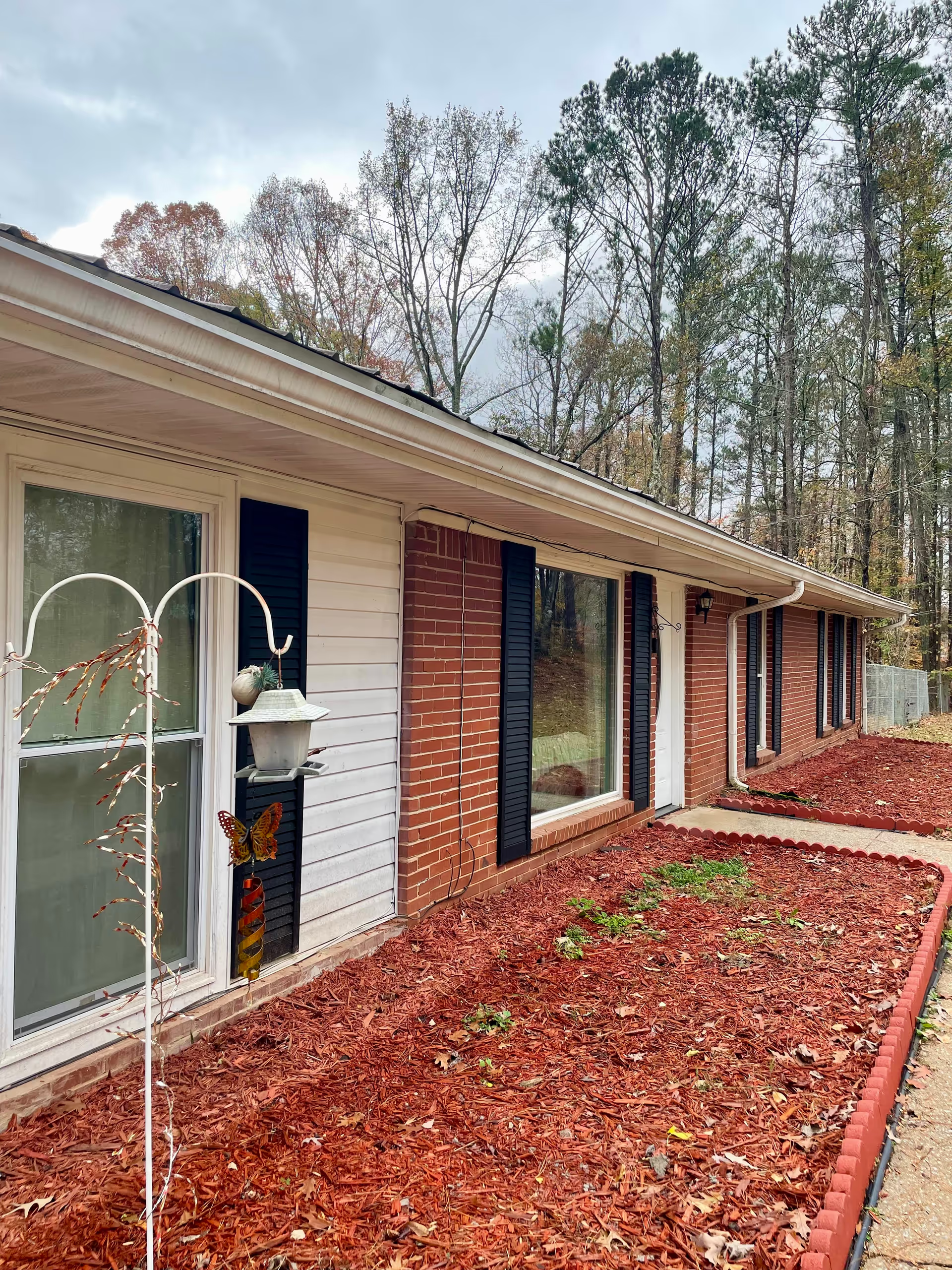
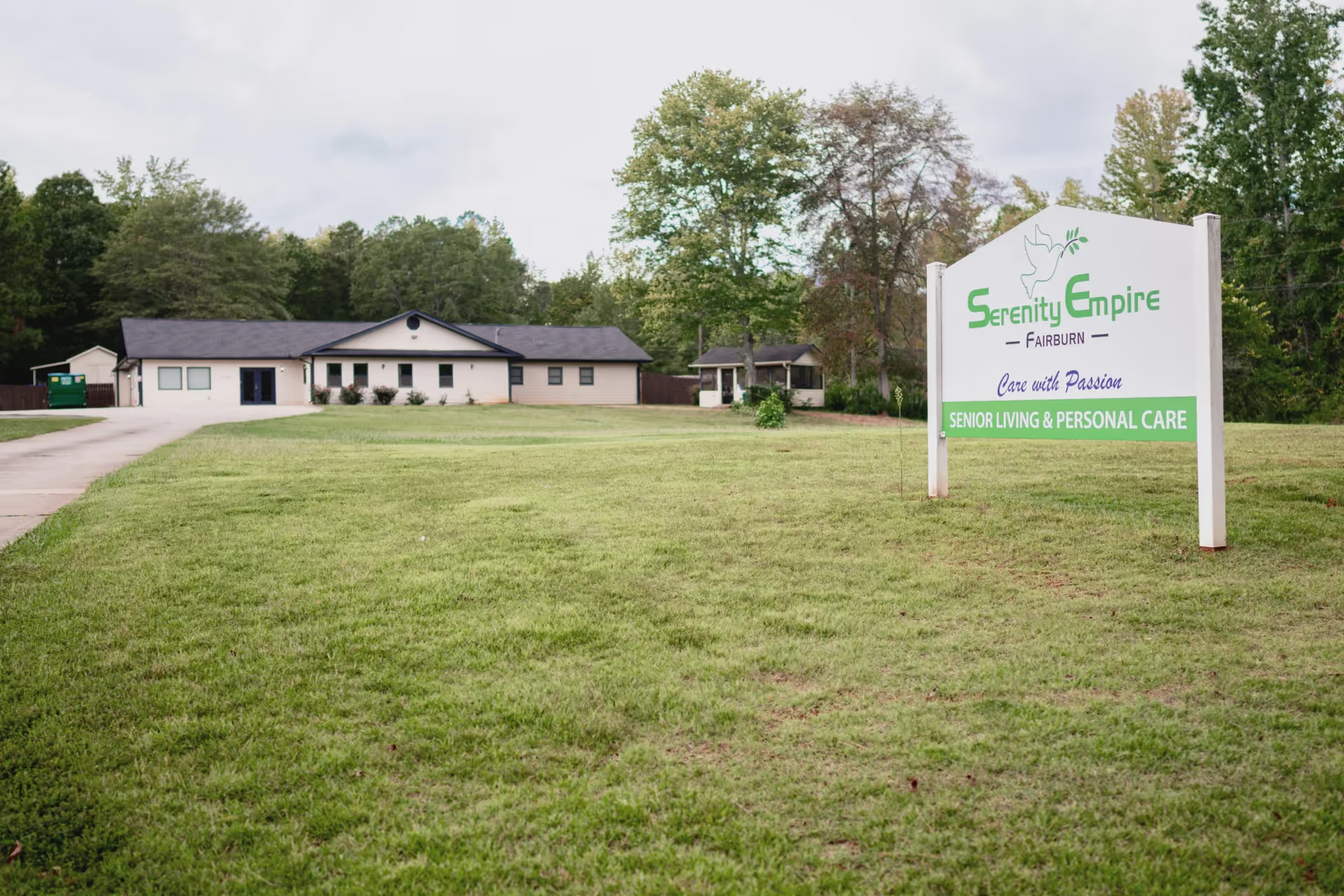
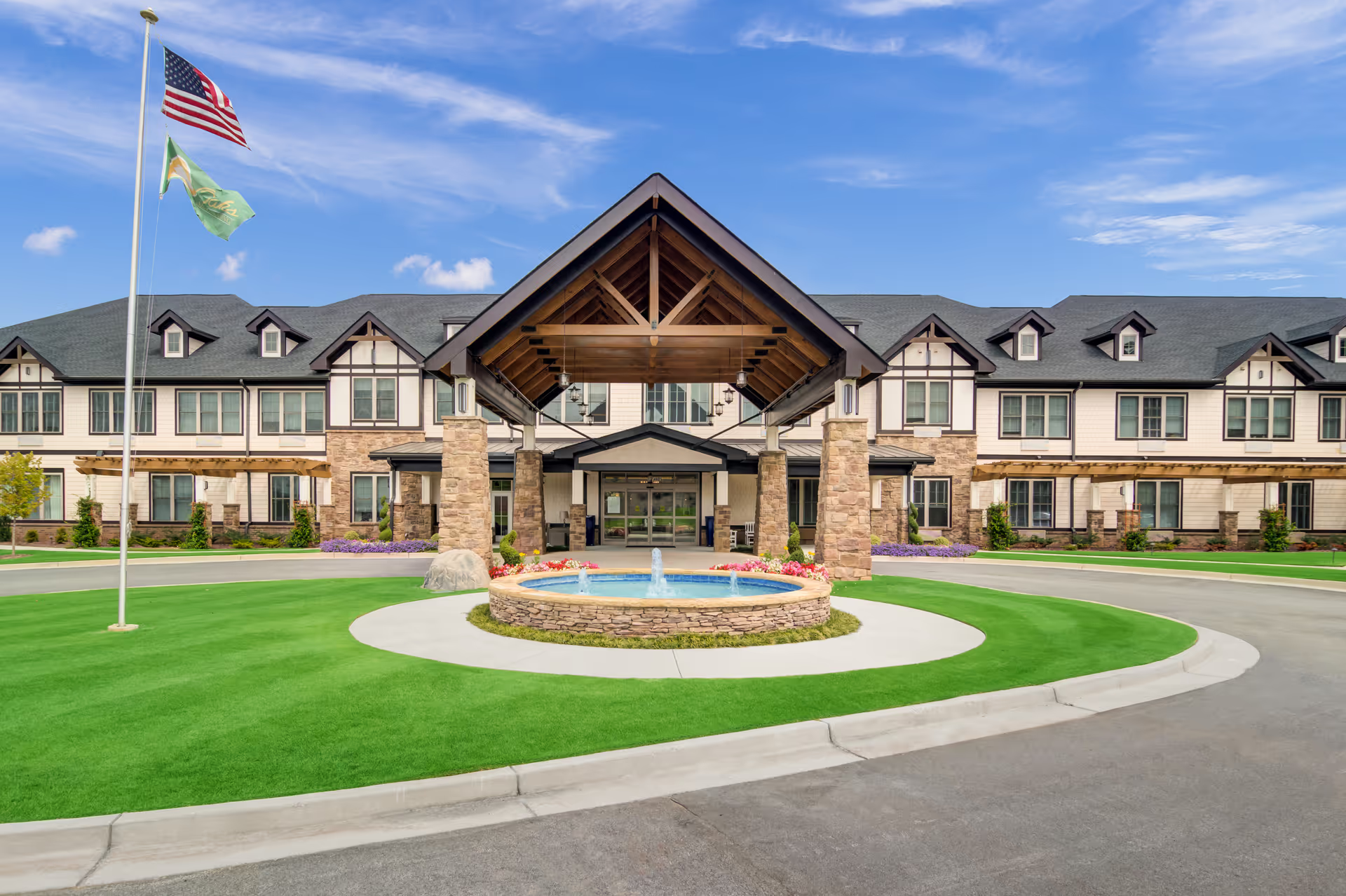
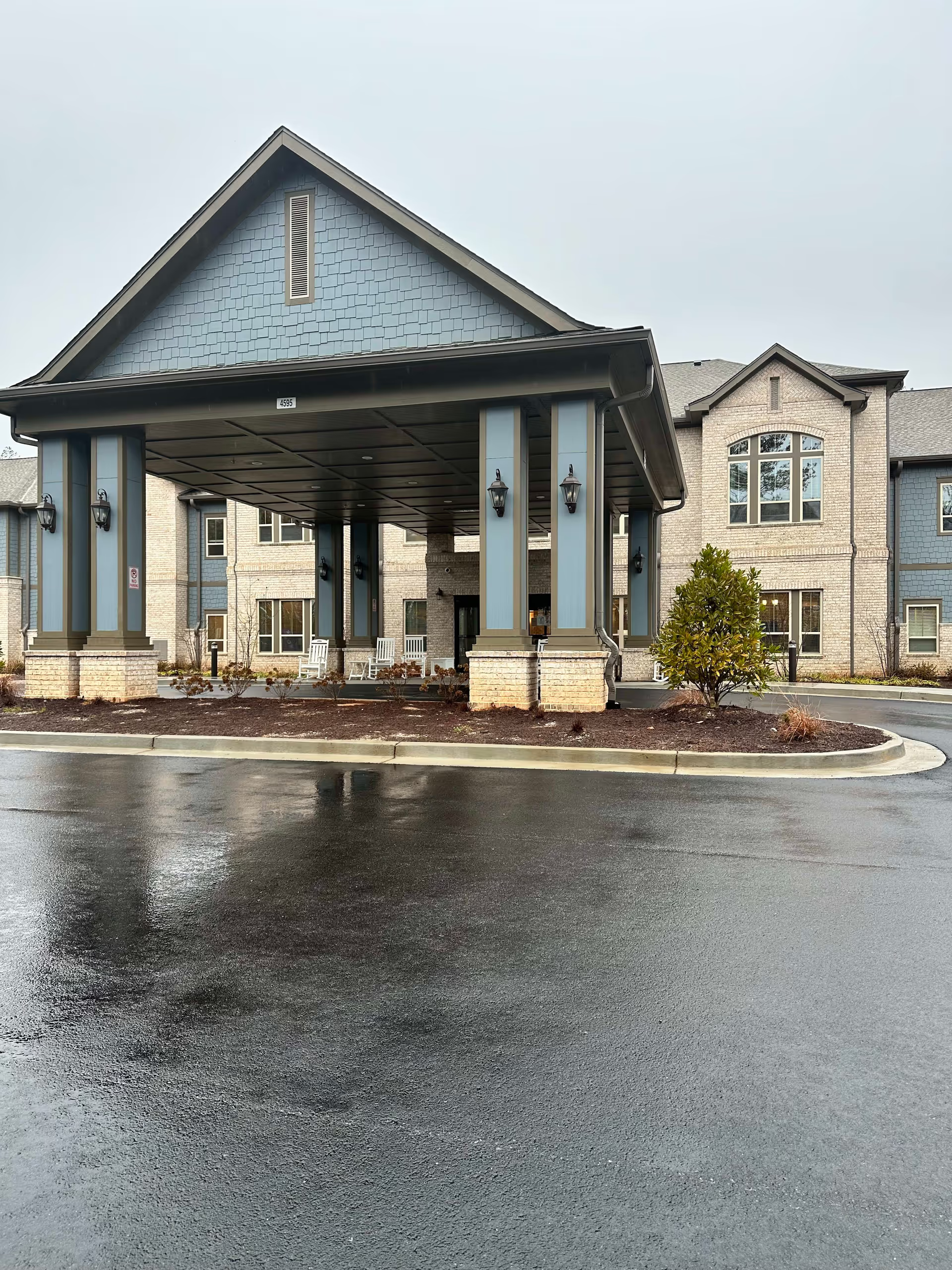
Facility physical characteristics and programming create a modestly favorable environment for some residents: reviewers noted quiet hallways, uncluttered circulation, pleasant public spaces, and engaging activities such as arts and crafts, games, and movies, which contribute to a small, home-like feel. Conversely, other reviewers described an older building and uneven upkeep in certain areas. Management impressions are mixed: some families commended responsive administrators, a supportive director of nursing, and improvements in care quality over time; others experienced poor communication or perceived a lack of empathy from specific staff members.
Overall, the pattern is one of strong rehabilitation and pockets of high-quality nursing care coexisting with systemic operational weaknesses—most notably staffing instability, communication shortfalls, cleanliness and incontinence-care variability, and billing/administrative transparency issues. Prospective residents and families should prioritize an in-person tour that probes staffing levels on different shifts, nurse-call and room communication capabilities, meal-service procedures, medication-scheduling protocols, discharge and transport processes, and recent regulatory or quality-improvement actions. Engaging directly with therapy leaders and the nursing management team during the visit can help validate the facility's rehab strengths and clarify any operational risks that were raised in reviews.