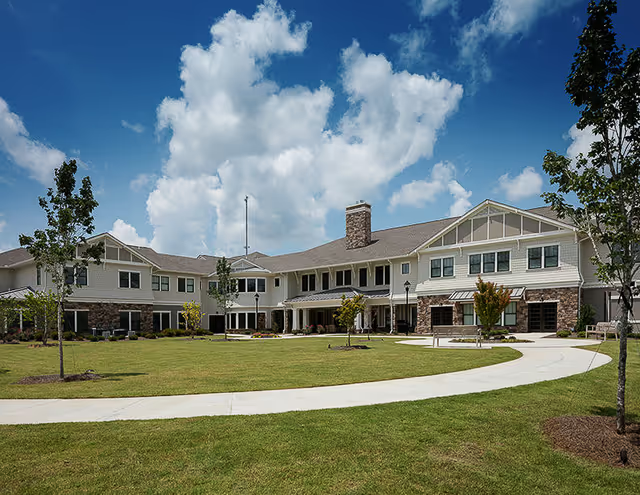
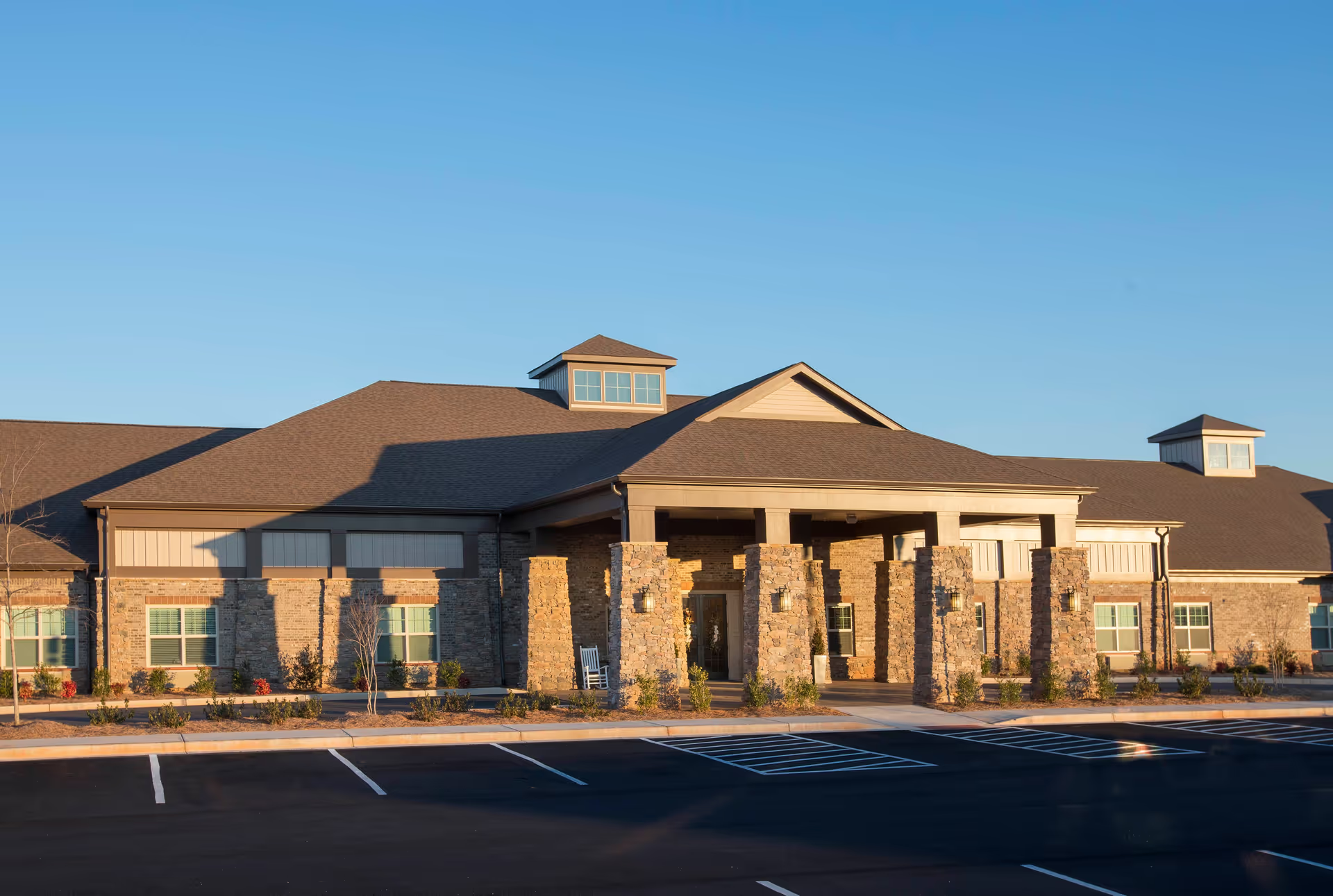
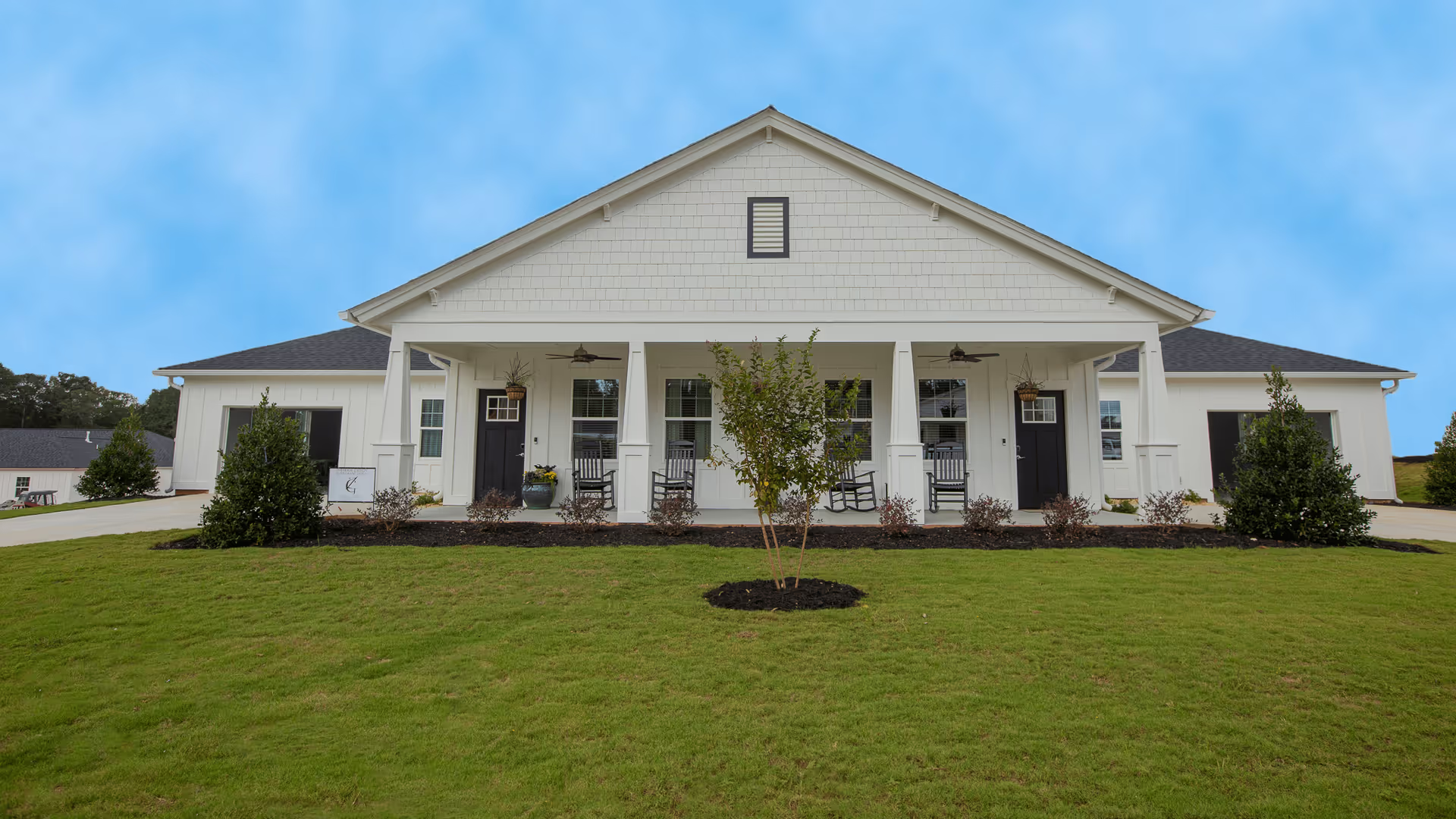
The review set shows a polarized but informative picture of The Haven at Lake Oconee. Many families and residents describe positive daily experiences characterized by compassionate caregiving, quick emergency response, clean and spacious accommodations, and a family-like atmosphere. Independent living units and assisted-living sections are frequently praised for privacy (private rooms, walk-in closets, independent villas), a quiet location, and a strong sense of community. Facility amenities and some staff members receive consistently favorable comments, and management has been credited in several accounts for addressing maintenance items and planning upgrades (carpet and HVAC replacements).
Care and staffing are recurring themes with mixed signals. On the positive side, reviewers highlight attentive and caring staff, timely pendant responses, and individualized attention that gave families peace of mind. Conversely, there are repeated operational concerns about inconsistent staffing levels, high turnover among leadership and nursing, and times when direct-care availability was limited. These staffing fluctuations are associated in some accounts with delays in responding to resident needs and uneven consistency of care across shifts and units.
Dining and culinary services also produce mixed impressions. Multiple reviewers describe varied, well-prepared meals and balanced offerings, while others raise concerns about food quality and kitchen sanitation. Special-diet accommodation is noted as a current focus for improvement. The contrast suggests that meal experience may depend on timing, resident unit, or recent management changes; families should confirm current menus, special-diet protocols, and kitchen oversight during a visit.
Activity programming ranges from engaging and varied to underactive, depending on the reviewer. Several residents report strong, participatory programming and social opportunities; others describe limited craft options or activities that are not accessible to residents with certain disabilities. Prospective residents with higher activity expectations or mobility limitations should review the weekly schedule and observe program participation at different times of day.
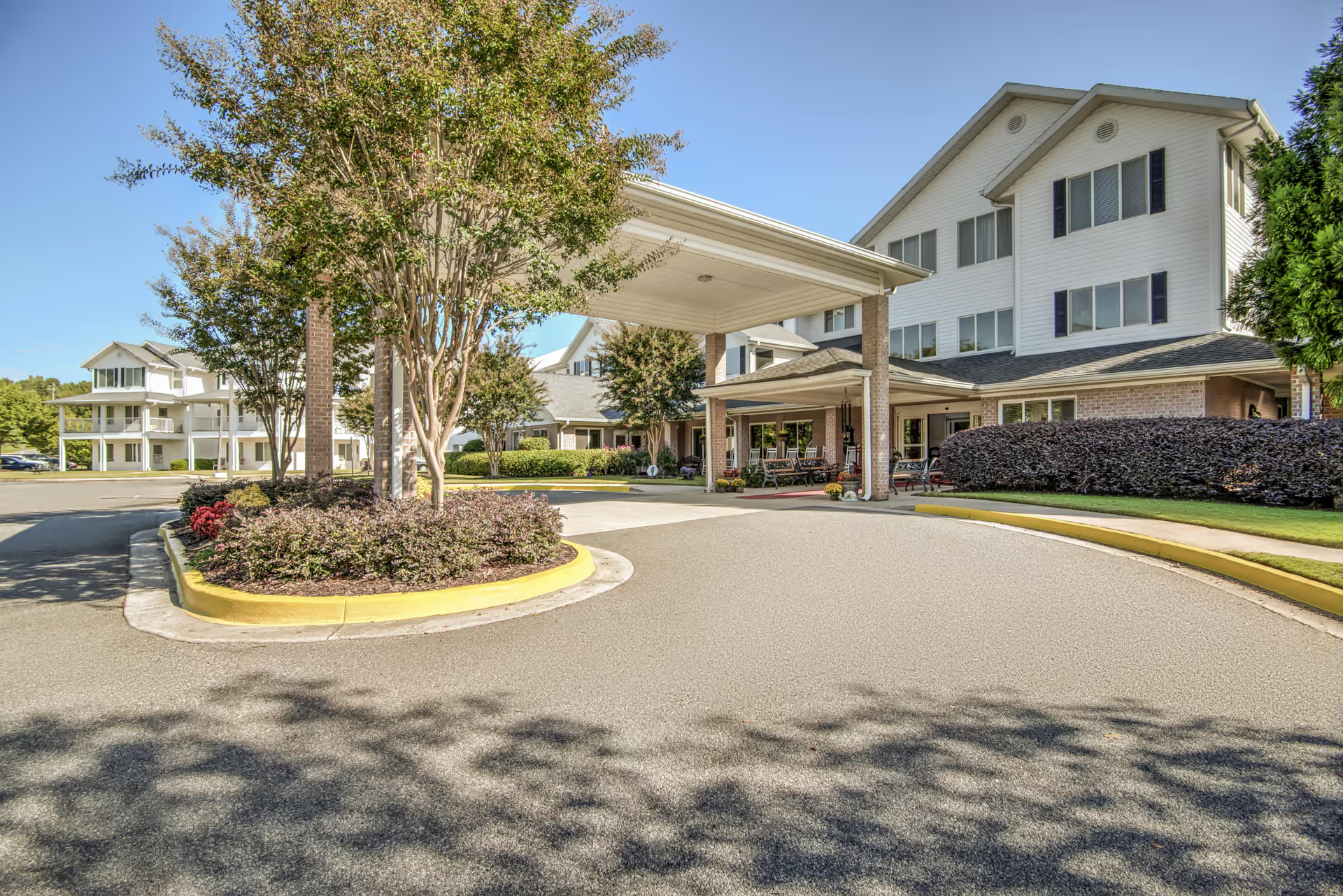
Facility condition and maintenance feedback is similarly mixed. Many comments commend a generally clean, well-kept environment and prompt attention to maintenance requests. At the same time, some reviewers cite sanitation concerns in specific areas and minor upkeep issues (lighting, fan covers) that suggest uneven maintenance follow-through. Planned capital improvements indicate management awareness of physical-plant needs, but families should inquire about timelines and recent inspection results.
Management and communication present another area of variability. Several families compliment responsive leadership that addresses concerns quickly; others describe management instability, budget-driven decisions, and communication shortfalls. A few reviewers also characterize pre-admission interactions as overly aggressive. These patterns point to the importance of assessing leadership continuity, staff retention efforts, and communication practices before committing.
Overall, The Haven at Lake Oconee appears to deliver strong positives for many residents—particularly in independent and assisted living settings—while exhibiting operational vulnerabilities that have affected other residents’ experiences. Prospective residents and families would benefit from an in-person tour at varied times, direct questions about current staffing levels and turnover, verification of sanitation and kitchen oversight, review of activity accessibility, and clarification of how memory-support services are organized and staffed.