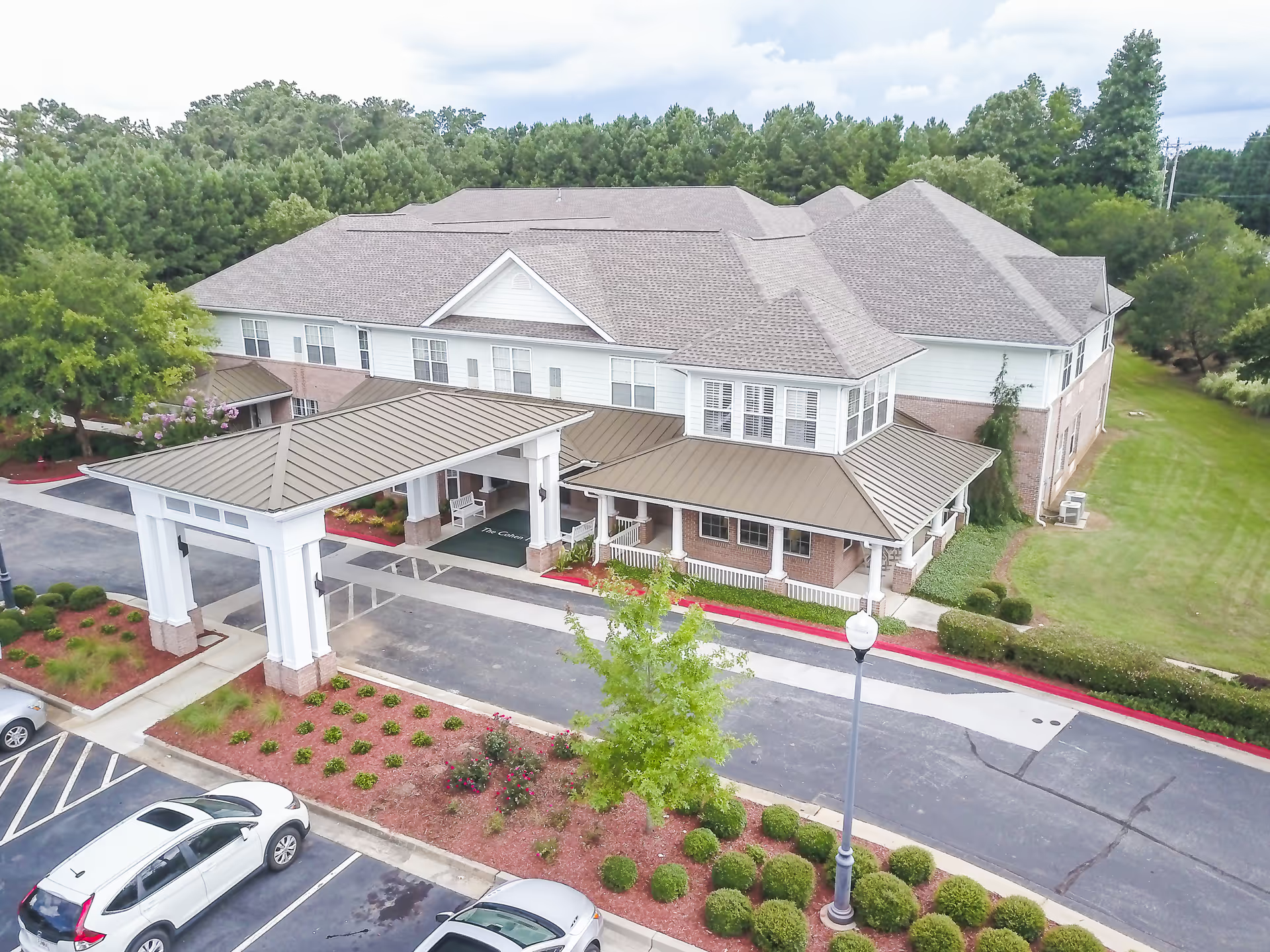
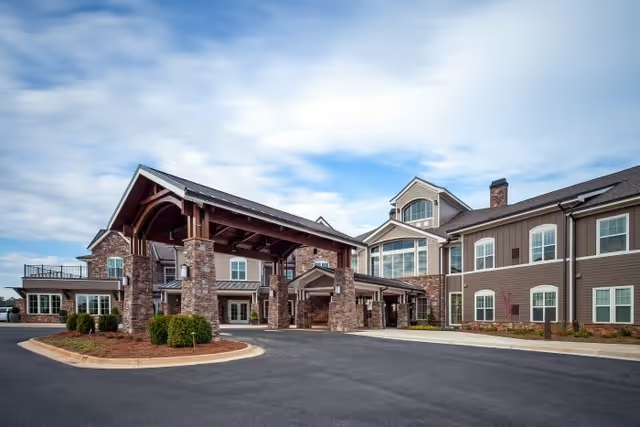
Alto Johns Creek is presented by many reviewers as a new, well‑designed assisted living and memory care community with several clear strengths alongside operational shortcomings associated with its opening phase. The facility's physical environment, including modern interiors, well-appointed resident rooms, large showers, garden views and amenity spaces, receives consistent positive mention. Families and observers describe an emphasis on resident choice, relationship-oriented care, and a visible focus on quality of life that shapes programming and day‑to‑day activity offerings.
Care and staff: A substantial portion of feedback highlights compassionate, relationship-driven caregiving. Memory-care programming is described as thriving by some families, and several accounts note helpful guidance and coordination during hospital discharges and placement transitions. Positive impressions also extend to particular staff members and leadership involved in opening the community, who are credited with training and establishing care routines. At the same time, other families raised concerns about the tone and professionalism of some front‑line employees, describing abrupt or dismissive interactions and inconsistent responsiveness to questions.
Dining and activities: Reviewers generally praise the food quality and the breadth of programming. The calendar of activities, access to games and large‑screen TVs, and organized social opportunities are cited as contributors to resident engagement. These elements, combined with community involvement efforts, support a lifestyle orientation that many families found appealing.
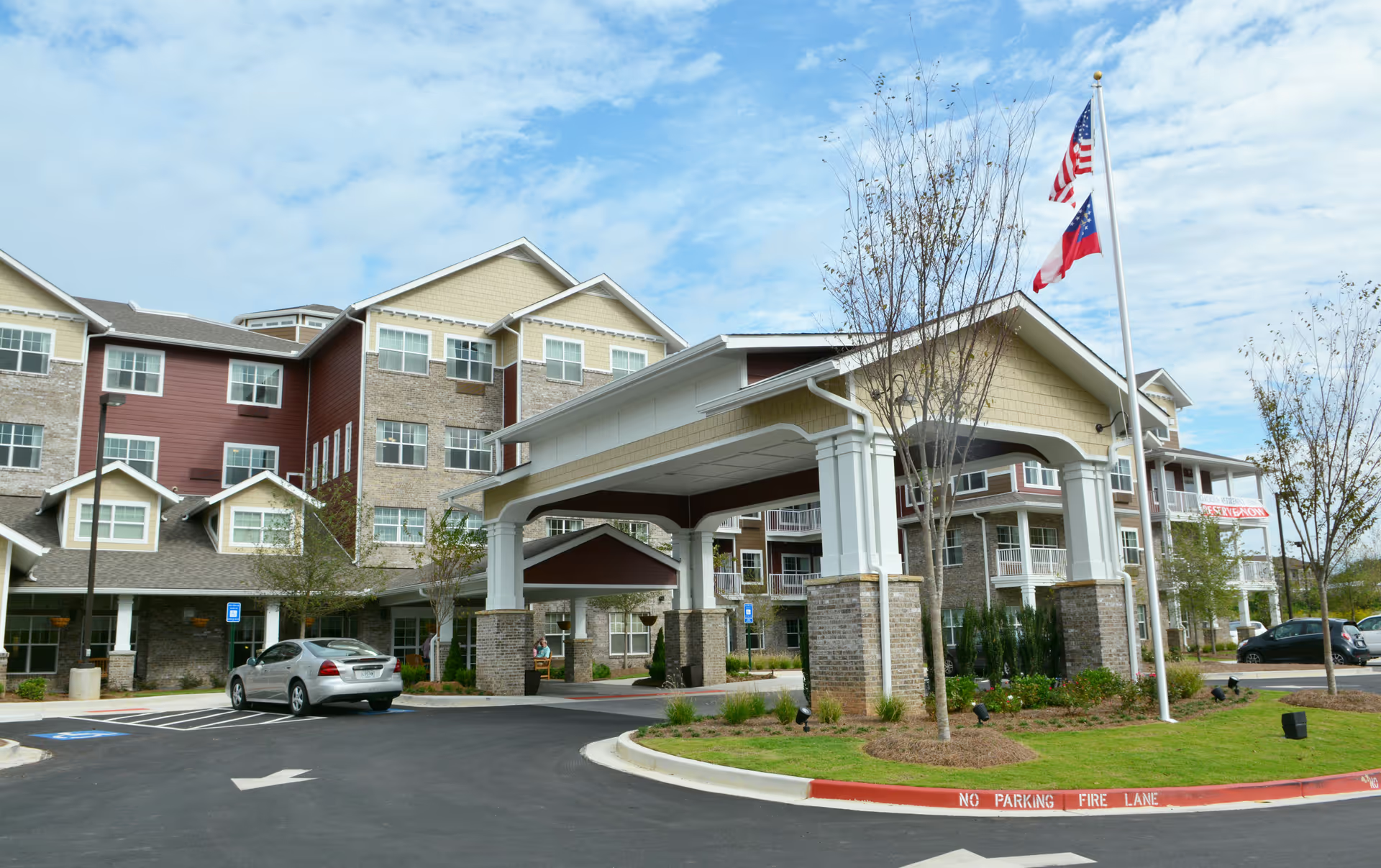
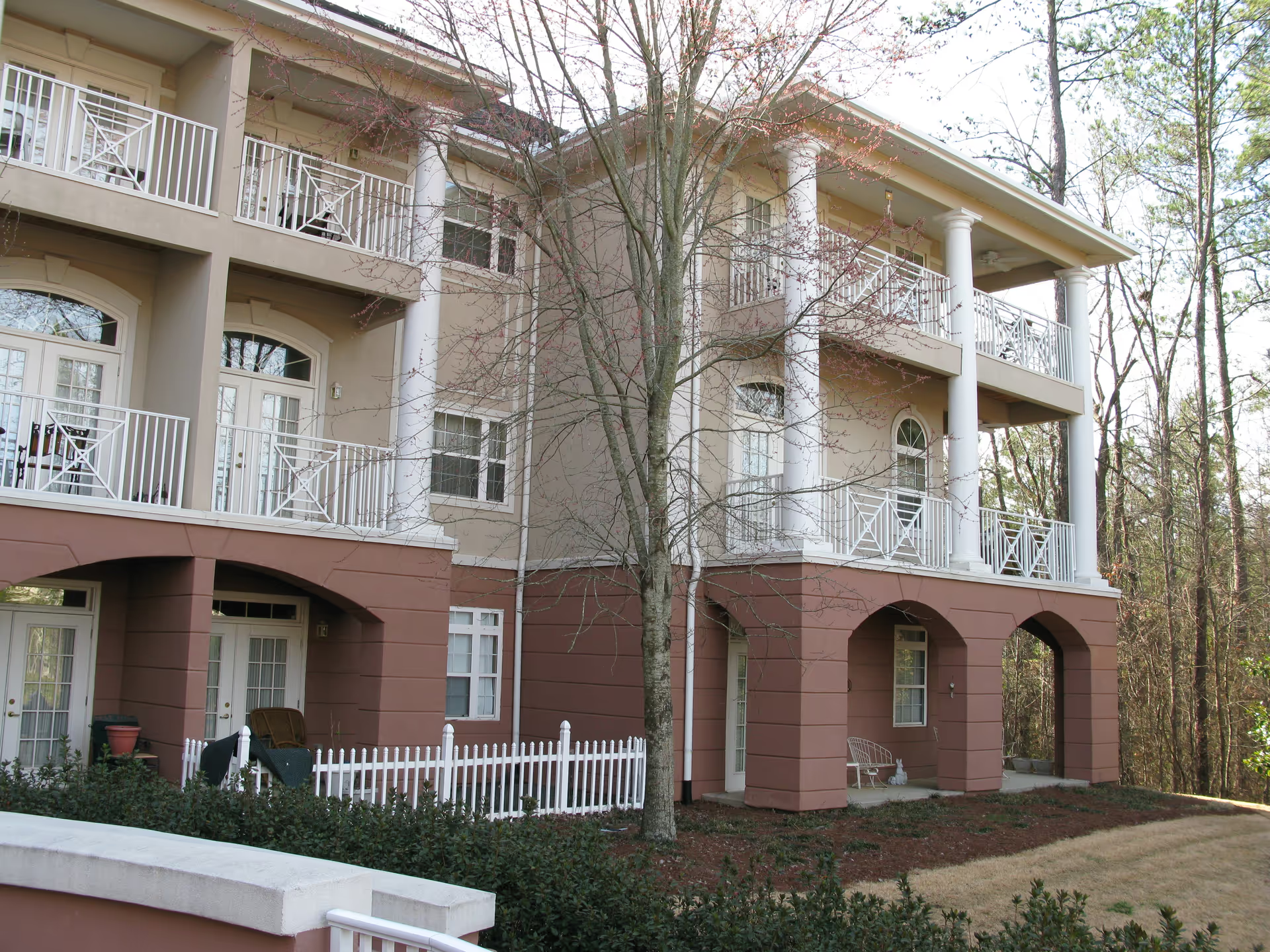
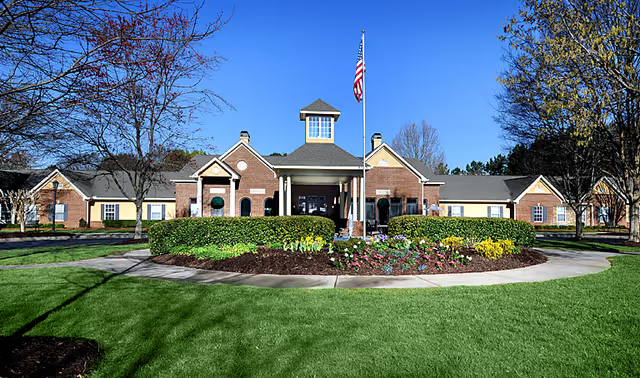
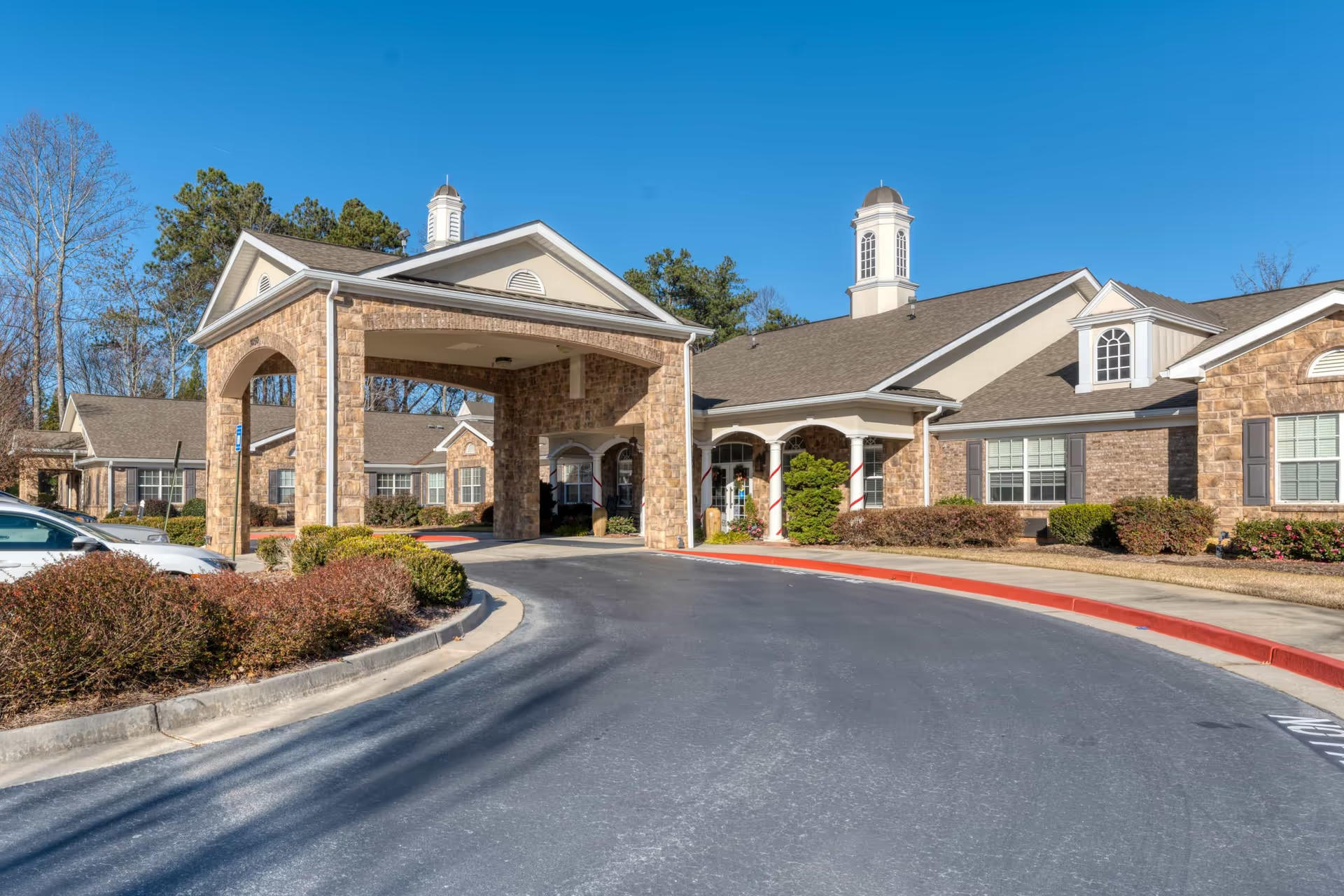
Facilities and cleanliness: The community’s new construction, clean common areas, and thoughtfully designed resident rooms are frequent positives. Photos and first impressions convey an attractive, comfortable environment with amenities intended for independent and assisted residents alike. However, construction activity and unfinished areas during the opening created operational limits on move‑ins and program availability in some accounts.
Management and operations: The largest area of divergence in the reviews concerns management, admissions readiness, and communication. Several commenters described construction delays, postponed openings, and inconsistent information about availability. Sales and admissions staff were characterized in some accounts as unresponsive or slow to follow up, sometimes leaving families uncertain about next steps. Other operational concerns include variable staffing levels, low initial census affecting social dynamics, unattended front desk periods or long wait times for visitor assistance, and limited visible management presence on the care floor. Together these issues produced a perception among some families of a mismatch between marketing/promises and current operational capability during the early months.
Notable patterns and recommendations: Overall impressions are polarized—many families are enthusiastic about the facility’s design, activities, and caring staff, while a number of others advise caution because of pre‑opening disruptions, communication gaps, and inconsistent staffing or professionalism. Prospective residents and families should verify current staffing ratios, management structure, and recent admissions history; request an in‑person tour to assess floor presence and front‑desk procedures; and ask for specifics about move‑in timelines, contingency plans for construction impacts, and examples of how the community addresses communication and responsiveness. These checks will help reconcile the facility’s clear environmental and programmatic strengths with the operational growing pains described during its opening phase.