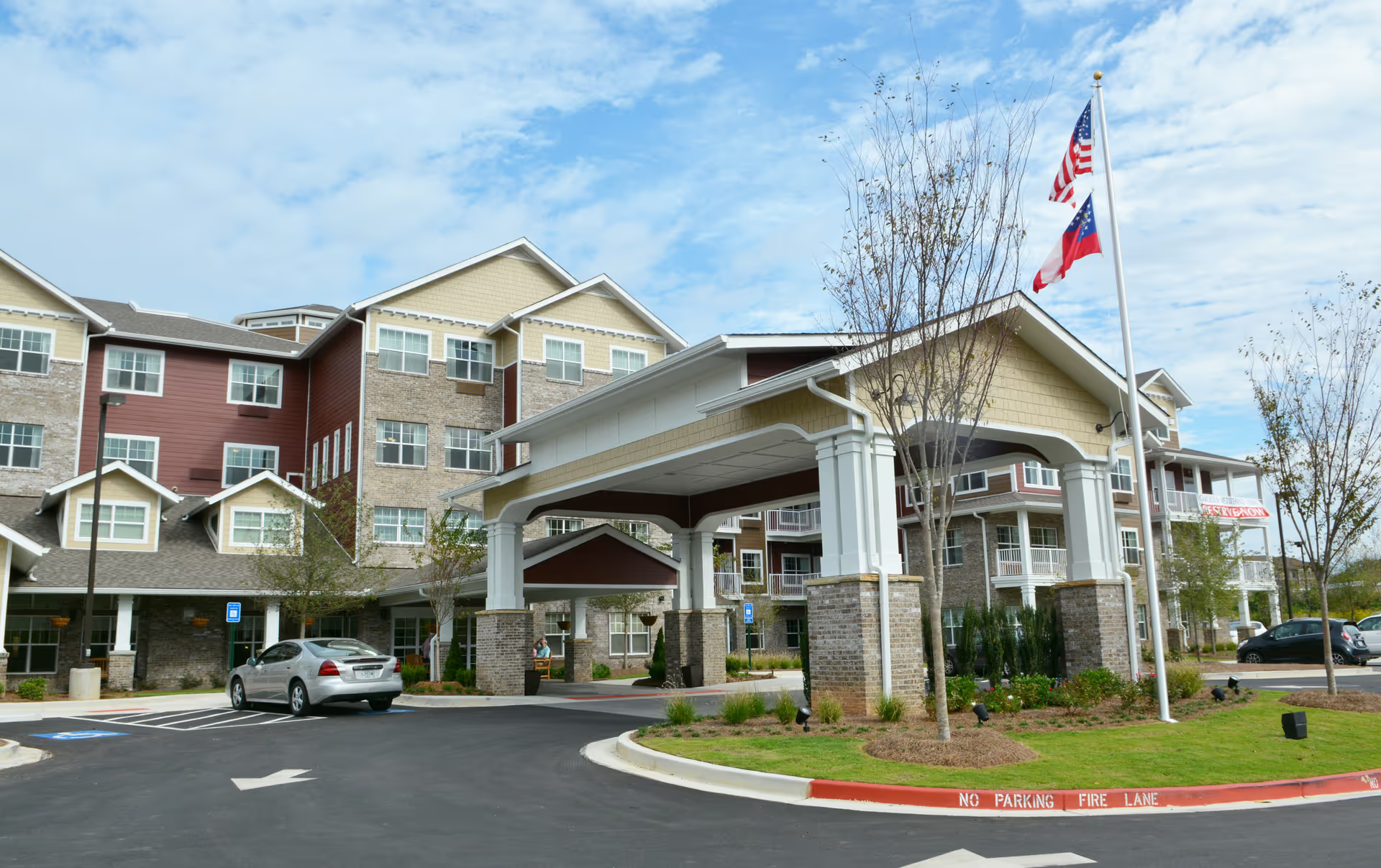
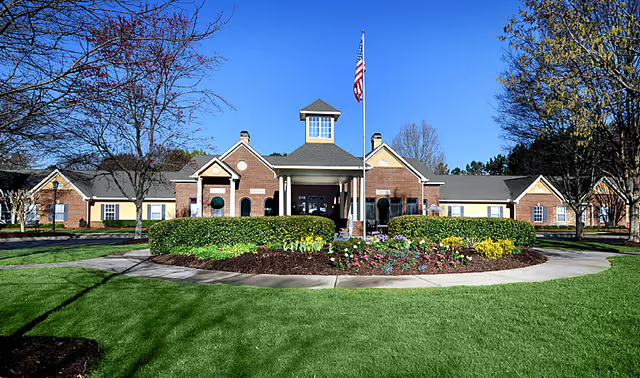
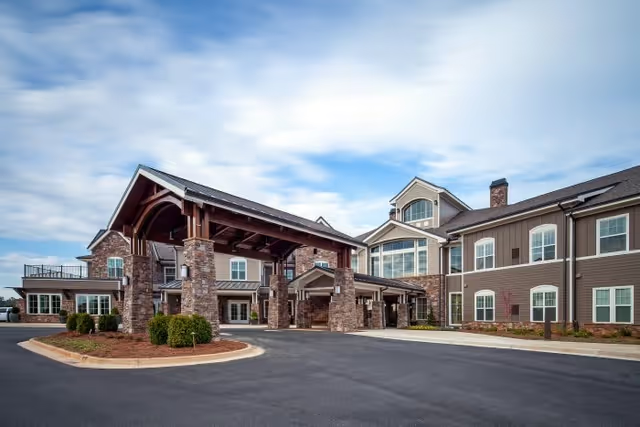
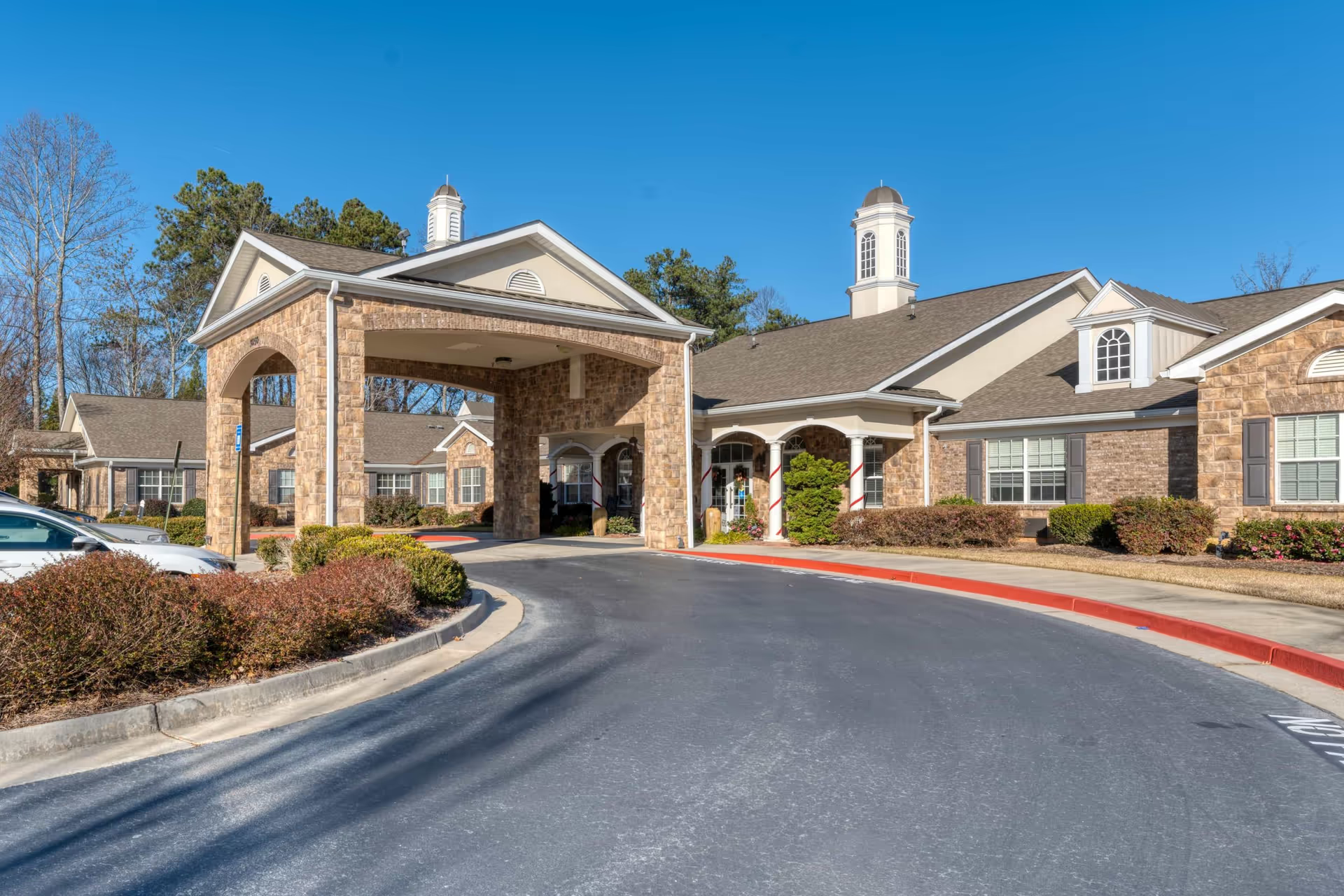
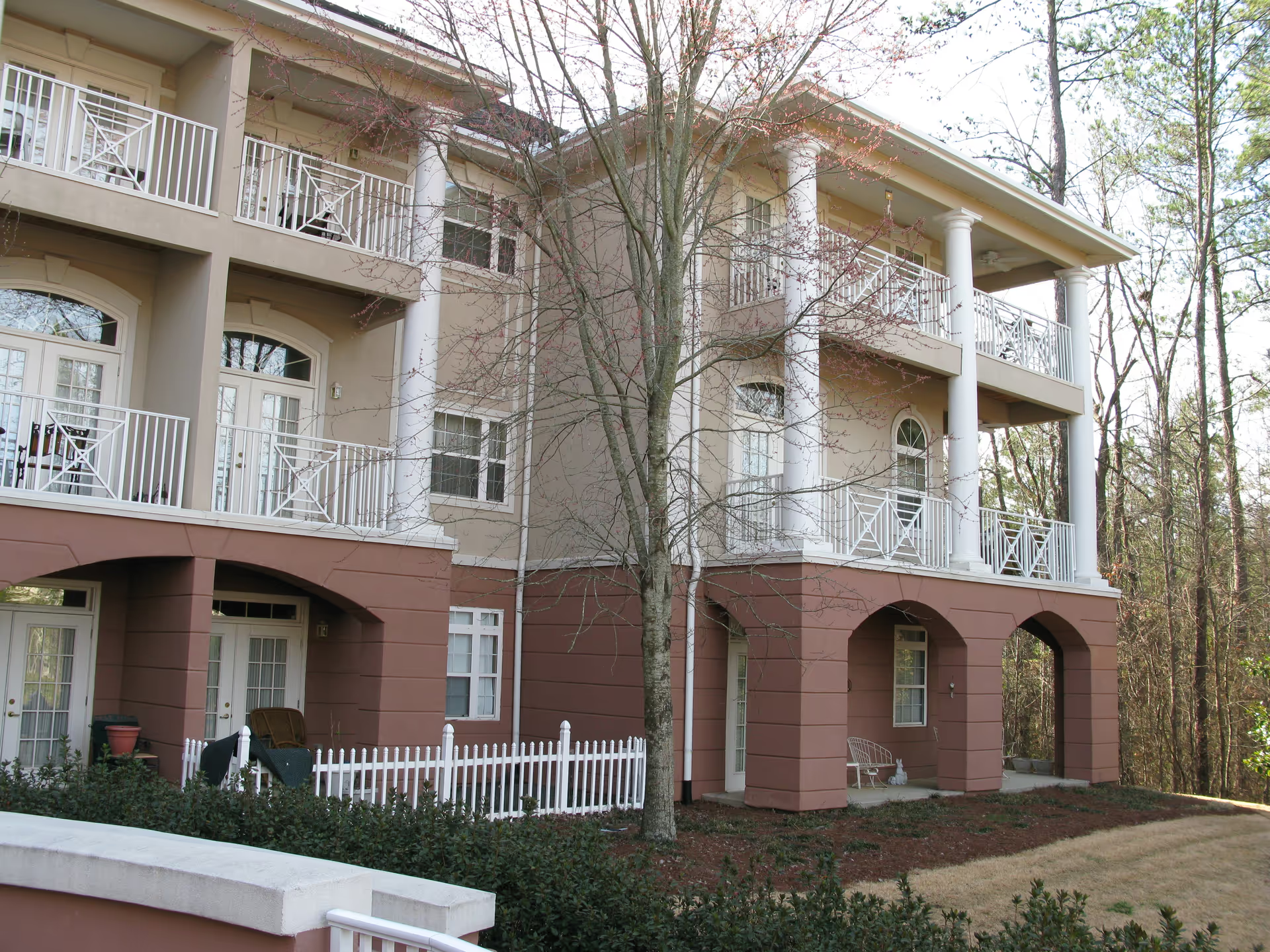
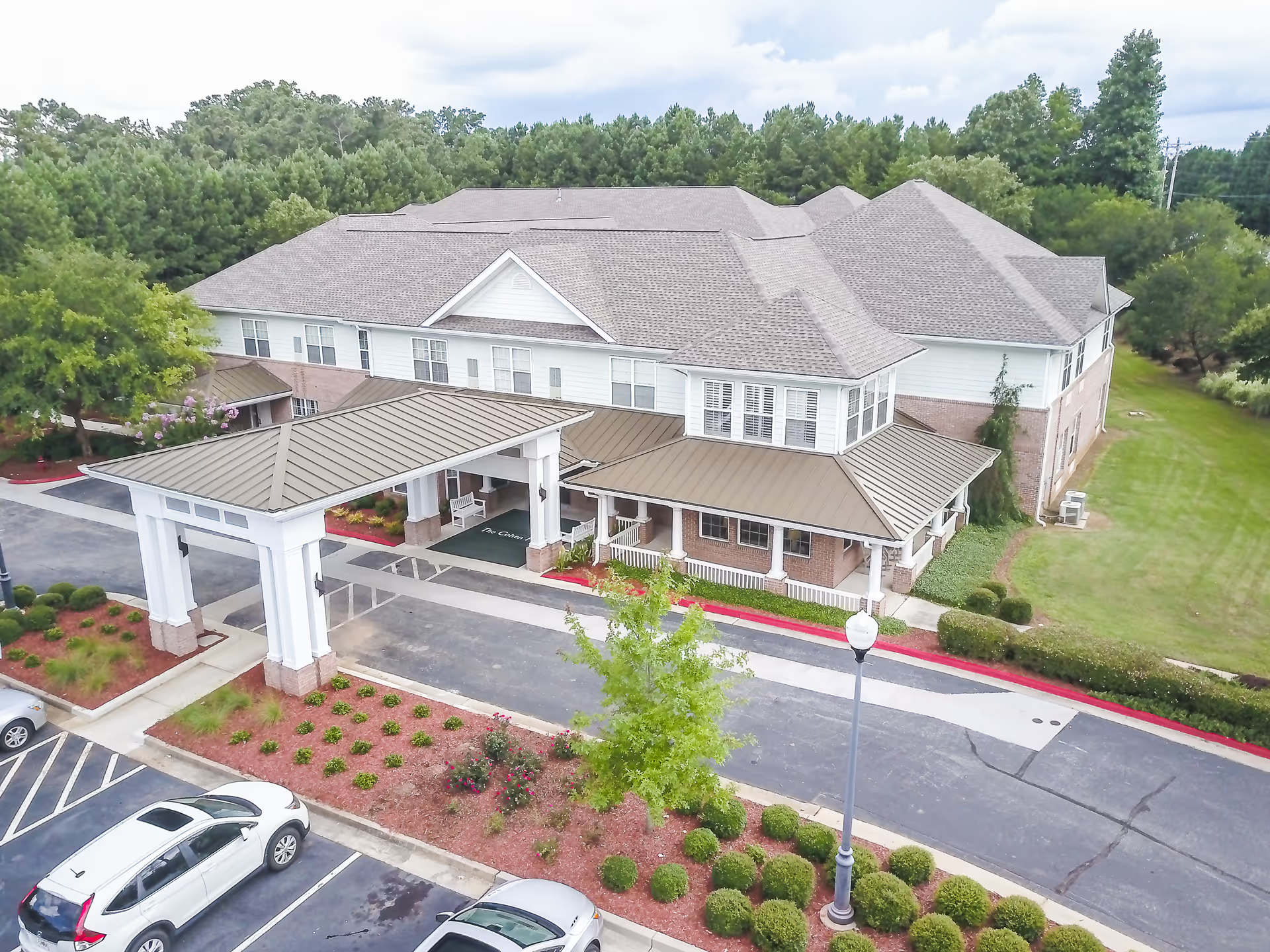
Sunrise of Johns Creek presents as a well-kept, attractive senior living community with many standard amenities and a robust social program. Multiple reviewers praised the facility’s cleanliness, landscaped grounds, bright apartments, terraces and walking paths. Shared spaces such as dining rooms, gathering rooms and therapy/exercise areas are frequently described as pleasant and useful. The community offers a range of apartment floor plans, in-room kitchenettes, accessible bathroom features (walk-in showers and shower benches), and on-site physical therapy, which support independence and rehabilitation needs.
Activities and engagement are a clear strength: the program includes daily activities (bingo, music, exercise classes, games and movies), coordinated outings, volunteer involvement and an active activities coordinator. Many families credited the social programming with improving residents’ mood and mobility. Dining facilities and presentation receive consistent positive comments for ambiance and menu variety, though reviewers also describe variability in food execution and limited specialized ethnic or medical-diet options.
Care and clinical services draw mixed but informative feedback. Numerous accounts describe attentive, compassionate caregiving staff, knowledgeable nursing and medication-technology support, responsive care coordination, and effective partnerships with hospice when needed. These measures contribute to family-reported peace of mind and positive clinical outcomes for some residents. At the same time, there are recurrent operational concerns: perceived understaffing, variability in staff professionalism and responsiveness, and inconsistent front-desk/customer-service interactions. Several reviews describe delays or gaps in clinical-incident response and family communication after adverse events, highlighting a pattern-level issue around escalation and follow-up processes. Reviewers also raised questions about the facility’s medication-administration model and its capacity for higher-acuity clinical needs; families should verify 24/7 nursing availability and escalation protocols.
Management, admissions and billing practices show both strengths and weaknesses. Admissions and care-coordination staff are frequently commended for being helpful and knowledgeable, and some families reported smooth move-ins and attentive sales/care teams. Conversely, there are repeated items concerning billing transparency, unexpected fee increases as care needs change, and occasional invoicing errors; prospective residents should request clear, written fee schedules and escalation contacts. A limited number of serious individual incidents (including allegations regarding missing personal belongings and a reported clinical incident that resulted in hospitalization and subsequent family concerns) were cited; these matters point to the need for prospective families to ask about inventory procedures, incident reporting, and family notification policies.
Site logistics and safety considerations are mixed. The building’s multi-level design provides bright memory-care areas on some floors, but the placement of certain memory-care units (upper floors) and limited outdoor access in those units prompted concerns about emergency egress and resident mobility. Parking is limited and site access from a busy road was described as awkward by some visitors. Transportation services and scheduled bus outings are available and appreciated when operating, though reviewers reported occasional interruptions to those services.
Pattern overview and advice for families: experiences range from highly positive (stable, family-like staff, strong clinical coordination, engaging activities and attractive facilities) to critical (staffing variability, communication and billing problems, inconsistent meal quality, and isolated but serious incident-related concerns). Prospective residents and families would be well served to tour multiple unit types, observe programming, confirm staffing ratios and 24/7 clinical coverage, review written billing and fee schedules, ask about personal-item inventory and incident escalation procedures, and verify transportation and memory-care outdoor-access arrangements prior to admission.