This collection of reviews describes a memory-care community with many operational strengths alongside recurring operational concerns. The facility is repeatedly praised for its dementia-focused model: caregiving staff are commonly described as compassionate and experienced with cognitive impairment, and families often credit caregivers and nurses with meaningful improvements in residents' weight, mood, and activity engagement. Several reviews highlight reliable clinical touchpoints such as on-site medical services, weekly NP visits, neurologist access, and coordination with outside specialists, which support ongoing care needs for complex residents.
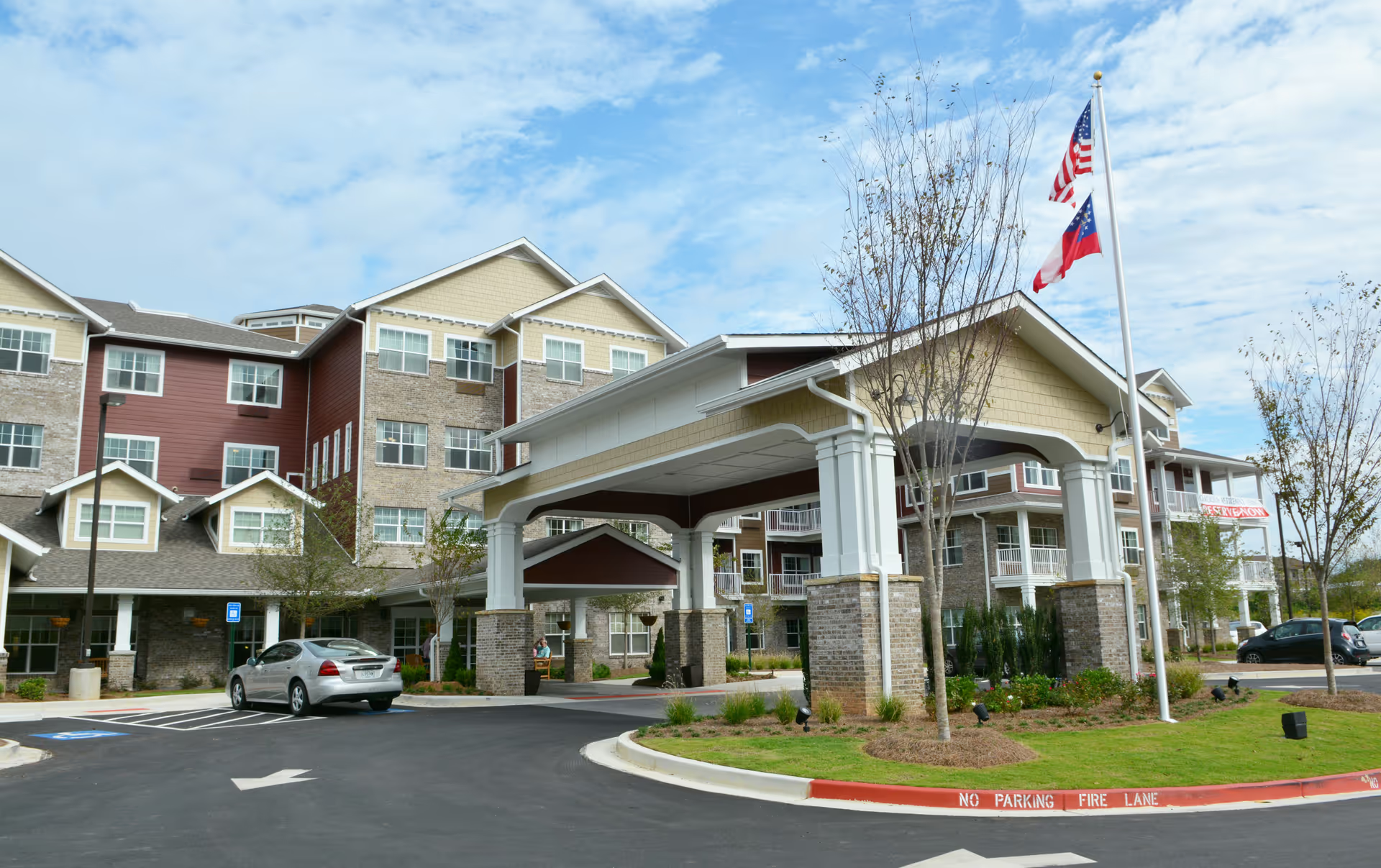
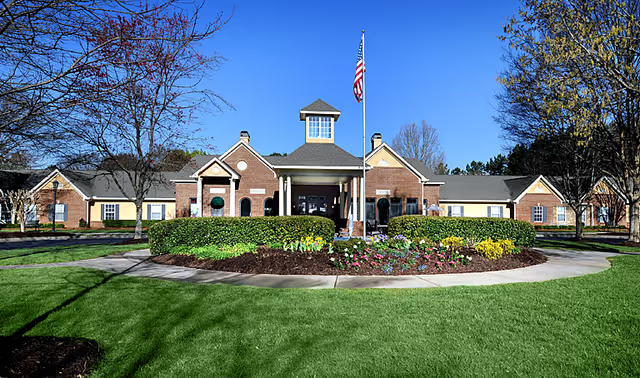
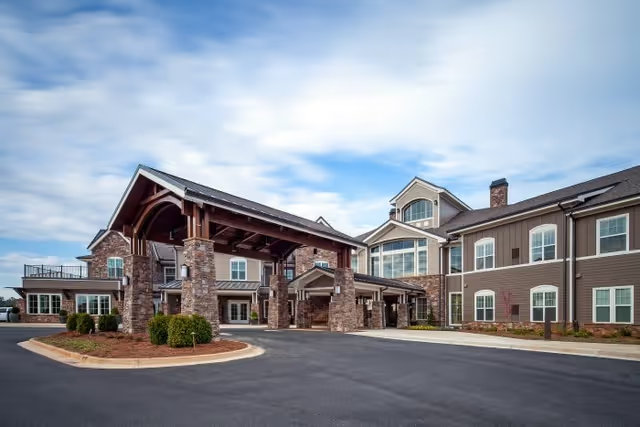
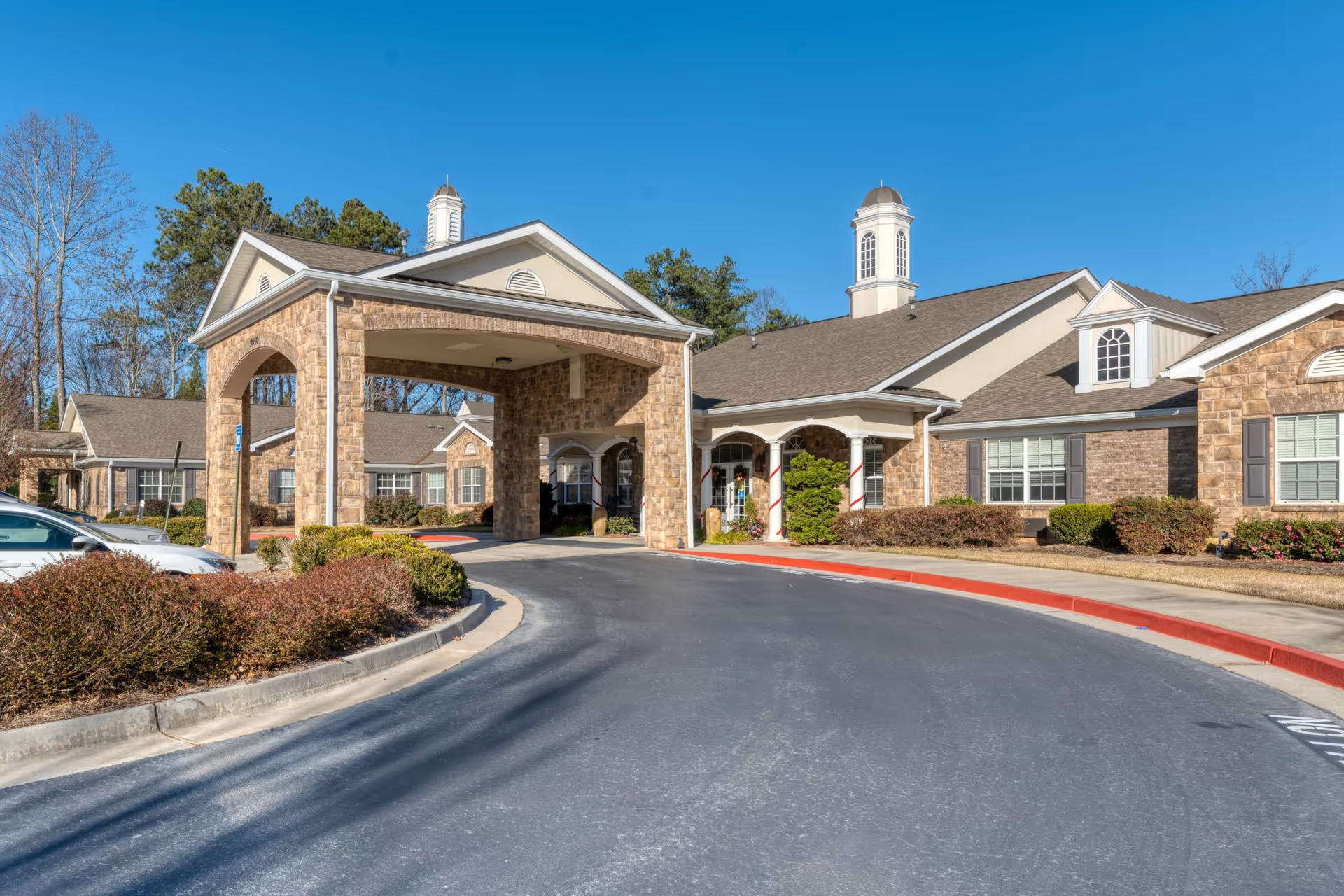
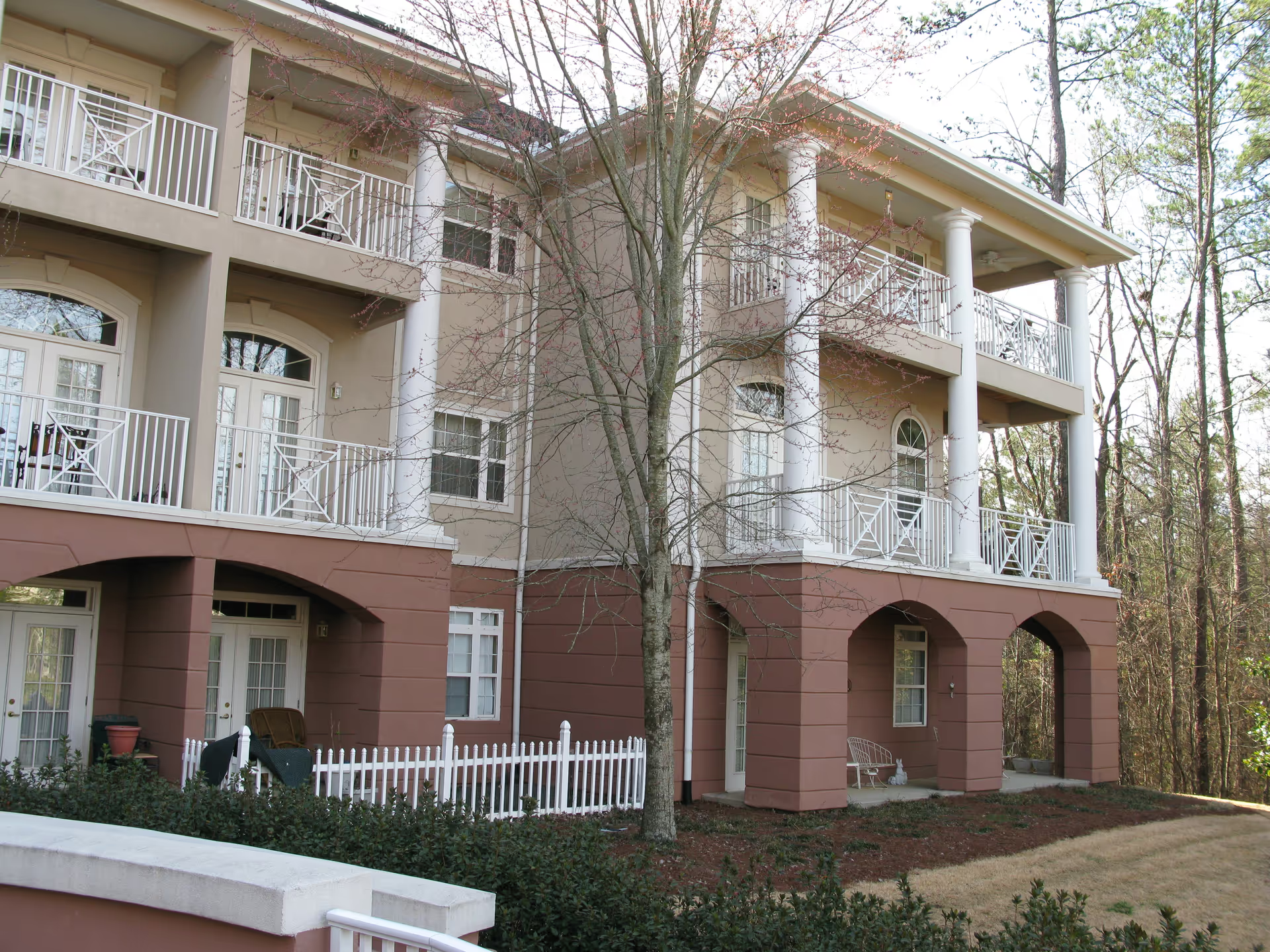
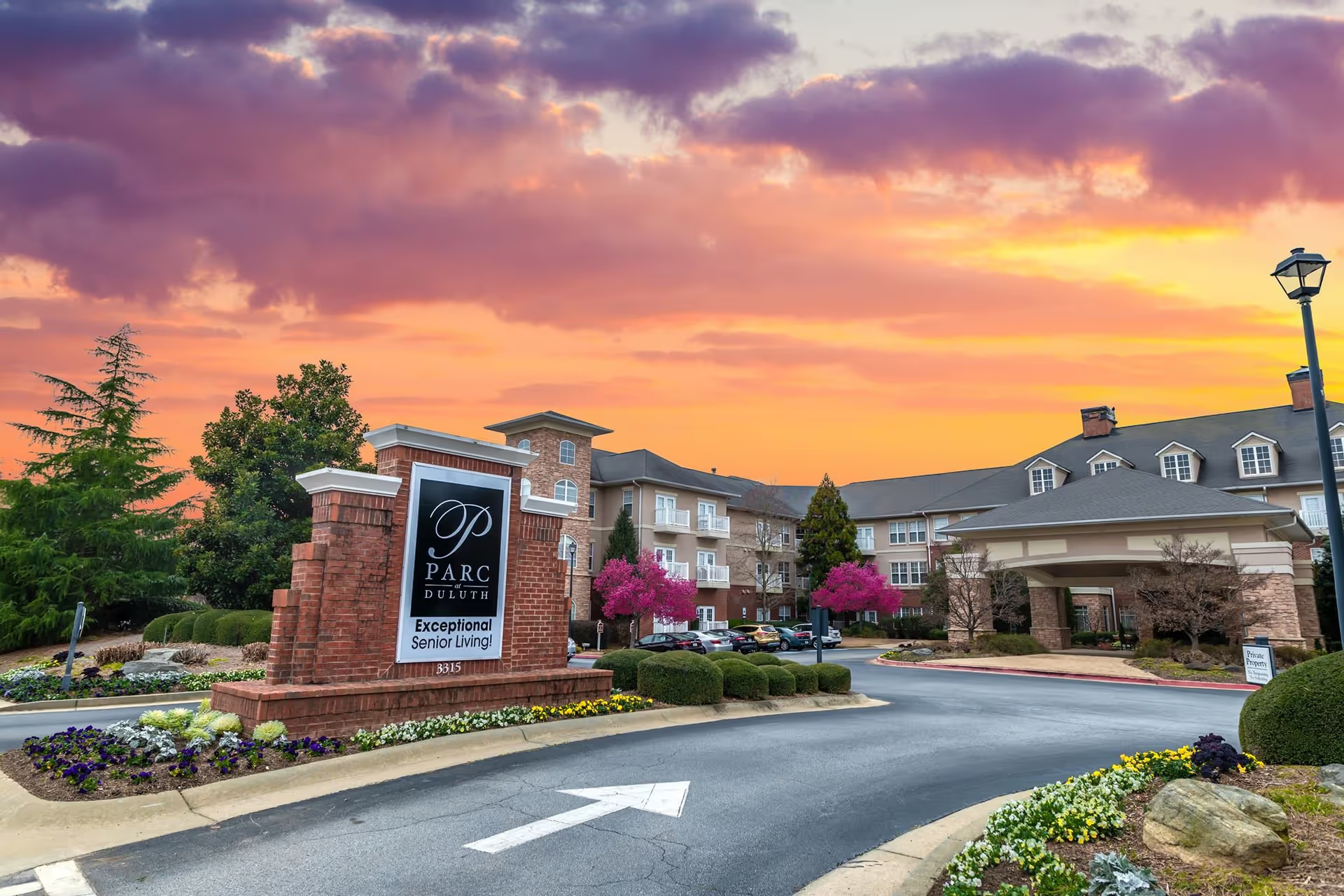
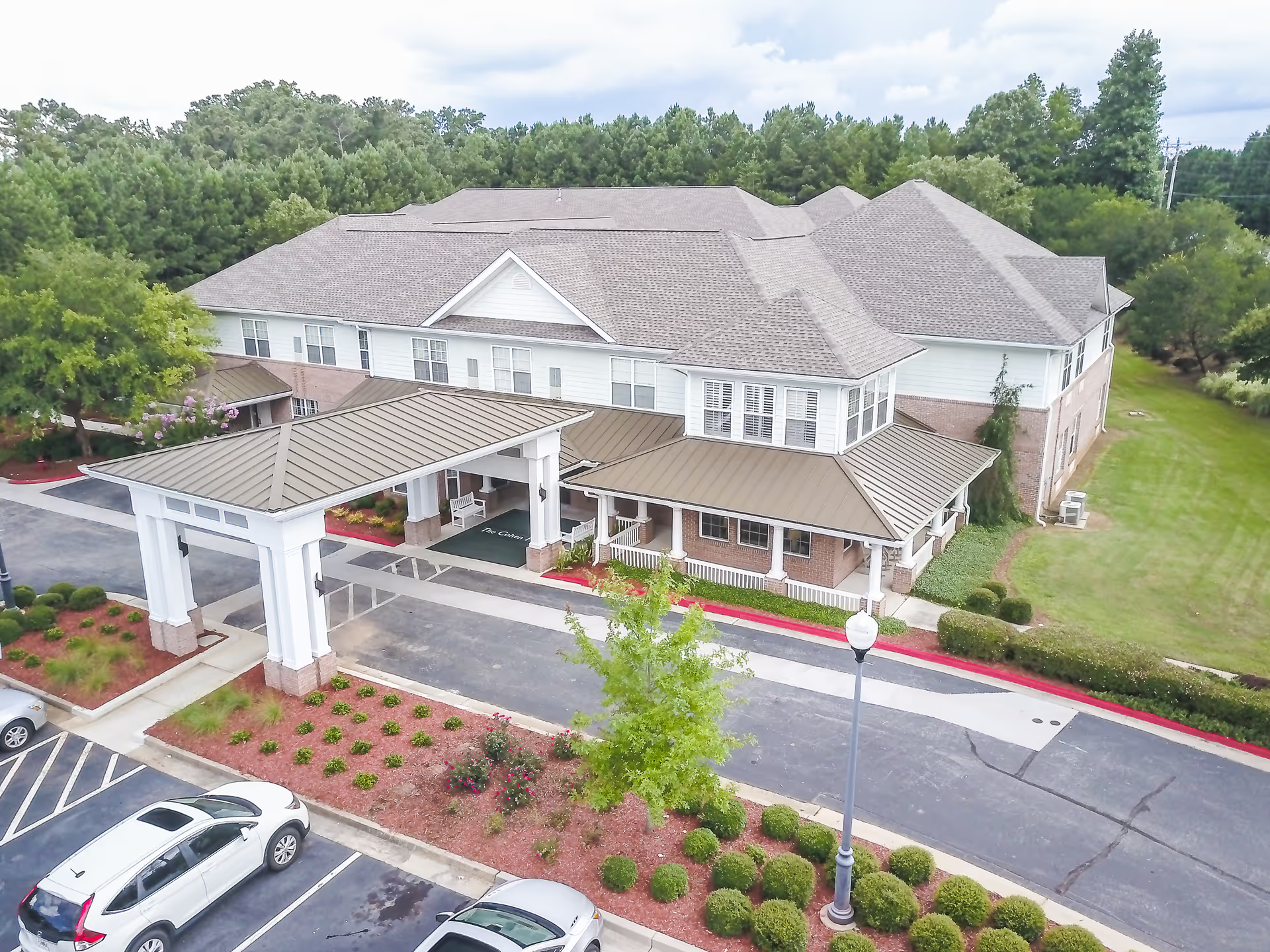
The active-life and amenities program is a prominent strength. Reviewers consistently note a broad, well-staffed activities program that includes music and pet therapy, theater, exercise and memory-therapy classes, ice cream socials, holiday and family events, and campus amenities that create a ‘‘town’’ atmosphere. These programs, together with structured neighborhoods, fenced outdoor areas, and well-maintained grounds, contribute to socialization and opportunities for mobility and purpose. Dining is often singled out positively: a skilled chef, adaptable menus (including modified diets), and attractive meal-service practices are described as supporting nutrition and resident enjoyment.
At the same time, a pattern of operational weaknesses appears across the feedback. Staffing levels and coverage are inconsistent in a number of accounts, with families describing busy shifts, coverage gaps, and increased use of agency staff; these dynamics correlate with concerns about responsiveness, shift-to-shift handoffs, and continuity of care. Leadership instability and managerial turnover are recurring themes—families reported changes in executive leadership and nursing leadership, uneven managerial oversight, and variability in how policies are applied. Relatedly, reviewers pointed to gaps in medication-management practices and clinical oversight, and a small number of reviews described serious clinical and consent-related concerns, including an allegation of medication administered without consent and concerns following a resident's hospitalization.
Sanitation and food-quality consistency were also variable across reports. While housekeeping and many dining aspects receive positive comments, other reviews raise sanitation concerns in specific service areas and describe a decline in food quality over time. Communication is another mixed area: several families praised administrative responsiveness and thoughtful family programs, while others described rushed admissions tours, marketing staff who were not fully informed, and inconsistent family updates. Fee increases and perceptions of value for cost were mentioned as a financial consideration by multiple families.
Overall, the facility offers strong, dementia-specialized programming, attractive amenities, and many examples of high-quality, person-centered caregiving. Prospective residents and families should weigh these strengths against operational issues that can affect day-to-day reliability: staffing consistency, managerial stability, clinical oversight, and service continuity. For families considering placement, direct questions about current staffing ratios, the facility’s approach to agency staff and handoffs, medication-oversight protocols, pest-control and sanitation practices, and communication preferences (including requested status updates by text or email) would help clarify whether the facility’s present operational state aligns with their expectations and care requirements.