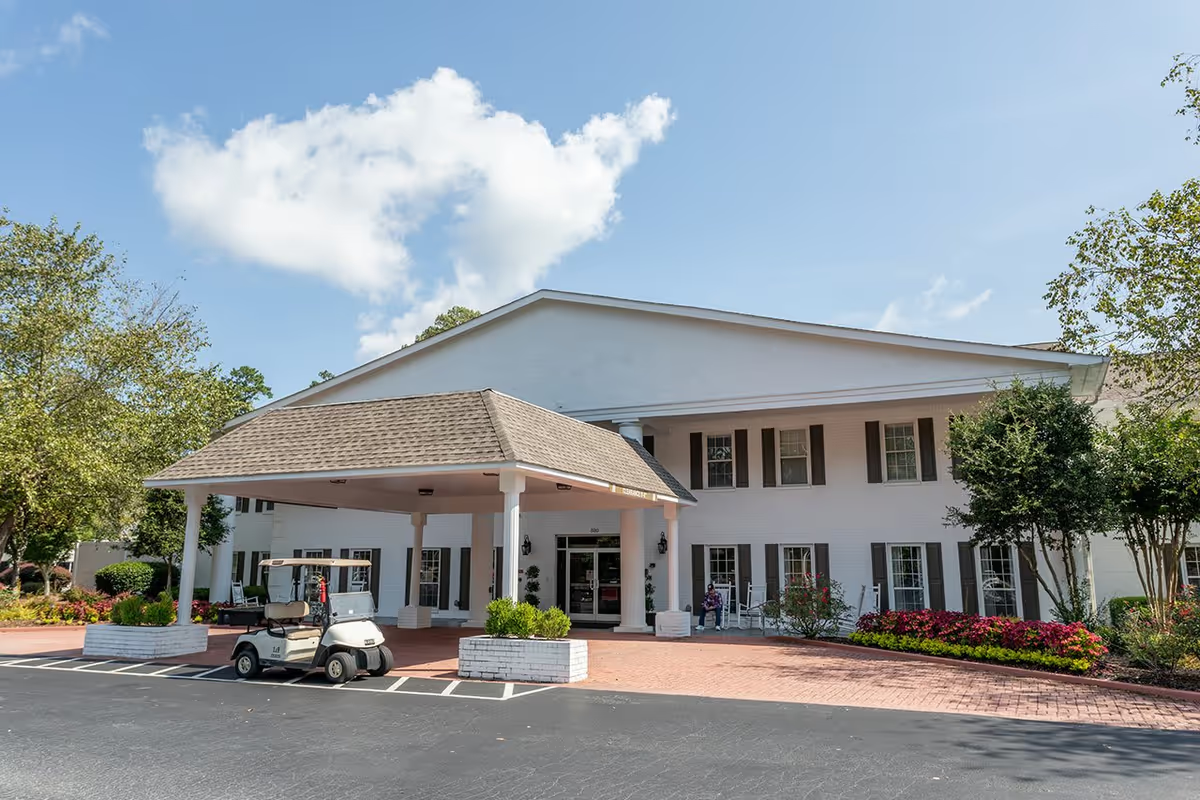
Accounts of Park Place Nursing and Rehab Facility are mixed, with a clear pattern of strong rehabilitation and many examples of individualized, compassionate care alongside recurring operational weaknesses. The facility's therapy teams (physical, occupational, and speech) are repeatedly praised for producing measurable functional gains and for offering purposeful, goal-oriented programming. Many families cited effective discharge planning, proactive case management, and an admissions/concierge function that facilitates appointments and transportation. Multiple reviewers described an environment that is clean, bright, and landscaped, with an active activities calendar (bingo, music, crafts, exercise) that supports social engagement and resident morale.
Clinical care perceptions vary. Numerous reviews highlight skilled nurses and CNAs who provide timely, respectful assistance and close coordination with physicians and therapists. Conversely, a pattern of inconsistent staffing—particularly on nights and weekends—was frequently cited as contributing to delays in responding to call lights, missed or late medications, and uneven assistance with toileting and personal care. Several families identified specific medication-administration and communication gaps; these are operational risks that families should investigate during tours and intake discussions.
Dining and housekeeping received mixed feedback. Some reviewers praised nutritious, elderly-friendly meals and special menu options, while others described inconsistent food quality and occasional missed meals. Housekeeping and laundry were often commended for cleanliness and odor-free public spaces, but there are also reports of delayed housekeeping response times and sanitation concerns related to incontinence care; these suggest variability in daily operational execution rather than a uniform standard across the facility.
Facility layout and amenities are generally seen as positive: sun-filled rooms, a rehab gym with modern equipment, and pleasant outdoor courtyards were frequently mentioned. At the same time, room size and shared accommodations were noted as small and occasionally crowded when visitors are present. Administrative leadership earned praise in a number of accounts for proactive problem-solving, insurance and discharge support, and efforts to improve services (including plans for new treatment areas). However, families also reported inconsistent communication from some clinical and front-desk staff, voicemail responsiveness problems, and occasional billing disputes.
Finally, there are serious, individual-level claims that go beyond ordinary complaints; among these are allegations of theft and staff misconduct and several reports of adverse outcomes following lapses in care. These are severe concerns and, while not representative of every stay, they emphasize the importance of checking current state surveys, asking about incident reporting procedures, and clarifying staffing patterns and supervision practices during admission.
Recommendation: Park Place appears well suited for patients with short-term rehabilitation needs who value a robust therapy program and active social offerings. Prospective residents and families should balance those strengths against observed variability in staffing, medication processes, and certain aspects of daily care. When evaluating the facility, request up-to-date staffing ratios, inquire about night/weekend coverage, review medication-safety protocols, tour shared-room options during visiting hours, and ask management about recent corrective actions and state inspection results to better assess consistency of care.