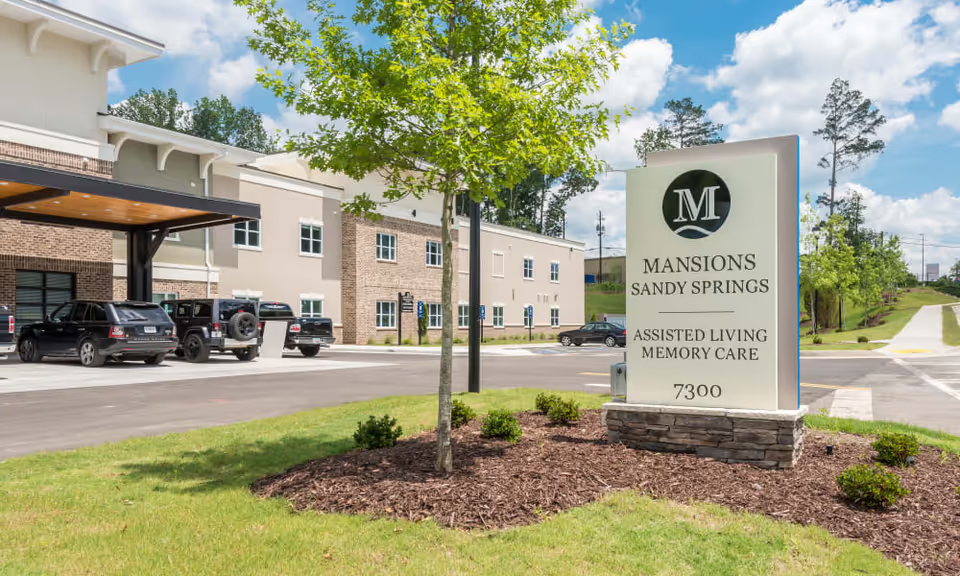
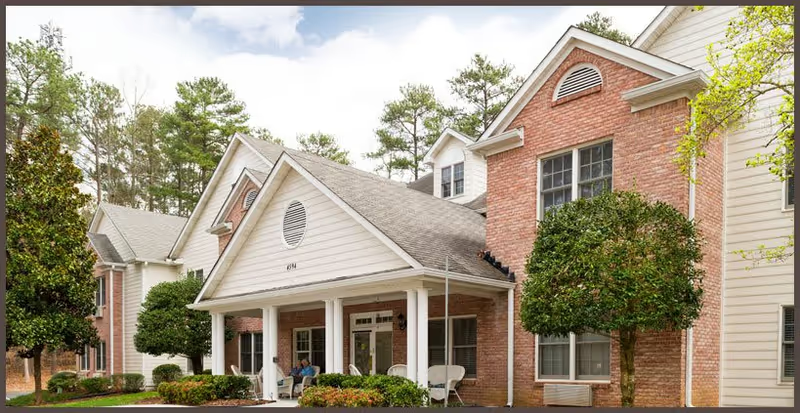
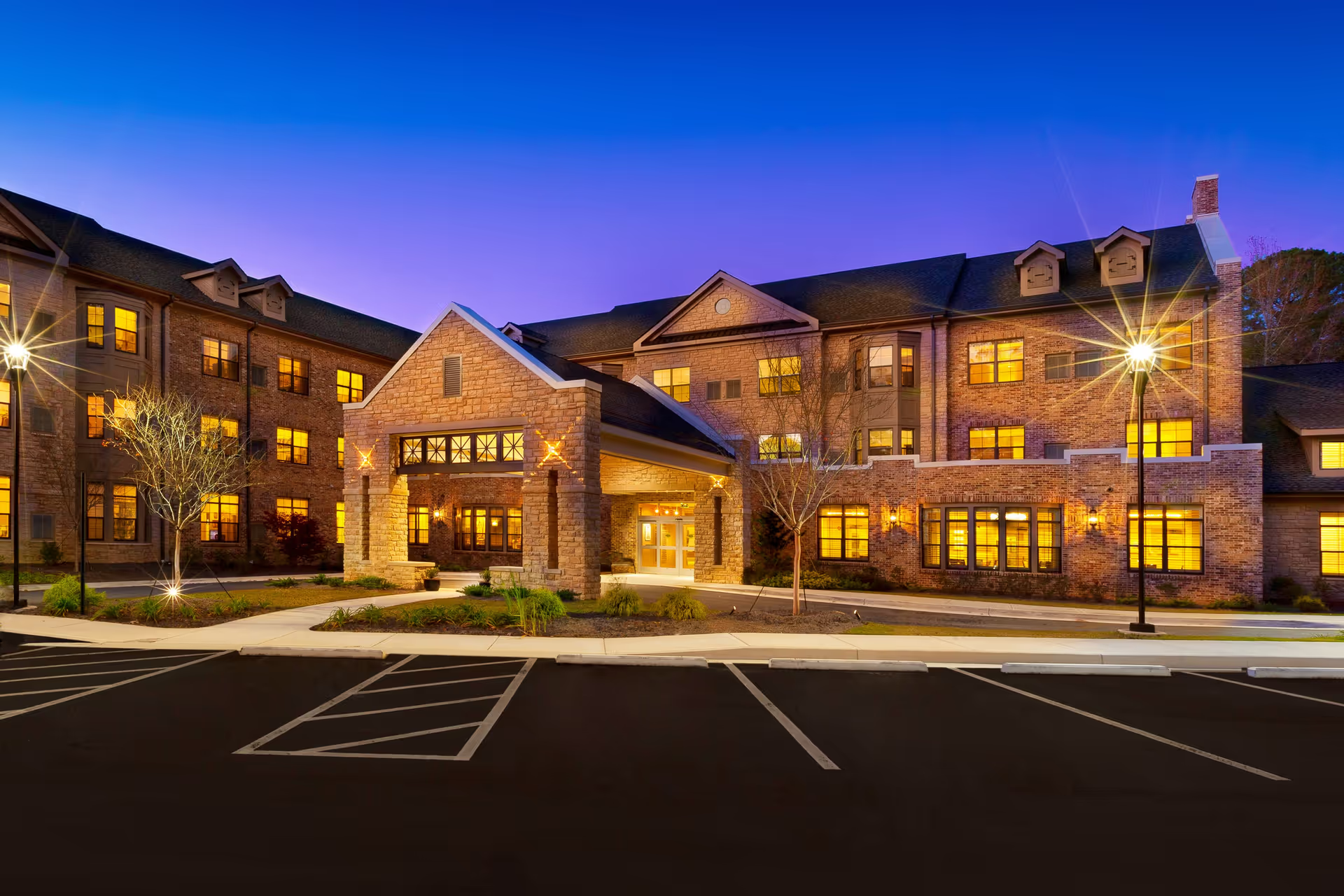
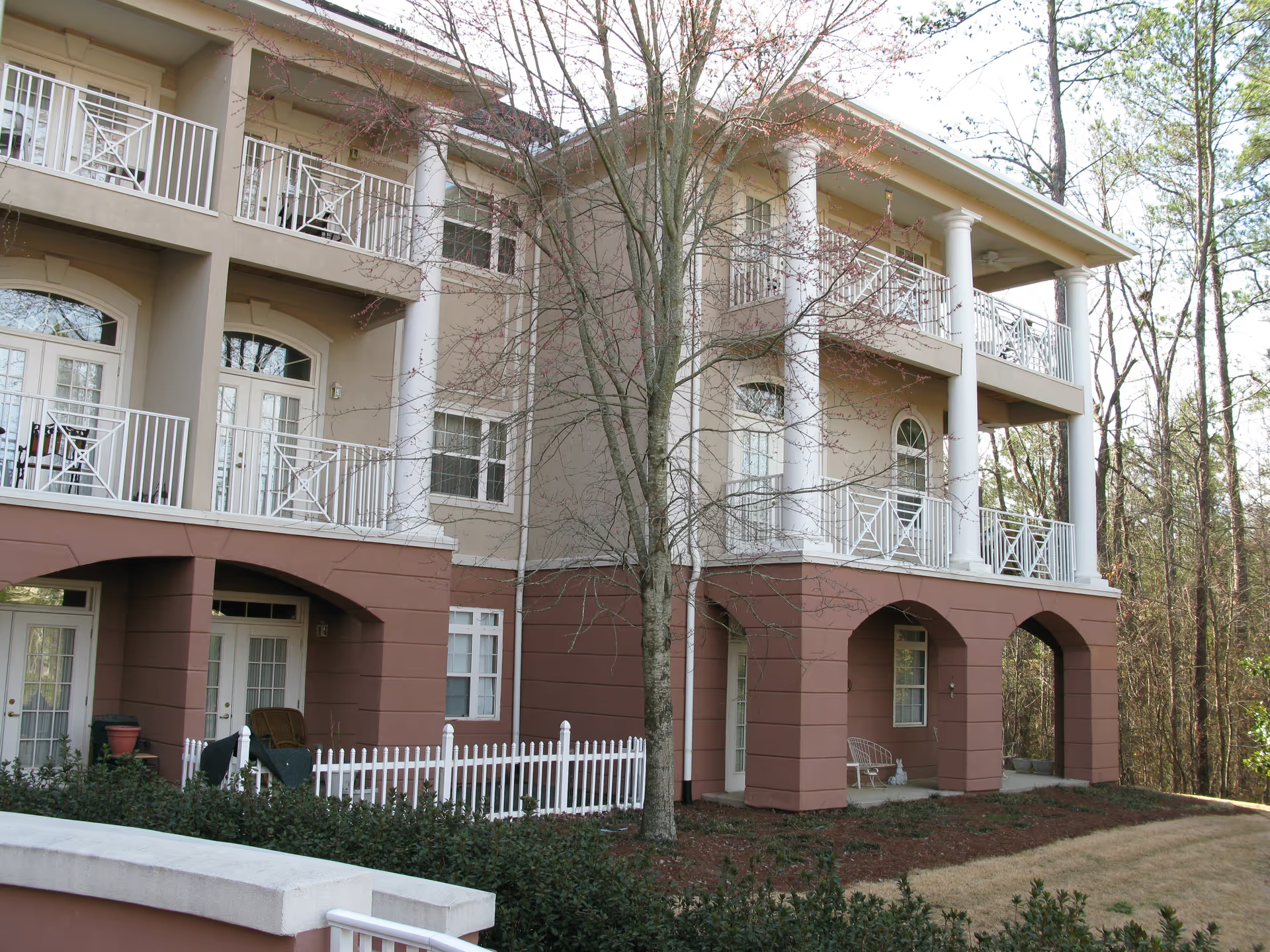
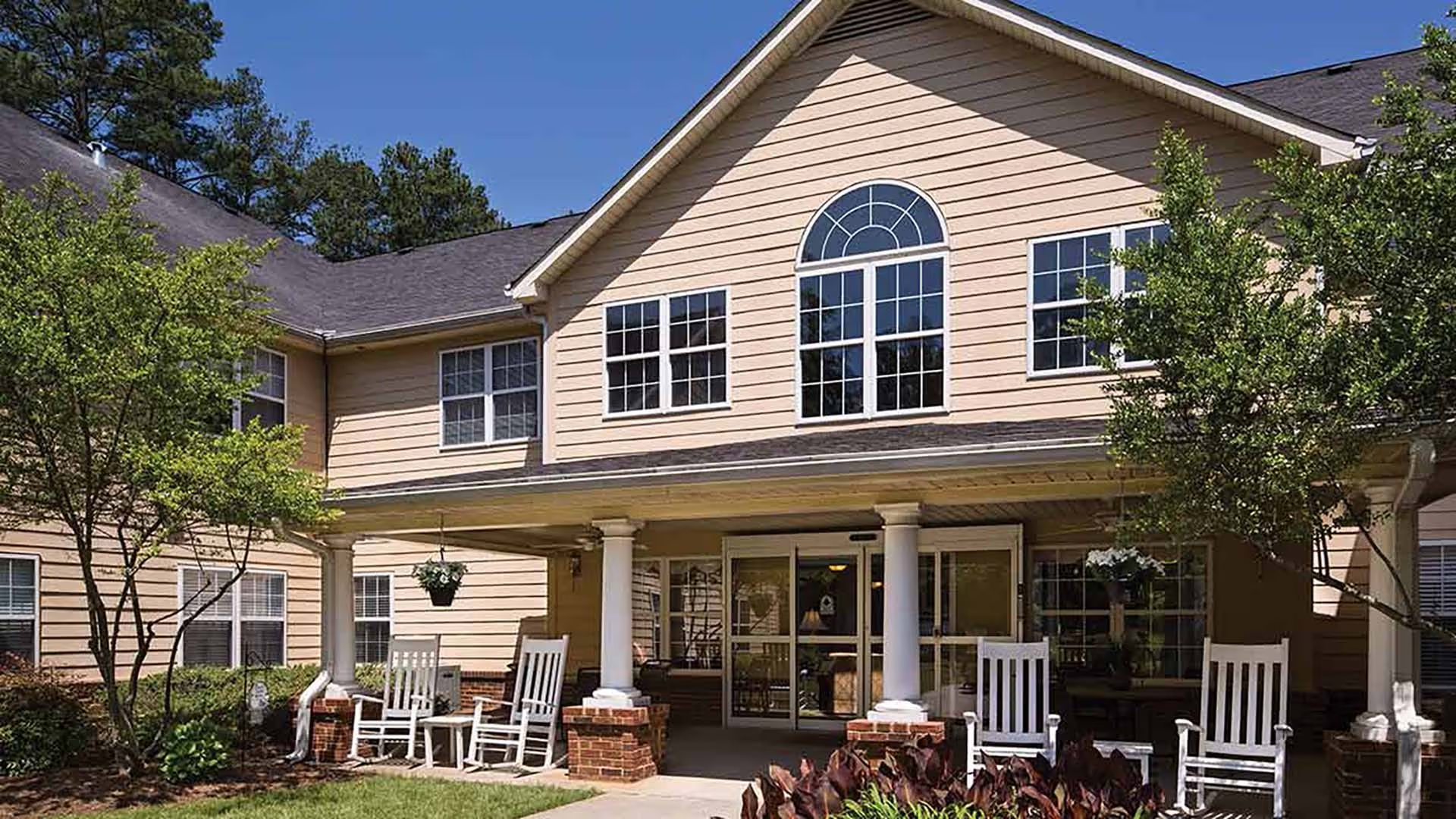
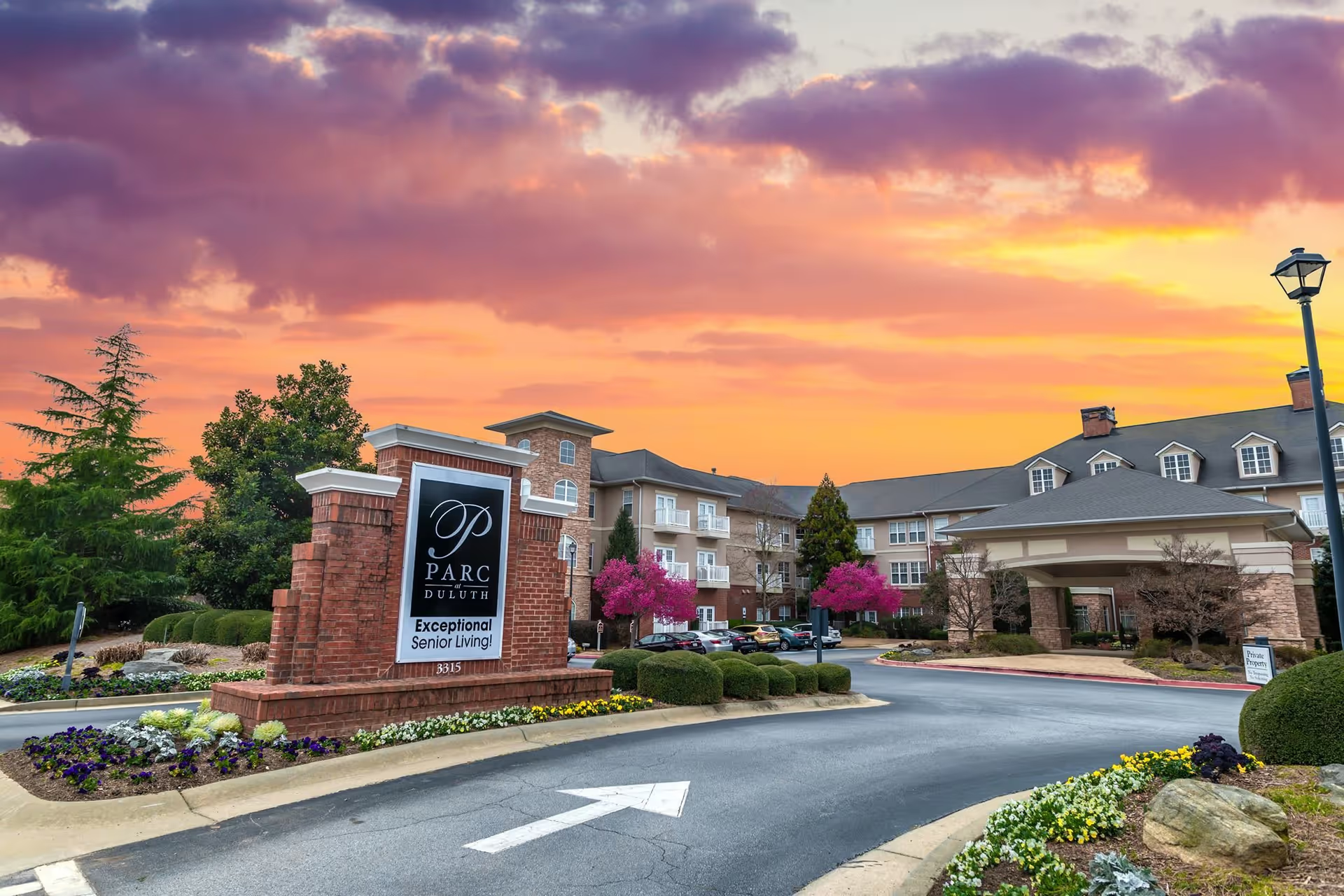
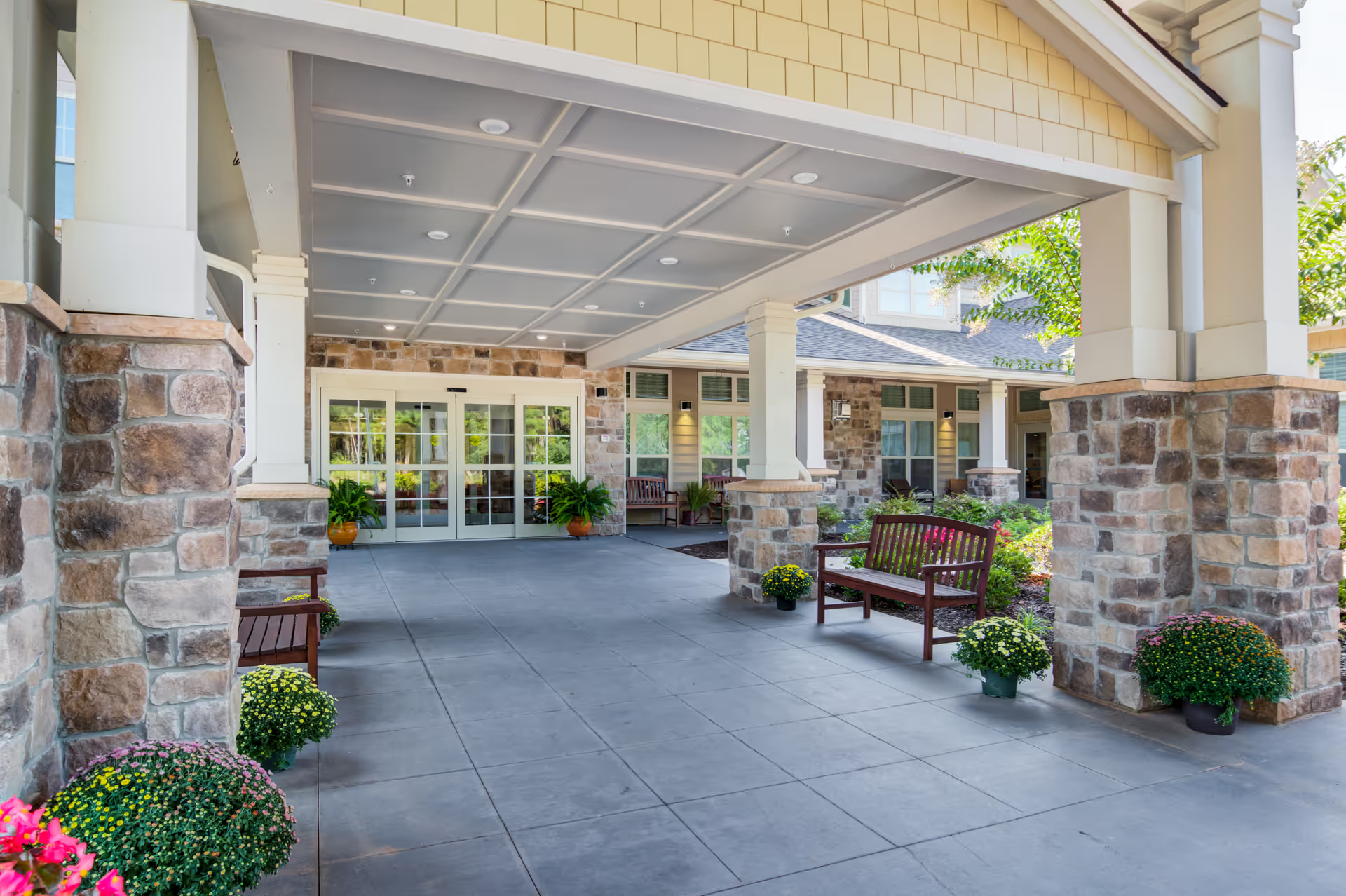
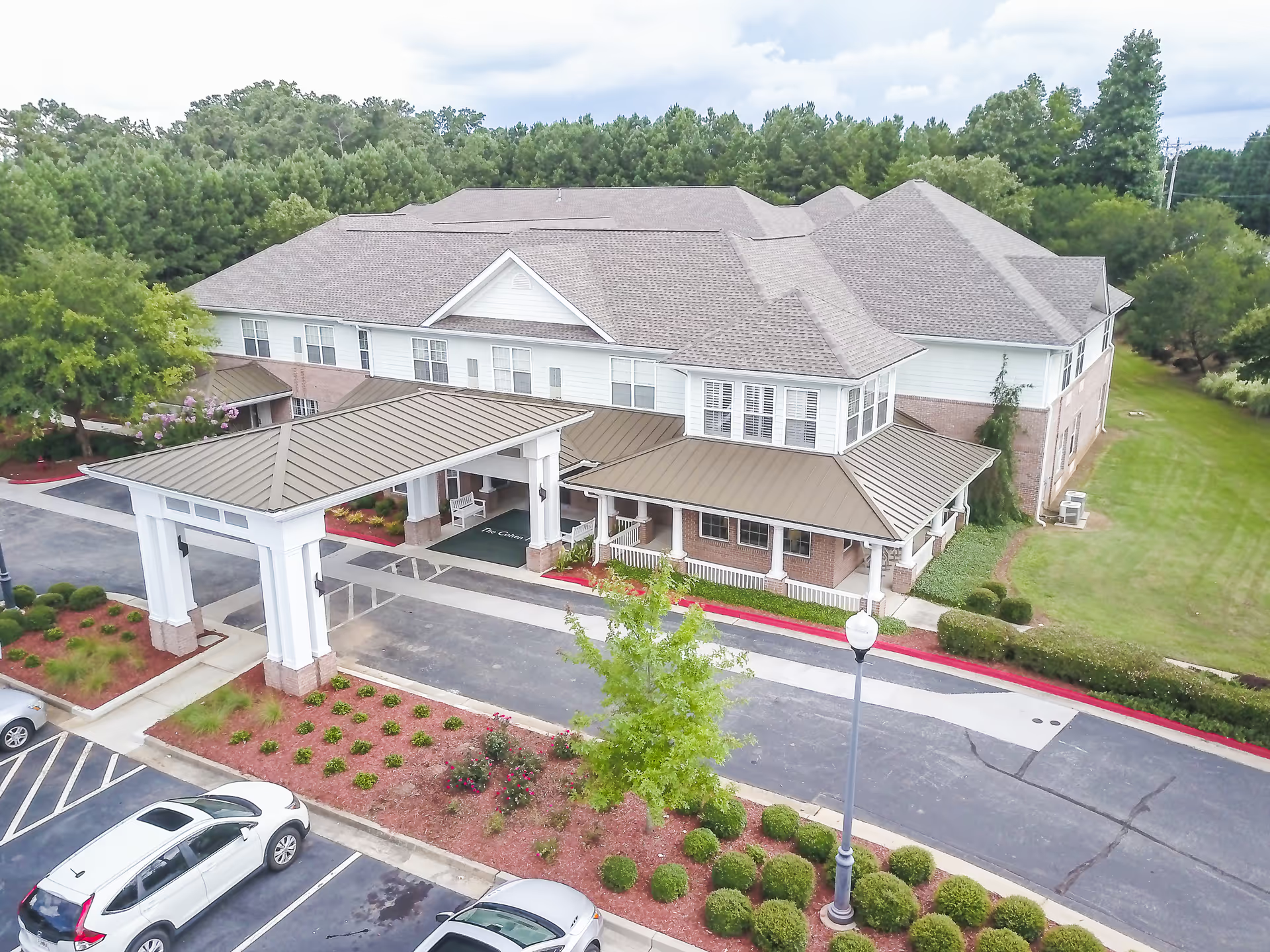
Highlands Senior Living Norcross elicits a broadly mixed but informative set of impressions. Many families and visitors describe a warm, community-oriented environment characterized by friendly, personable caregivers and activity staff who create a social, pet-friendly atmosphere. The facility's physical plant is frequently praised: reviewers note a clean, modern layout, accessible rooms with large bathrooms and walk-in showers, a courtyard, theater and other common amenities that support resident engagement. Move-ins are commonly described as well organized, and several accounts emphasize strong hospice coordination and administrators or front-desk staff who are responsive and helpful.
Care quality assessments are variable. Positive accounts emphasize attentive, compassionate staff who learn residents' names and provide timely personal assistance. Conversely, other accounts point to operational weaknesses: inconsistent staffing levels, frequent turnover, and variability in staff training that can affect day-to-day care. Several reviewers described delays in attending to personal-care needs and identified lapses in medication administration and documentation. These patterns suggest the facility may perform well for residents with stable, moderate needs but may be strained when clinical complexity or behavioral challenges increase.
Dining and housekeeping receive mixed reviews. Some families praise nourishing menus and appealing meal variety, while others describe bland meals or food served at suboptimal temperatures; requests for clearer weekly meal postings appeared repeatedly. Housekeeping and sanitation are generally noted as adequate, but there are intermittent comments about cleanliness or odor concerns and uneven housekeeping performance across units.
Activities are a clear strength. Multiple reviewers describe an engaging, varied activities program with frequent resident events, outings and transportation, as well as a passionate activities team. The small-community scale contributes to personalized attention and a family-like atmosphere, which many families count as a positive trade-off for fewer large-scale programming options.
Management and organizational patterns are mixed. Several accounts praise specific administrators and front-line leaders for being accessible and problem-solving. At the same time, reviewers report management turnover, changes in leadership, and the use of contracted staff that have reduced continuity of care. Communication with families can be inconsistent, and handoffs between day, night and weekend staff are described as disconnected in some cases. A few reviewers raised concerns about call-light response times and other safety-system delays; these are operational traits prospective families should review directly with management.
Notable patterns for prospective residents and families: Highlands offers a welcoming, activity-rich, smaller-community option with many caregivers who are praised for their warmth and engagement. However, families should assess clinical and staffing stability relative to their loved one’s needs, especially if advanced memory-care or higher clinical oversight is required. Recommended tour questions include current staff-to-resident ratios, recent turnover rates, training and supervision practices, medication-administration procedures, memory-care capabilities, and documented protocols for emergency call-response and family communication. These targeted inquiries will help determine whether the community’s strengths align with an individual resident’s care requirements.