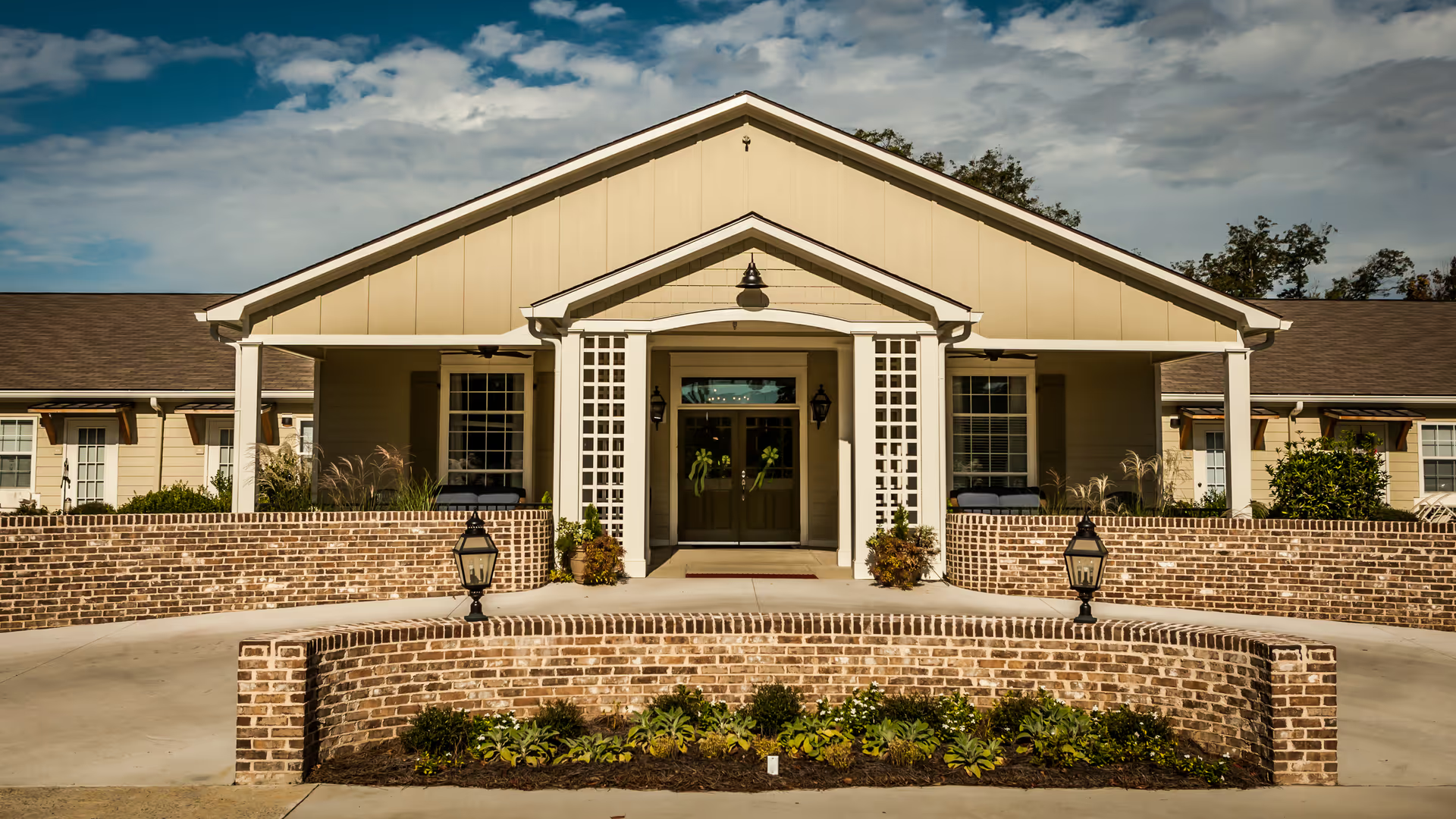
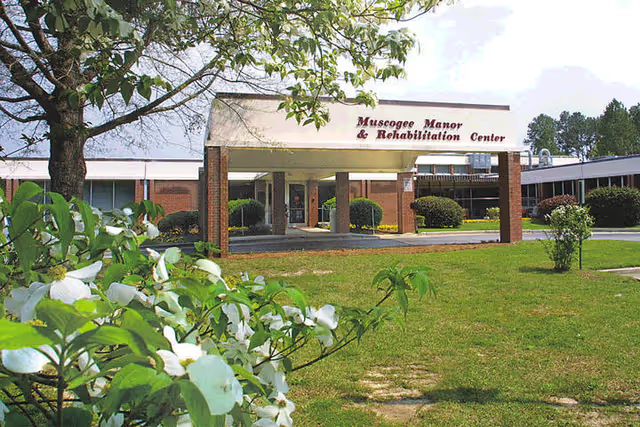
The reviews portray a facility with a strong core of compassionate, relationship-oriented staff and effective rehabilitation services, alongside operational inconsistencies that have resulted in widely divergent family experiences. Strengths most frequently cited include a warm, home-like atmosphere, individualized care plans, a robust activities program (including a dedicated activities director and memorable events), and effective physical therapy that helps residents regain mobility. Many families described friendly interactions where staff knew residents by name and administrative personnel were approachable during admissions and visits.
Dining and activities are clear positives for many reviewers: meals were described as enjoyable and residents appear engaged in daily programs. The facility’s smaller scale is noted as a contributor to personalized attention and an environment where residents and staff develop familiar relationships. Housekeeping and common areas were praised by several families, supporting the impression of a generally well-maintained public environment.
At the same time, there are significant operational concerns raised that affect clinical reliability and resident safety. Medication-management controls were described as inconsistent, and some families expressed concerns about inappropriate medication practices and missed administrations. Related clinical issues include gaps in pressure-injury prevention and wound care and inconsistent bathing/personal-care routines. These clinical process weaknesses appear to coincide with variable staff training and competency, particularly during certain shifts.
Facility operations and asset management were another recurring theme. Multiple reviewers described problems with linen and laundry handling, intermittent sanitation and room-odor control, and difficulties with safeguarding or returning personal belongings. Communication and responsiveness to family requests were uneven — examples include delays in answering or responding to care needs and difficulty obtaining access to rooms or possessions when requested. Some families perceived management decisions as prioritizing operational efficiency over individualized care.
Taken together, the pattern is one of pronounced variability: many families experienced highly attentive, effective care and strong rehabilitation outcomes, while others encountered serious lapses in clinical processes, hygiene practices, medication administration, and communication. Prospective residents and families should consider on-site evaluation focused on clinical protocols (medication administration, wound-care plans, bathing schedules), staff training and turnover, linen and laundry procedures, property-safeguarding practices, and communication pathways with administration. Directly asking for documentation or demonstration of these processes during a tour and speaking with current families may help gauge whether the facility’s strengths are consistently applied to an individual’s care needs.