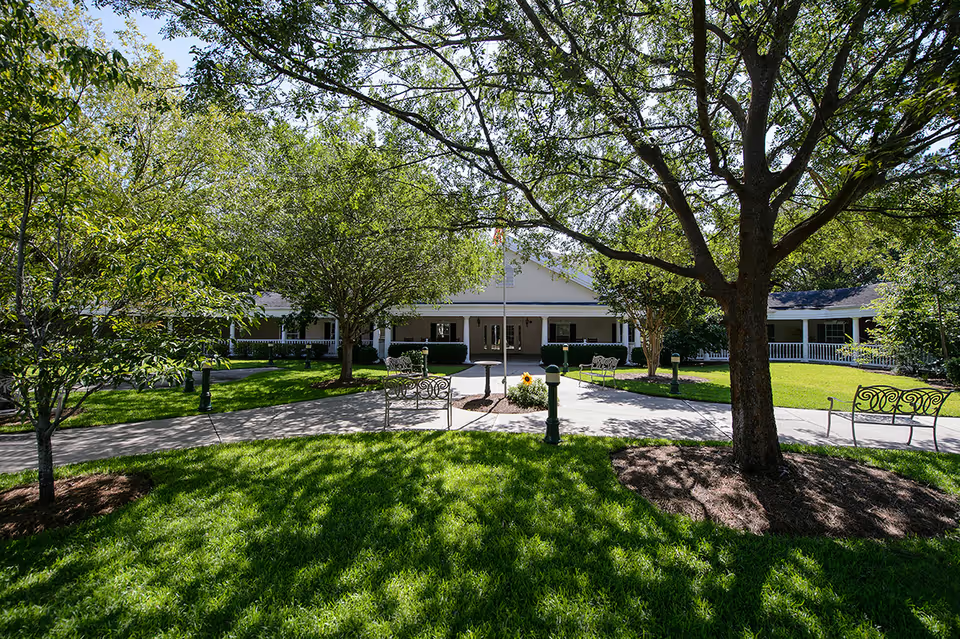
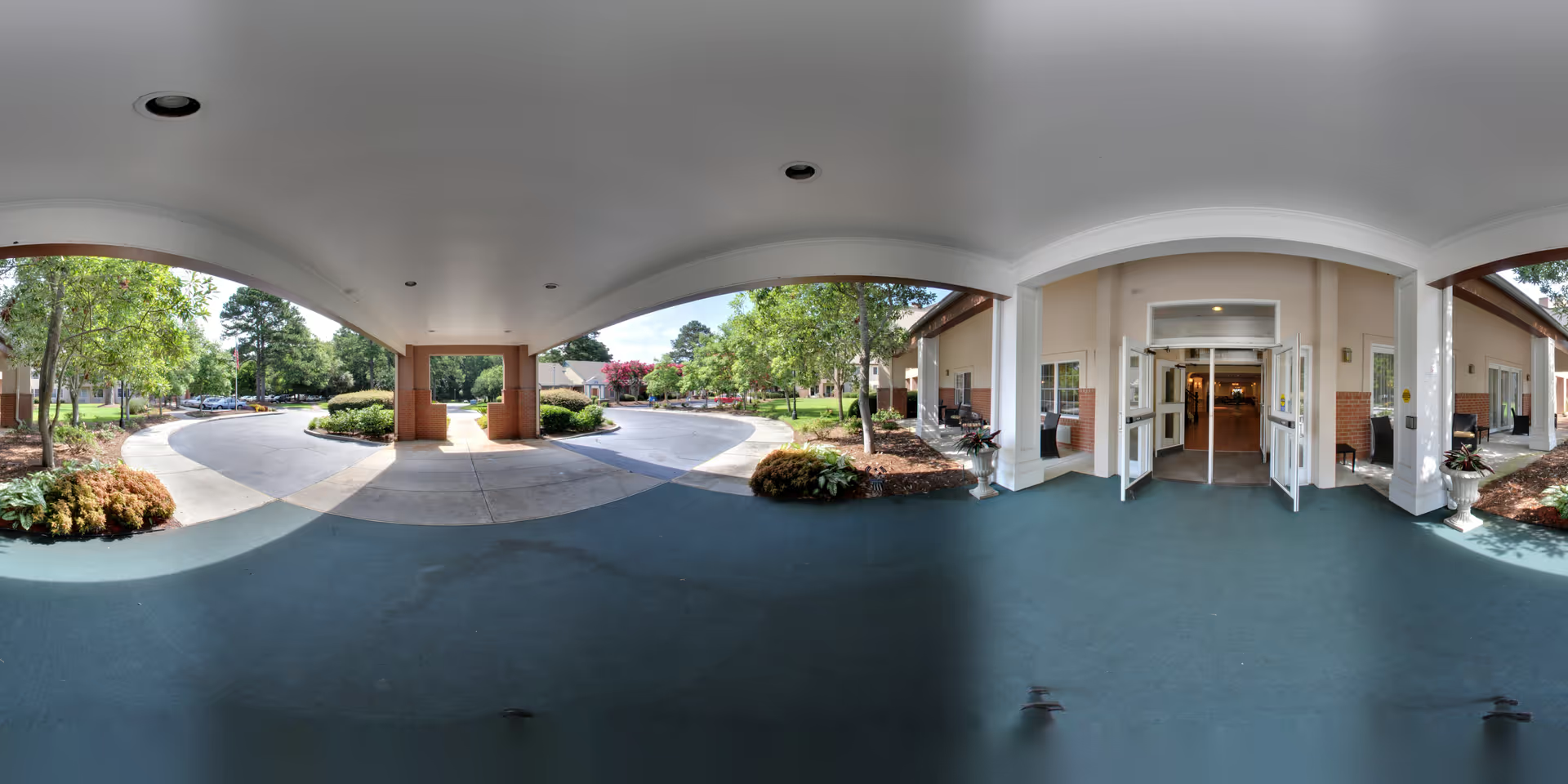
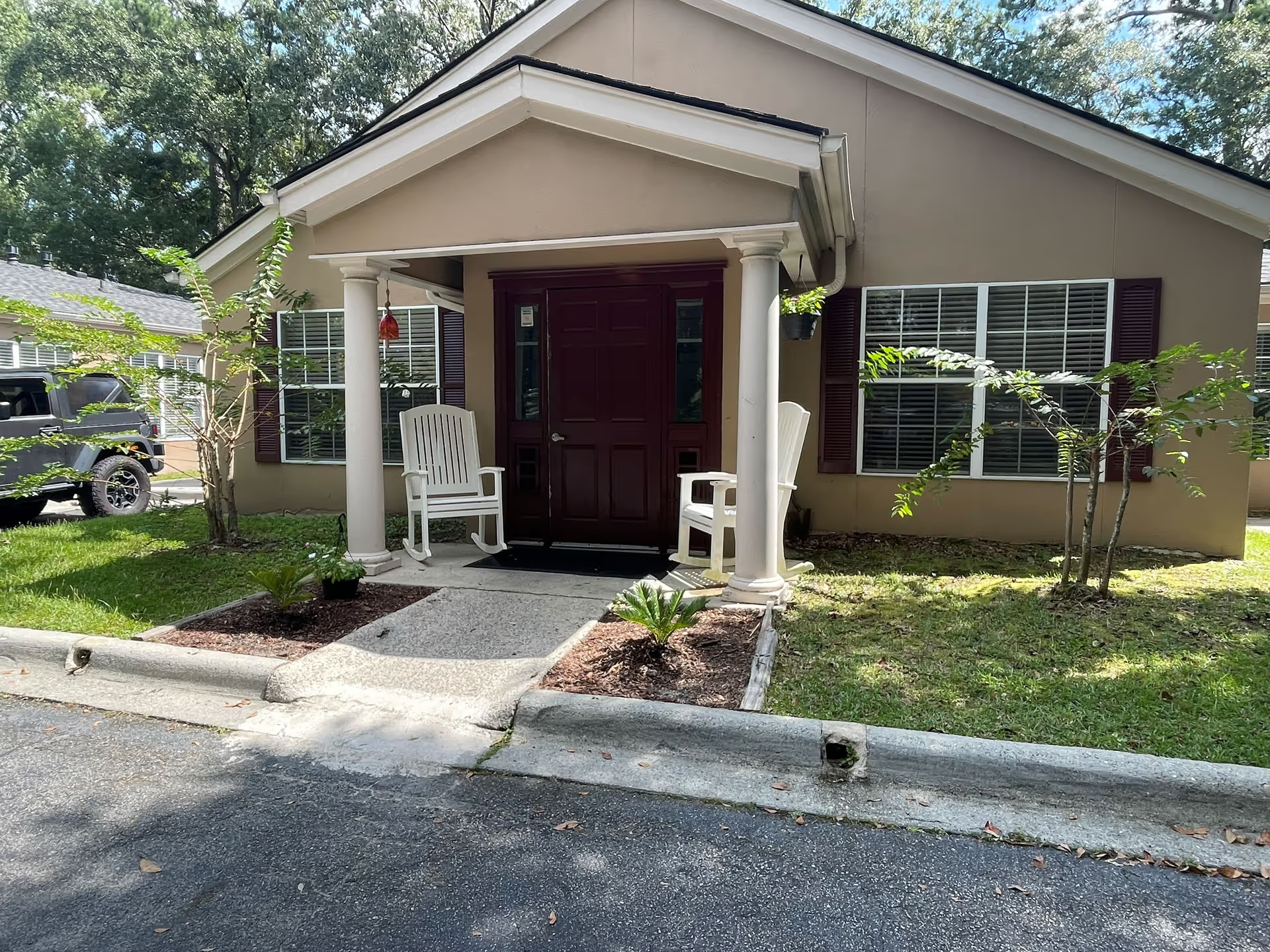
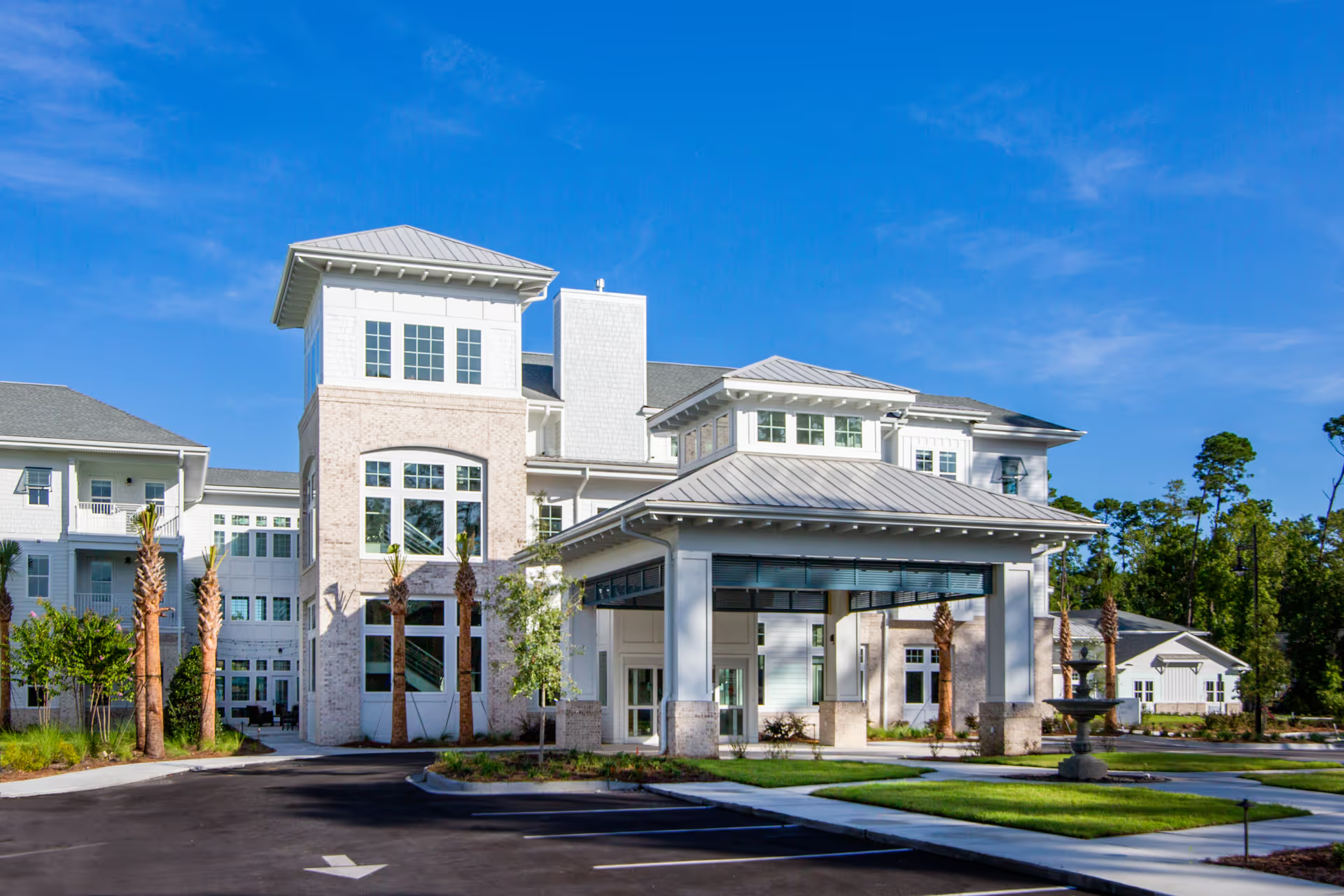
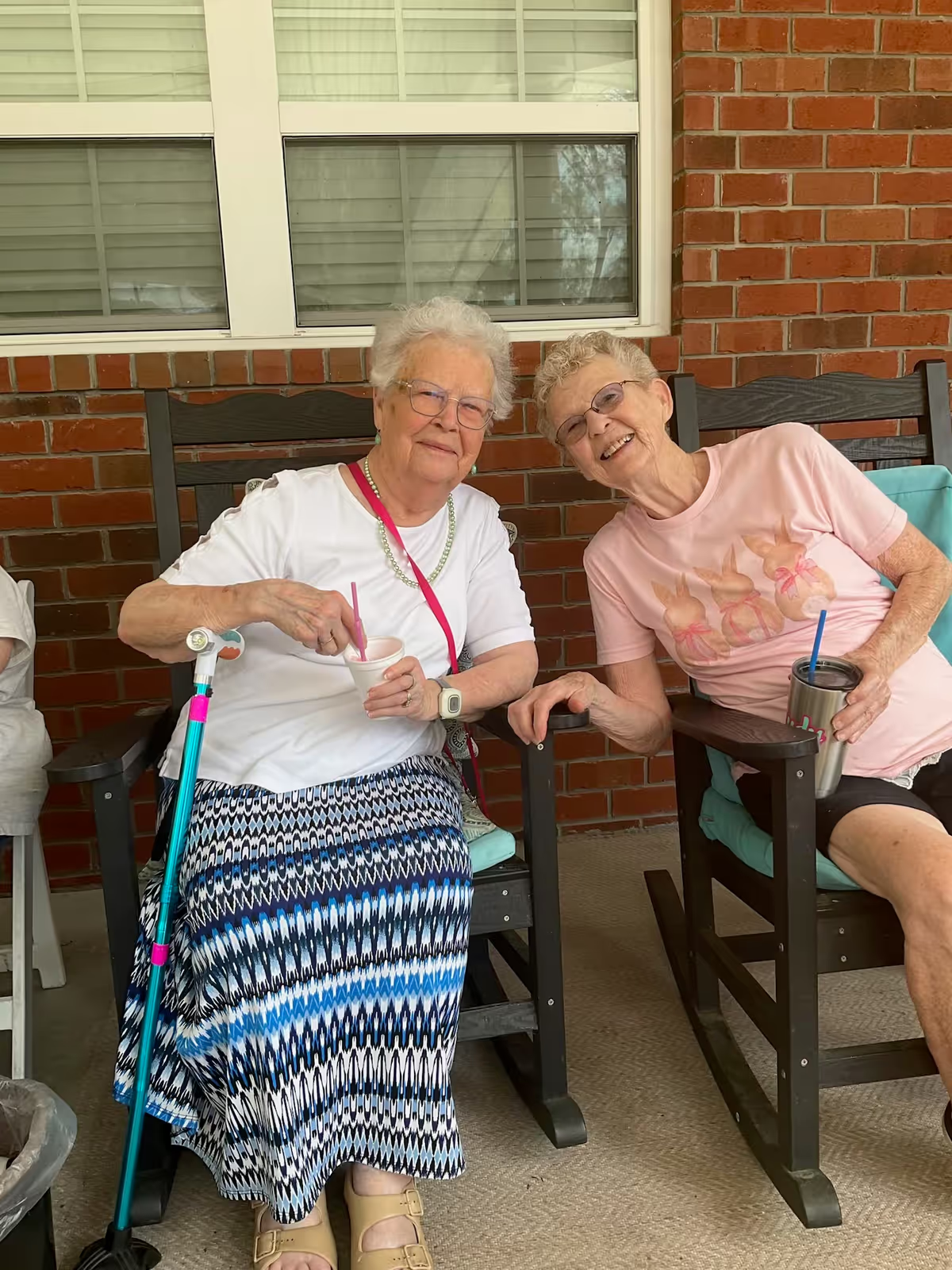
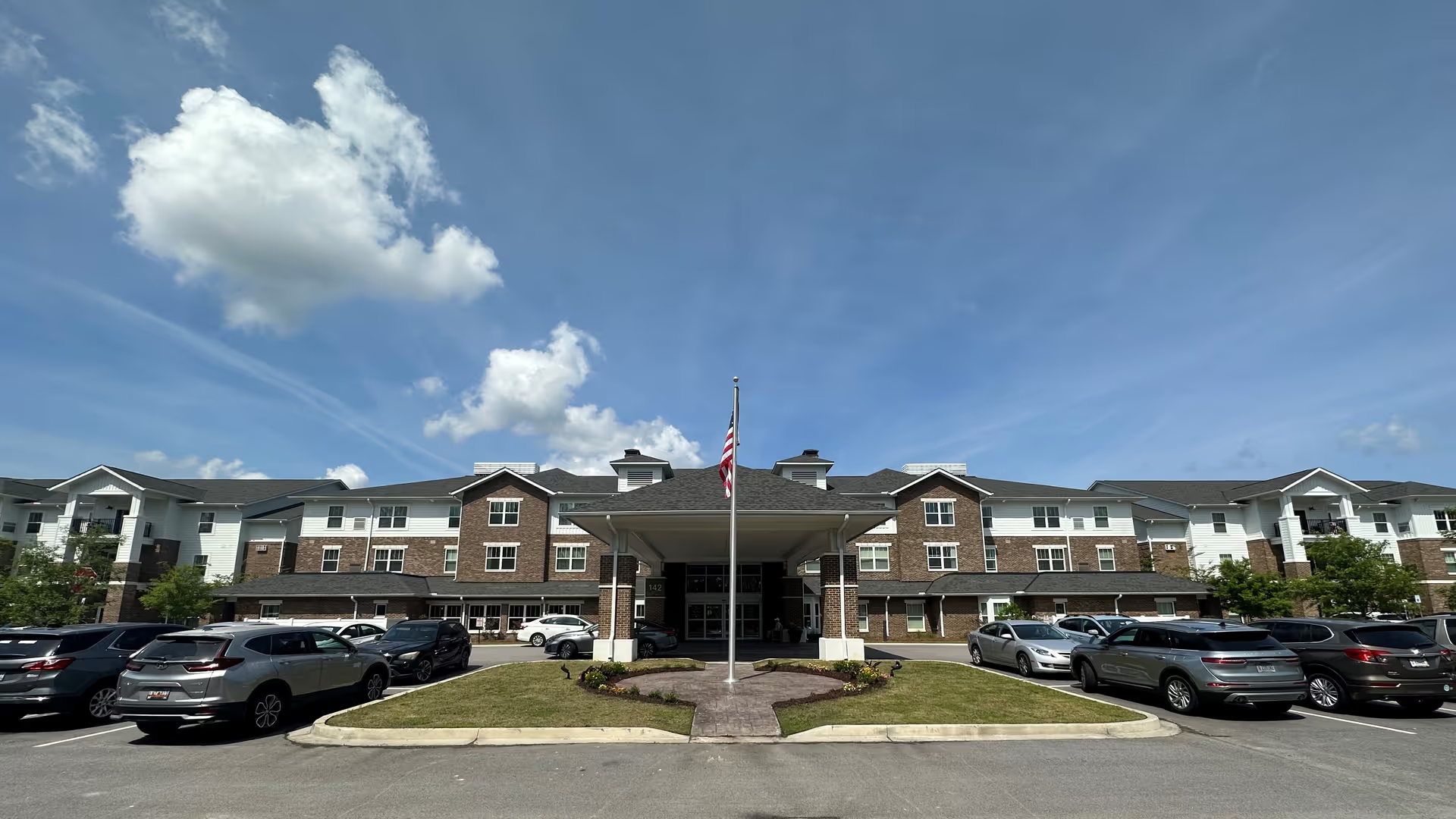
Legacy Savannah Quarters elicits strongly mixed impressions. Many reviewers emphasize the facility's physical strengths: a modern, bright building with attractive common spaces, an enclosed garden courtyard, and a range of amenities (spa, salon, theater, bar, indoor/outdoor pools, and walking grounds). When operations are functioning well, families describe compassionate daytime caregivers, robust activity calendars, restaurant-style dining, on-site therapy services, and a family-like culture among staff and residents. Multiple comments single out specific leaders and wellness staff for proactive engagement and positive responsiveness, and several accounts describe meaningful improvements after administrative changes.
Care quality appears to be inconsistent across shifts and care settings. Positive experiences often describe attentive daytime nursing and therapy involvement and thorough handoffs, while negative accounts point to understaffing (notably at night and on weekends), delays in responding to call alerts, and lapses in medication administration and clinical oversight. Memory-care services are frequently characterized as uneven: some families praise tailored programming and engaged staff, while others describe performance that does not match the assisted-living side. There are recurring concerns about supervision on overnight shifts and the facility’s ability to maintain consistent clinical practices across all staff assignments.
Communication and incident-management are recurring areas of concern. Several reviewers note gaps in timely family notification, unclear escalation of clinical events, and inconsistent documentation or sharing of care plans. A number of accounts reference administrative and billing inconsistencies, extra charges that were not clearly explained in advance, and delays in refunds or dispute resolution. In more serious individual accounts, reviewers allege theft and identity-related misconduct and raise concerns following a resident’s death; these serious claims coincide with filings to external authorities in some instances and indicate the need for transparent investigation and remediation.
Food and activities are generally cited as strengths but with variability. The dining program commonly receives praise for quality and variety, with restaurant-style service and flexible dining hours noted; however, other reviewers describe inconsistency in food presentation and portioning, and some memory-care meal experiences were judged substandard. The activity program is broad, with frequent on- and off-campus outings, concerts, and social events, though participation can be limited by residents’ mobility or sensory impairments and there are occasional gaps on weekends.
Operationally, reviewers point to patterns that suggest systemic issues: turnover and variable staffing levels, uneven housekeeping and maintenance responsiveness (including some pest-control and flooding/repair concerns), and a sales-oriented admissions approach that some families felt prioritized occupancy over individualized care planning. Conversely, several accounts emphasize that leadership changes and corporate follow-through led to measurable improvements in care and operations at times.
For prospective residents and families, the facility’s strong physical environment, amenities, and potential for highly engaged daytime staff are important positives. Equally important are the operational caveats: evaluate staffing patterns (including night and weekend coverage), clarify medication-management protocols and incident-notification processes, request examples of recent corrective actions for safety and sanitation issues, and obtain a clear, written explanation of all fees and billing practices before admission. If memory care is needed, seek detailed information on staffing ratios, training, and sample activity/care plans to assess consistency with expectations.