Overall impression The Social at Savannah is frequently described as a socially active, service-rich senior living community with many families and residents praising the warmth and attentiveness of direct-care staff. Reviewers consistently highlight a family-like atmosphere, staff who learn residents' names, and leadership figures who are visible and engaged. The community offers multiple care levels (Independent, Assisted, Memory), a broad set of amenities (library, gym, salon, on-site therapy, bistro), and a packed activities calendar that fosters socialization and outings.
Care quality and staff Many accounts emphasize compassionate, hands-on caregiving, effective transitions between care levels, and supportive end-of-life and memory-care services. Staff are often credited with individualized attention, quick family communication in routine situations, and active encouragement of resident participation. At the same time, there are recurring operational concerns around staffing stability: reviewers describe turnover, rushed aides at times, and uneven availability of consistent staff contacts (ambassadors). Some families raised substantive concerns about staff conduct and resident safety that they believe warrant investigation; these reports sit alongside numerous positive caregiving accounts, indicating variable experiences across time and units.
Dining and nutrition Dining is a mixed picture. Many reviewers praise the chef, three daily meals, dessert options, and the social aspect of dining rooms and bistros. Others describe inconsistent meal quality, cold or skimpy portions, crowded dining-room service, and occasional menu misrepresentations. Overall, food service appears capable of high performance but also subject to variability in execution and portioning.
Activities and social life Activities are a consistent strength: bingo, movies, music, arts and crafts, field trips, exercise classes, card games, and special events are commonly mentioned. These programs contribute strongly to resident engagement and peer relationships. Reviewers did note weaknesses in activity communication — abbreviated or confusing calendars, inconsistently labeled events, and occasional poor organization — which can make it harder for new or less-mobile residents to join in.
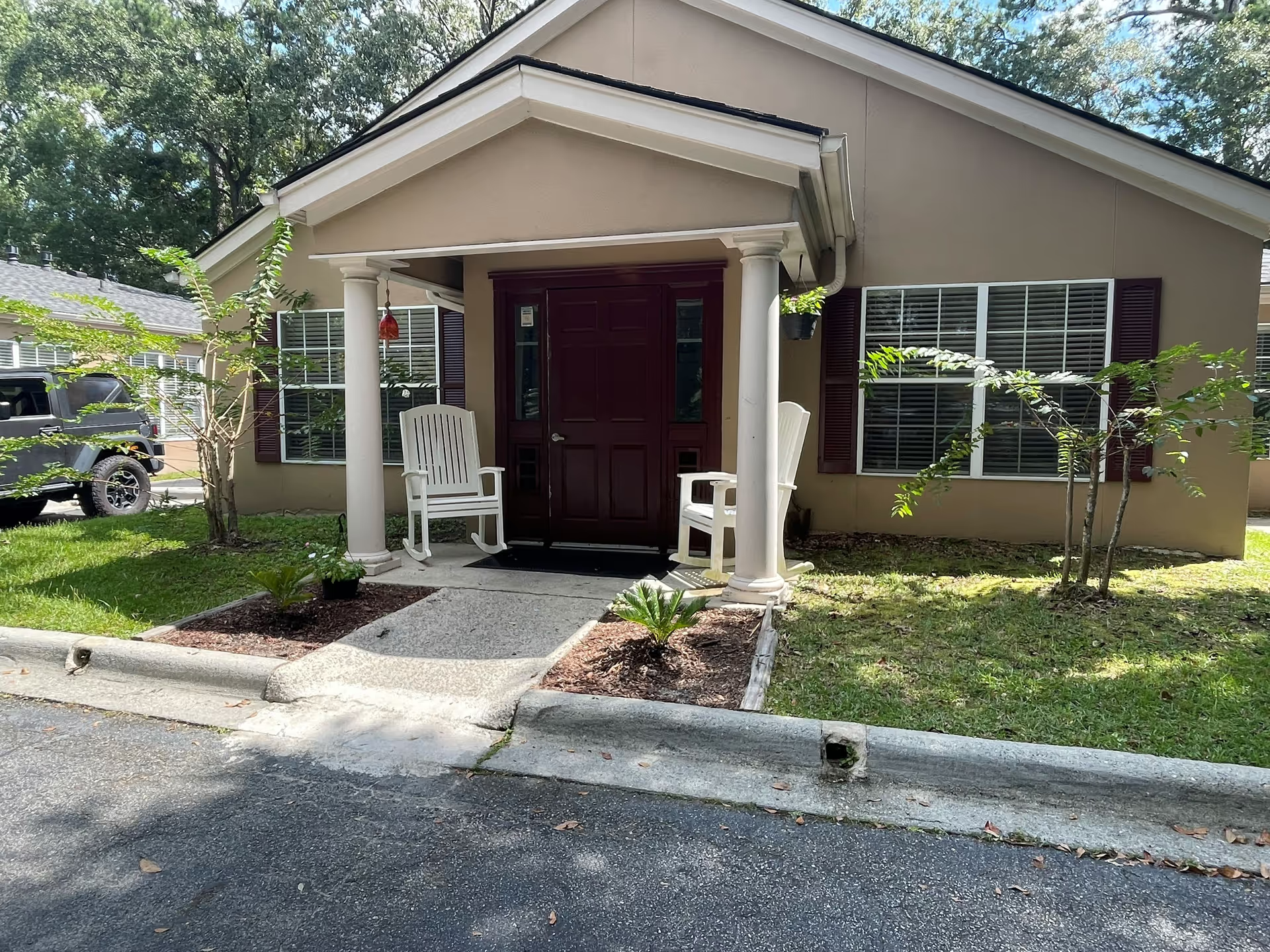
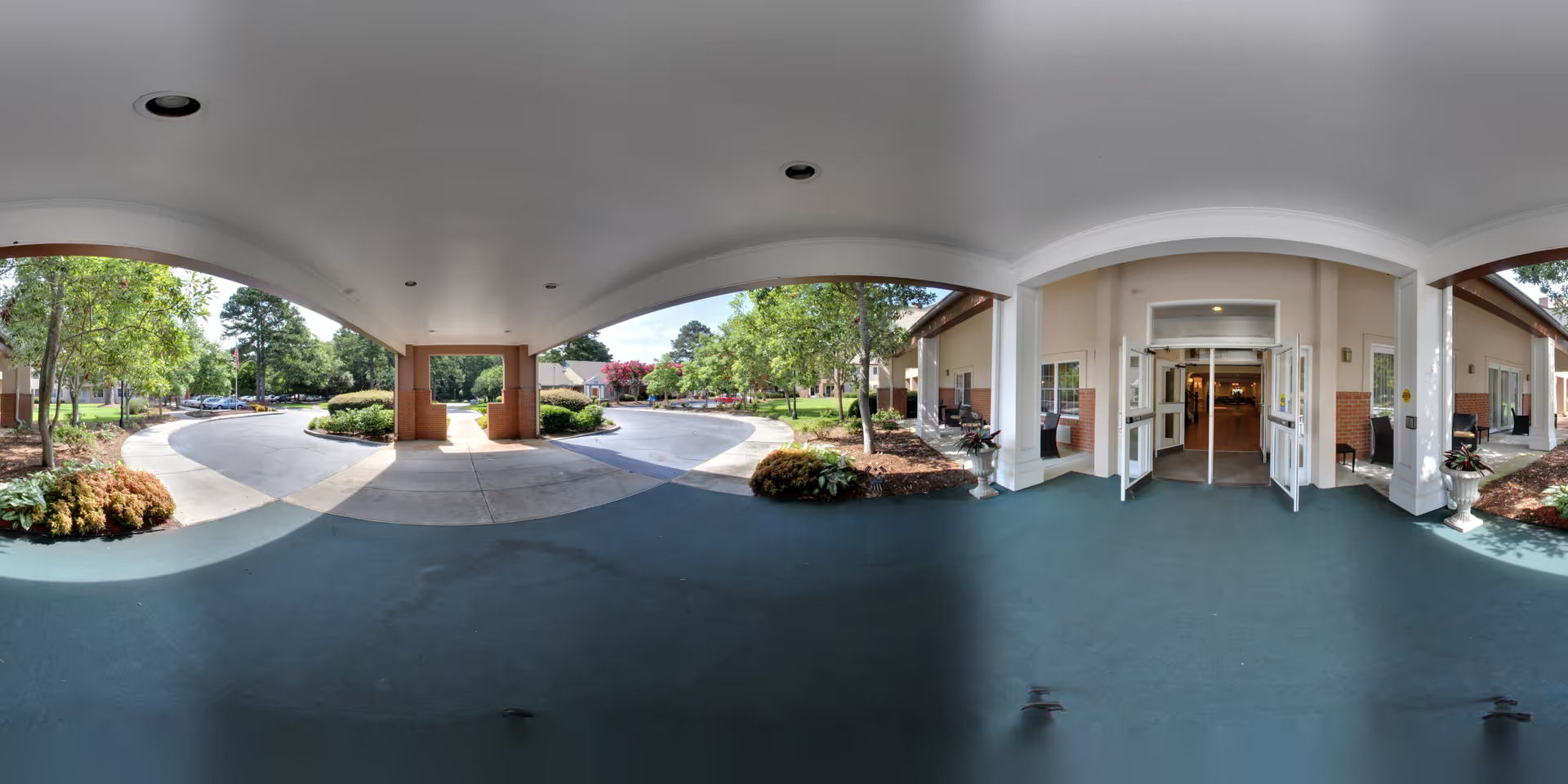
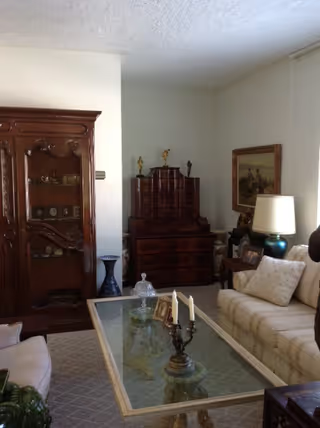
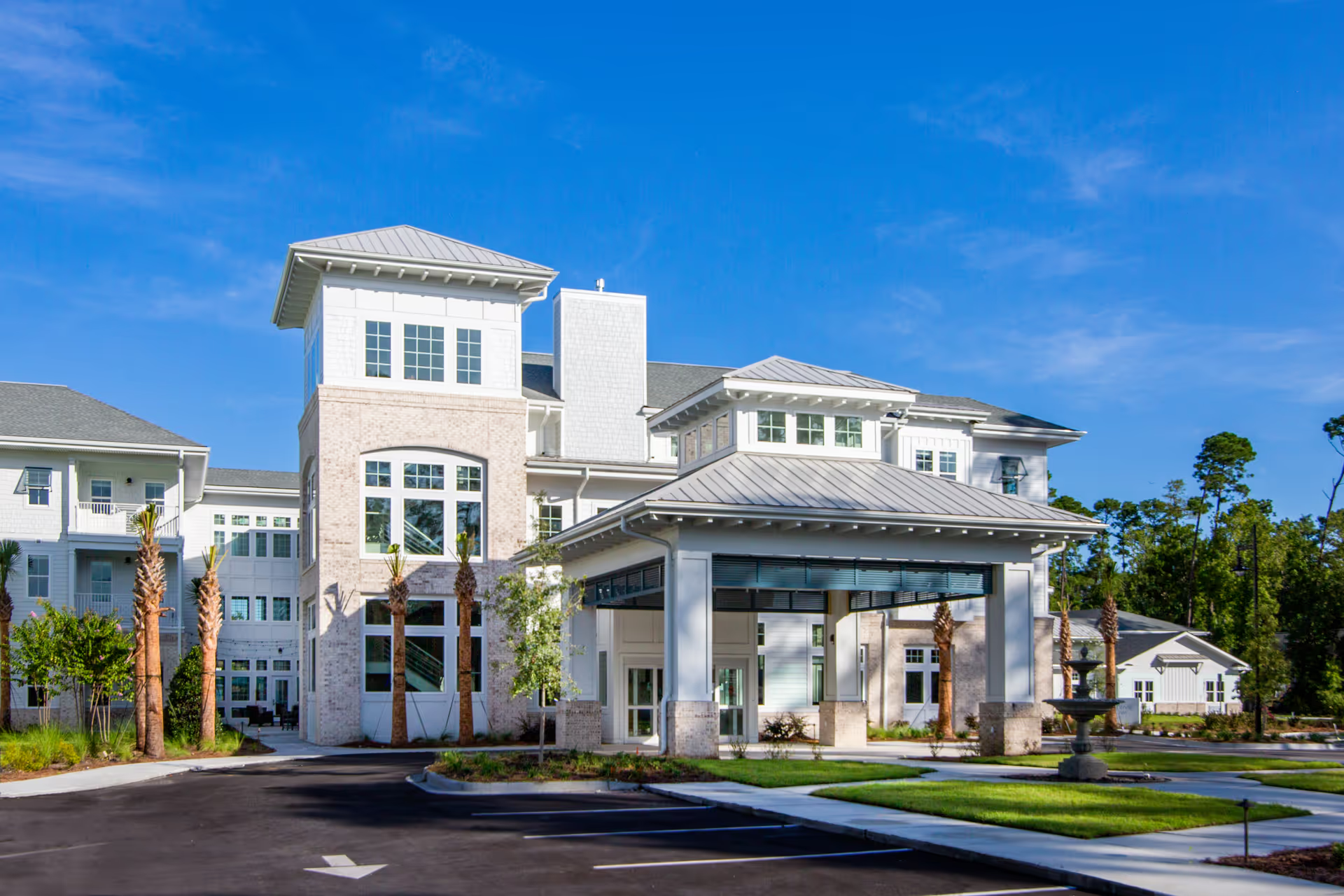
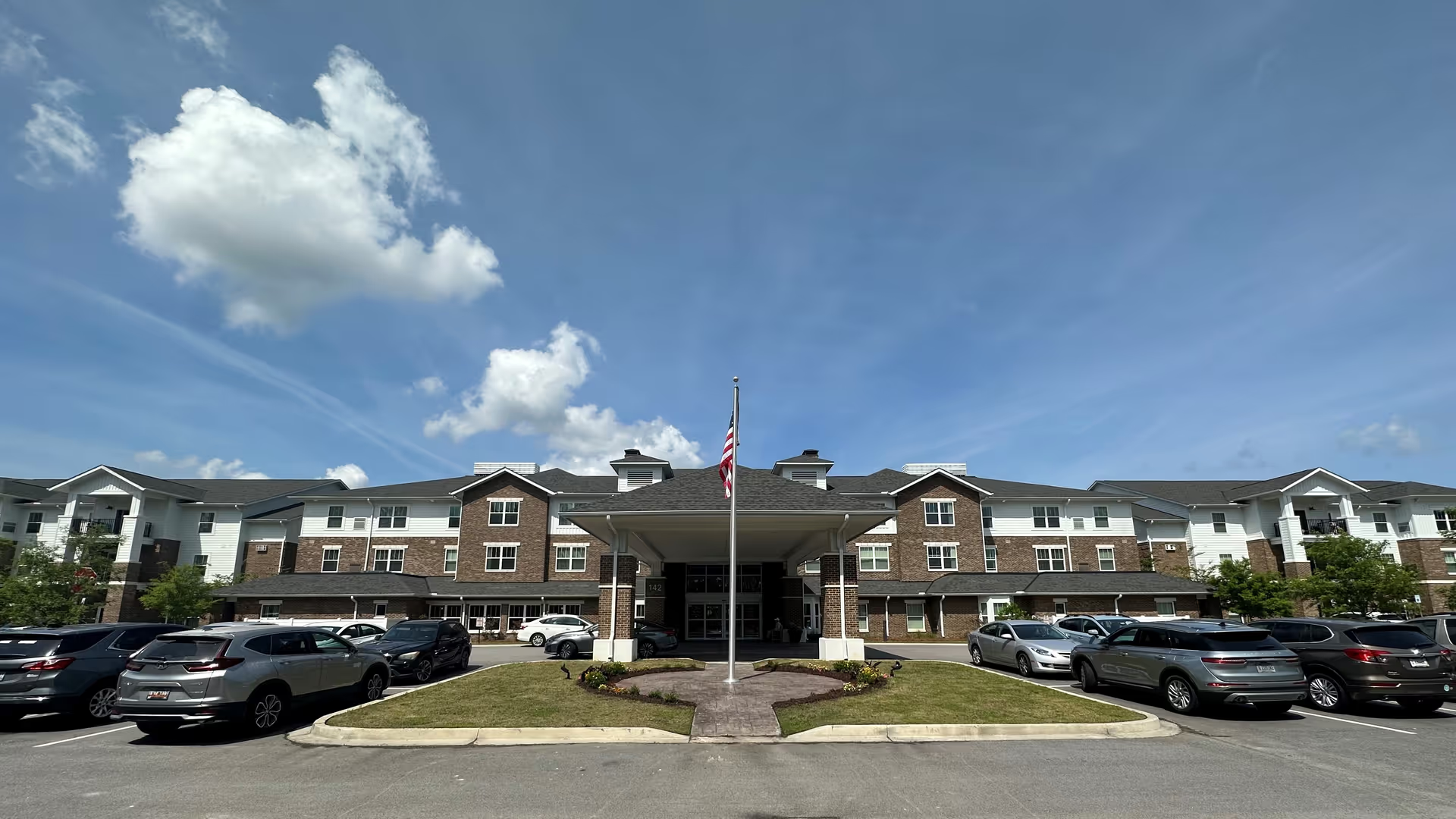
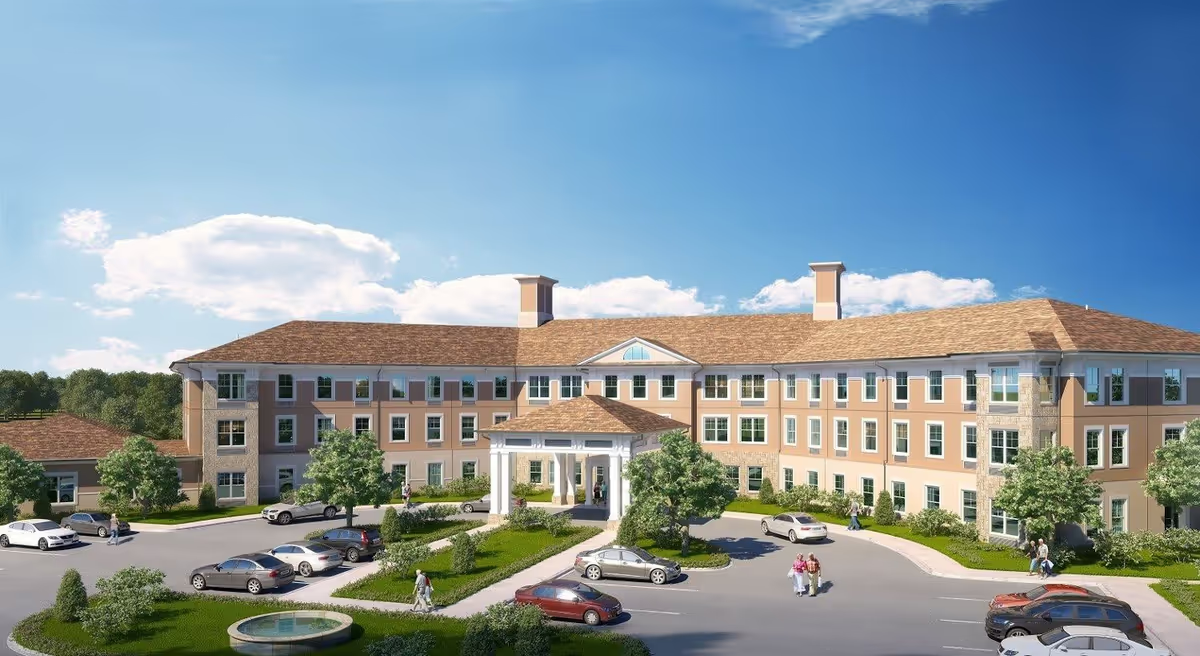
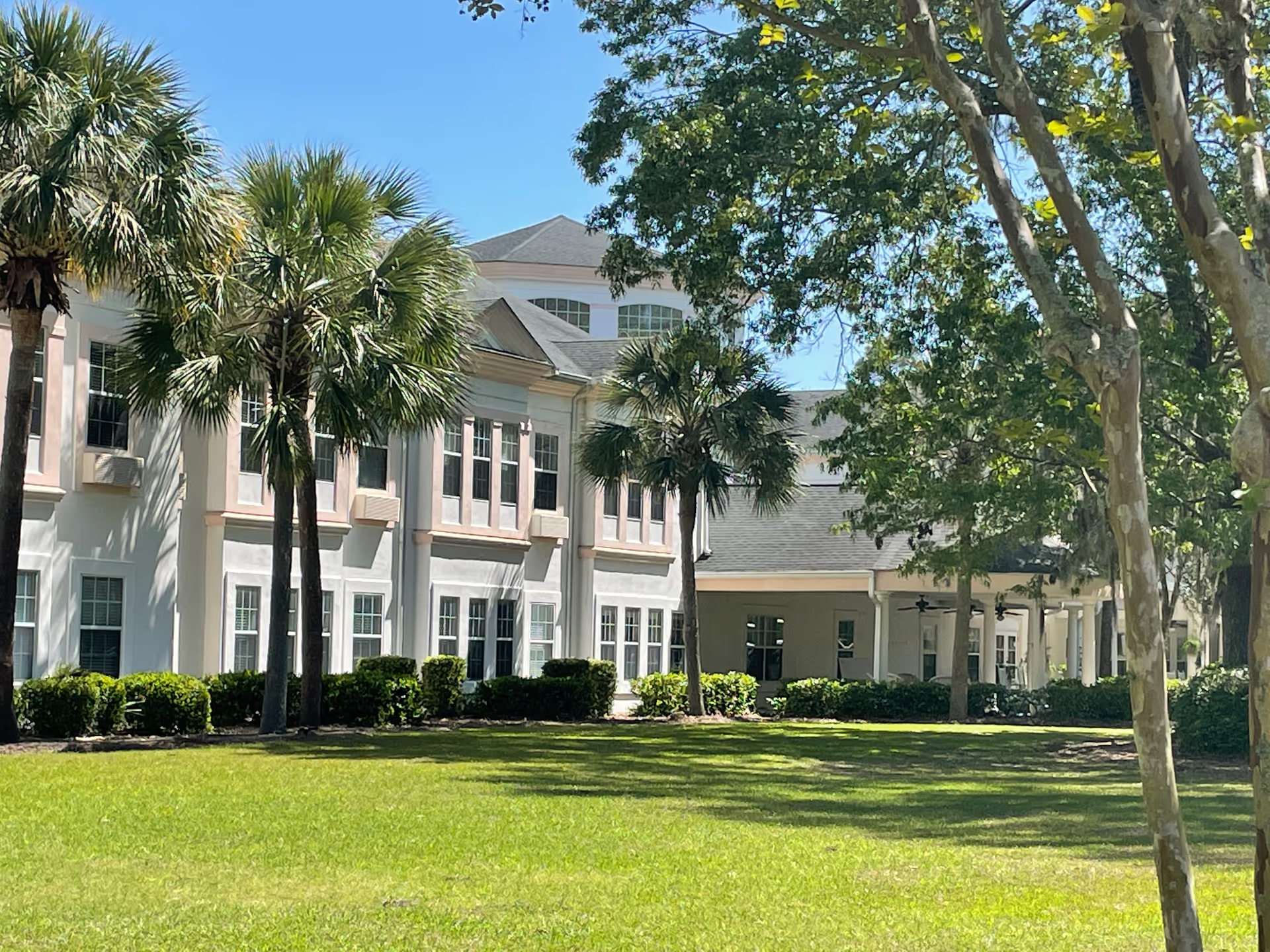
Facilities and environment The physical environment receives generally positive comments for renovated interiors, attractive common spaces, and a variety of apartment layouts (studios to two-bedrooms, some with kitchens). On-site conveniences (transportation, salon, therapy, guest quarters) add to the appeal. However, several reviewers noted variability between buildings: some areas feel newly renovated while others appear dated. Outdoor space is another recurring limitation — landscaped and charming in places but lacking continuous natural walking areas, private patios, or extensive grounds for walking.
Management, administration, and operations Leadership and some administrative staff receive praise for transparency, patient tours, and resident-focused problem solving. Named staff members were singled out for positive assistance. Contrasting this, operational issues also recur: billing errors (double charges or delayed credits), slow resolution of maintenance or kitchen-service complaints, and uneven onboarding for new residents. These administrative lapses affect family confidence even when direct-care interactions are positive.
Notable patterns and guidance for prospective families The dominant positive theme is a warm, activity-rich environment supported by many committed employees and robust amenities. The dominant negatives are operational: staffing instability, inconsistent clinical responsiveness and food-service consistency, administrative/billing errors, and some serious safety-related allegations that reviewers felt should be investigated. Prospective residents and families who prioritize social programming, on-site therapy, and a community atmosphere will find many strengths here; those who require consistently high clinical responsiveness or extensive private outdoor space should probe staffing levels, response protocols, and recent outcomes in assisted and memory-care units during a tour. It is advisable to ask management about staffing ratios, recent staffing turnover, mechanisms for incident reporting and resolution, and billing practices to get a current operational snapshot.