Overall impression: Reviews describe a facility with clear strengths in memory-care specialization and a warm, home-like environment. Families frequently praise the caregiving staff for compassion, dementia-specific knowledge, and individualized attention. The small size of the community and private-room configuration are highlighted as contributors to a quiet, intimate setting that many residents and families find comforting.
Care and staff: Most comments emphasize strong caregiving quality — patient, respectful interactions and staff who understand Alzheimer’s and other memory disorders. Reviewers note responsive transitions from hospitals, thorough room setups, and staff who engage residents in conversation and activities. However, there is a contrasting pattern of management- and operations-related concerns that appear to affect staff stability. Several accounts point to high turnover, reports of staff leaving, and inconsistent attentiveness in certain shifts, which suggests variability in day-to-day staffing levels and responsiveness.
Dining and activities: Dining is consistently mentioned as a positive feature. Multiple reviewers compliment meal quality, nutritious offerings, and special-event dining (holiday-style presentations). Activity programming is also a prominent strength — organized recreation, live music, game sessions, happy hours (including nonalcoholic options), and off-site trips are cited as supporting resident engagement and socialization. That said, a few reviewers described lapses in activity delivery at times, indicating program consistency may vary depending on staffing or management oversight.
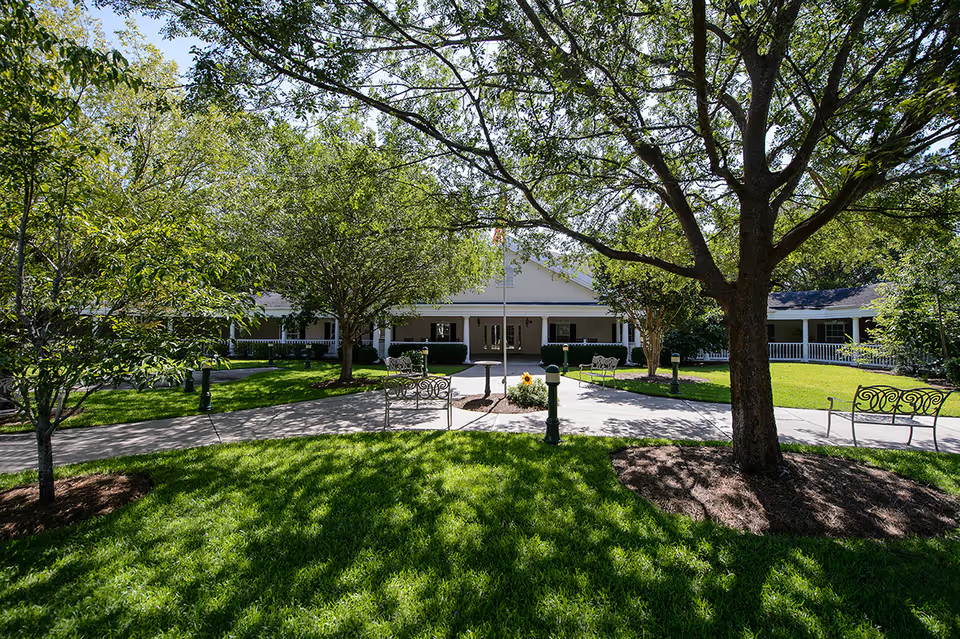
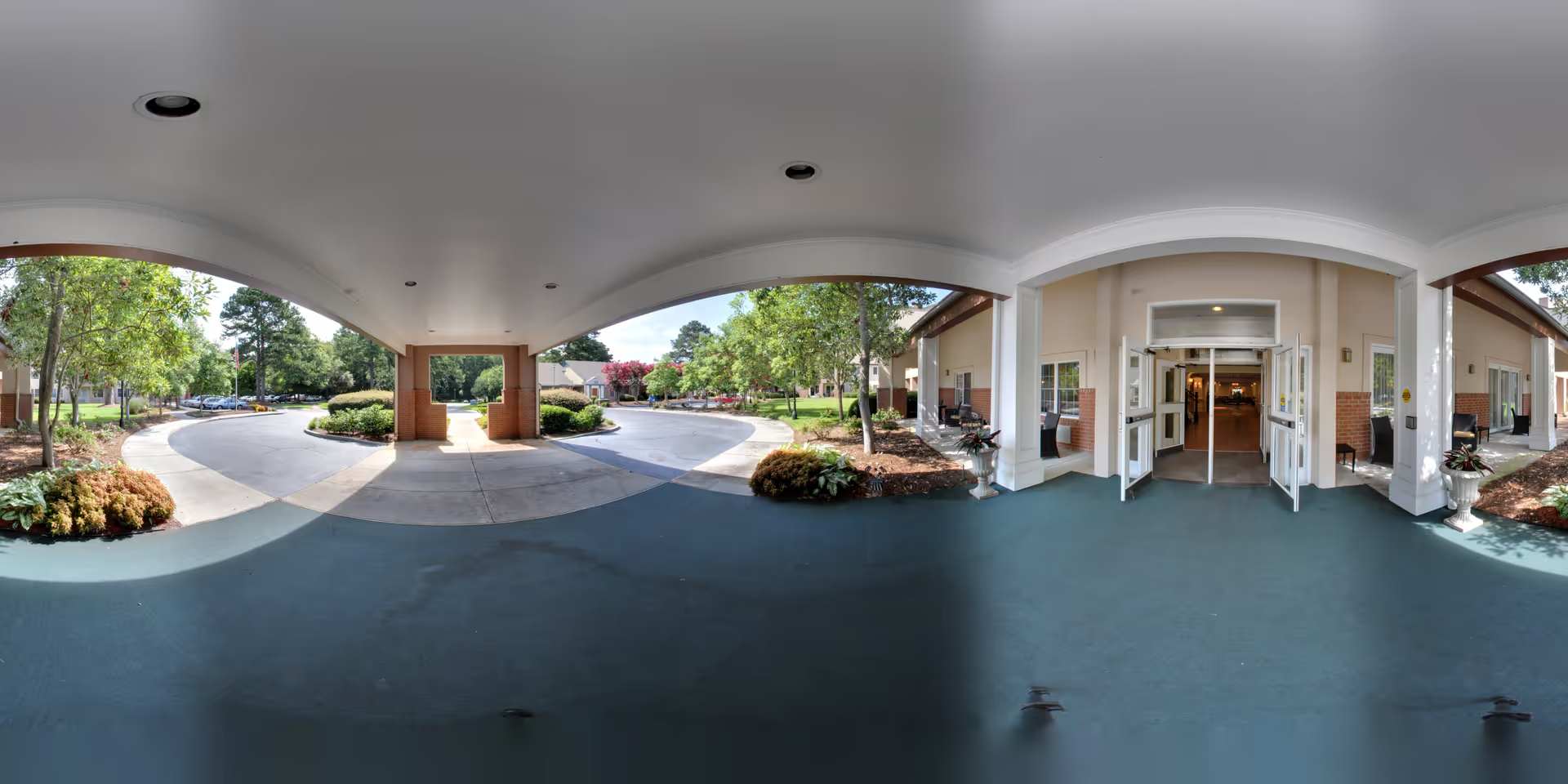
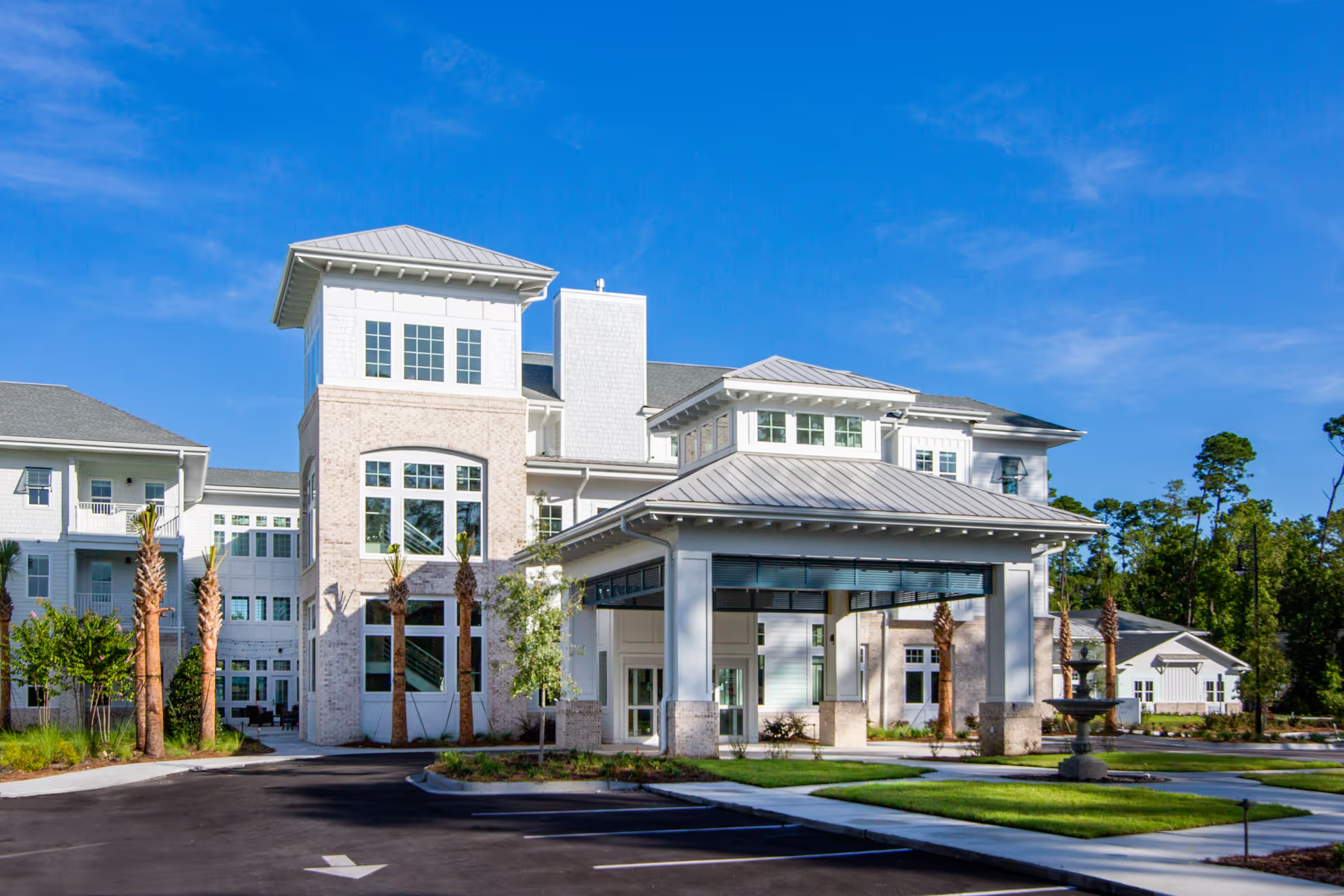
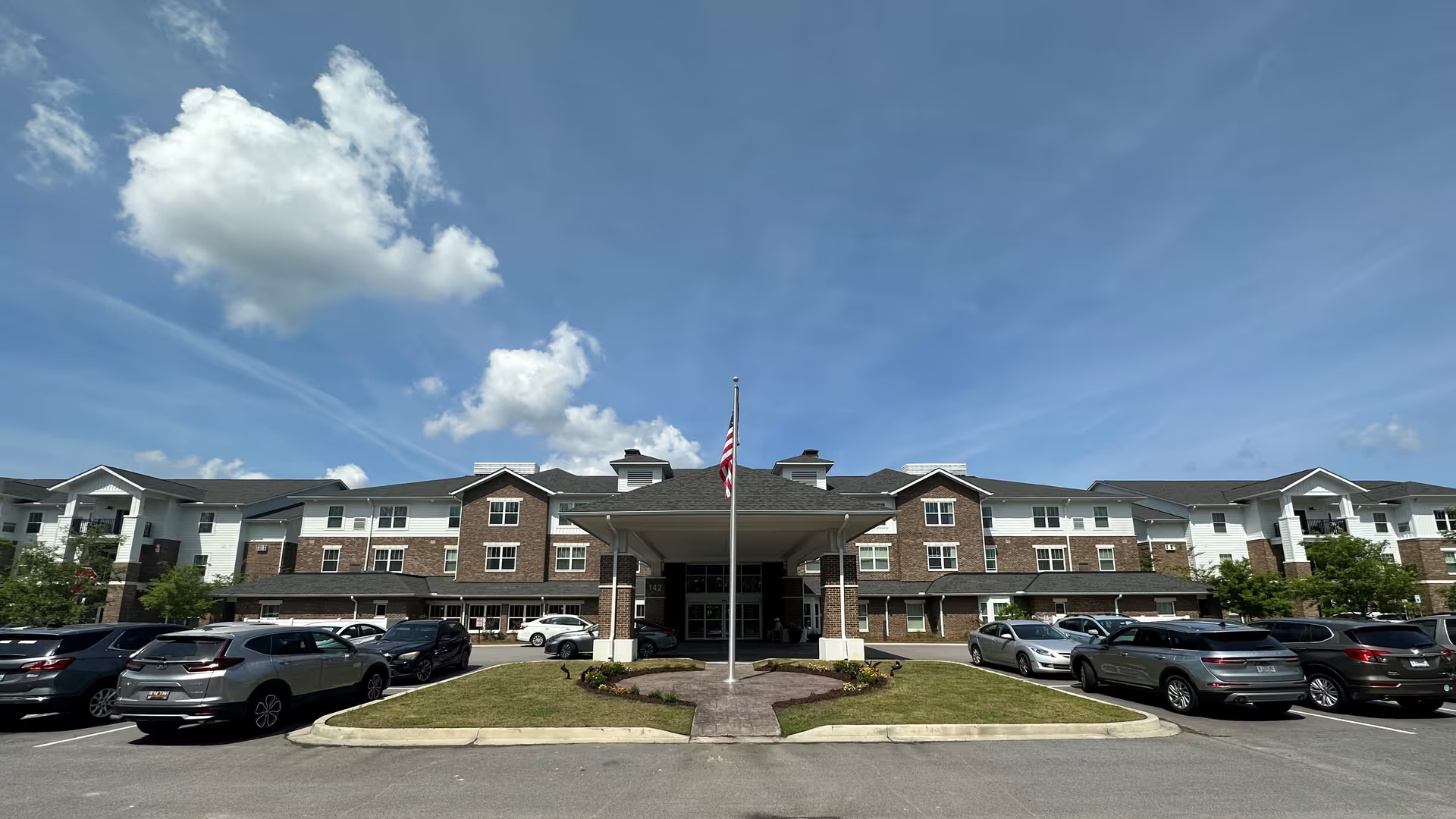
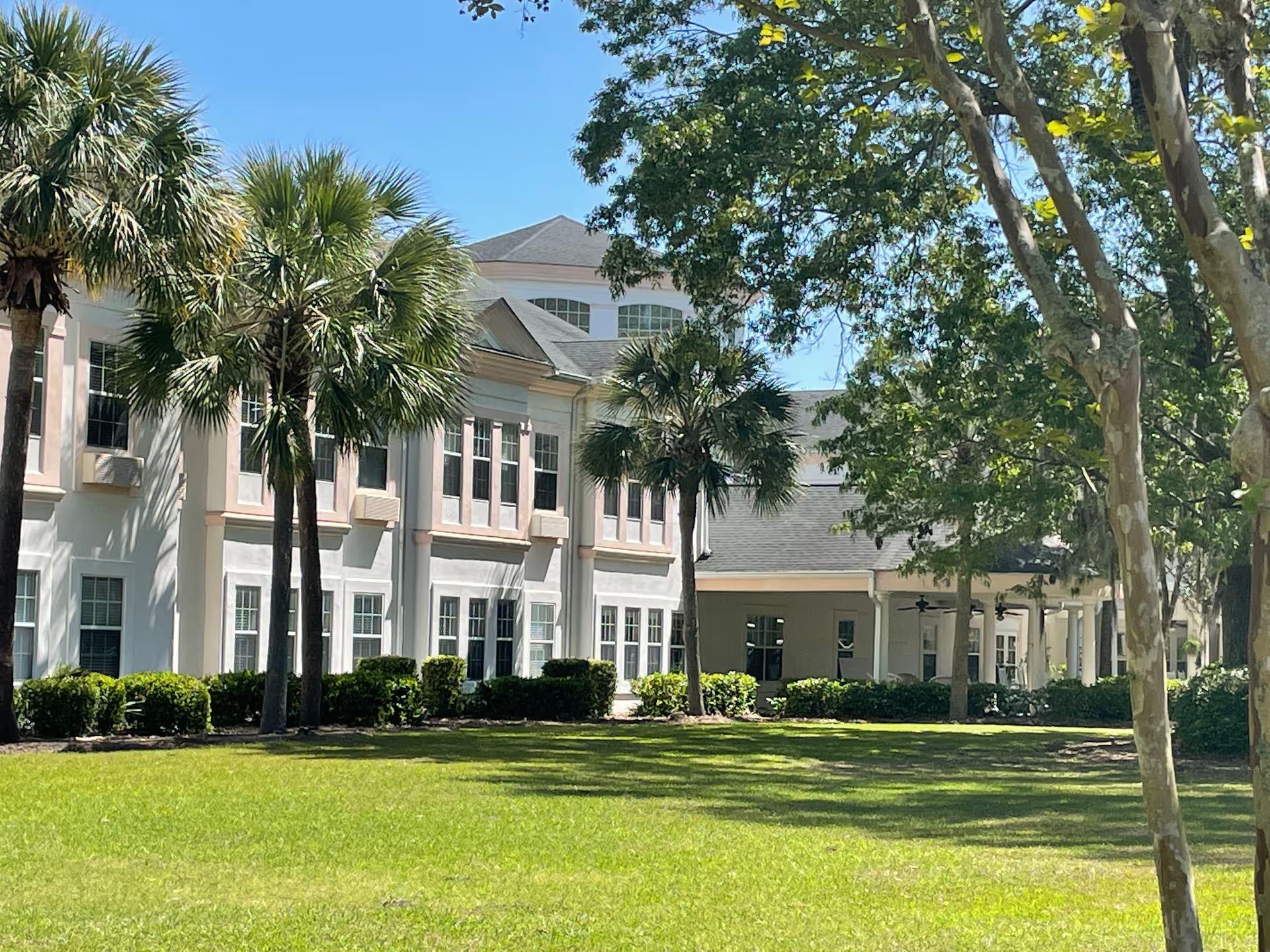
Facilities and grounds: The property is described as well maintained, with neat landscaping and clean common areas. The facility’s small scale (roughly 40–50 residents in accounts) and private facilities are seen as beneficial for privacy and a homelike ambiance. Respite and short-stay options are available according to some descriptions.
Management and operational patterns: Management is the most mixed area in the feedback. Positive notes include owners and administrators who are present, communicative, and accommodating. Conversely, other comments raise concerns about management responsiveness, corporate oversight, and enforcement of policies. Operational weaknesses include payroll and HR-control gaps (including an unpaid-wages/payroll issue cited), emergency-preparedness shortcomings (a power-outage event without backup power is referenced), and inconsistent policy enforcement (examples include smoking-policy concerns and uneven staff conduct). There is at least one serious claim involving documentation integrity; this is characterized here as an allegation and would warrant specific follow-up during any due diligence process. Additionally, a few reviewers perceived limited cultural-programming inclusivity (for example, lack of specific observances), which may be relevant for culturally specific care preferences.
What to verify on a visit: Prospective residents and families should confirm current staffing levels and turnover rates, review emergency-preparedness plans (including backup power and evacuation procedures), ask about payroll/HR stability and documentation practices, and observe activity programming across different times of day. Inquire about staff training in dementia care, examples of family communication protocols, and how cultural or holiday programming is planned and implemented. Overall, the facility demonstrates notable strengths in dementia-focused, person-centered care and community life, while operational and management consistency appear variable and merit direct verification.