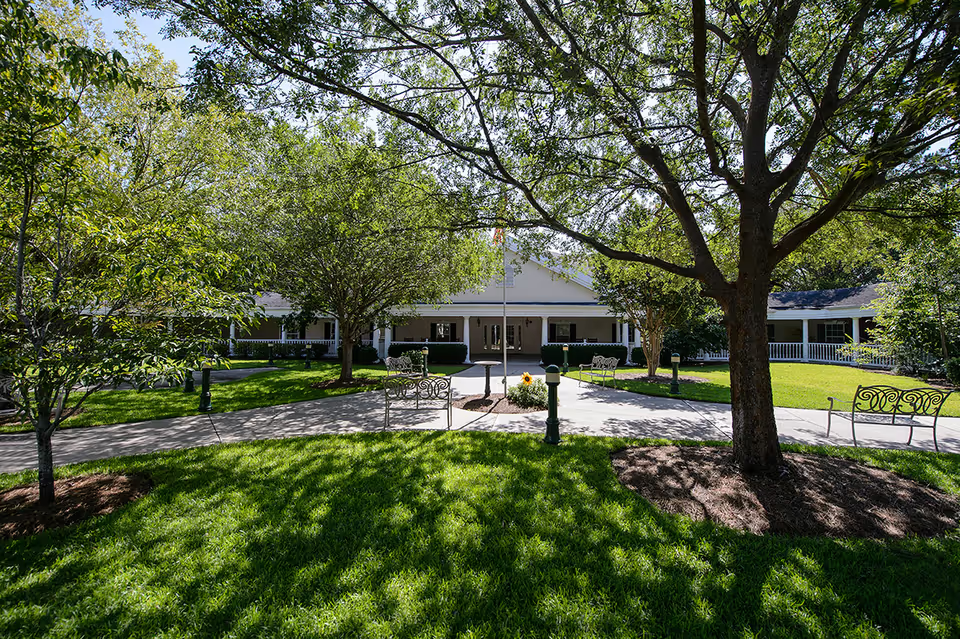
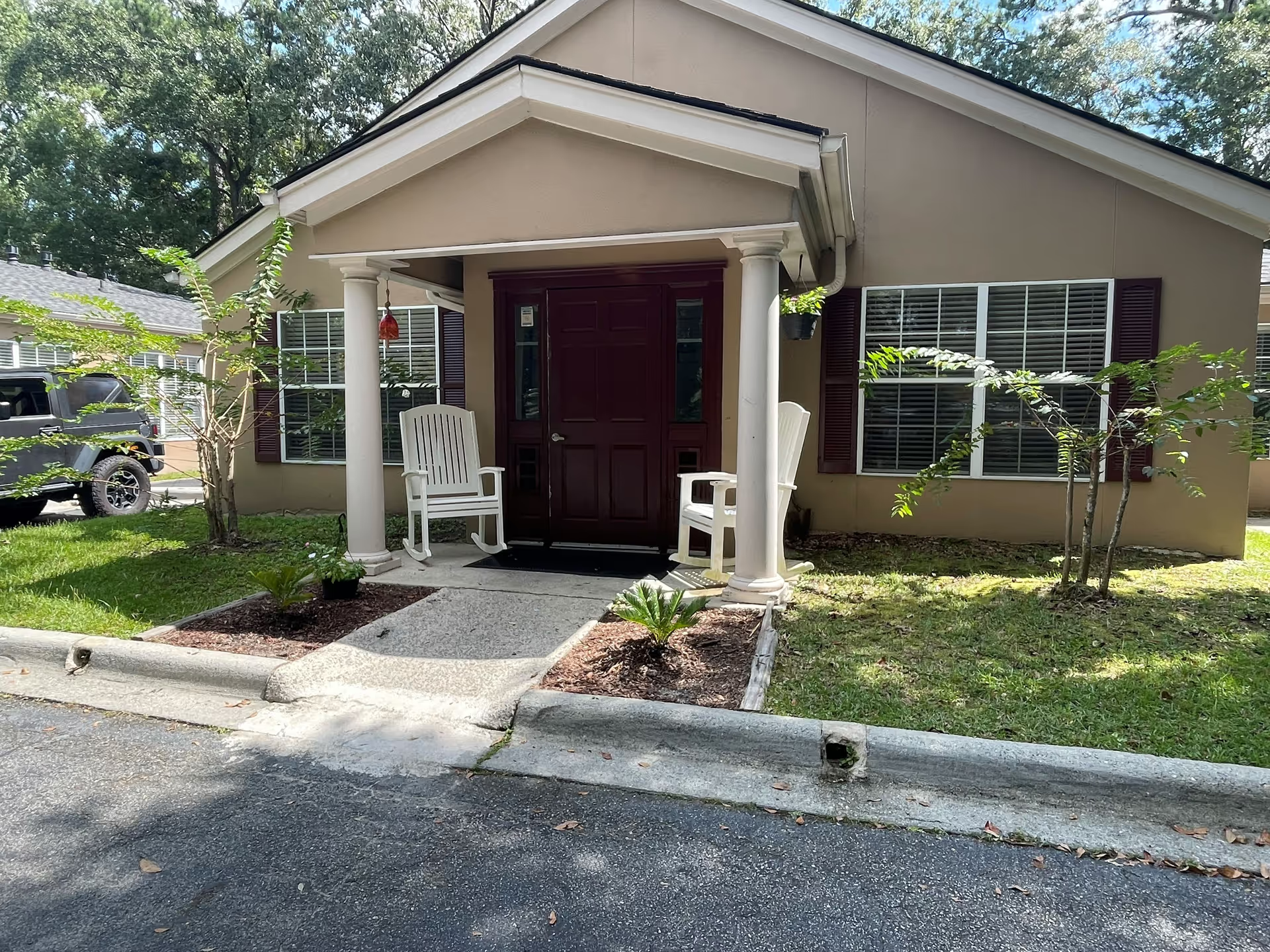
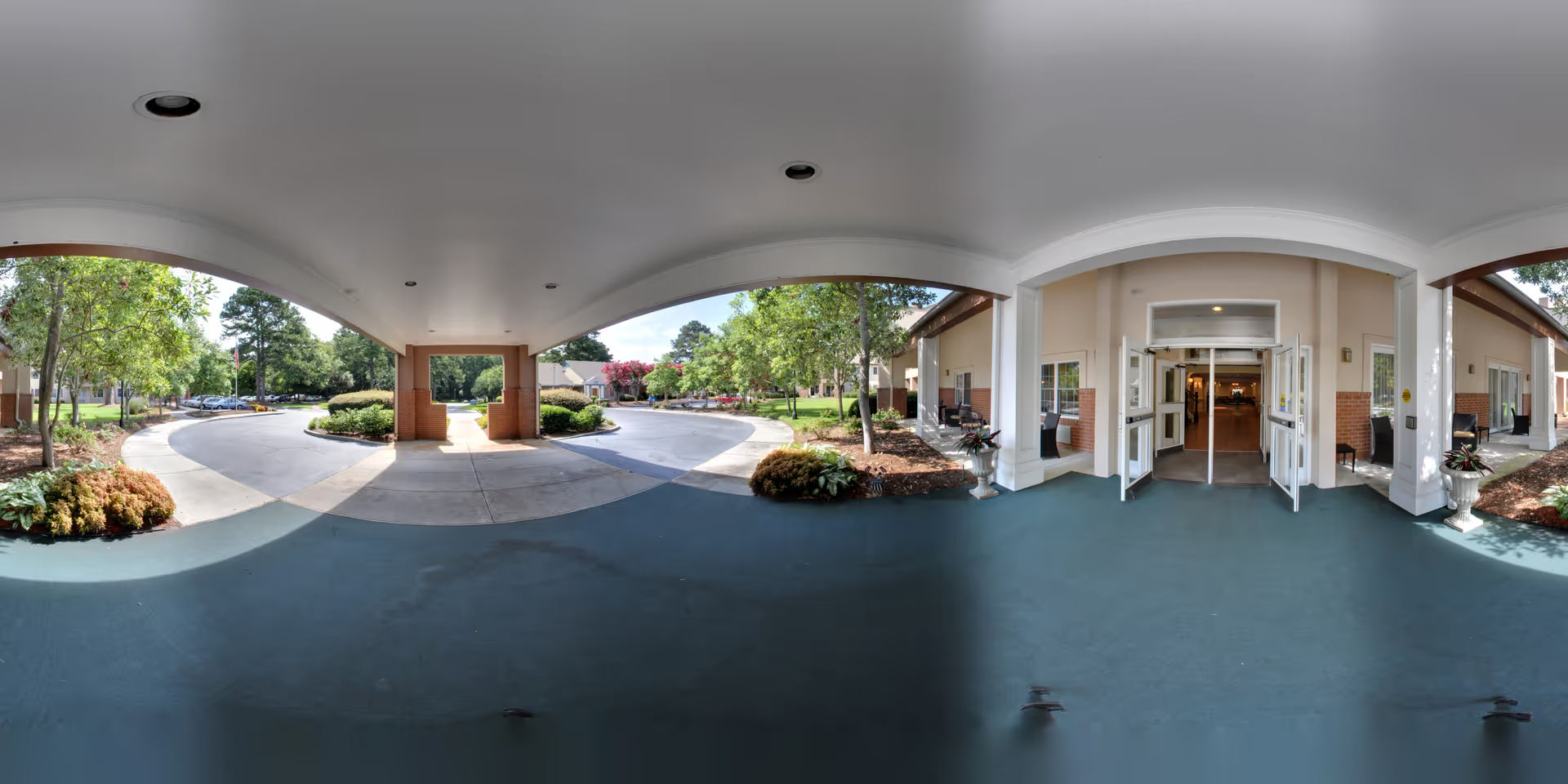
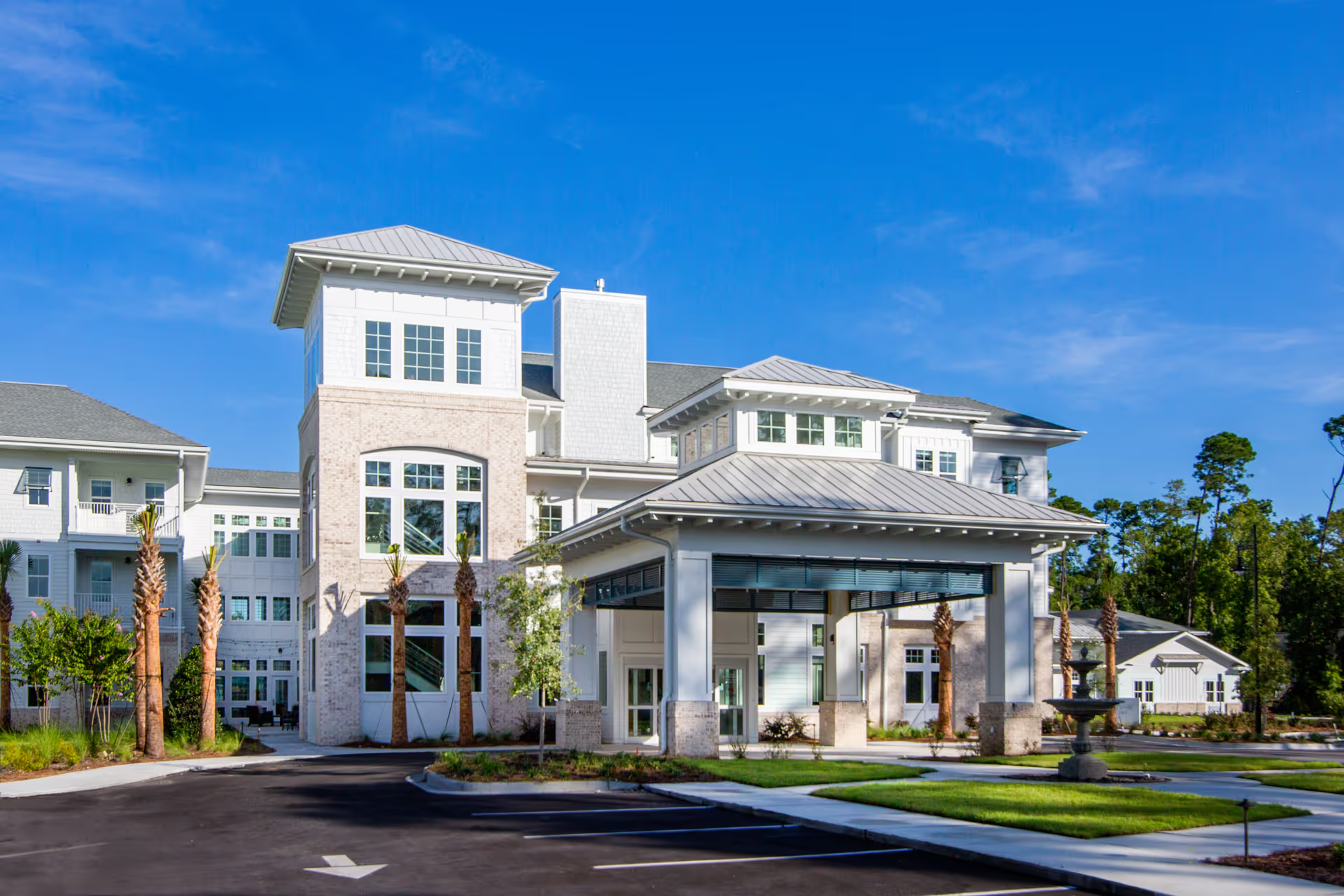
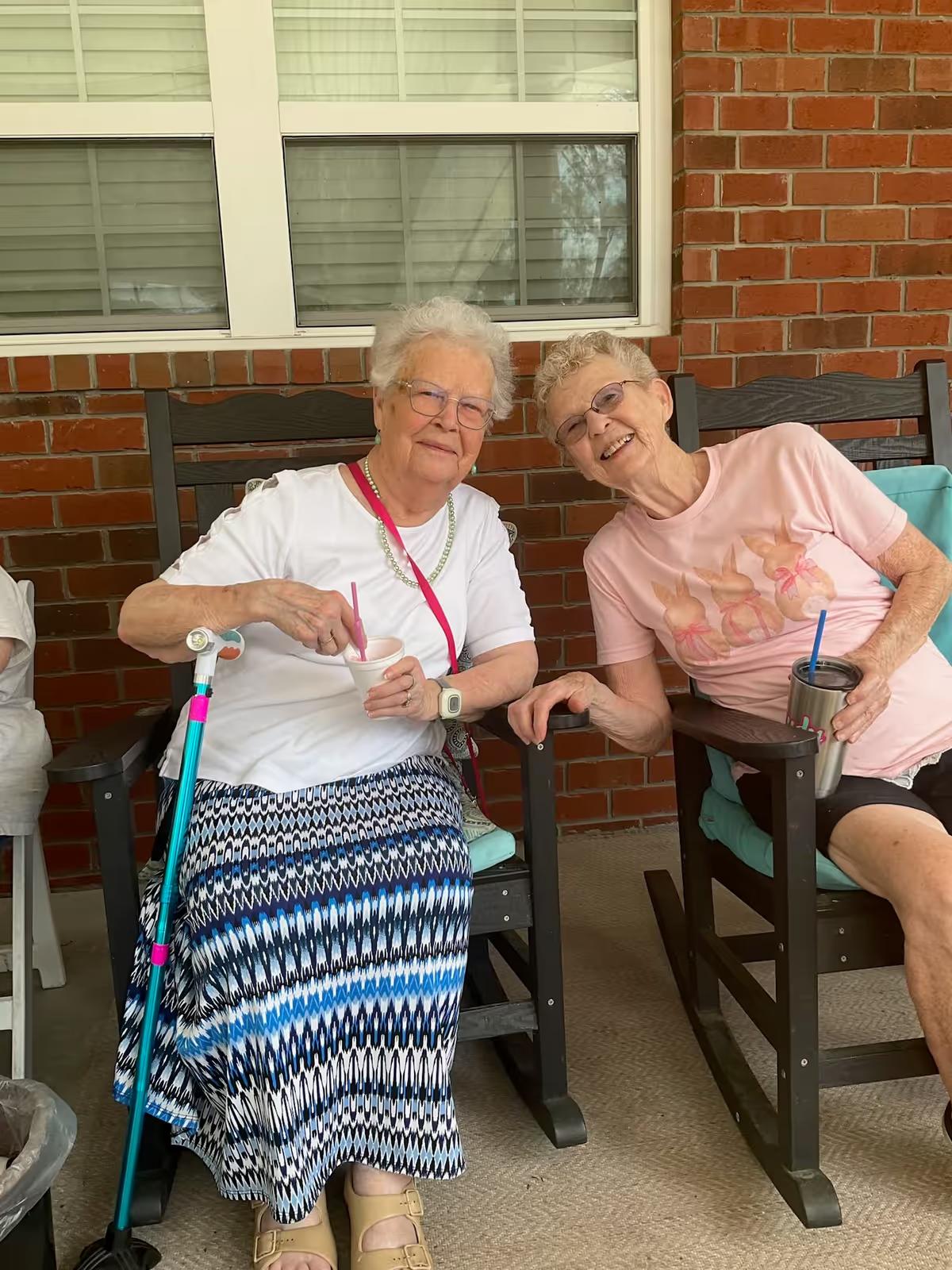
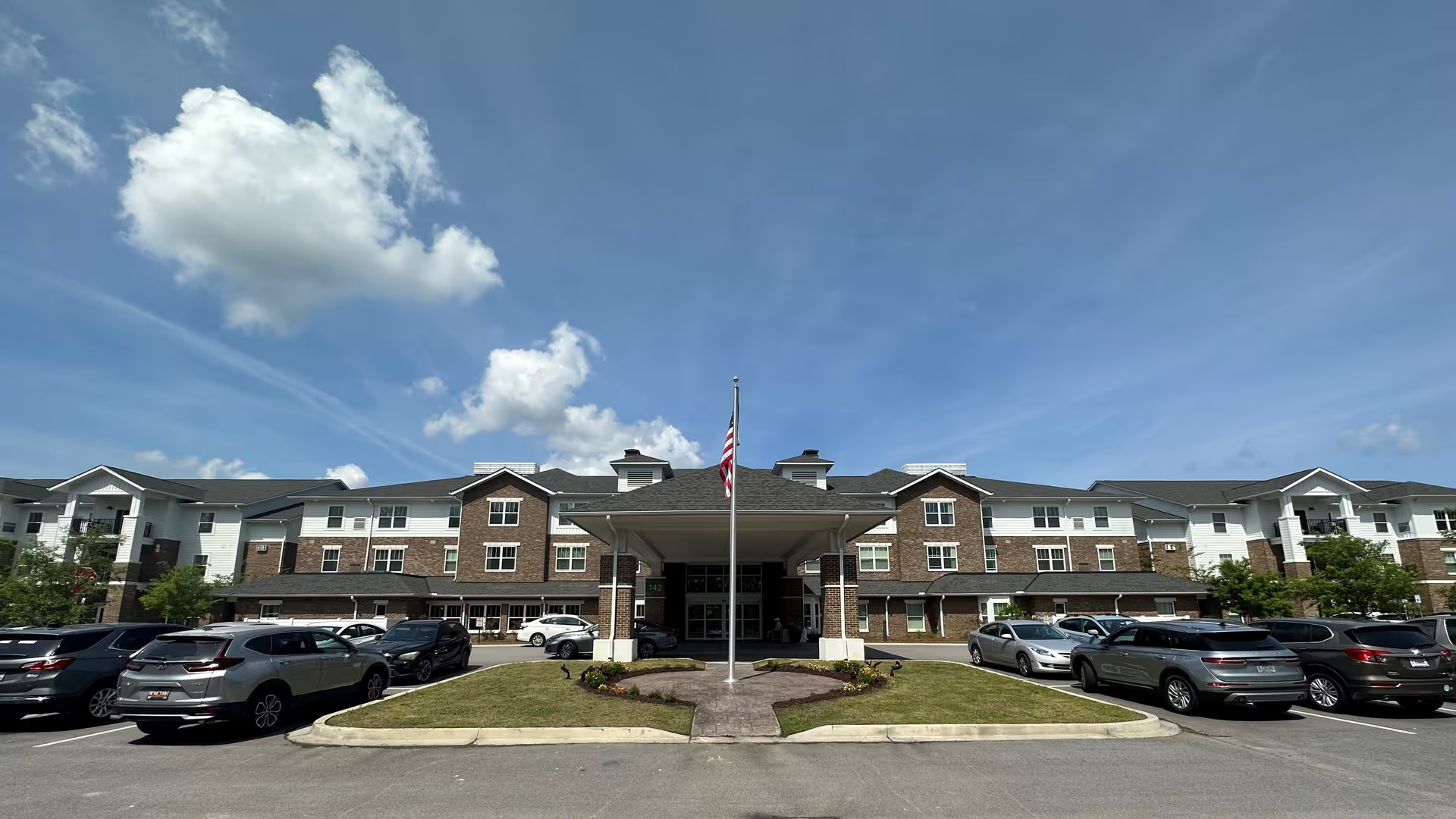
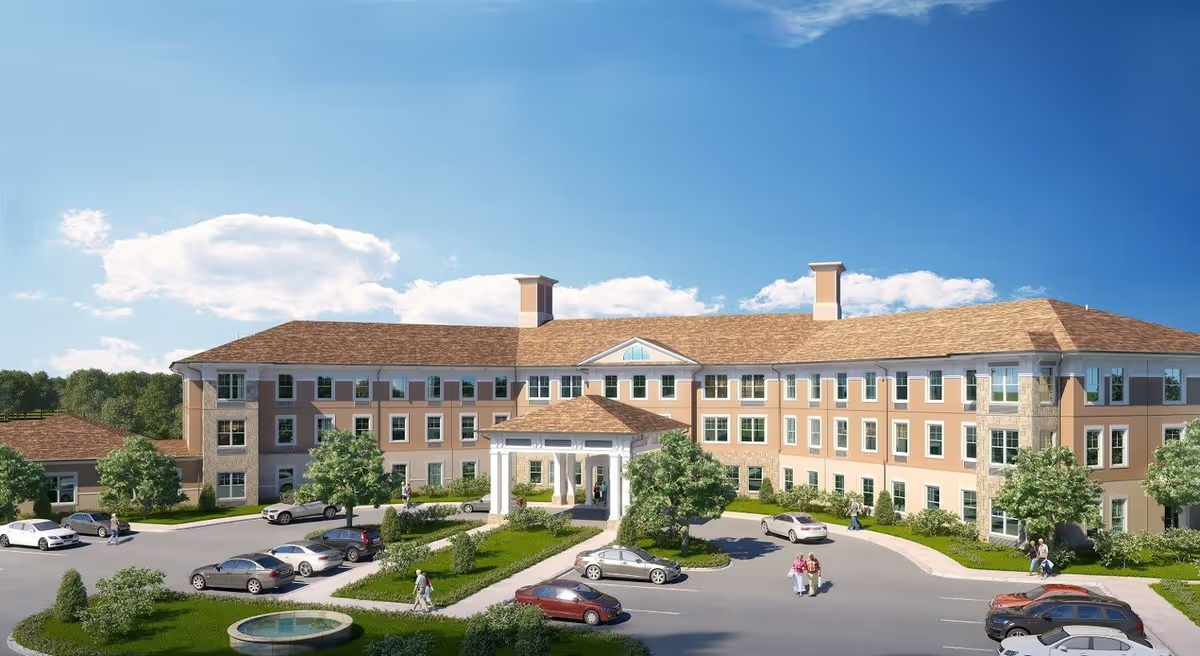
Magnolia Manor of Richmond Hill is frequently praised for its campus environment and social offerings. Reviewers consistently highlight attractive, well-landscaped grounds with ponds, fishing areas and screened patios or balconies that provide pleasant views. Apartments are described as spacious and well laid-out, often with full kitchens; common amenities include a heated pool, gym, salon, chapel and library. The campus model that combines independent and assisted living under one roof, along with transportation services, daily meal options, and a pet-friendly policy, contributes to a sense of convenience and community for many residents.
Care quality shows a clear distinction between independent living and assisted living. Independent-living residents and families commonly report a high level of autonomy, satisfaction with activities and responsiveness for non-clinical needs. Assisted-living services receive more mixed assessments: several accounts indicate limited clinical support and an expectation that residents be largely self-sufficient. This suggests the facility may be better suited to residents requiring minimal personal-care assistance; families considering higher-dependency care should verify staffing levels, clinical oversight, and transition protocols.
Staff and management are frequent focal points. Numerous comments praise individual caregivers, CMAs, and administrative staff for being compassionate, welcoming and helpful, and families report positive outcomes in rehabilitation and social integration. At the same time, reviewers also describe variability in staff conduct and responsiveness, and there are recurring concerns about nursing leadership, managerial communication, and billing processes. Administrative patterns described include delays in reimbursement, unclear transportation procedures, and occasional lapses in maintenance follow-up. Prospective residents should ask for clarification on supervisory structure, complaint resolution processes, and billing timelines.
Dining and activities are typically seen as strengths but with inconsistency. Many residents enjoy regular meals, themed events, exercise classes (including water aerobics), games, and spiritual programming. However, some reviewers report occasional cold or undercooked food and note that activity levels and offerings can be less robust for assisted-living residents. Facilities are generally well-kept inside, though reviewers cite aging elements—such as tubs needing replacement, pool access barriers for those with limited mobility, mildew on exterior surfaces, and intermittent maintenance delays—that may require targeted investment.
Notable patterns to consider: connectivity is strong in common areas but may be limited in individual apartments; the facility operates on a private-pay, no-entry-fee model which can be competitive but may feel costly depending on required services; and while social life and staff compassion are frequently emphasized, operational weaknesses (billing, maintenance responsiveness, and assisted-living clinical depth) appear repeatedly. For families evaluating Magnolia Manor, recommended due diligence includes confirming assisted-living staffing ratios and clinical capabilities, inspecting accessibility features (bathrooms, pool access, transfer aids), reviewing recent maintenance and renovation plans, clarifying billing and reimbursement timelines, and observing activity programming across both independent and assisted areas.