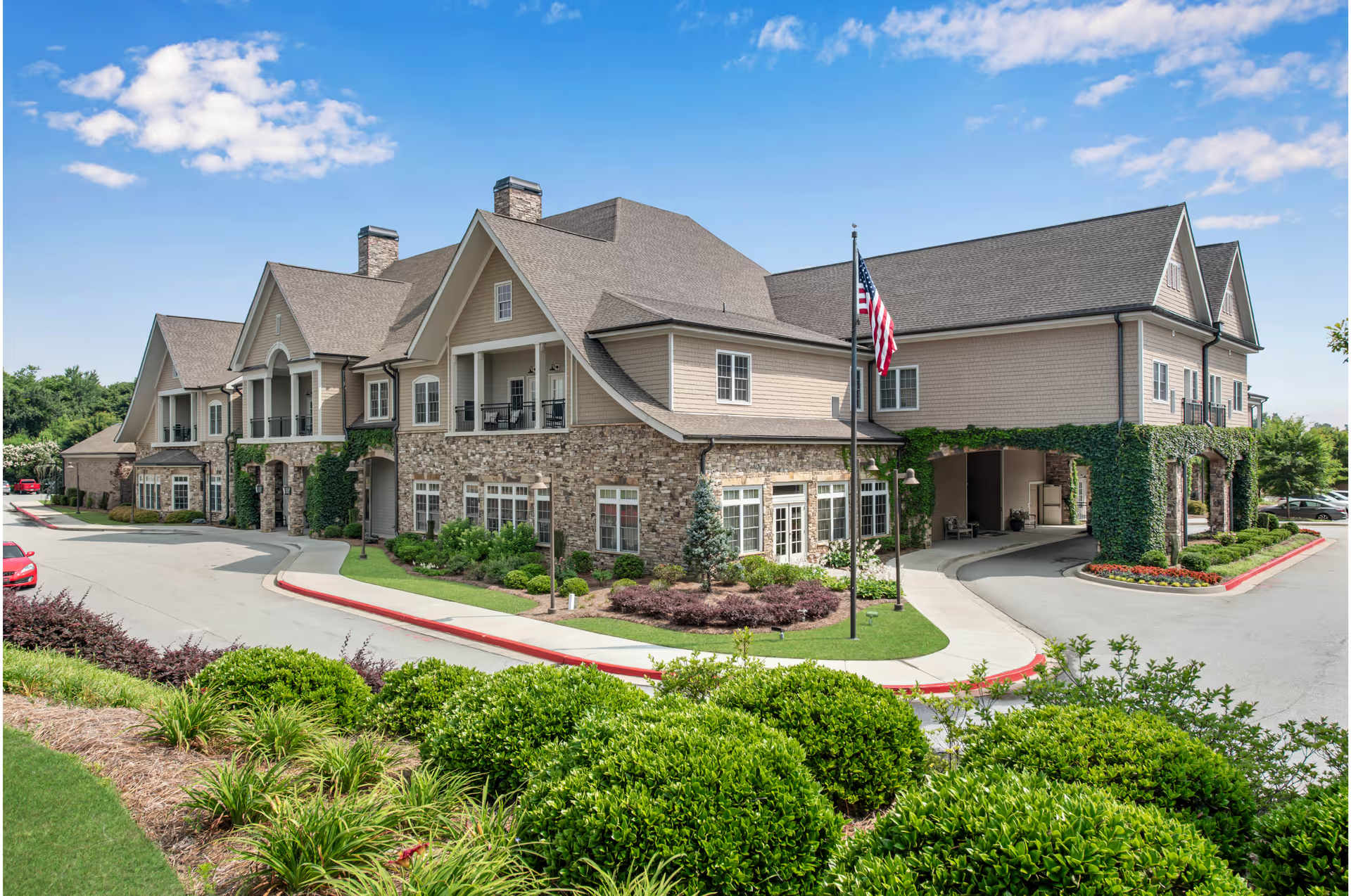
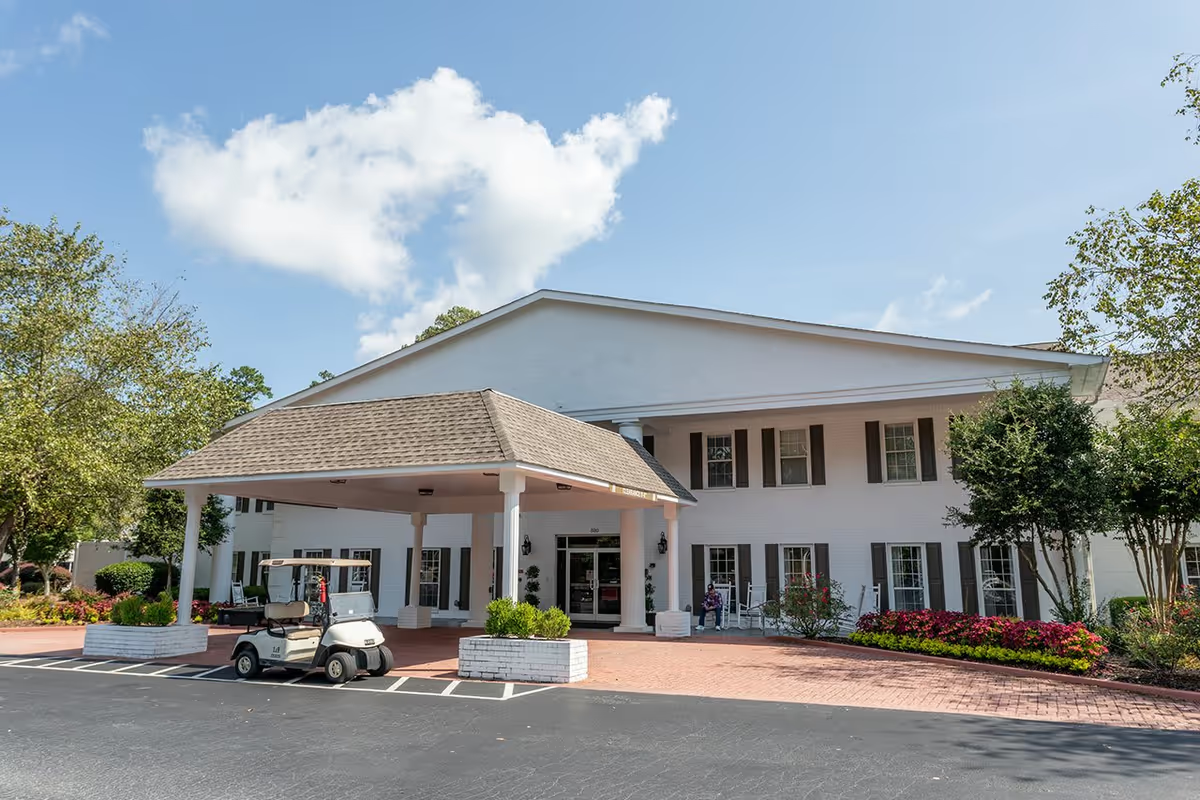
Parkside Post Acute and Rehabilitation Center elicits strongly mixed but clearly patterned feedback. Many families and patients praise the clinical teams — particularly physical and occupational therapists, wound- and tracheostomy-care clinicians, and numerous nursing staff and CNAs — for compassionate bedside care, measurable rehabilitation progress, and successful discharges home. Reviewers frequently describe an organized admissions/business office, a generally clean and welcoming interior, active social programming and recreational events, and the availability of transitional and hospice services within the center.
At the same time, a recurring cluster of operational concerns appears across reviews. Staffing levels and floor coverage are described as inconsistent, producing delayed responses to call bells and requests for assistance. Several accounts point to variability in staff training and supervision that results in uneven care quality across shifts and units. Clinical process weaknesses are also cited: gaps in documentation, discharge paperwork errors, medication-administration inconsistencies, and delayed specialty follow-up. These issues have, in multiple instances, required family advocacy and administrative follow-up.
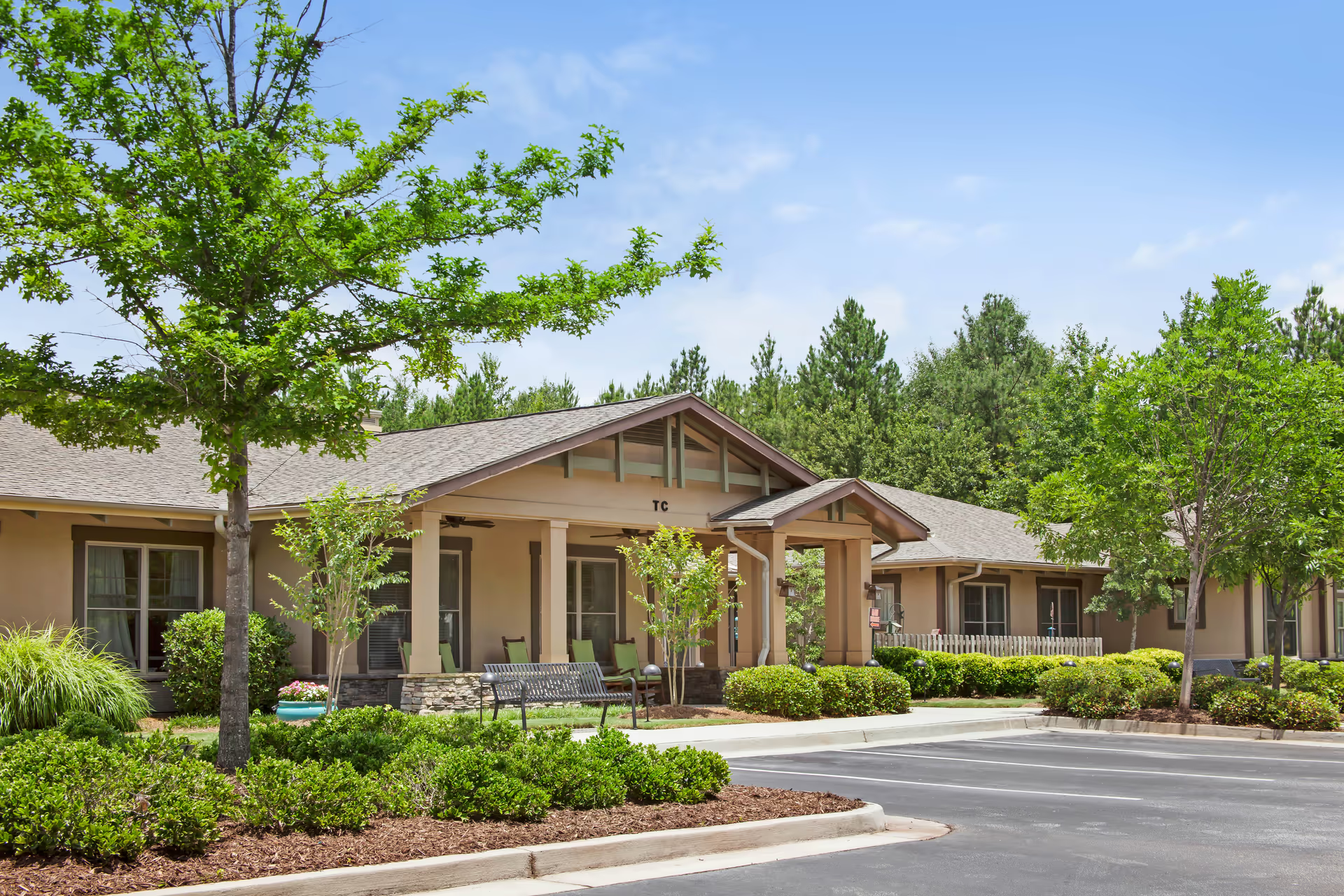
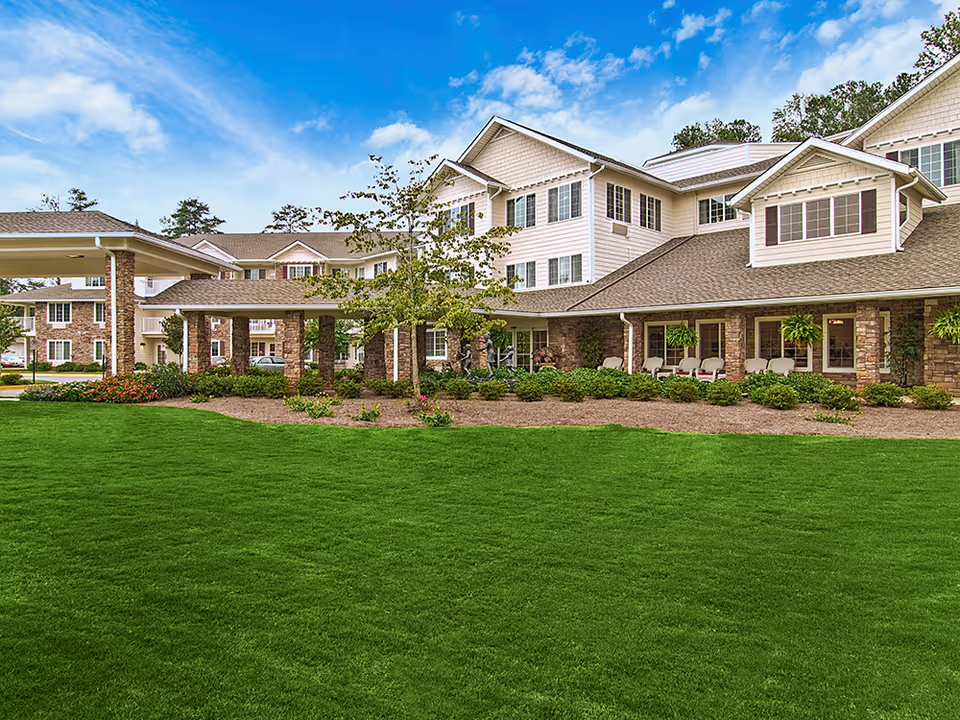
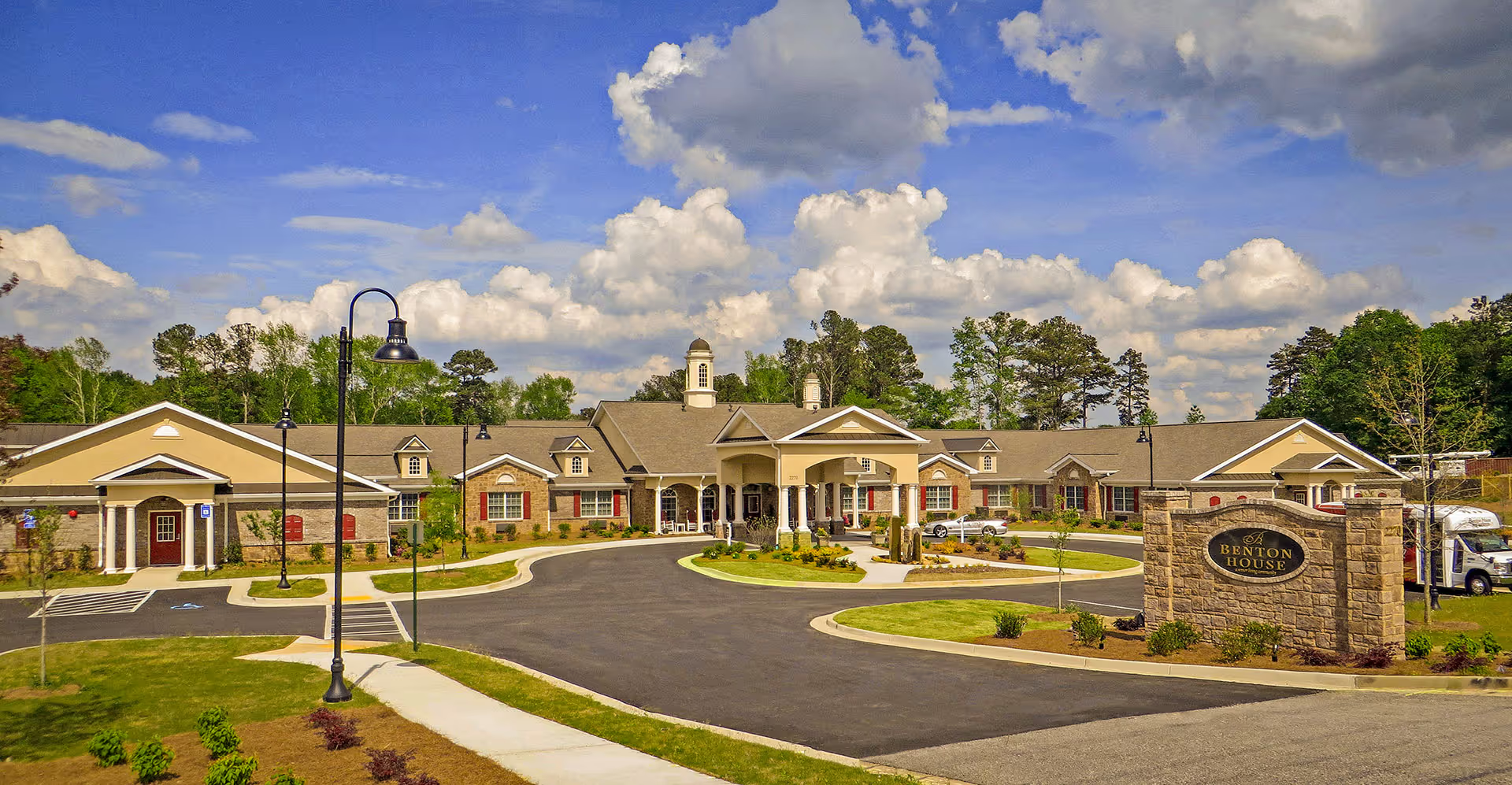
Dining and ancillary services receive mixed comments. Many reviewers note good meals and helpful dining staff, engaging activities, and responsive social services; however, there are repeated comments about cold or incomplete meal service, limited weekend menu options, laundry returns and personal-item handling problems, and occasional lapses in pantry or room amenities. Facility condition feedback is similarly mixed: common areas and dining rooms are often described as clean and well-kept, but an older building, localized maintenance needs, and pest-control concerns are reported in some areas.
Communication and management are another area of divergence. Several individual staff members and service lines are singled out for excellent communication and family updates, while other families describe difficulty getting timely administrative responses, inconsistent social-work engagement, and rigid visitation restrictions during infection-control periods. Safety-related themes also recur: concerns about roommate arrangements, transfer and fall-prevention processes, and the need for clearer documentation and incident follow-up. A number of reviewers raised serious concerns following adverse clinical events; these accounts underscore the importance of robust clinical oversight, timely escalation protocols, and transparent family communication.
In summary, Parkside demonstrates clear strengths in rehabilitation therapy, certain nursing and ancillary teams, and social/activities programming, which produce many positive patient outcomes. Prospective residents and families should weigh those strengths against reported operational weaknesses — notably variable staffing, documentation and medication follow-up issues, maintenance and laundry management, and inconsistent communication — and consider on-site discussions with leadership about staffing patterns, incident-reporting processes, visitation policies, and individualized care plans before admission.