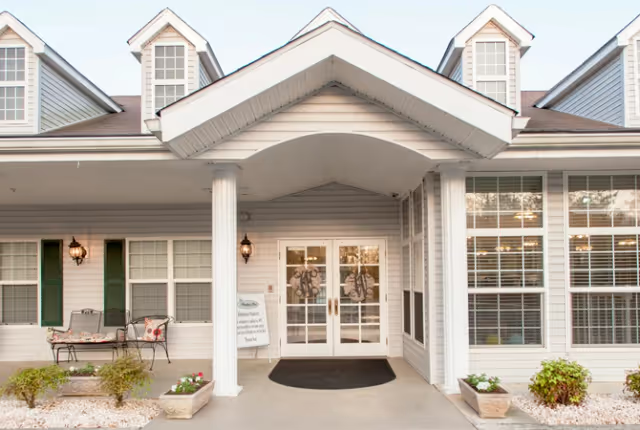
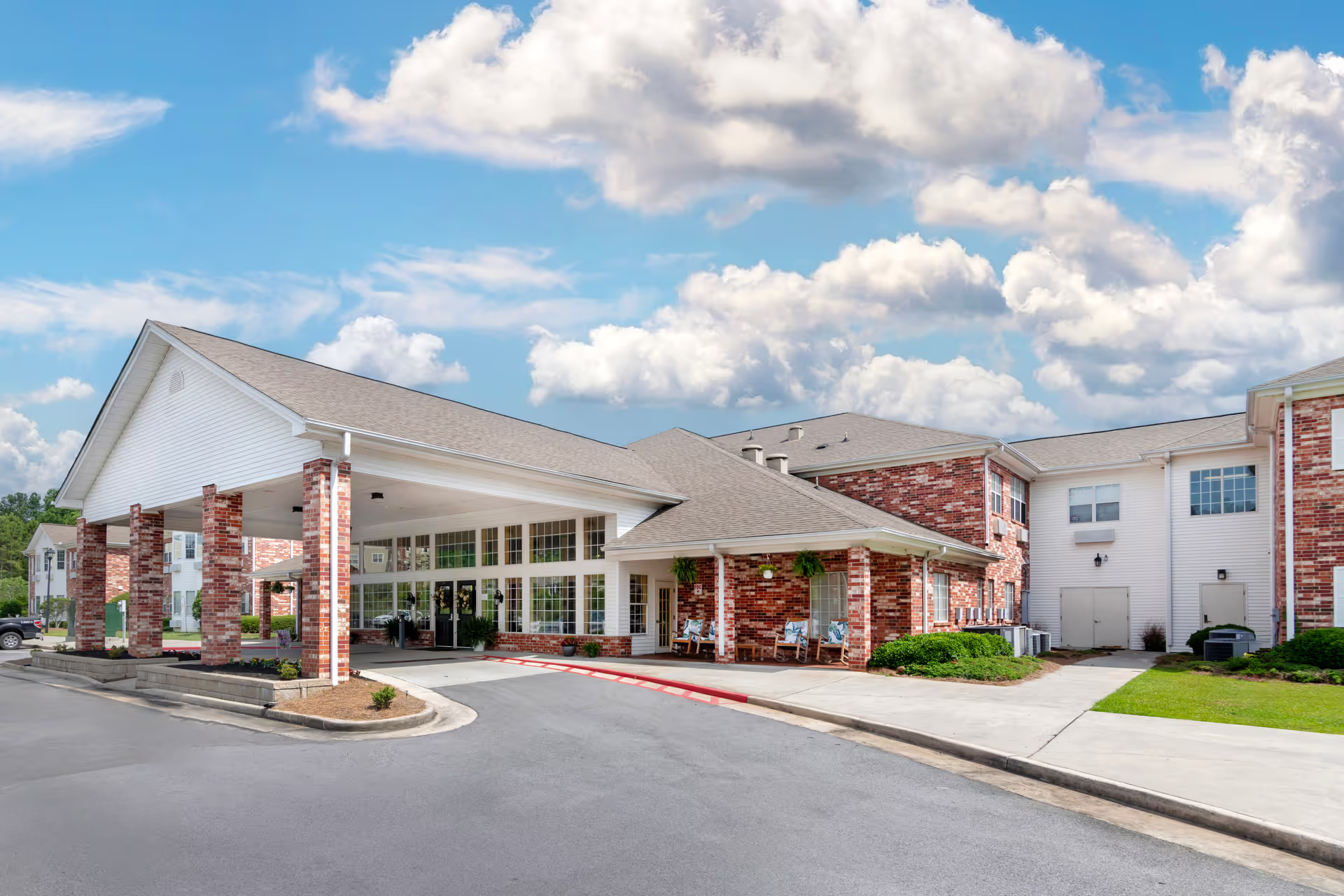
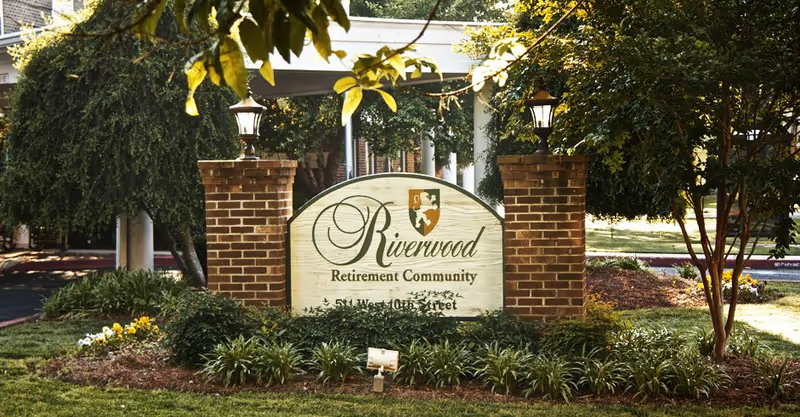
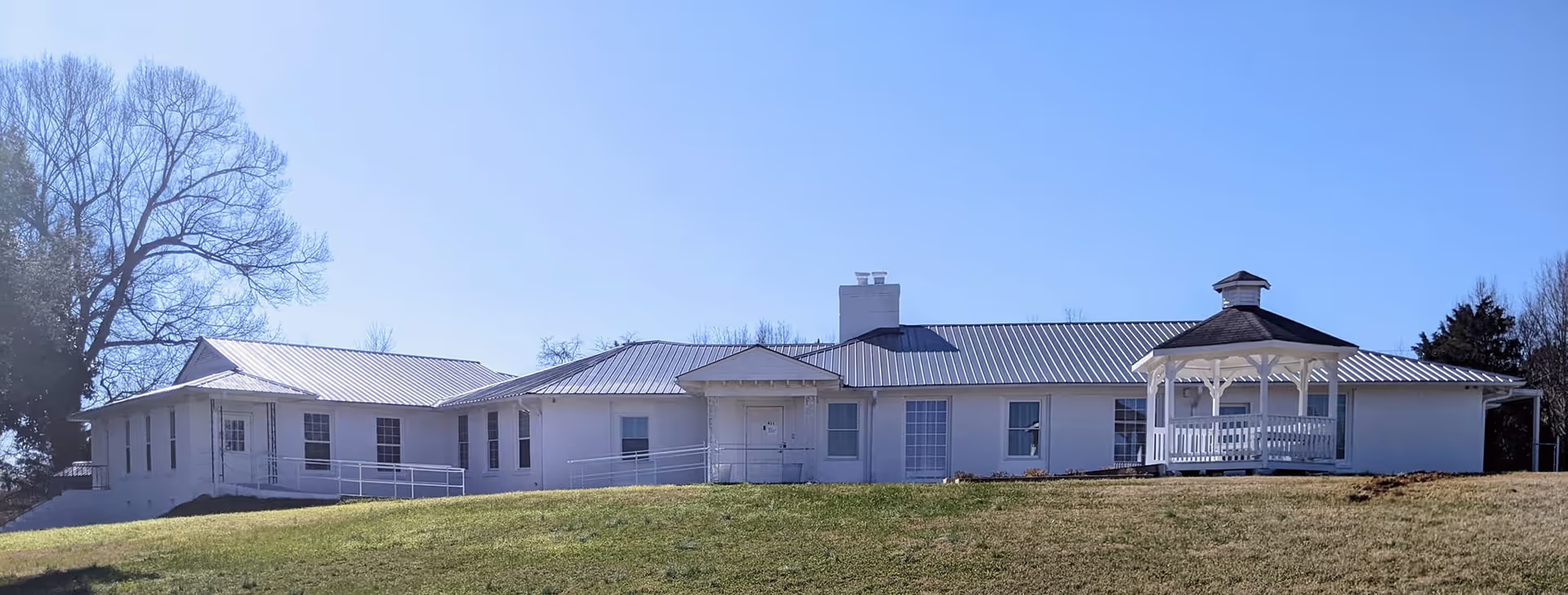
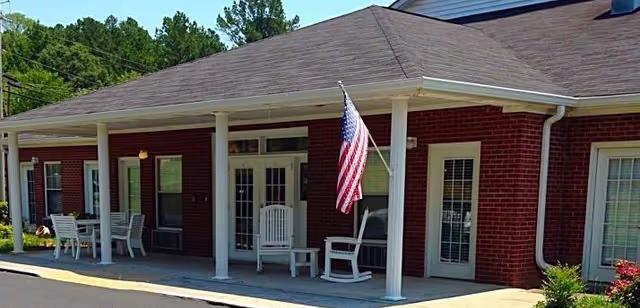
Oakview Health & Rehabilitation displays a mix of notable strengths and operational weaknesses. Strengths include a generally clean, home-like environment with private-room options and semi-private rooms that offer adjustable beds, privacy curtains, and recliners. Common areas are comfortable and family-friendly: reviewers highlighted a central gathering area with a large television and games, a distinct assisted-living dining room that is not overcrowded, and visible meal postings. Dining receives positive comments for food quality and clarity of menu information, and snacks are available between meals.
Clinical and rehabilitative services are a clear asset at Oakview. Therapy and rehab teams received specific praise for effective treatment and for making residents eager to attend sessions. Many families described nursing staff and CNAs as compassionate, knowledgeable, and mission-focused; admission support staff were also singled out for responsiveness and empathy. Memory-care programming and unit-level support were described positively by some families, and daily/weekend activities (including church visits) contribute to social engagement.
However, the facility shows persistent operational gaps that prospective residents and families should evaluate. Communication with families and powers of attorney is inconsistent: examples include delays or failures to return calls and limited updates about clinical progress or discharge planning. Staffing patterns appear uneven both across units and by shift; night staffing was described as minimal in some accounts, and several comments indicated variability in staff conduct and responsiveness. These staffing inconsistencies are linked to concerns about resident monitoring and safety practices, and at least one family cited notable weight loss and unclear nutrition follow-up, suggesting the need to review weight- and nutrition-monitoring processes.
Taken together, Oakview may be a good fit for individuals prioritizing strong rehabilitative care, a clean and comfortable setting, and an active activity program. Families should proactively ask about unit-specific staffing levels (especially nights), communication protocols for updates and discharge planning, supervision and safety practices, and nutrition/weight-monitoring procedures before placement to ensure the level of oversight matches the resident's needs.