Antebellum James Burgess elicits strongly polarized impressions: many families and residents describe a warm, well-appointed community with genuinely caring staff and a lively activity calendar, while others raise substantive operational concerns that affect day-to-day care.
Care quality and staffing: Reviewers commonly praised individual caregivers, CNAs, and some nursing staff as compassionate and attentive, and multiple accounts described staff who knew residents by name and prioritized dignity. At the same time, persistent understaffing—often cited for nights, weekends, and peak shifts—appears to be the single most frequent operational concern. That understaffing is associated with long waits for assistance, inconsistent caregiver assignments, gaps in following care plans (including feeding assistance), and uneven dementia-care experiences. Several families described good care when staffing was adequate but inconsistent performance tied to turnover and shift shortages.
Staff and management: Experiences with leadership are mixed. Some reviews highlight an accessible executive director and responsive owners who communicate well with families; other reviews describe frequent management changes, defensive or corporate-style decision-making, and limits on middle-management authority. These tensions appear to contribute to inconsistent follow-through on concerns: pockets of strong communication and rapid resolution exist alongside reports of unresolved issues and families considering escalation to higher levels of the chain of command.
Dining and clinical logistics: Dining is a clear area of divided opinion. The facility offers restaurant-style dining and celebratory menus that many residents enjoy; special events and holiday meals are frequently praised. However, recurring criticisms note inconsistent meal temperature and composition, menus heavy on starches with limited fresh produce, and reliance on prepackaged or convenience items at times. Medication-management fees and pharmacy-related costs were also cited as an area of financial concern for some families.
Activities and social life: Activity programming is commonly described as robust and creative, including frequent outings, live entertainment, and specialty events that create a social, family-like atmosphere. Conversely, some residents and families find the programming juvenile or insufficiently tailored for less-mobile residents and memory-care participants, with boredom reported in parts of the memory unit.
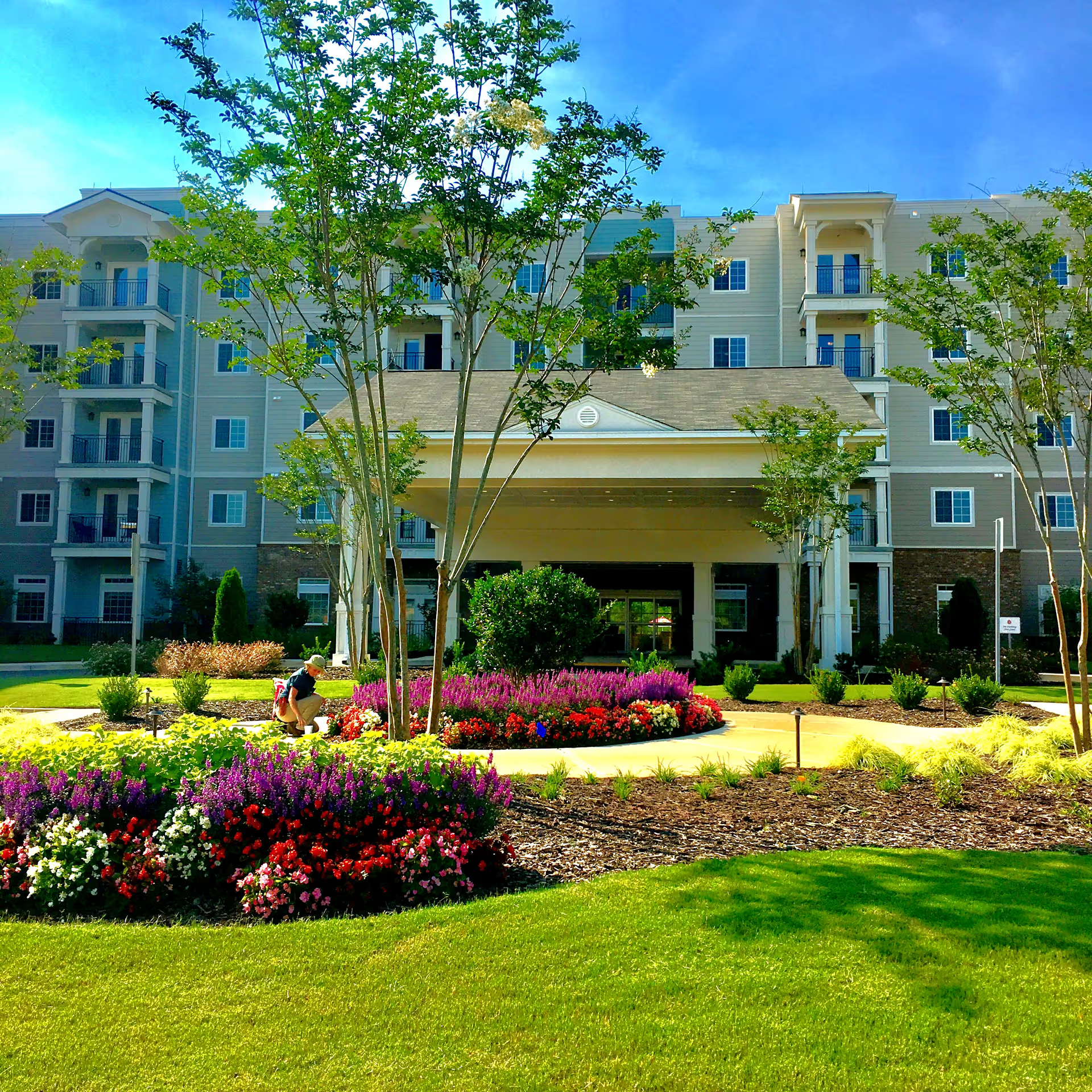
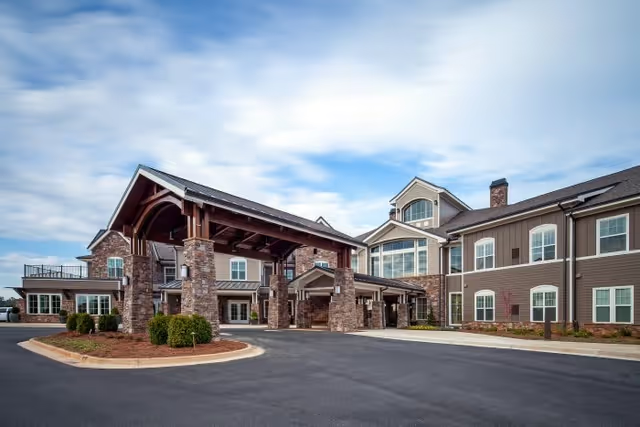
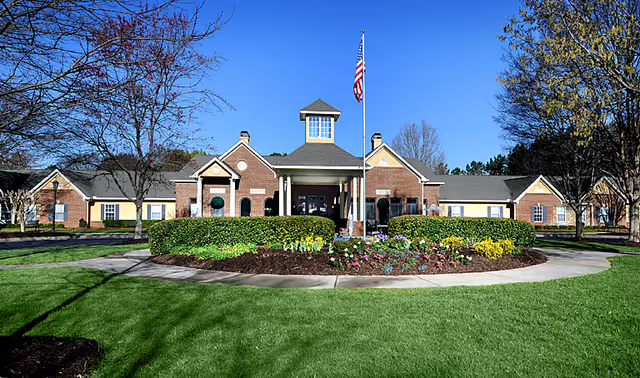
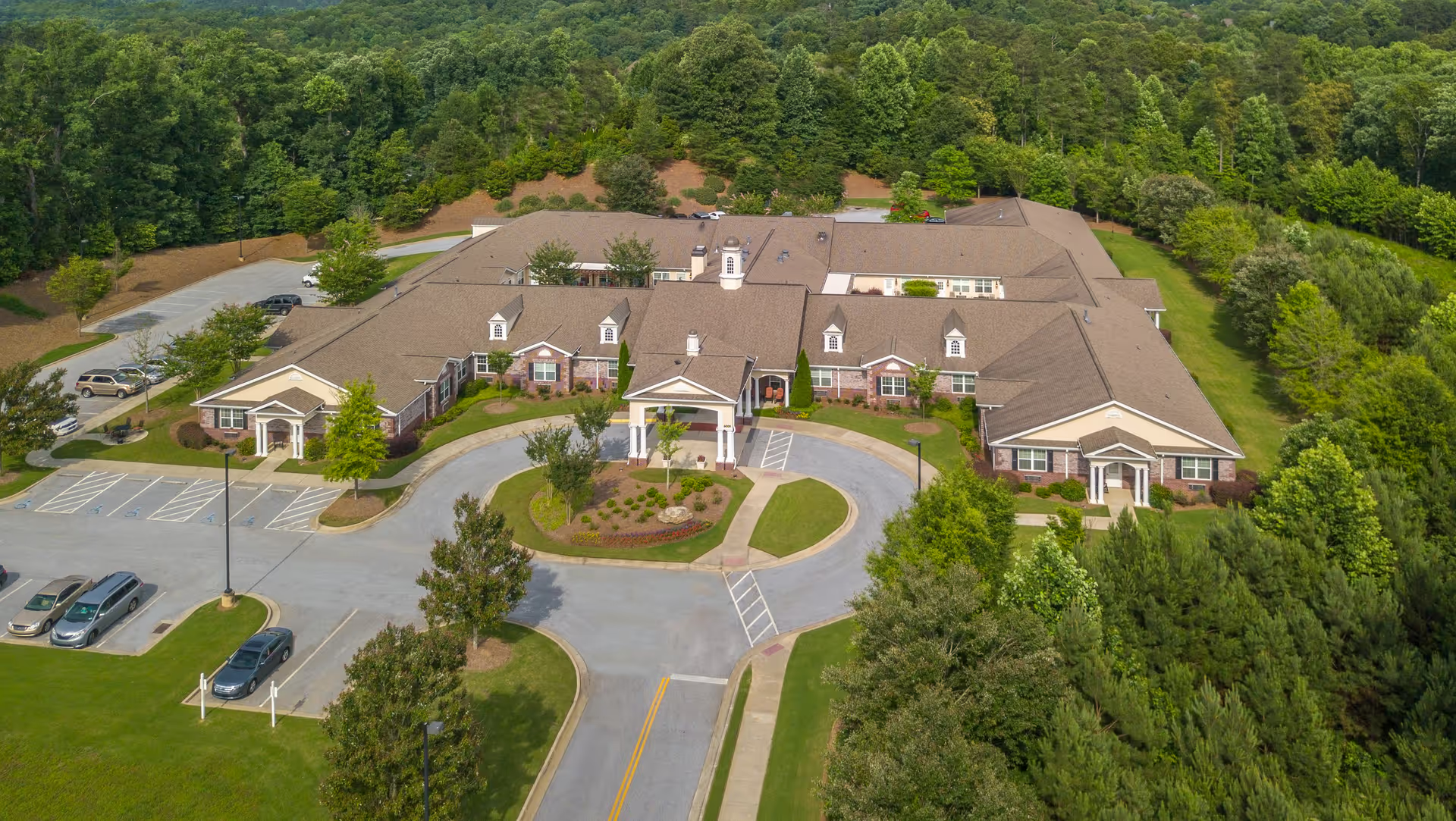
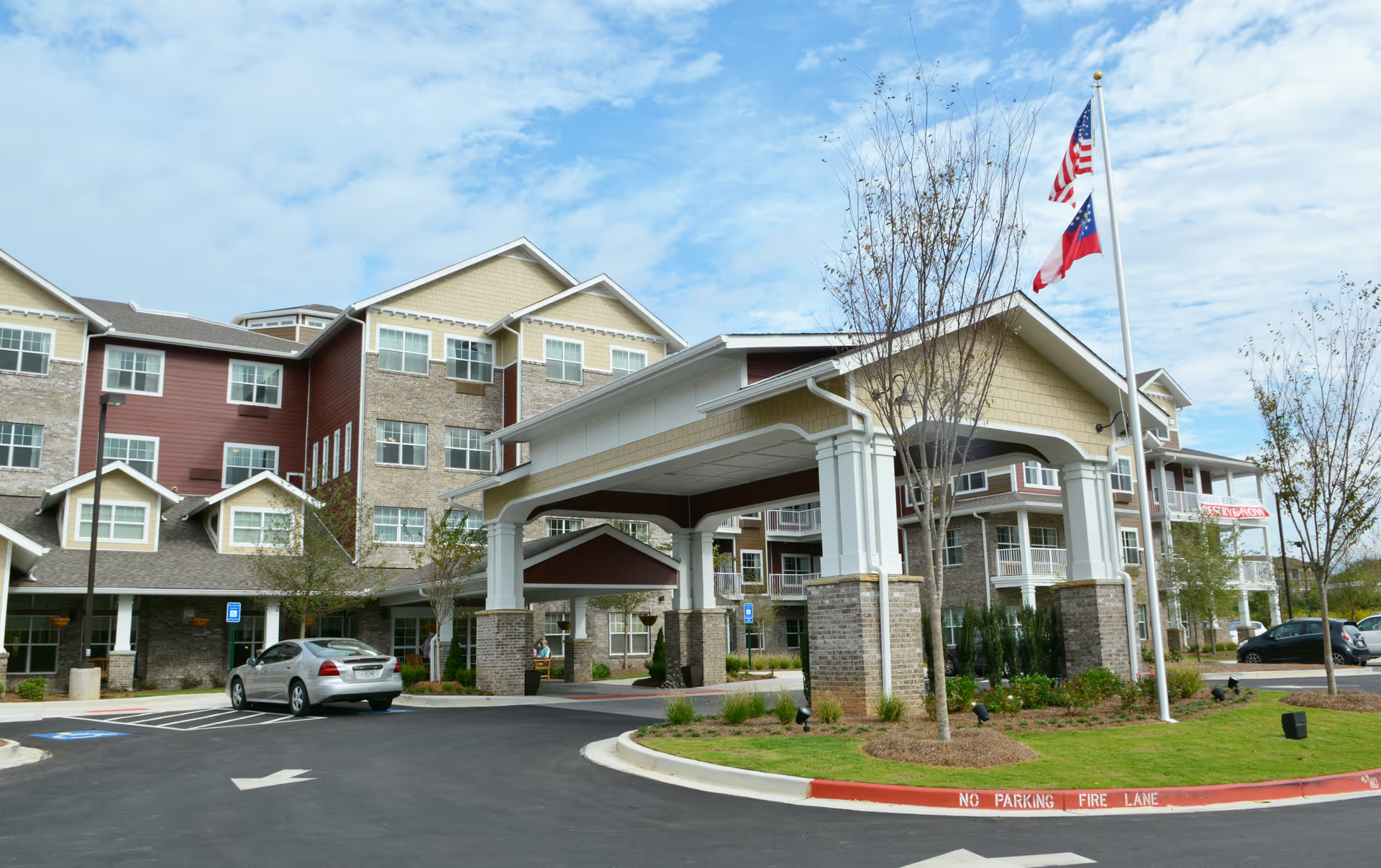
Facilities and accessibility: The physical environment receives many compliments: new or recently renovated buildings, roomy apartments, covered patios, attractive grounds, salon and library spaces, and comfortable communal dining areas. Accessibility limitations were noted, however—few handicapped rooms, limited roll-in shower options, and some entryways without automatic doors—which may limit suitability for residents with higher mobility needs.
Notable patterns and takeaways: The dominant pattern is variability. Many families report strong, compassionate daily interactions, excellent events, and a pleasant environment; an overlapping set of reviews points to systemic operational weaknesses—chiefly staffing, management continuity, and inconsistent adherence to clinical and dining standards—that can materially affect resident experience. Prospective residents and families should weigh the facility’s social strengths, amenities, and physical environment against the potential for staffing-related delays and management variability; when visiting, verify current staffing levels, observe meal service, review sample care plans (including feeding and dementia-care protocols), and clarify accessibility features and medication-management costs.