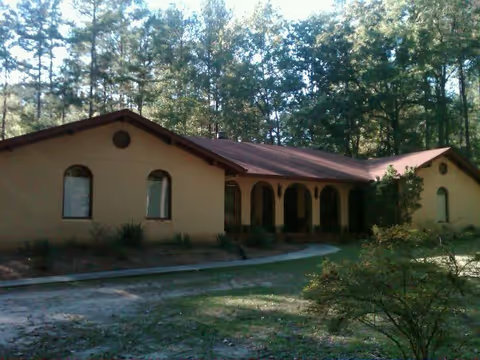
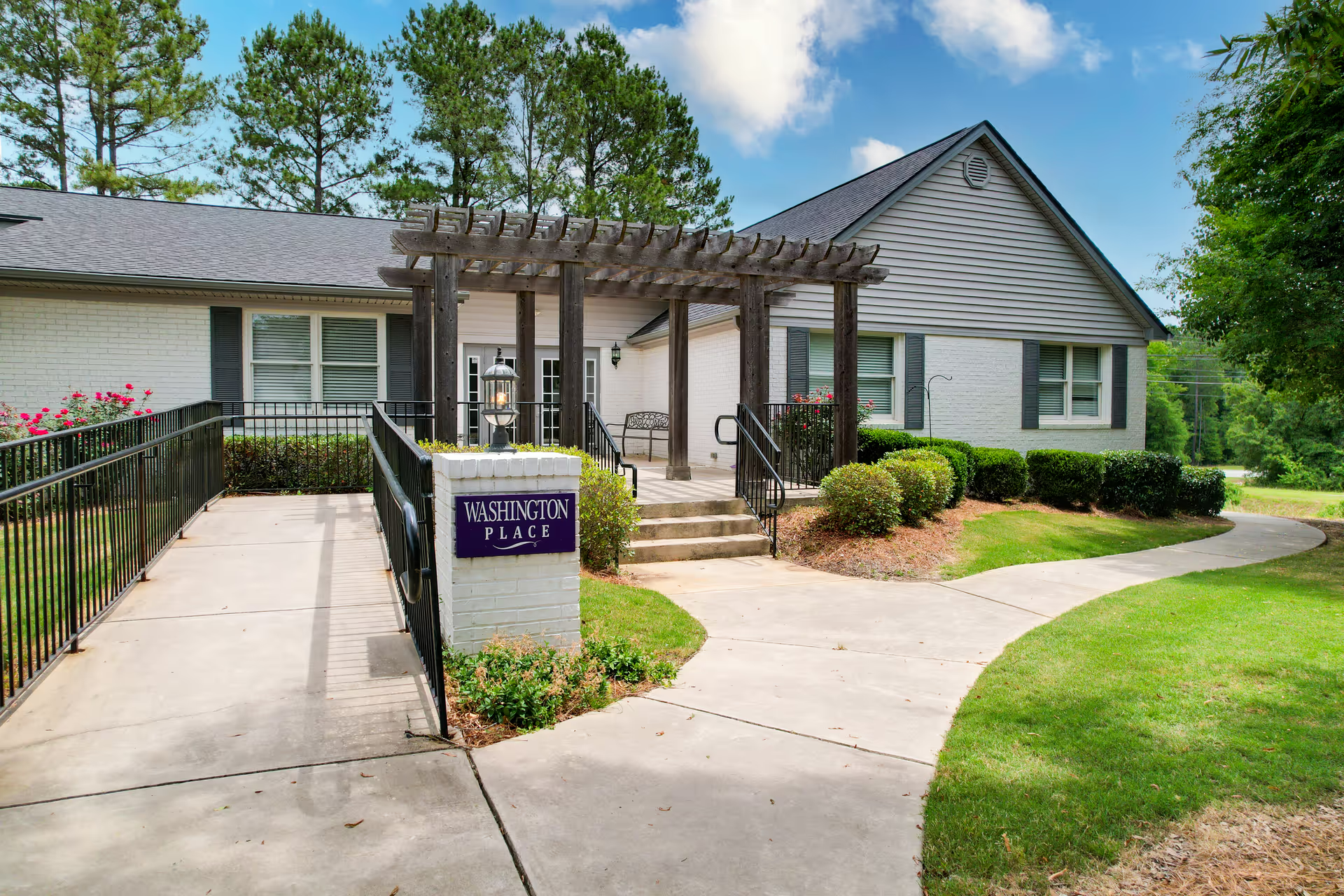
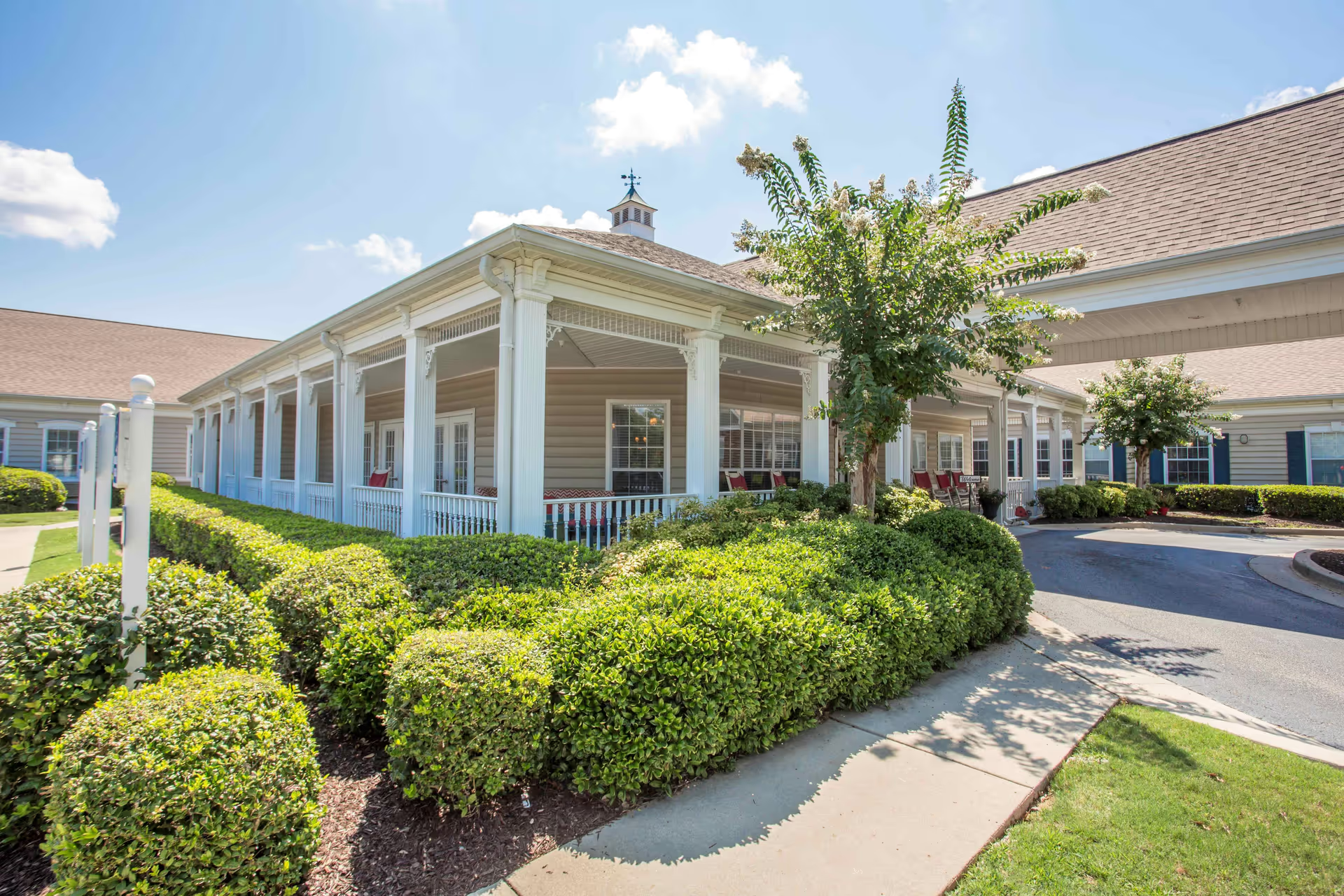
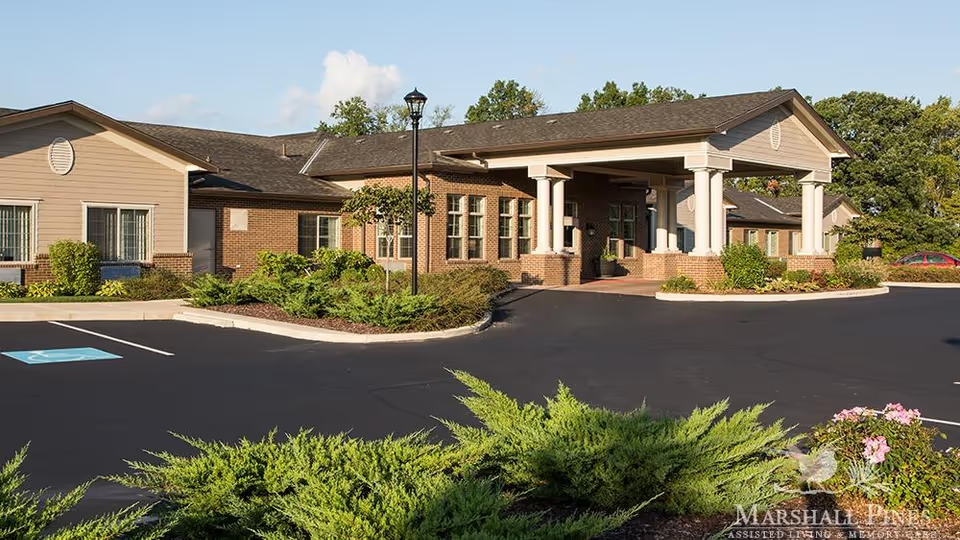
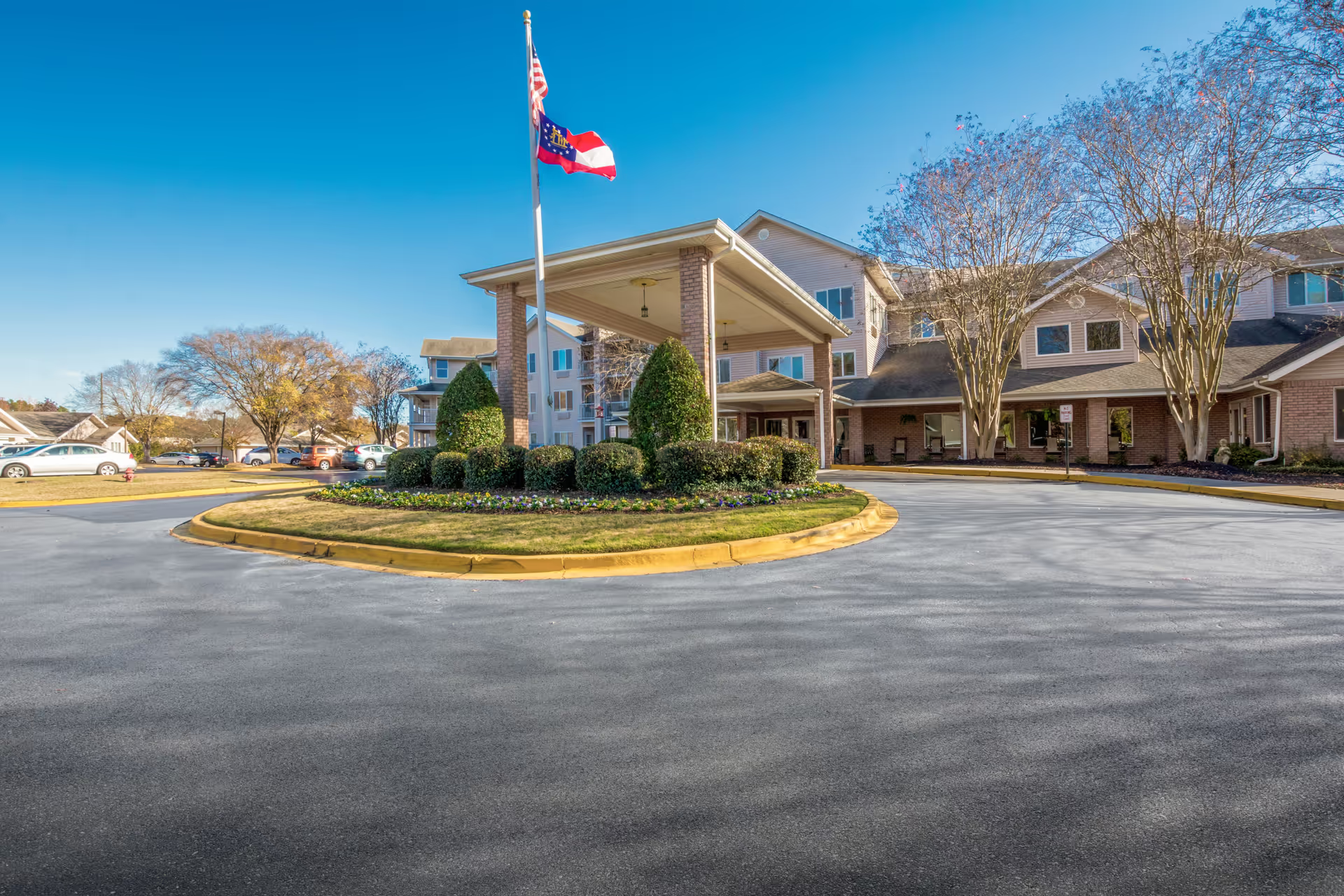
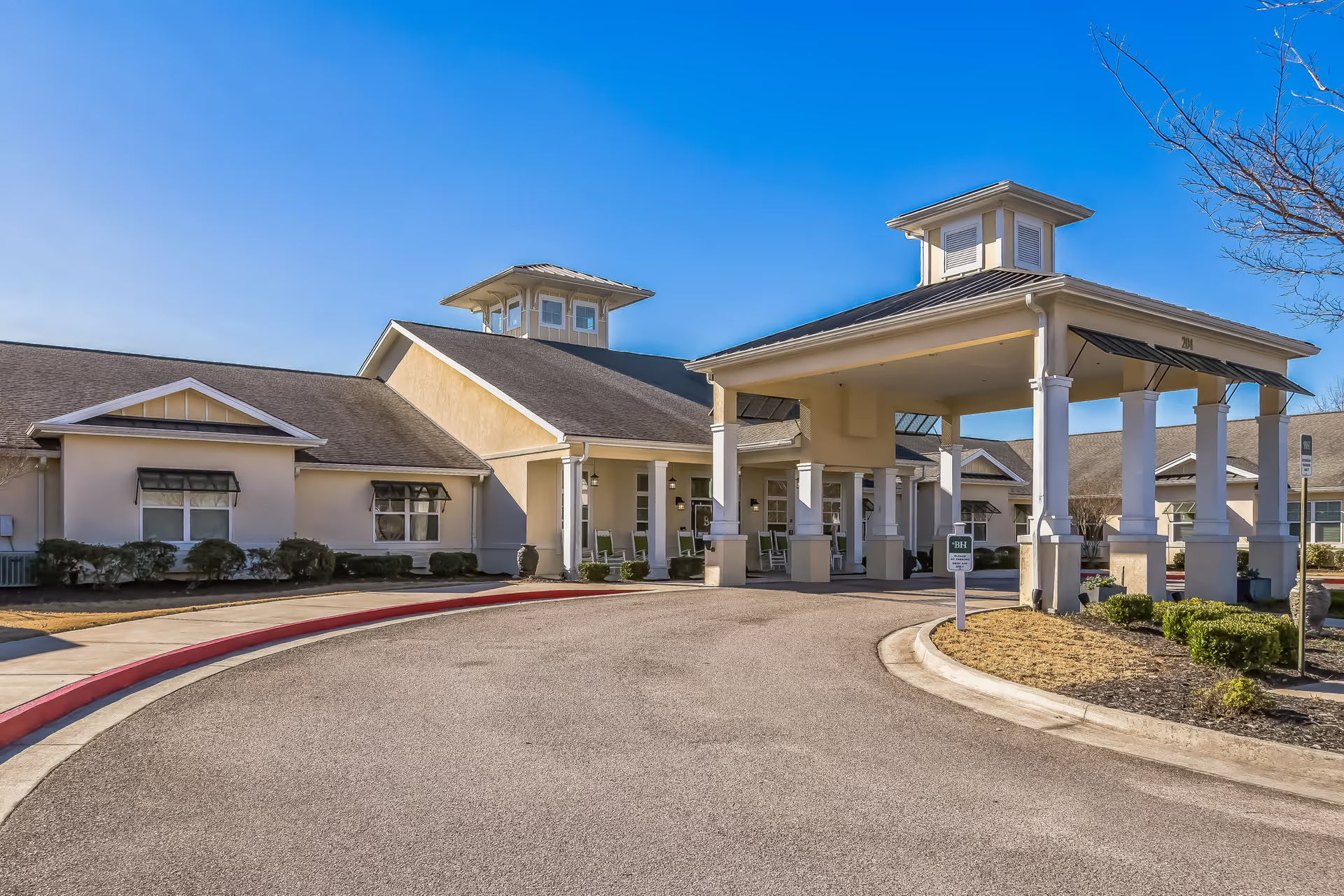
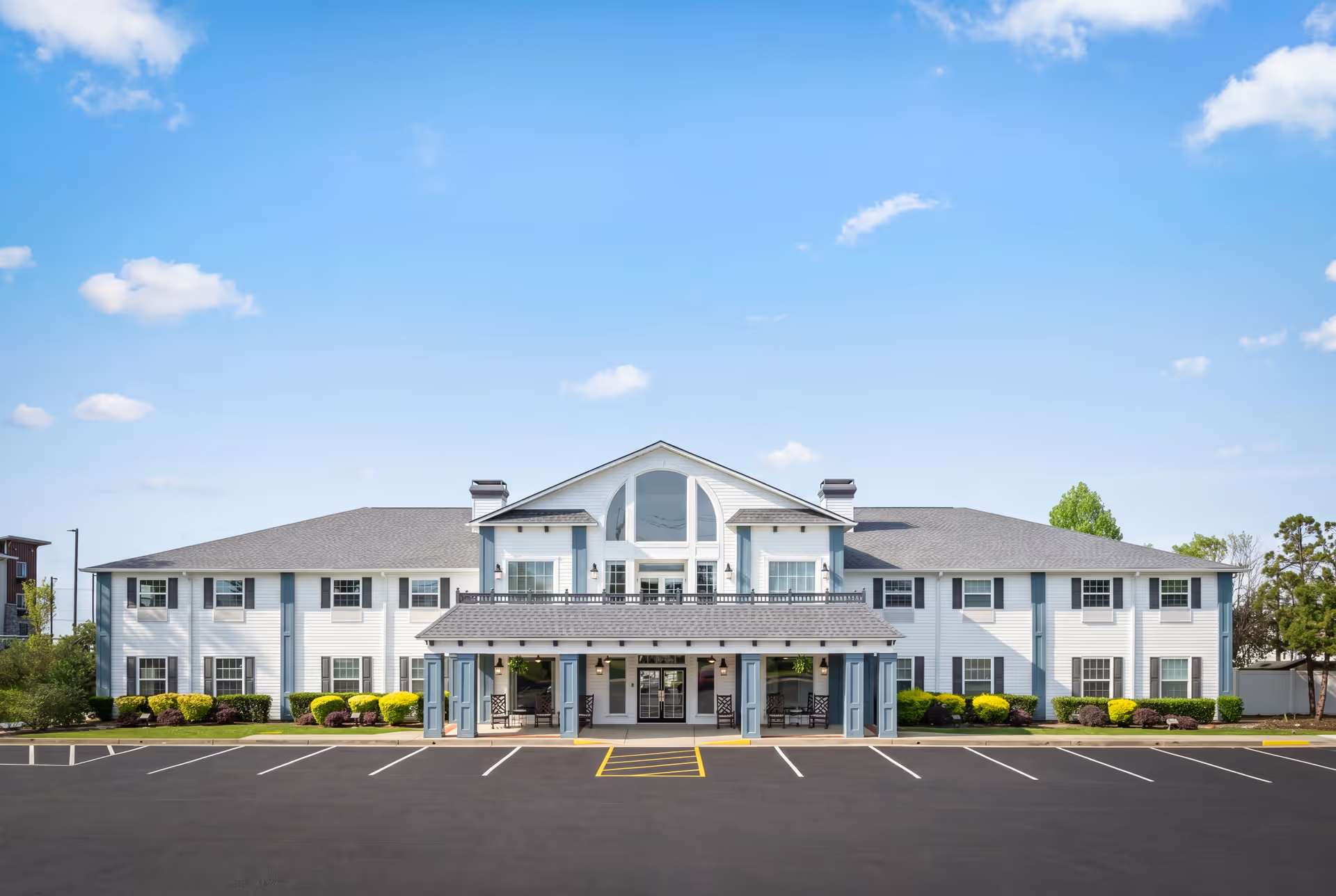
At Home Senior Living of Thomson is described consistently as a new, well‑appointed senior living community with a strong focus on hospitality. Reviewers emphasize a clean, tastefully decorated environment with private, apartment‑style rooms, multiple common lounges and activity spaces, and a spa‑like aesthetic. The physical setting and housekeeping services (including weekly room cleaning and laundry) receive frequent positive mentions and contribute to an impression of a high‑quality, comfortable living environment.
Care and staffing are among the facility's strongest perceived attributes. Families and visitors commonly highlight warm, compassionate caregivers and nurses, frequent staff‑resident engagement, and leadership that is visible and accessible. Several accounts describe attentive nursing, smooth move‑in coordination, and staff who go beyond routine duties to assist families. That said, there are operationally oriented concerns: reviewers indicate staffing shortages in the memory‑care wing and describe moments of inconsistent supervisory communication. These comments point to variability in day‑to‑day staffing and leadership interactions rather than a pervasive, uniform failure of care.
Dining and activities are presented as active strengths. The community markets chef‑prepared meals with diverse menu options, and many reviewers praised food presentation and meal variety, though a small number described inconsistent meal quality. Activity programming appears robust and resident‑focused, with regular creative and social opportunities such as crafts, karaoke, gardening/planting events, themed parties, and other weekday engagements that many families say keep residents stimulated and socially connected.
Management and operations show both positives and areas for attention. Leadership is frequently described as helpful and family‑oriented, with staff who provide clear tour information and practical support during transitions. The community is still in an early growth phase, and several comments point to evolving procedures and ‘‘growing‑pain’’ adjustments; prospective families should expect some process refinement as the facility stabilizes. A notable admissions constraint is the facility’s payer policy: it does not accept Medicare, Medicaid, or veterans’ benefits, relying instead on private long‑term care insurance or private pay, which affects resident eligibility and financial planning.
Overall, the pattern in these summaries is strong praise for the environment, interpersonal care, and activity offerings, combined with operational caveats typical of a newer community scaling up services. Prospective residents and families would likely find the facility attractive for its ambience, social program, and attentive staff, but should ask targeted questions about memory‑care staffing levels, supervisory communication practices, and payment/eligibility policies during a tour to confirm current operational status and fit.