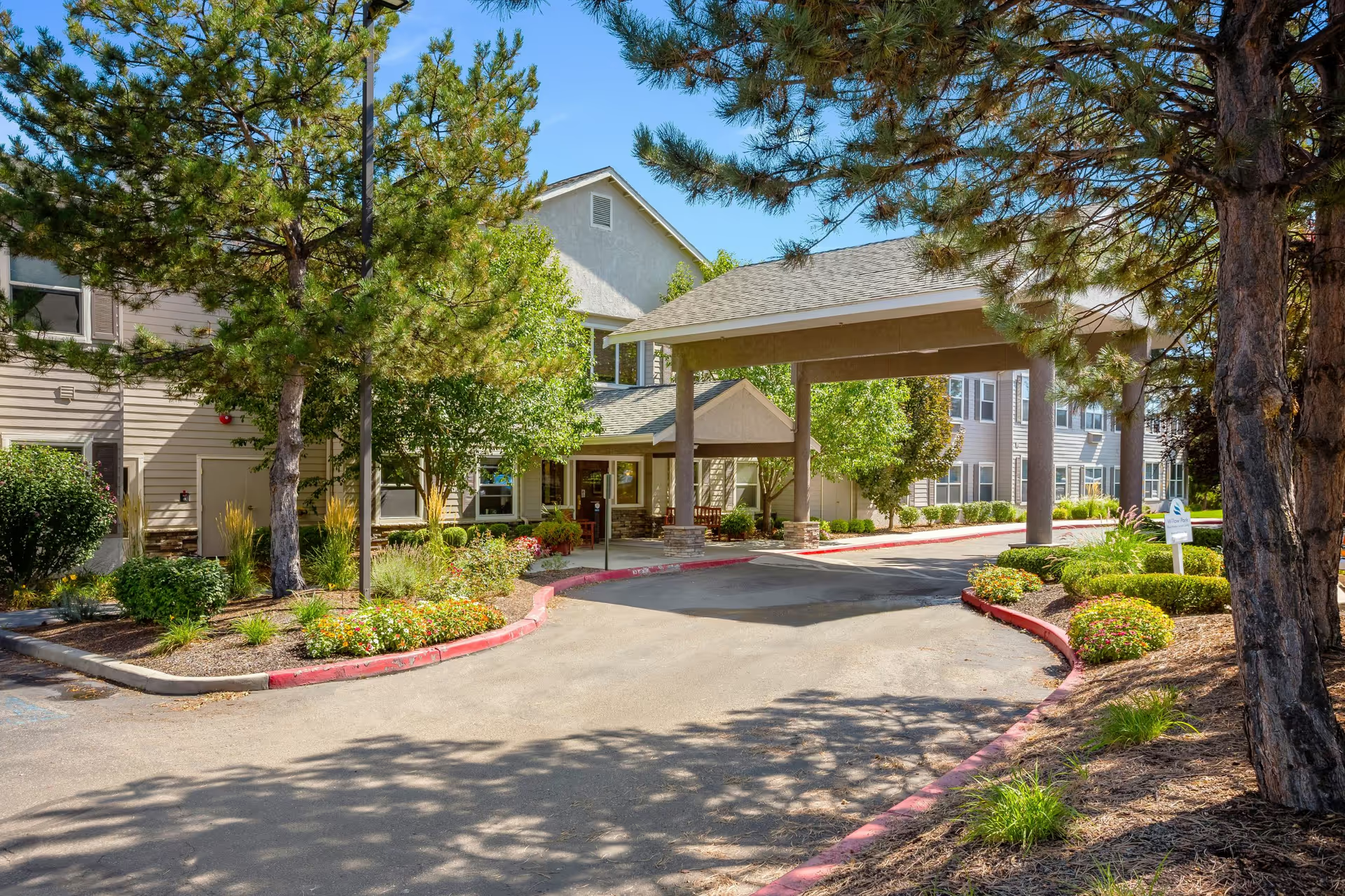
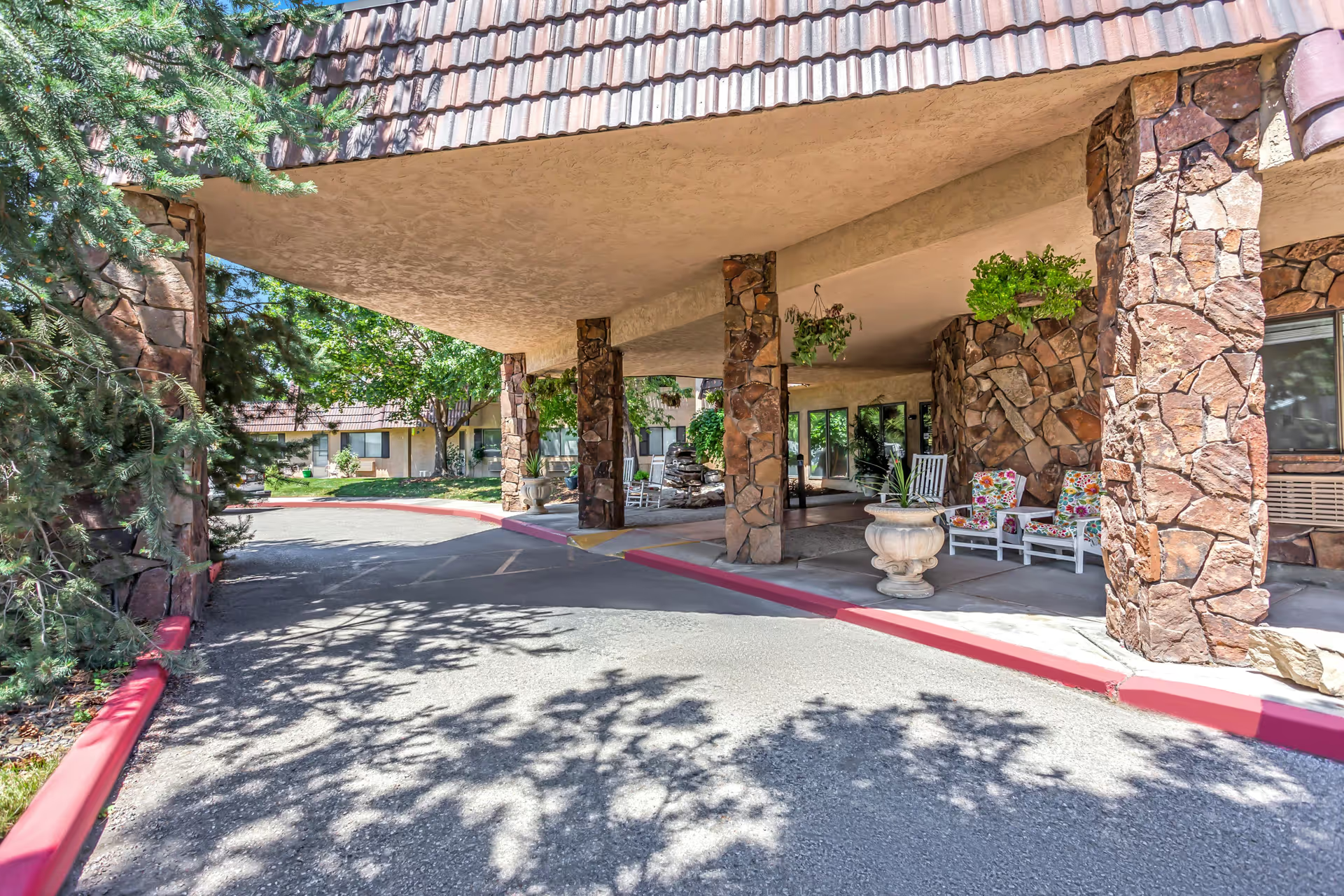
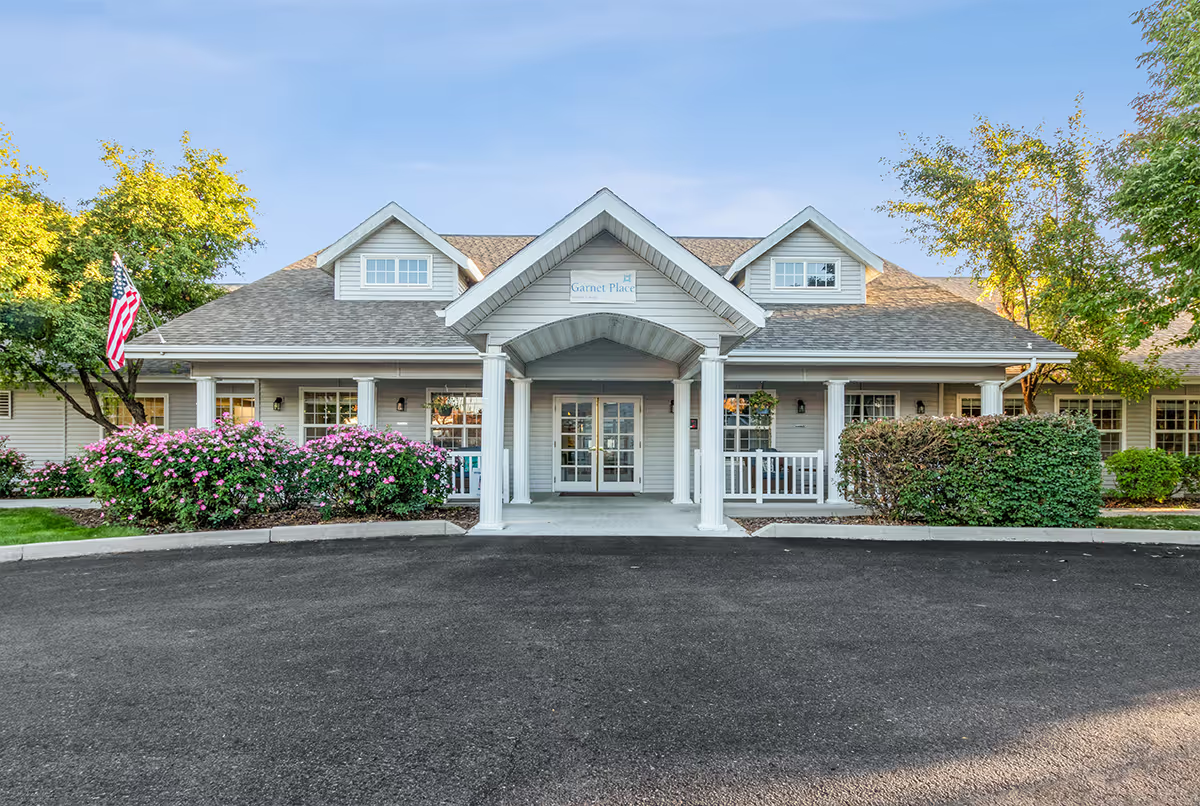
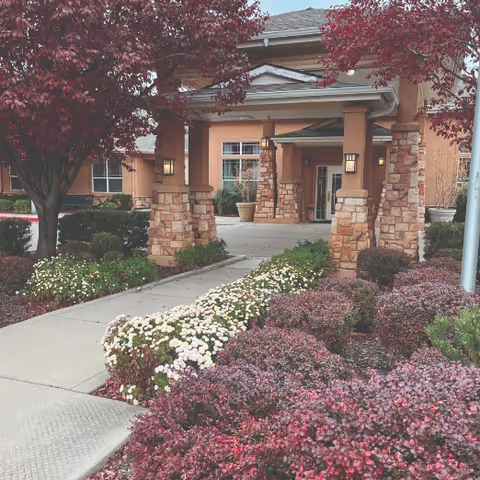
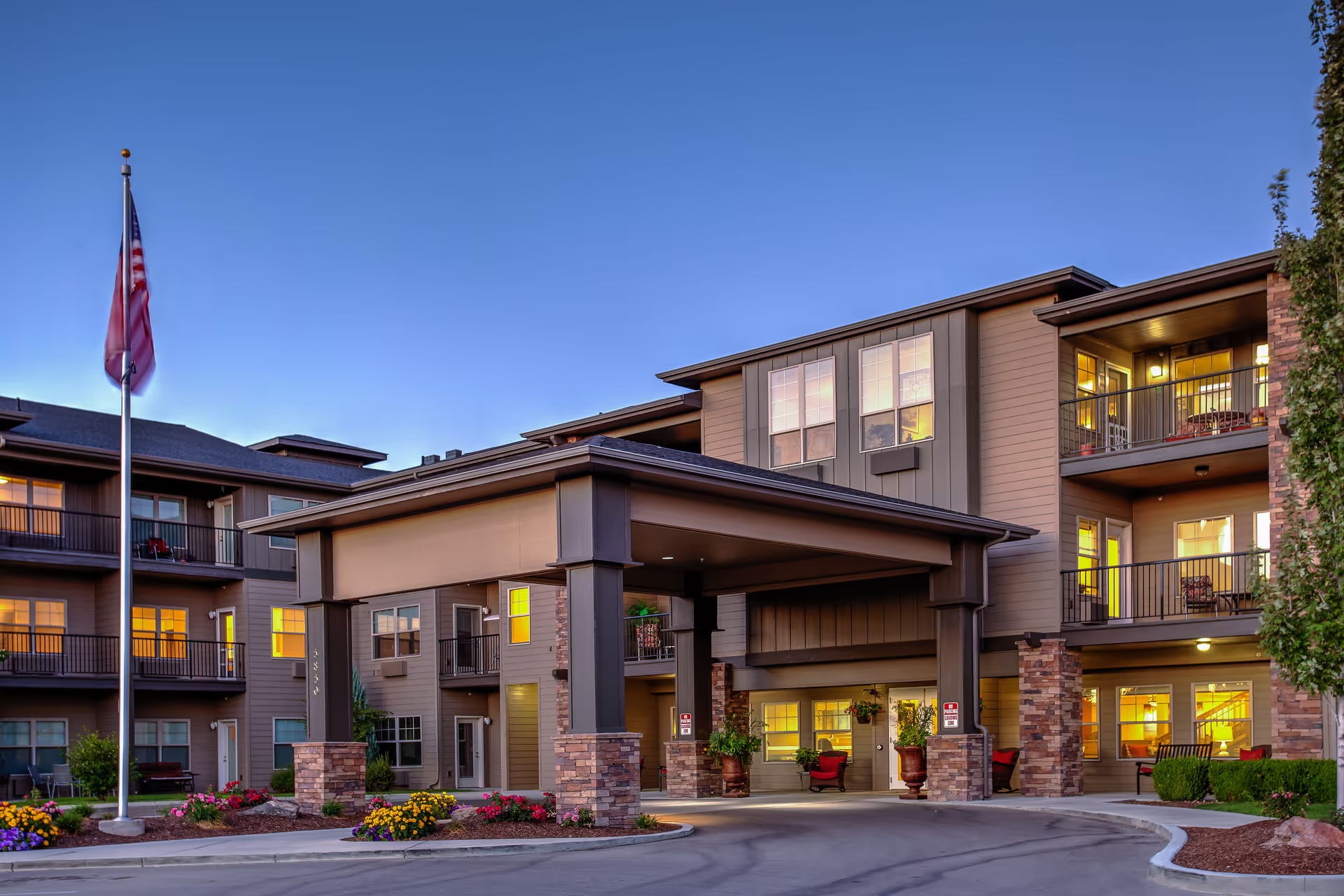
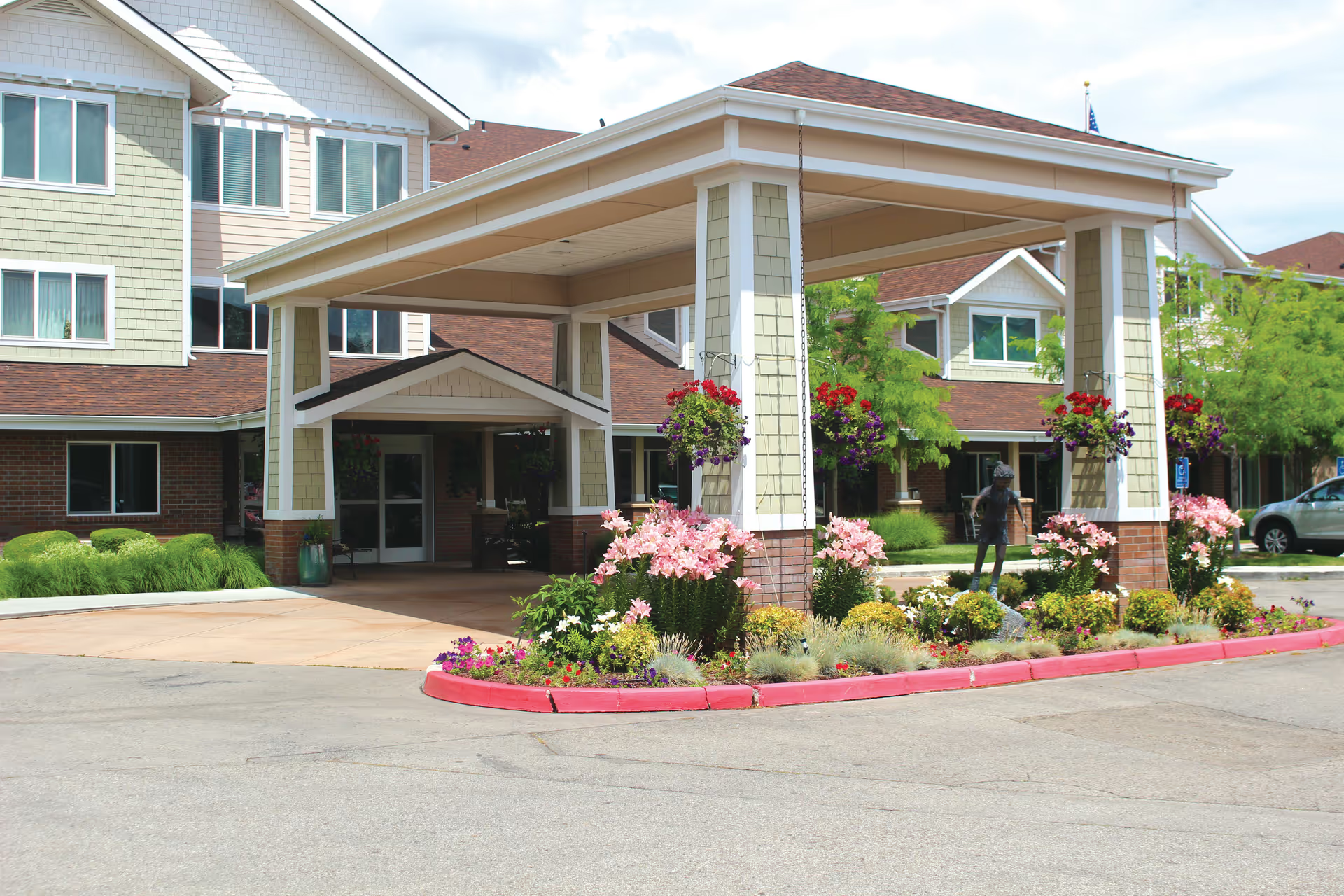
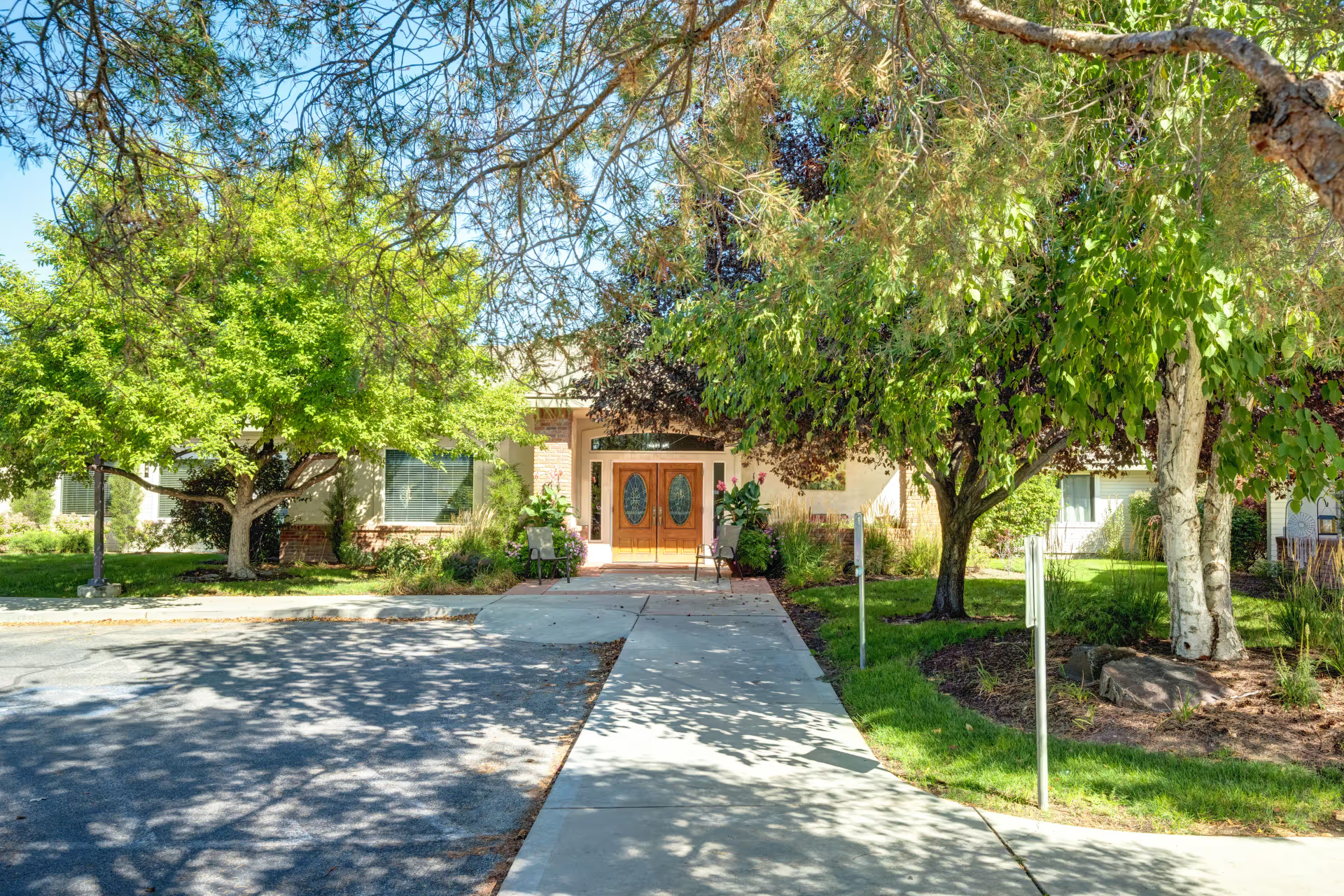
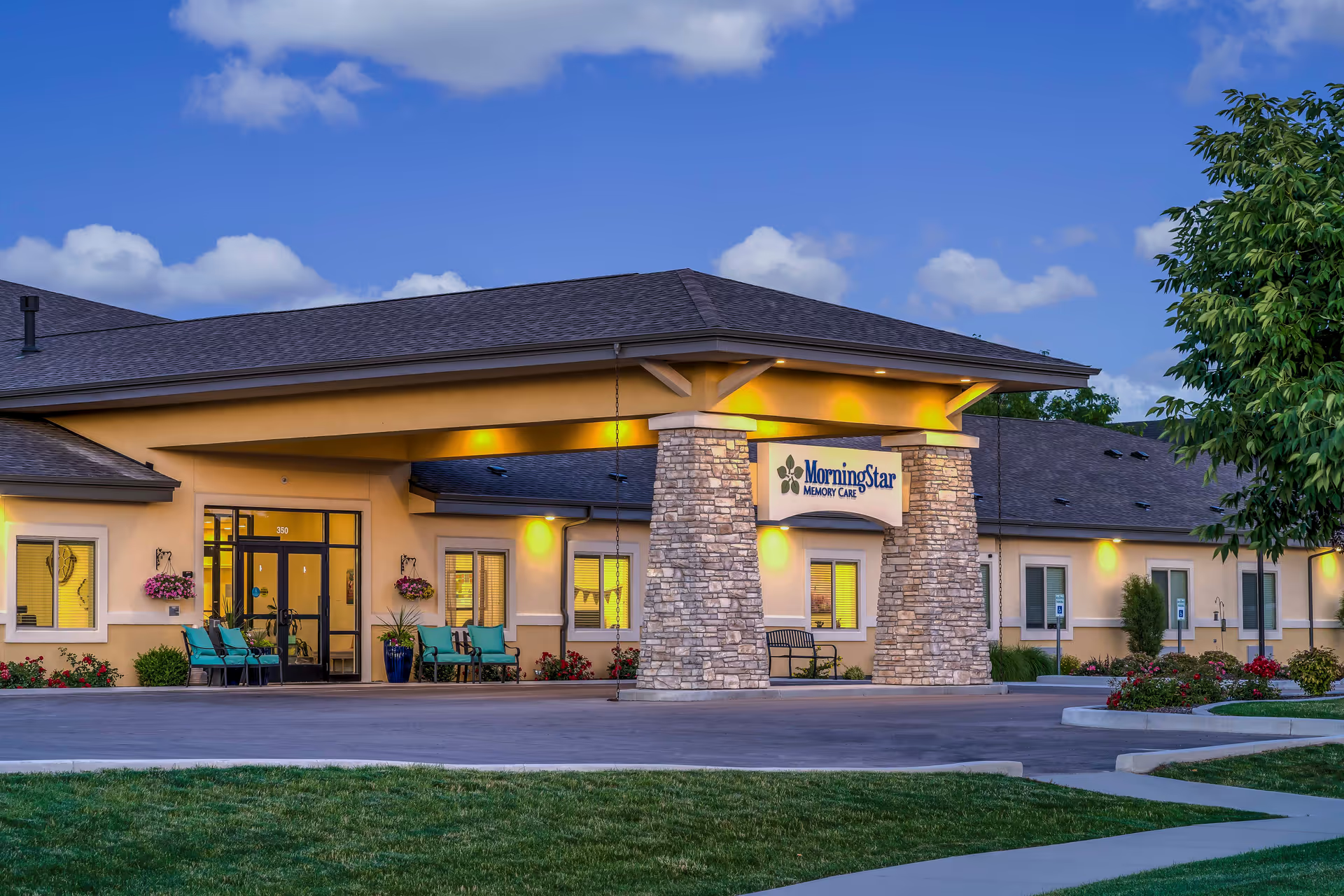
Reviewer feedback presents a mixed but actionable picture of Ashley Manor Senior Living. The facility is consistently described as attractive and well-kept, with pleasant outdoor areas, bright, spacious rooms in many units, and a domestic, small-community atmosphere. Activity programming is a clear strength: residents benefit from a broad schedule of social events, outings (including regular trips to community resources), and an engaged activities team. A memory-care unit and visible safety measures such as camera surveillance in common corridors are noted as structural assets, and hospice support is available when needed.
Care quality and staffing emerge as the most variable area. Many families praise specific caregivers and activity staff for compassion and attentiveness and describe measurable health or mood improvements for residents. At the same time, recurring themes point to inconsistent staffing levels, uneven responsiveness, and delays in attending to personal-care needs. There are also mentions of incontinence-care concerns and instances where residents requiring higher-dependency support may not receive consistently timely assistance. Staff turnover and after-hours coverage gaps were described as contributing factors.
Medication and recordkeeping practices are another area of concern. Reviewers describe medication delays, cancelled or duplicated orders, and unexpected pharmacy billing that suggest weaknesses in internal medication-administration controls and care coordination with pharmacies. Relatedly, documentation and communication about clinical issues and daily care appear inconsistent; family members report difficulty reaching management or receiving clear, timely updates at times.
Dining receives polarized feedback. Several reviews highlight an experienced culinary team, tailored meals for residents with chewing needs, and occasions of high-quality, well-balanced dishes. Conversely, others describe inconsistent meal availability, occasional undercooked or unappetizing selections, shortages of basic items, and dining-room sanitation or food-handling concerns. These mixed reports suggest variability in food-service reliability and consistency.
Facility features and operations show strengths alongside operational gaps. The site is praised for aesthetics, outdoor access, and some large private rooms with en-suite bathrooms, while other units—particularly lower-cost/shared Medicaid rooms—are smaller and more crowded. Reviewers also raised cleanliness and odor concerns in some areas, inconsistent housekeeping of resident rooms, and episodes of unauthorized room access or weak controls over personal property. Safety observations include instances of residents entering restricted areas and questions about supervision protocols.
Management and customer-service impressions are mixed. Several accounts commend proactive leadership, specific helpful staff members, and visible operational improvements over time. At the same time, critiques include limited accessibility of management at critical times, inconsistent enforcement of policies (including admissions or service-animal rules), and occasional abrupt or transactional interactions around billing and move-in requirements. Taken together, the pattern suggests a facility with many positive qualitative elements—strong social programming, attractive environment, and pockets of excellent caregiving—paired with operational inconsistencies that affect clinical reliability, communication, and perceived value. Prospective residents and families would benefit from direct, specific inquiries about staffing ratios (including nights and weekends), medication billing procedures, supervision practices for residents with mobility or cognitive needs, and a tour that includes the specific unit being considered.