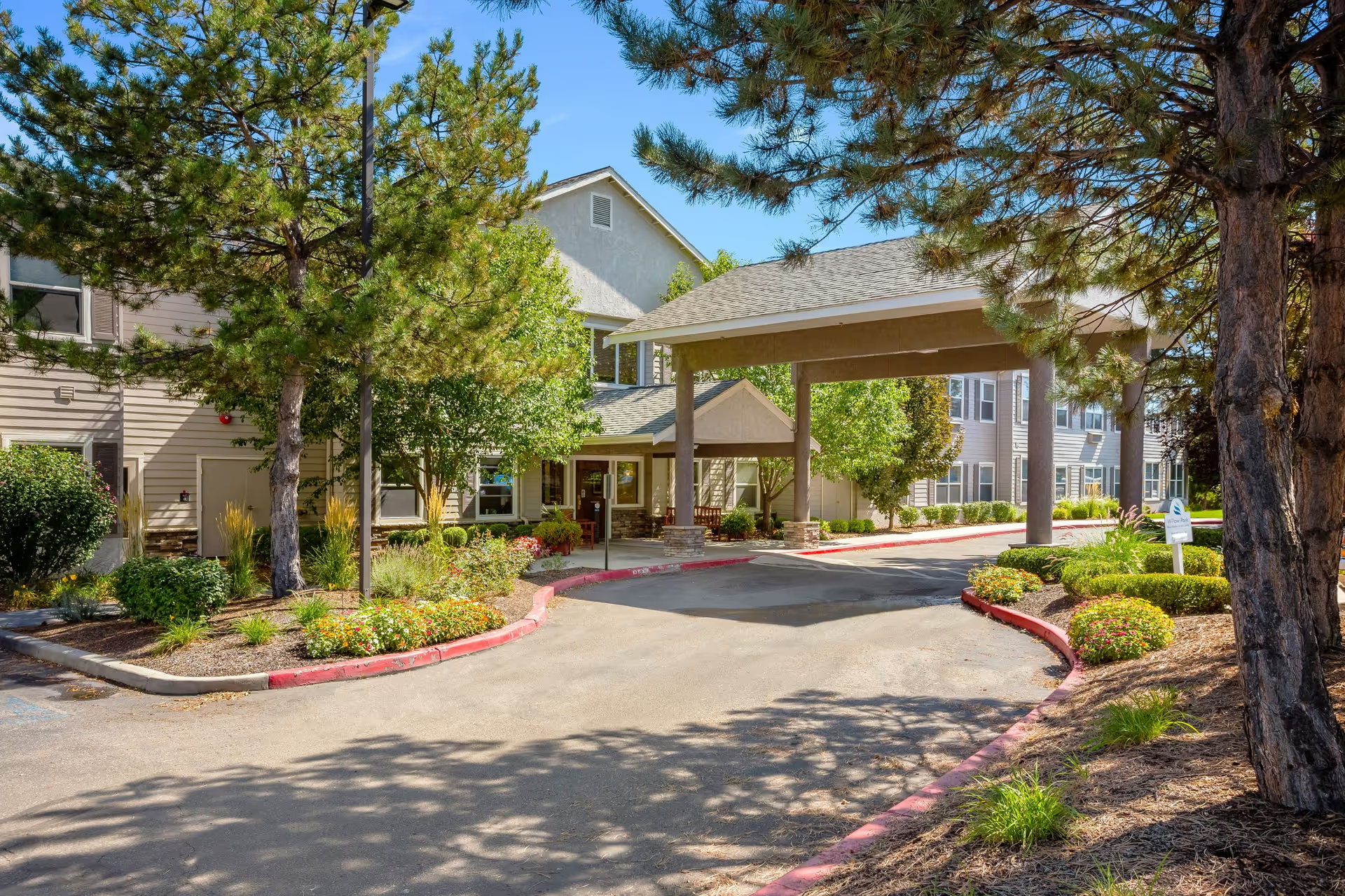
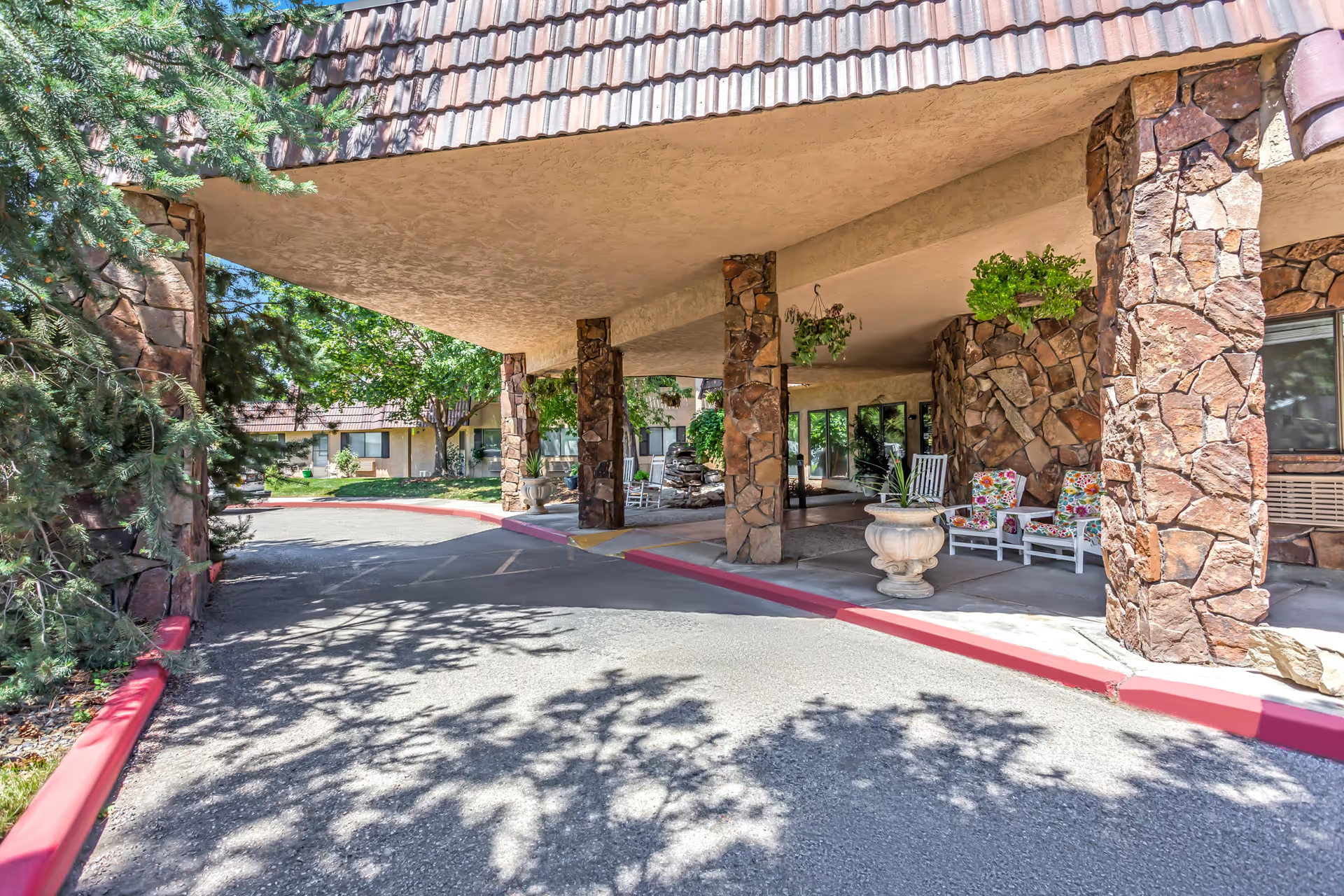
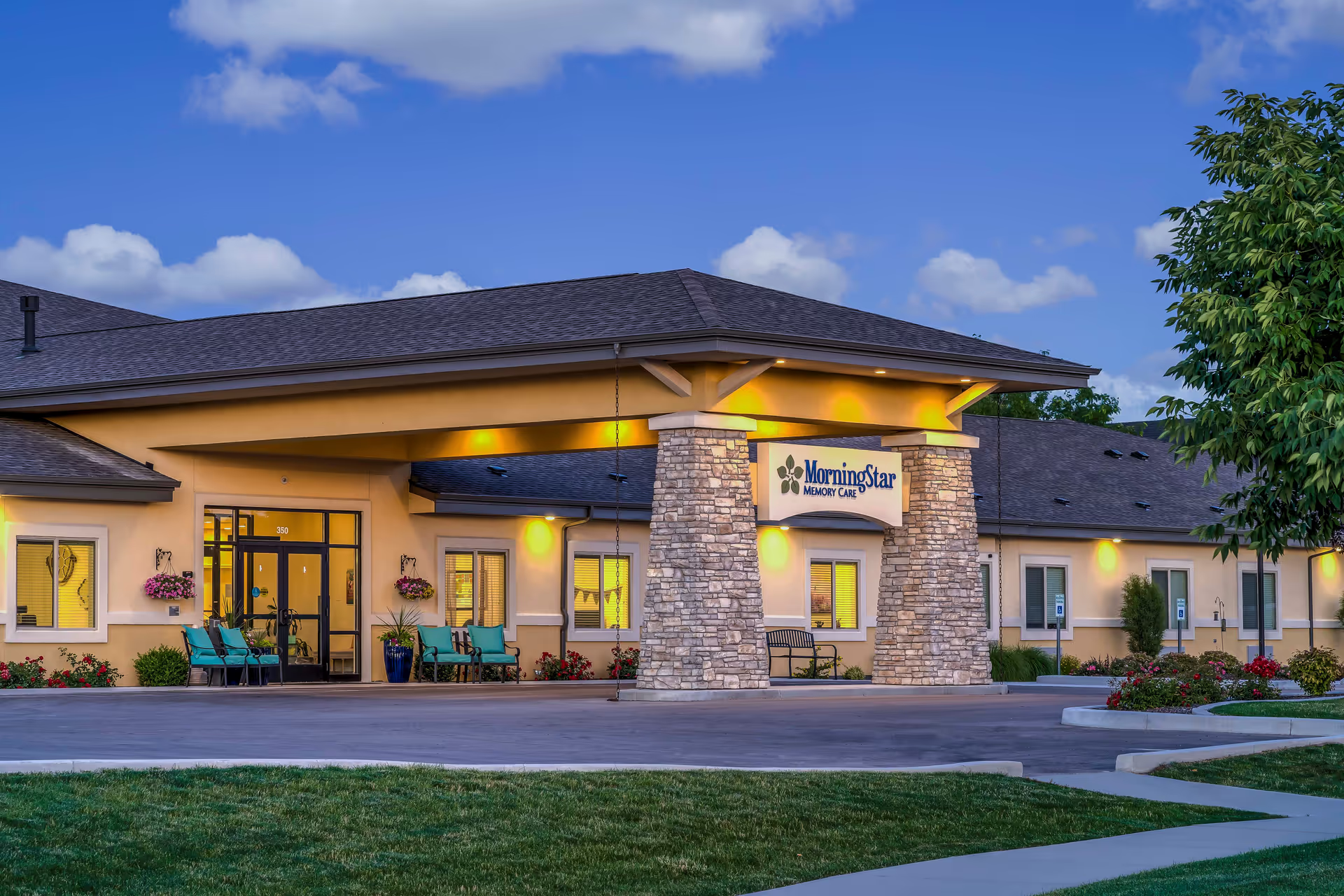
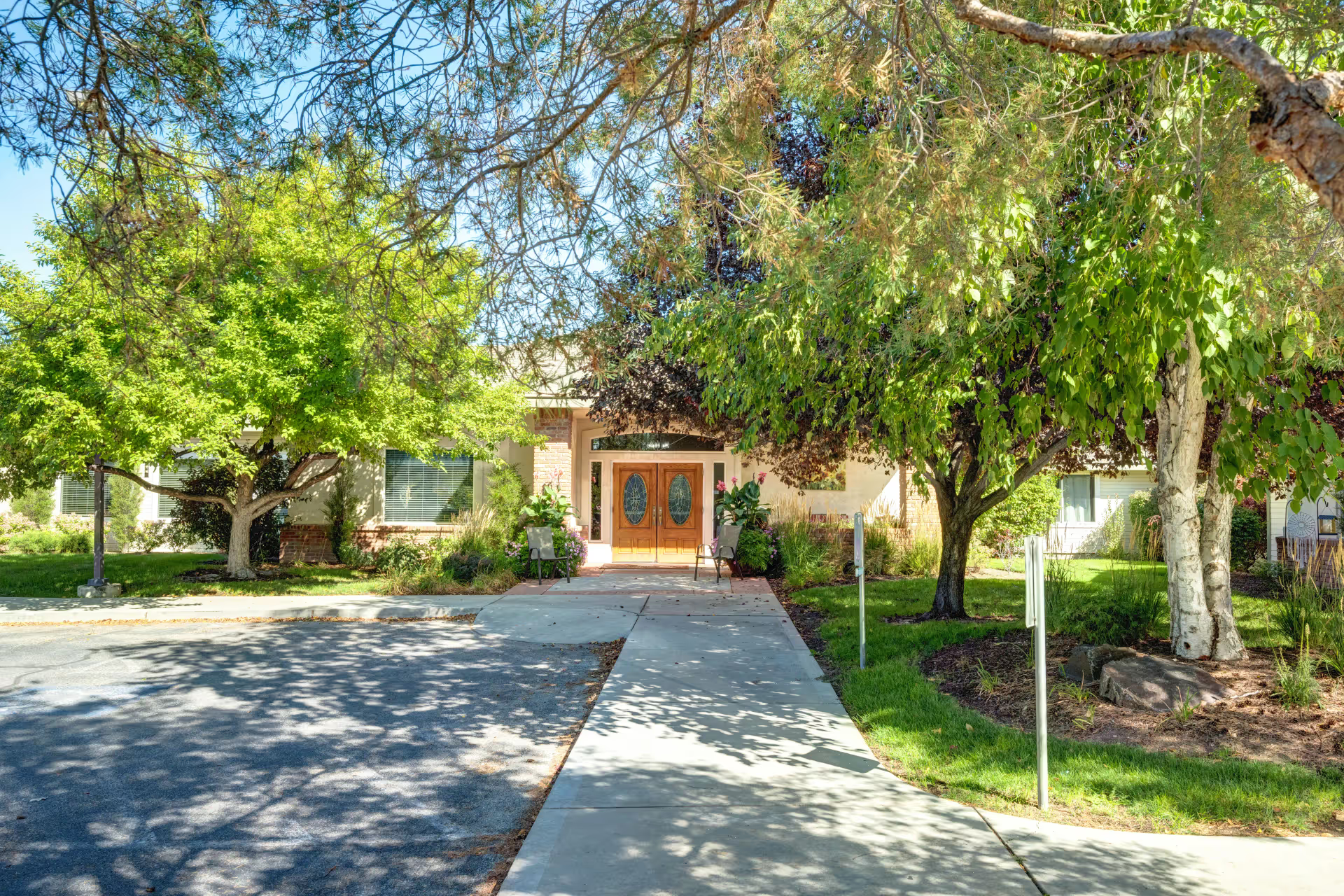
Across the summaries, the facility is characterized primarily by strong interpersonal strengths: staff are frequently described as compassionate and supportive, leadership is seen as engaged and community-minded, and the environment is described as warm and home-like. Many comments emphasize a focus on resident independence and an active sense of community, suggesting programming and daily life that prioritize social connection and autonomy. Operationally, reviewers also note an established administrative system, which may support consistency in some day-to-day functions.
Care quality assessments are mixed. Several summaries highlight heartfelt, personalized attention and general satisfaction with care. However, at least one account raises substantive concerns about the quality and reliability of caregiving, using language that implies lapses in staff performance and responsiveness. Taken together, this pattern suggests variability in how care is delivered: some residents and families experience consistently compassionate care, while others perceive significant shortcomings. Prospective families should verify clinical oversight, staffing ratios, and competencies during a tour.
Staff and management impressions skew positive overall. Leadership is frequently described as dedicated and visible, with specific mention of a leader whose approach is compassionate and community-focused. These qualities correspond with the facility’s emphasis on a homey atmosphere and resident independence. That said, criticisms indicating lax or inconsistent staff behavior point to potential gaps between leadership intent and frontline practice; the facility may benefit from stronger supervisory mechanisms or more consistent staff training.
There is limited specific feedback about dining and activities in the available summaries. The presence of a strong community focus and independence-oriented programming implies opportunities for social and recreational engagement, but reviewers did not provide consistent detail about menus, meal quality, or the breadth and frequency of activities. Prospective families should request sample menus, activity calendars, and opportunities to observe or attend an activity when evaluating the community.
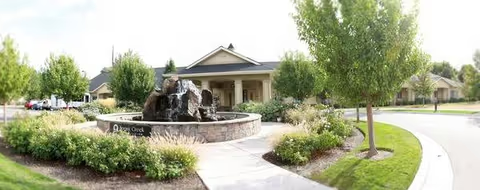
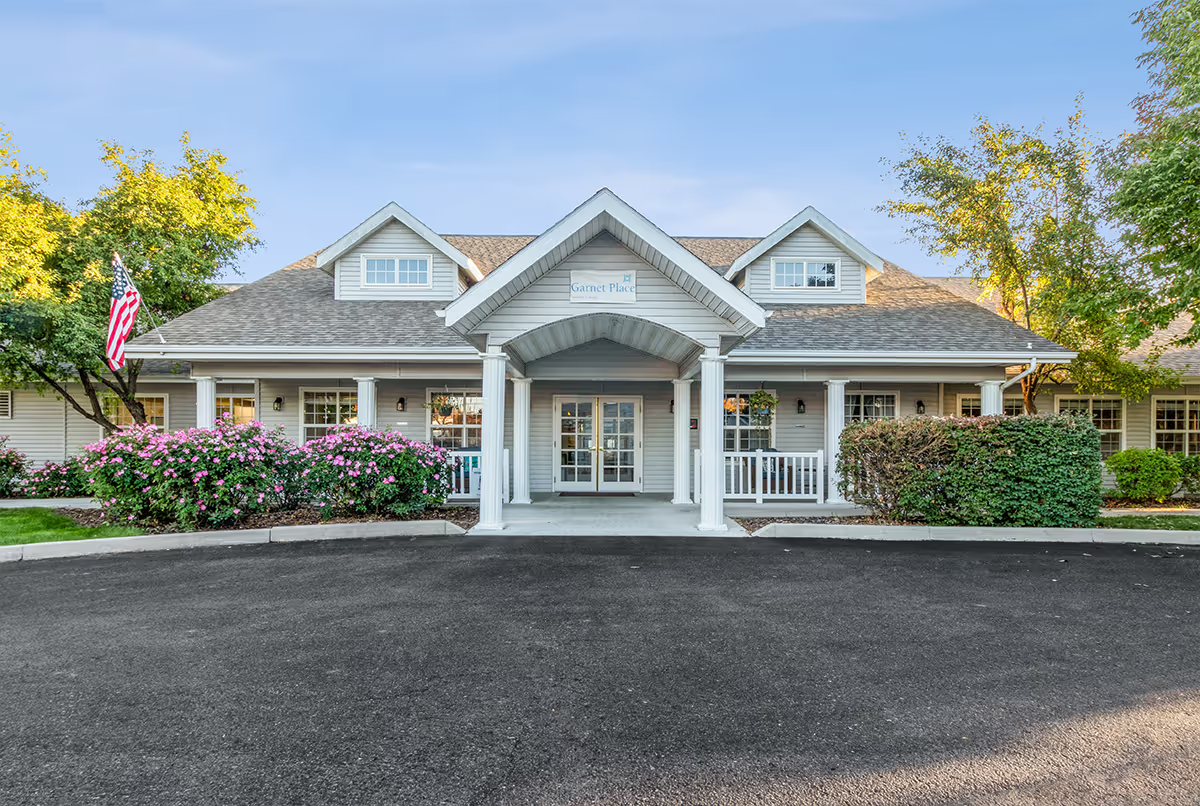
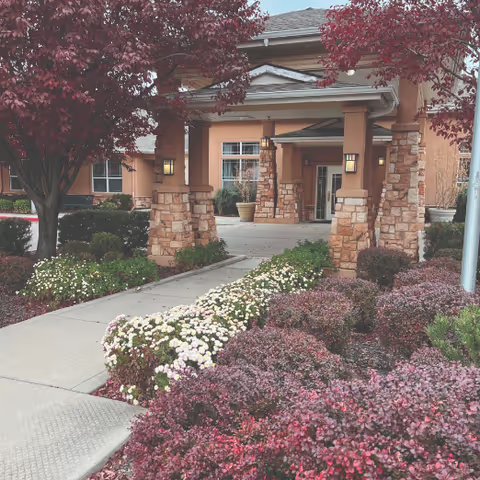
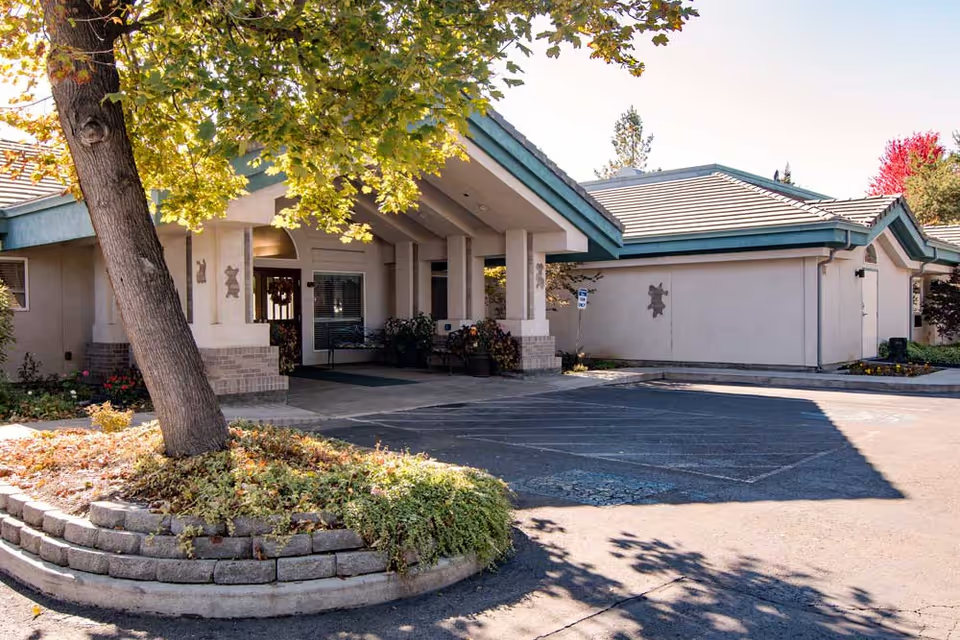
Facility and systems comments are generally favorable: the facility is described as well-established and orderly, and reviewers emphasize a comfortable, home-like setting. The combination of established systems and engaged leadership is a strength, but it does not fully mitigate the noted variability in caregiving. When touring, observe staffing patterns at different times of day and ask about maintenance, housekeeping protocols, and sanitation checks to confirm that the physical environment matches the positive impressions.
Notable patterns: the dominant themes are compassion, community, and resident-centeredness, tempered by isolated but significant concerns about care consistency and staff competence. These contrasting themes point to a facility that can deliver very positive experiences for many residents but may have operational weaknesses that allow lapses to occur. Recommended next steps for families: ask for specifics on staff turnover and training, request clinical oversight documentation (e.g., nursing supervision schedules), review recent satisfaction or incident summaries if available, and speak with current residents and families about both typical days and how complaints or care issues are handled.