These reviews describe small, home-style assisted living settings characterized by a high degree of personal attention and strong cleanliness practices, alongside operational and physical limitations that prospective families should evaluate. The facilities are repeatedly described as small (six to eight residents), which supports a high staff-to-resident ratio and frequent one-on-one interactions. Several reviewers praised compassionate, gentle caregivers, engaged ownership, a knowledgeable director, and the presence of an on-site registered nurse — all factors that can support individualized care and clinical oversight.
Care quality appears mixed. Positive indicators include attentive staff behavior, individualized attention, and visible cleanliness of rooms and equipment. At the same time, there are recurring operational concerns: staffing levels and caregiver experience are described as inconsistent, which can affect continuity of care and daytime engagement. Some reviewers noted instances that suggest inconsistent resident supervision or activity programming (for example, residents resting in common areas during daytime hours). Prospective families should clarify staffing ratios, shift coverage (including overnight supervision), and policies for activity and engagement.
Dining and meals are another mixed area. Multiple reviewers appreciated home-cooked, freshly prepared meals and found them comforting, while others described poor-tasting food and inexperienced kitchen staff. This points to variability in meal quality tied to kitchen staffing and culinary expertise. Visitors should request a meal sample, review menu rotation, and ask about kitchen staffing and contingency plans for staff turnover.
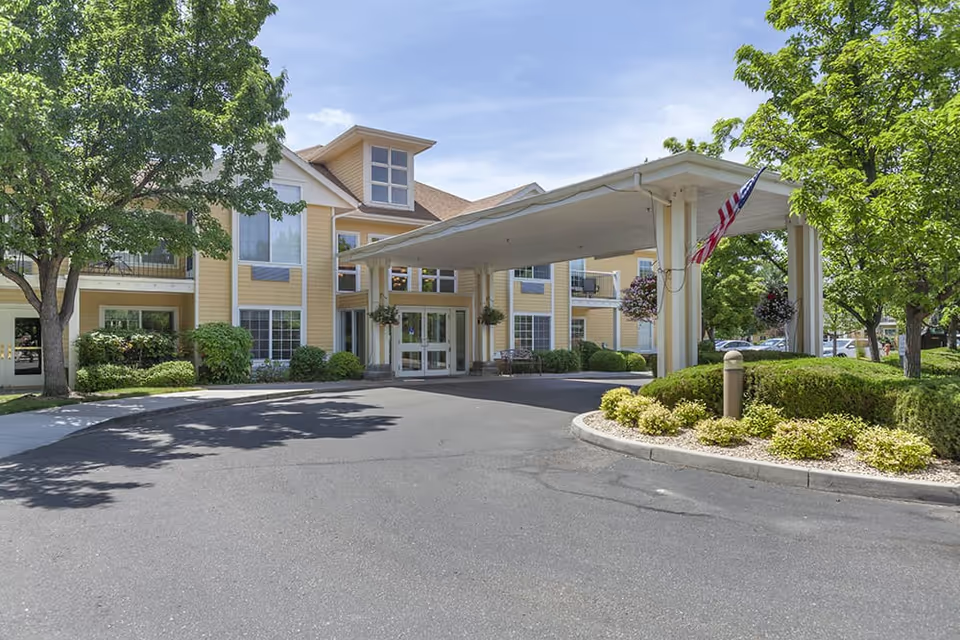
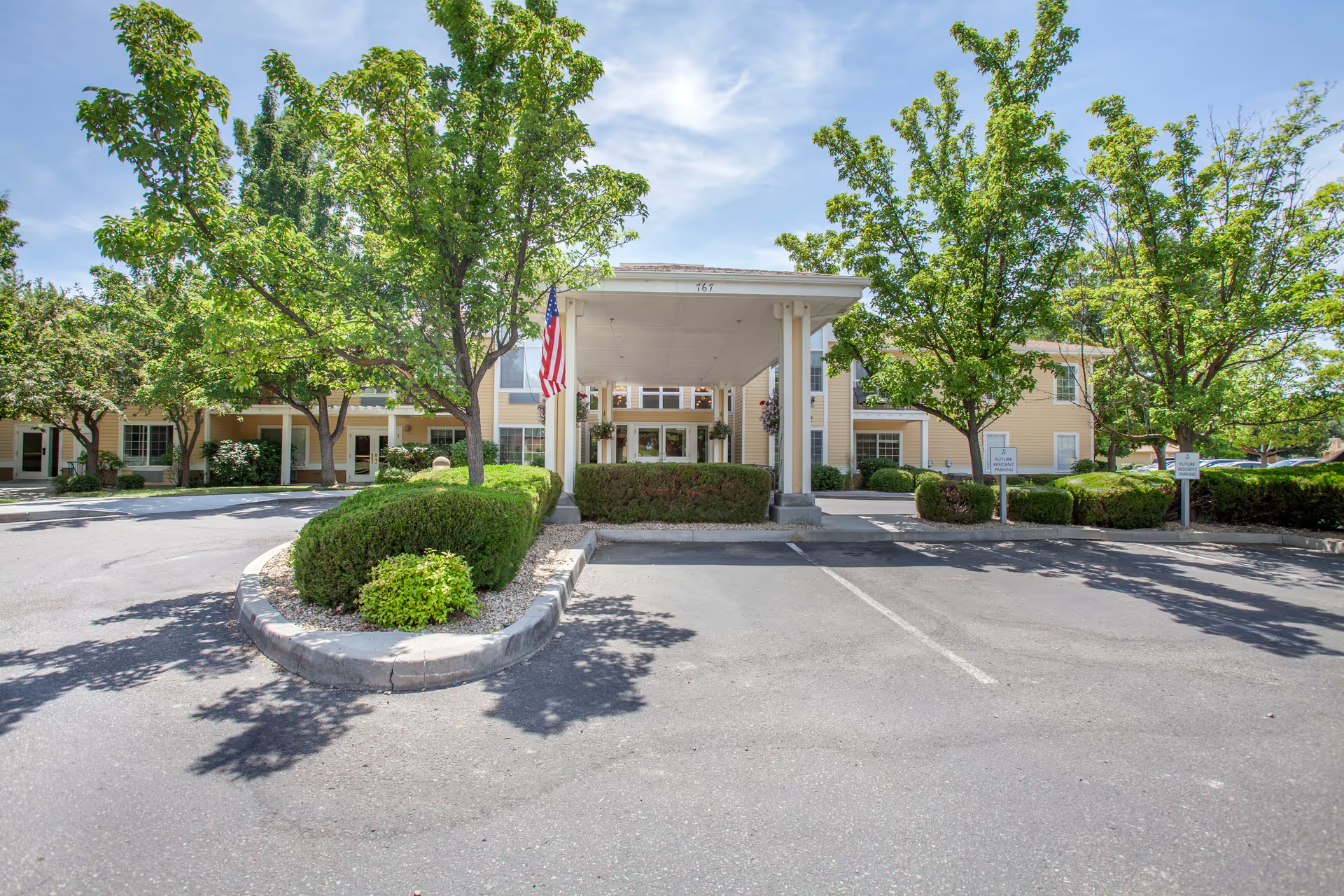
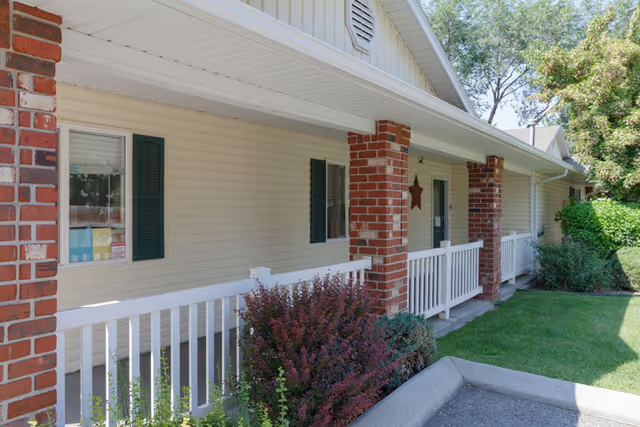
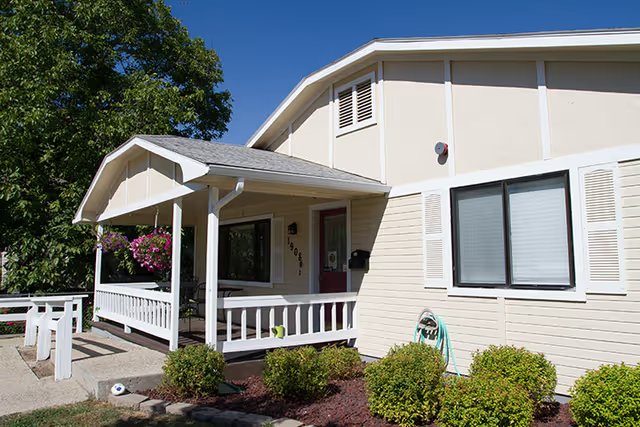
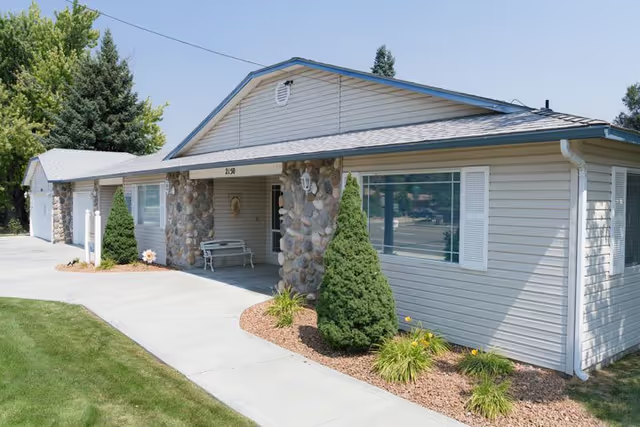
Facility and accessibility issues are prominent operational themes. Although interior cleanliness is frequently commended, the buildings are described as older, with limited communal space and low natural light in living areas. Exterior maintenance concerns include uneven ramp-to-porch transitions and sidewalks in disrepair, which are potential trip hazards. Several reviewers also noted a lack of private outdoor yard space. These are practical considerations for residents with mobility needs; families should inspect entrances, ramps, and outdoor accessibility during a tour.
Management and administrative patterns are mixed. Leadership and clinical presence (director and RN) are strengths cited in reviews, contributing to confidence in clinical oversight. However, reviewers also described confusion during tours and inconsistencies in the admission process, and one note about a Medicaid-transition requirement indicates potential limits on payer flexibility. Cost was perceived by some as high relative to the physical condition and services offered. Prospective residents should ask specific questions about pricing structure, contract terms, payer acceptance (including Medicaid-transition policies), and what is included in monthly fees.
Notable patterns: strengths center on personalized, compassionate caregiving in a small-house environment and solid cleanliness practices; weaknesses center on staffing consistency, kitchen staffing and meal quality variability, aging infrastructure and limited communal/outdoor spaces, and administrative clarity around admissions and payer policies. Recommended due-diligence steps for families include verifying current staffing ratios and staff experience, observing mealtime, inspecting physical accessibility and outdoor areas, clarifying overnight supervision and activity schedules, and confirming payment/Medicaid policies and contract details.