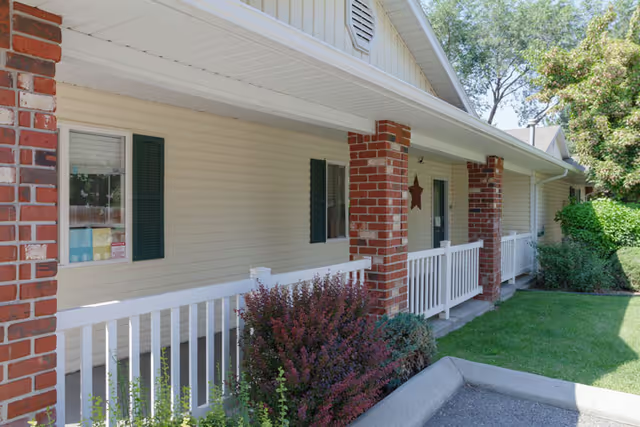
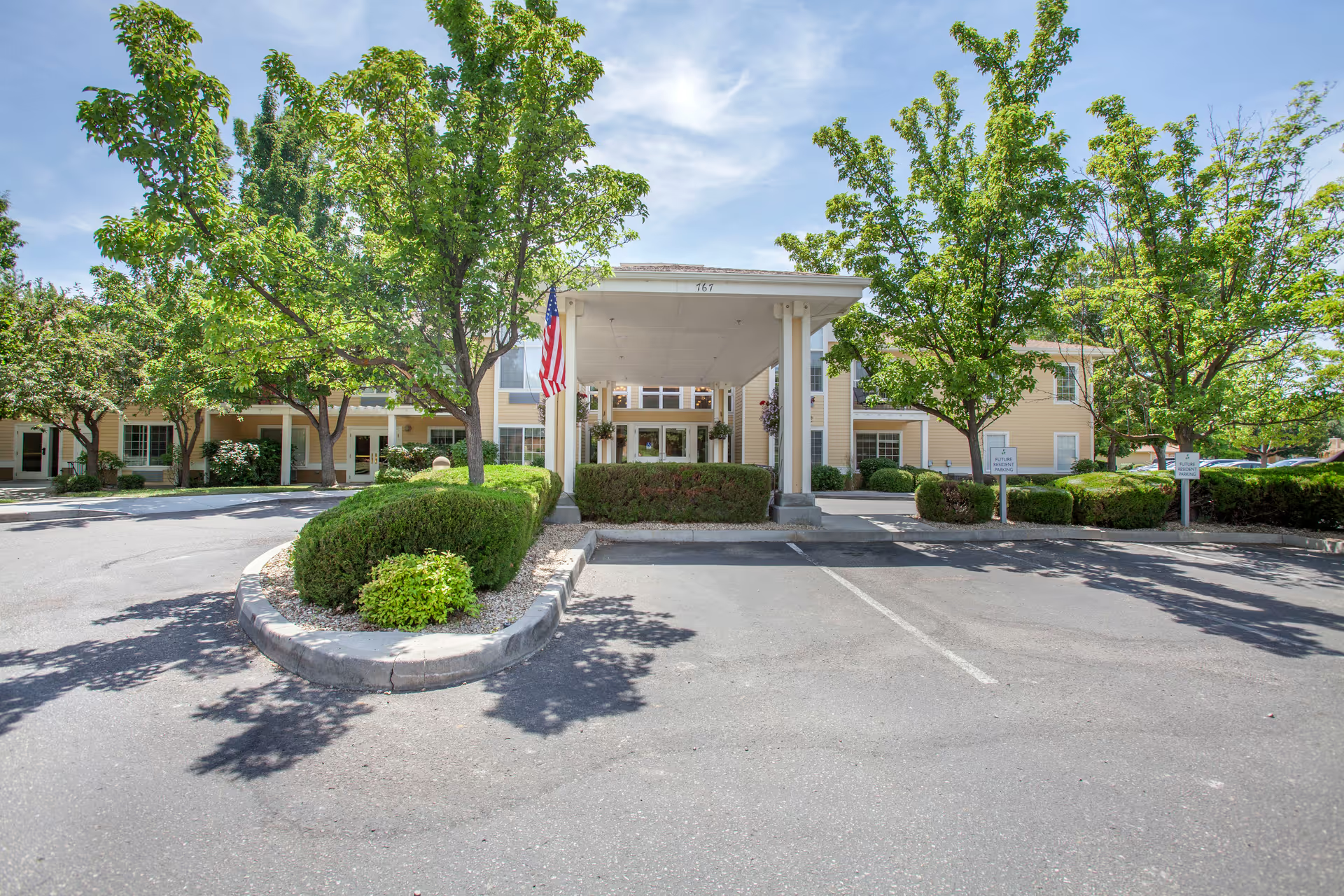
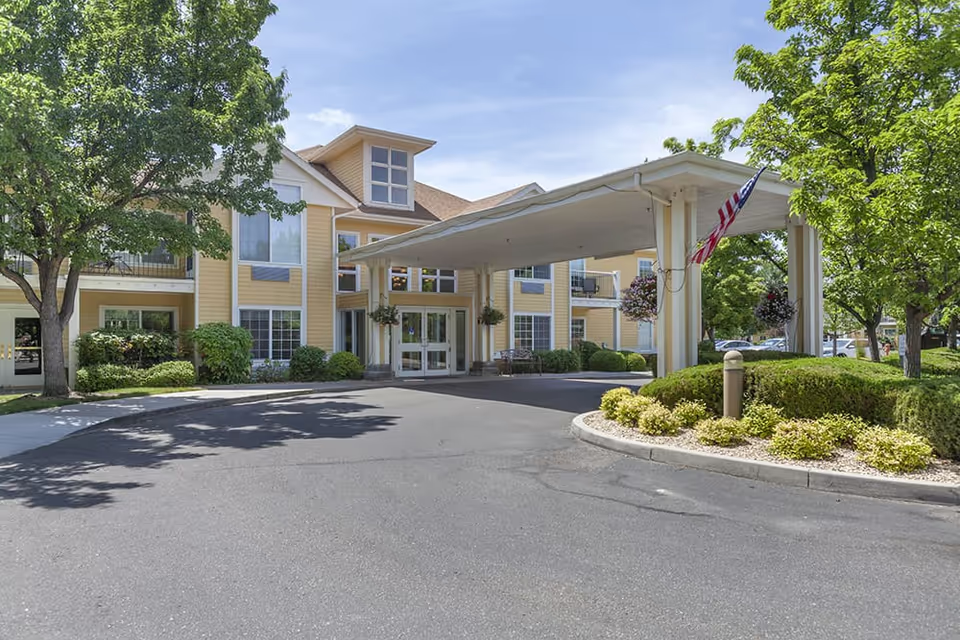
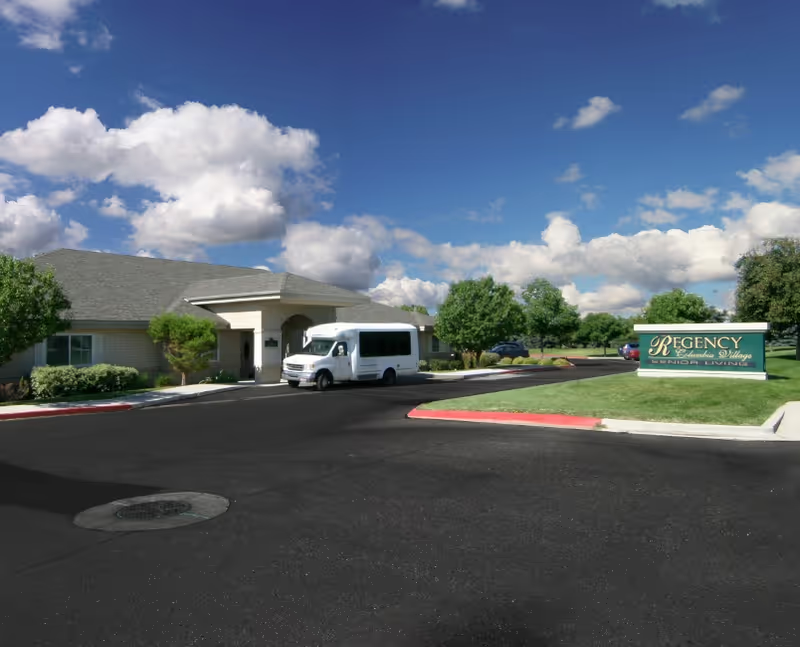
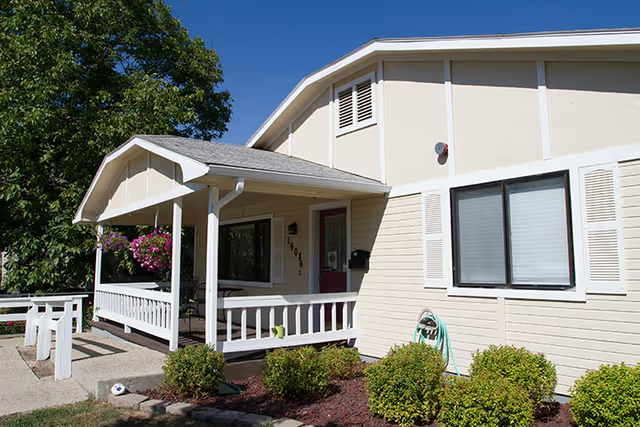
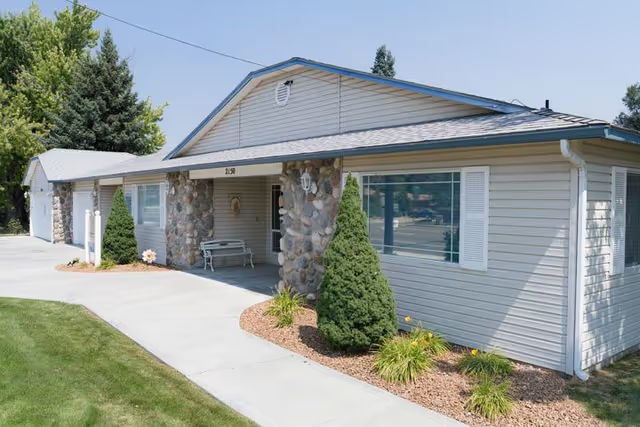
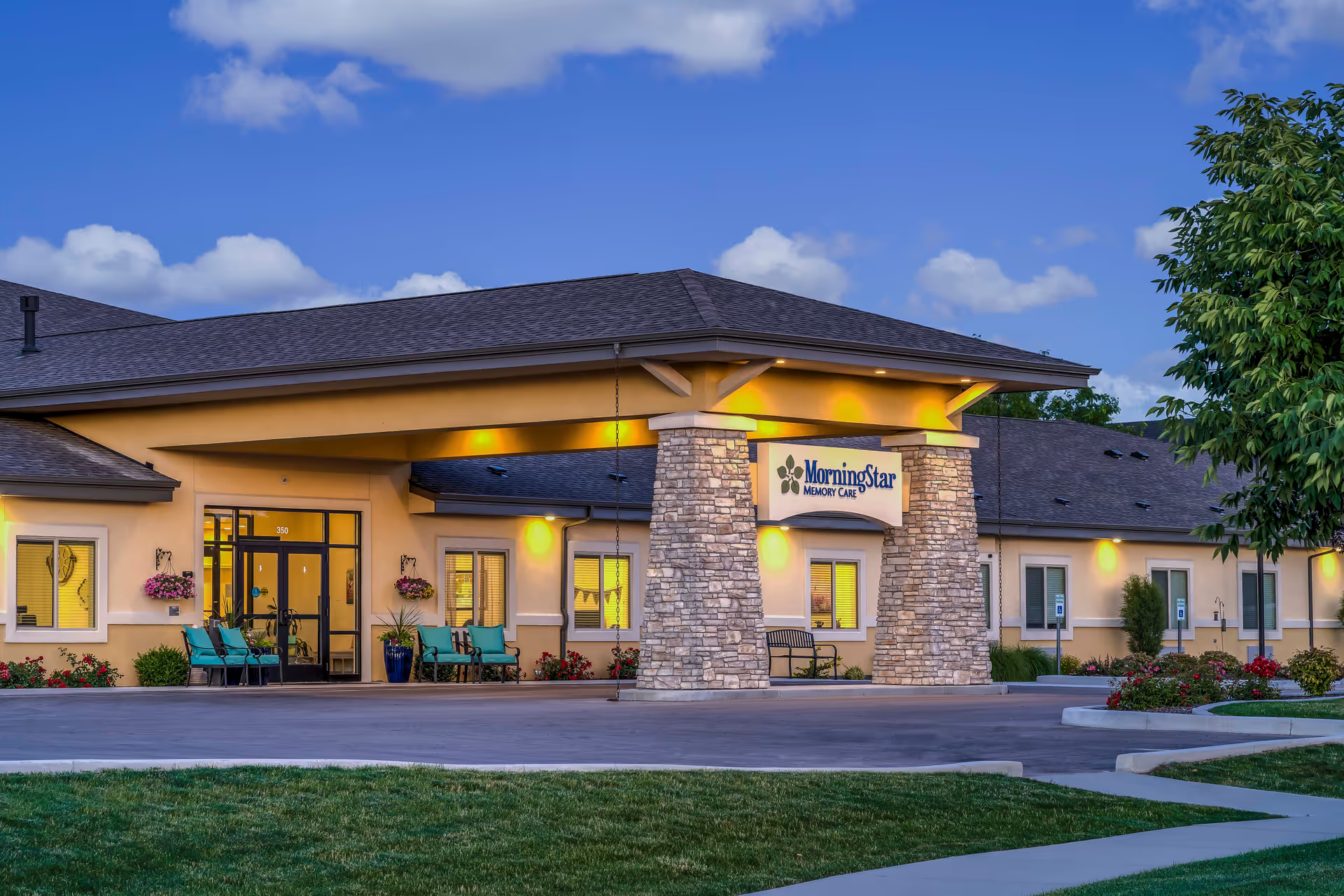
Table Rock Senior Living at Barber Station presents as a largely new, modern community with many physical strengths. Reviewers consistently highlight the facility’s contemporary design, bright common areas, hotel-style entry, attractive dining rooms, and convenient location adjacent to the greenbelt and park. On-site amenities such as a workout area, putting green, open outdoor spaces and pleasing views contribute to a resort-like environment. Multiple accounts describe clean, well-kept interiors and engaging public spaces that foster social interaction.
Care quality and staff performance show a mixed but important pattern. A substantial number of comments praise warm, compassionate caregivers, responsive front-desk and housekeeping teams, proactive nursing interventions in certain cases, and strong recreational therapy that supports meaningful resident engagement. Families describe thoughtful small touches — decorated doors for birthdays, resident-read poetry sessions, and family-style meals — that support an inviting community culture. Conversely, recurring operational weaknesses are evident: understaffing, elevated turnover, and workload pressure that appear to reduce consistency of care, particularly for residents with advanced dementia. Several families described concerns about responsiveness, medication administration, and inconsistencies in clinical oversight.
Dining and activity programming are frequently cited as strengths. Many reviewers commend chef-prepared meals, fresh vegetables and themed luncheons, alongside a full slate of activities — exercise classes, bingo, live music, and resident show-and-tell — that aid socialization and cognitive engagement. At the same time, there is notable variability in meal satisfaction and dietary accommodation, with comments about limited healthy options or unmet meal preferences. Prospective residents should clarify dietary accommodation processes and menu consistency during tours.
Operational and management issues recur across reviews. Admissions and orientation procedures are described as uneven, with gaps such as lack of a formal orientation checklist, unclear laundry and permission processes, and difficulties reaching a clear point of contact. Several families expressed frustration with leadership communication, perceived administrative disengagement, and an occasionally defensive or condescending tone from management. There are also mentions of post-closure billing focus and at least one privacy-related concern; these indicate the need for prospective families to ask direct questions about billing policies, confidentiality safeguards, and grievance channels.
In summary, Barber Station offers many features that appeal to families seeking a modern, activity-rich assisted living or memory-care environment: strong recreational programming, attractive facilities, and many dedicated caregivers. However, consistent delivery of clinical care and operational processes appears uneven in places, especially for residents requiring higher-intensity memory-care support. Prospective residents and families should validate current staffing ratios, training for dementia care, medication-safety protocols, admissions/orientation checklists, and specific dining accommodations when considering placement. Those factors will be central to whether the community’s positive aspects translate into consistently reliable day-to-day care.