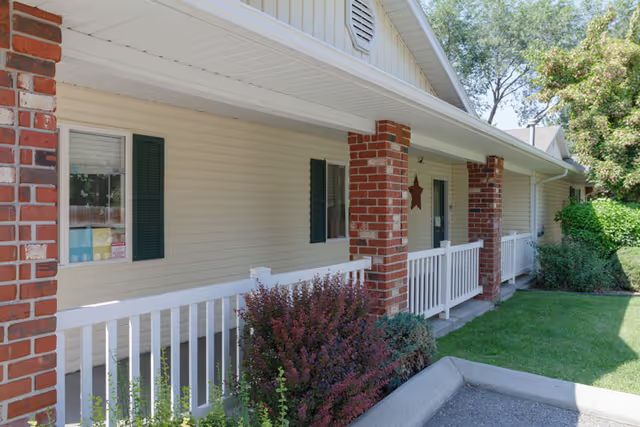
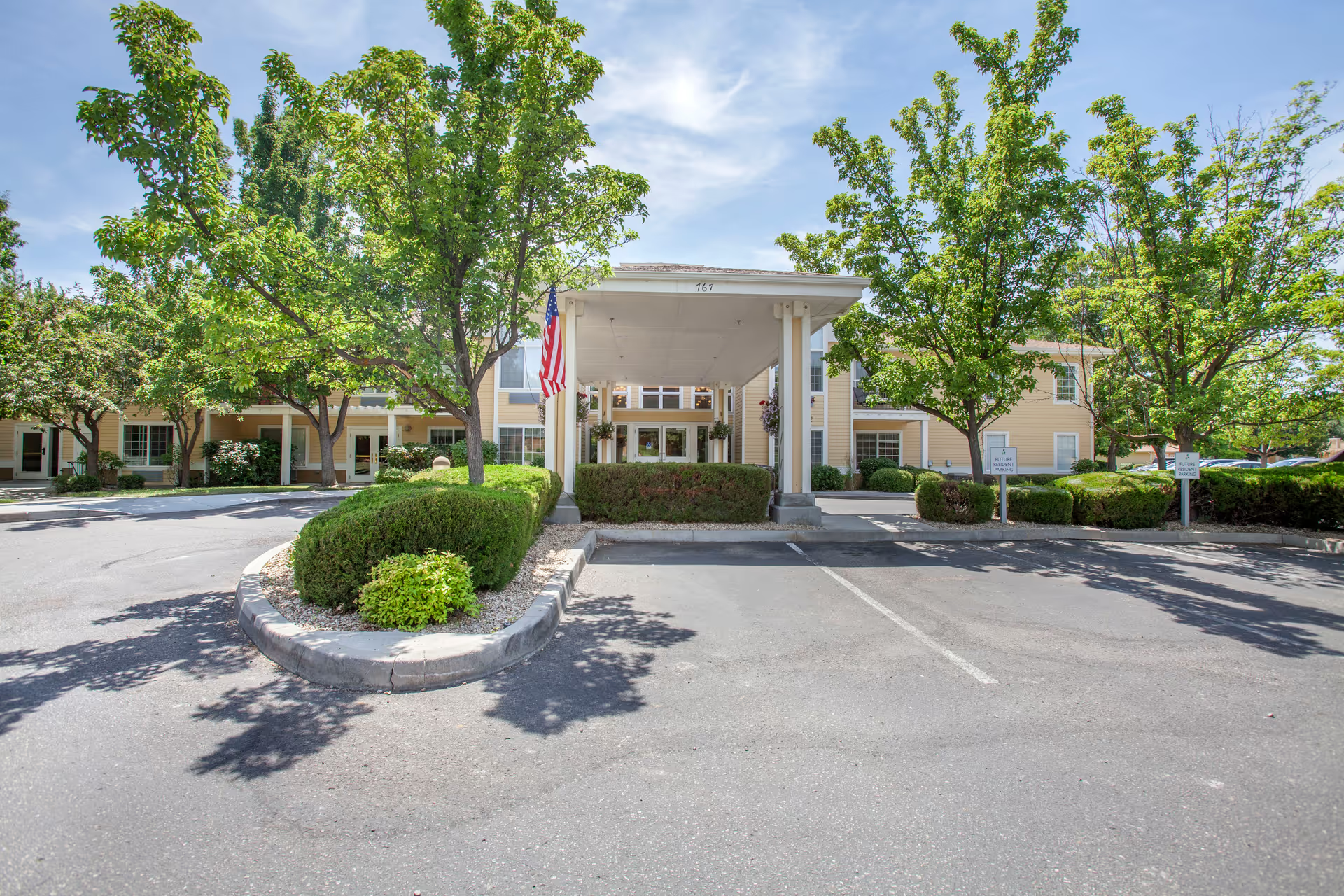
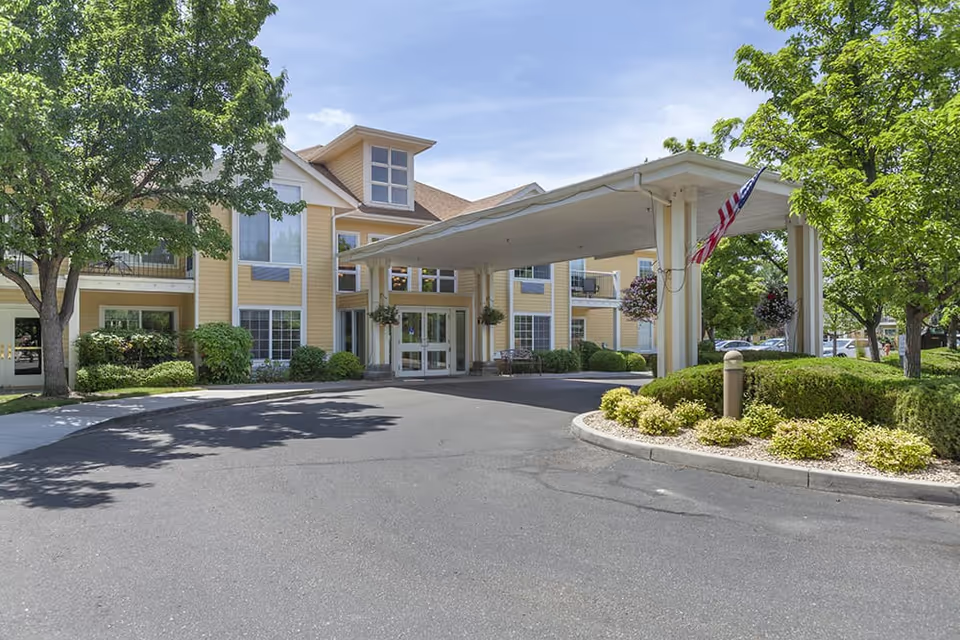
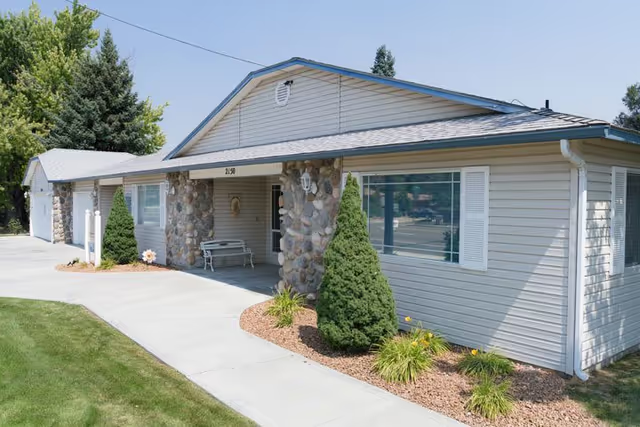
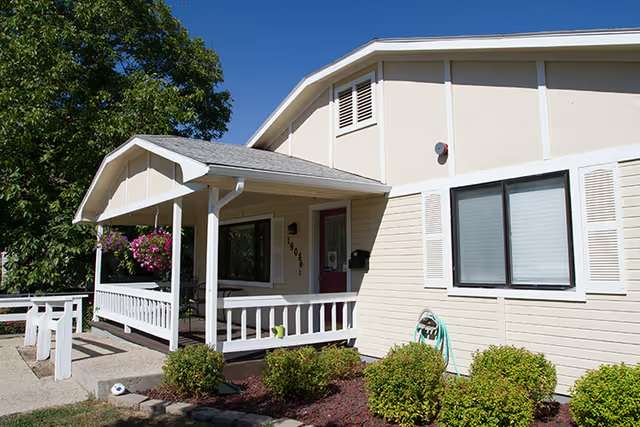
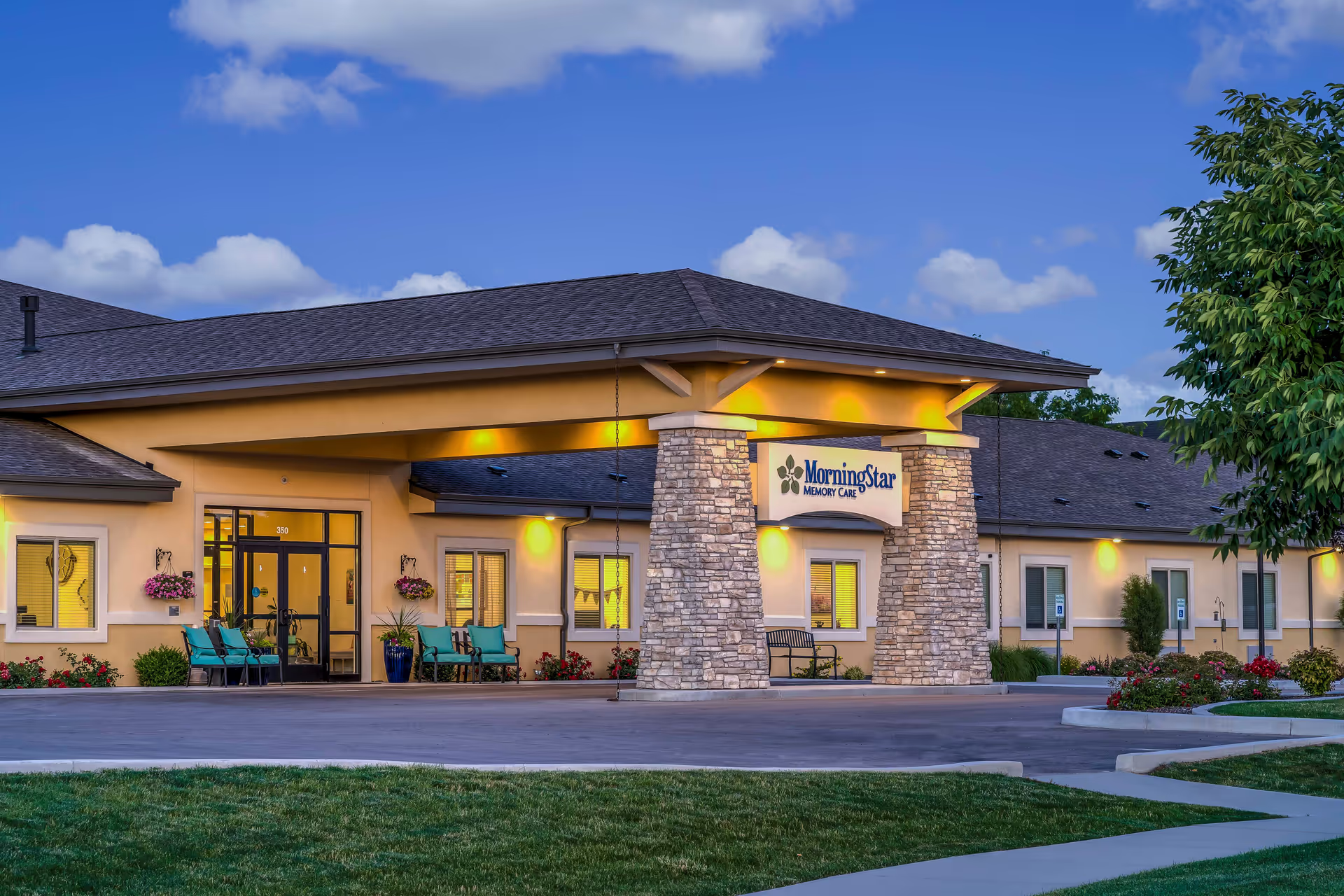
Overview — The Cottages Assisted Living & Memory Care at Columbia Village is frequently described as a small, cottage-style community with attractive grounds and a family-like atmosphere. Many families highlight the property’s courtyard and patio areas, bright, sizable rooms that allow personal furnishings, and a pet-friendly environment. The community’s organization around small houses and family-style dining contributes to a home-like feel that reviewers repeatedly cite as comforting for residents.
Care and staff — Staff performance is the dominant theme in reviews and is described in polarized terms. A substantial number of reviewers praise warm, attentive caregivers, engaged nursing leadership, and staff who form close personal relationships with residents; many families attribute improved social engagement and well-being to that staff involvement. Conversely, there are recurring operational concerns: inconsistent staffing levels, coverage gaps when team members are absent, and variability in dementia-specific training and clinical expertise. These operational weaknesses translate in some reports to delays in personal-care tasks, perceived lapses in clinical communication, and uneven medication-oversight processes. Prospective families should clarify current staffing ratios, dementia-care training, and on-site clinical coverage during a visit.
Dining and activities — The community is often commended for homemade, family-style meals, generous portions, and an active calendar that includes music sessions, game nights, outings, and religious services. For many residents these offerings support social engagement and quality of life. However, reviewers also describe inconsistent meal quality at times and gaps in activity leadership or programming coverage, particularly when staffing is limited or during management transitions. Confirm current menus, meal-service hours, and the stability of the activities coordinator role when evaluating fit.
Facilities and maintenance — The cottages model and grounds are frequently characterized as well maintained, clean, and inviting. Positive features include bright rooms, large windows, and accessible outdoor spaces. At the same time, reviewers note episodic sanitation issues in select areas, inconsistent temperature control between buildings, and delays in completing repairs—issues that can be exacerbated during renovation projects. Several reviewers described renovation-related disruption and temporary restrictions (for example, limitations on pets at dining). Ask about the timeline and scope of current or planned renovations, maintenance response times, and any interim accommodations.
Management and operations — Management impressions vary across reviews. Many families praise responsive leadership, visible administrators, and improvements following ownership or administrative changes. Others report communication shortfalls, billing inconsistencies, and instances where the community’s stated capabilities did not align with operational capacity (including situations where residents needed alternative placement due to staffing constraints). There are also isolated allegations of abrupt discharges or disagreements about levels of care; these underscore the importance of clear written care agreements and discharge policies.
Notable patterns and guidance — Overall impressions range from strongly positive to critical; the divergence centers on operational consistency rather than the physical environment. Strengths include staff-resident relationships, the cottage model, and active programming. Primary risks to verify in person are current staffing stability, dementia-care training and supervision, sanitation/maintenance responsiveness, dining consistency, and any ongoing renovation impacts. Families considering this community should tour during activity times, request documentation of staffing levels and nurse coverage, review sample menus, and ask for references from current family contacts to assess whether the facility’s operational performance matches its advertised services.