The reviews describe a facility with clear strengths in hands-on clinical care and rehabilitation alongside recurring operational weaknesses. Many families and patients highlight a committed core of staff — nurses, aides, therapists, and activity personnel — who provide compassionate, attentive care, know residents by name, and work to achieve measurable rehab progress. Physical and occupational therapy receive frequent praise for facilitating timely recoveries and successful discharges home. An on-site physician, coordinated medication administration in many cases, and visible nursing coverage across shifts contribute to positive clinical outcomes for a substantial portion of residents.
At the same time, reviews reveal substantial variability in day-to-day execution. Reviewers point to inconsistent caregiver skill and responsiveness: while some staff are described as highly professional and proactive, others are characterized as inattentive, poorly organized, or lacking compassion. This variability manifests as delays in attending to resident needs, missed toileting/bedside care tasks, and occasional lapses in medication or clinical-response timeliness. Several comments raise sanitation and incontinence-care concerns and describe dining-area cleanliness issues; these are operational areas that reviewers believe require more consistent oversight.
Organizationally, families cite mixed experiences with communication and administrative processes. Positive reports note thorough family updates, help with insurance and admissions, and staff who personalize care plans. Negative reports describe inconsistent information from different staff members, scheduling problems at admission or visitation, and instances where placement or discharge plans were changed without clear explanation. Staffing shortages and morale issues—often framed in the context of pandemic-era pressures and low pay—are raised as contributors to these inconsistencies and to intermittent service gaps.
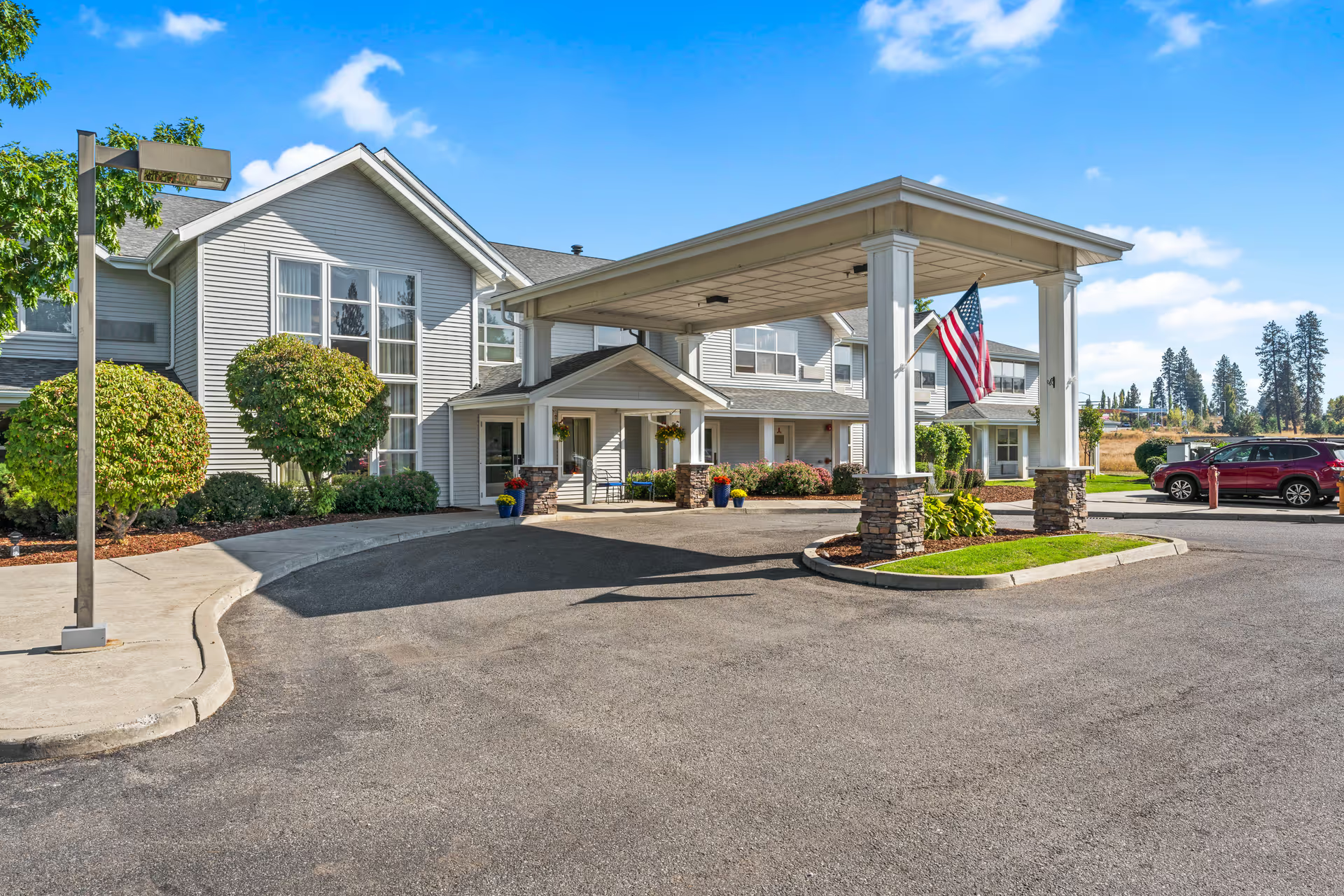
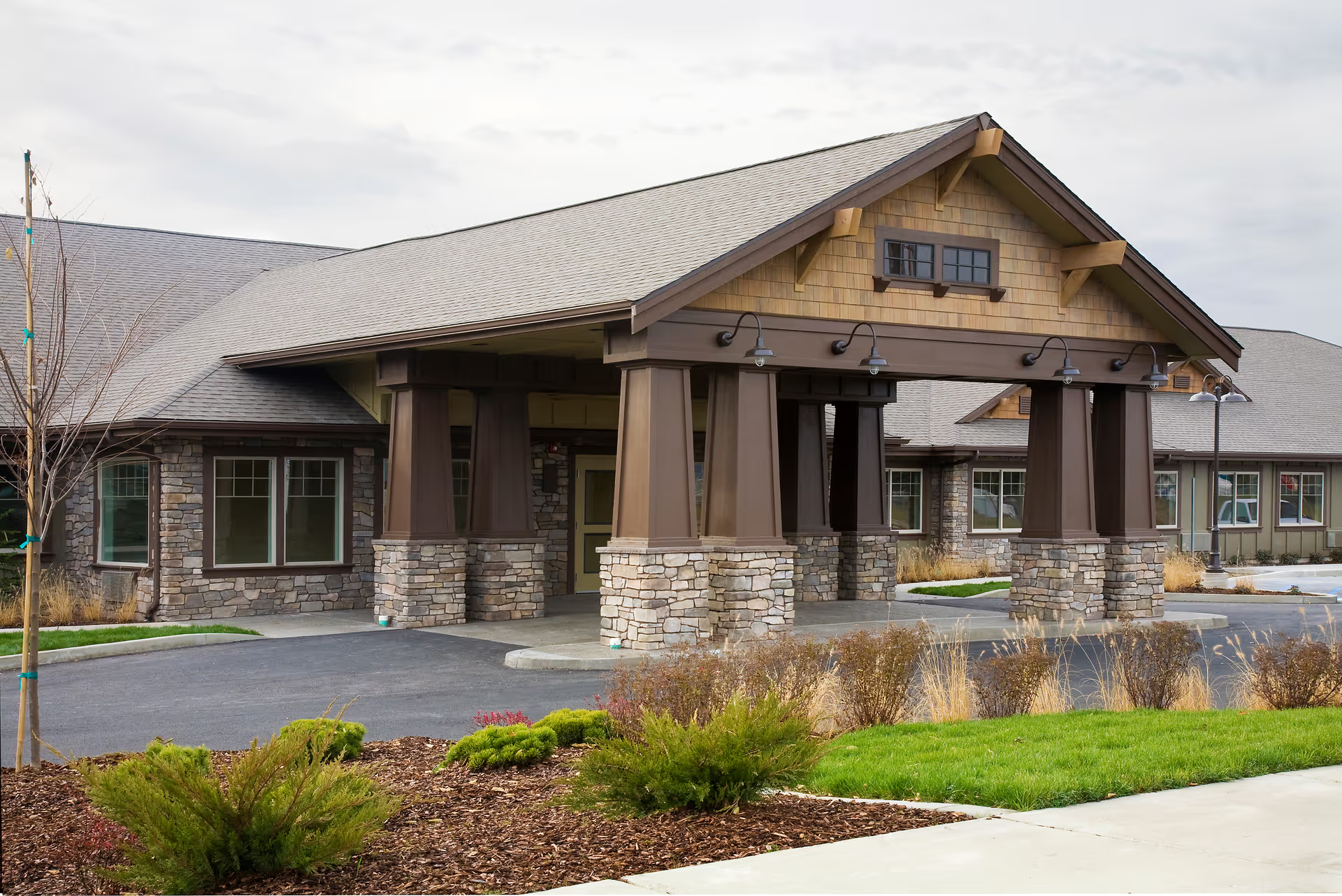
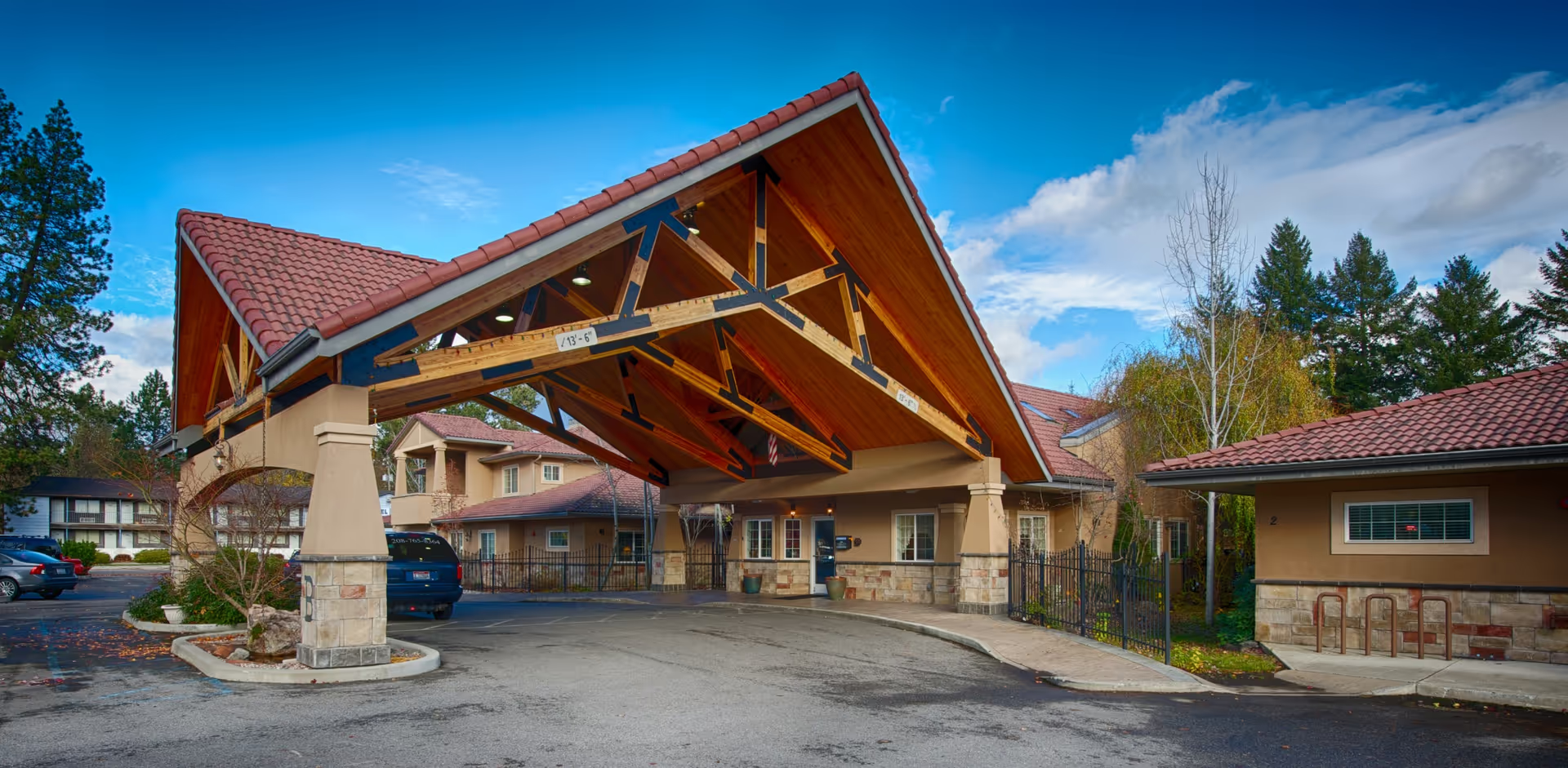
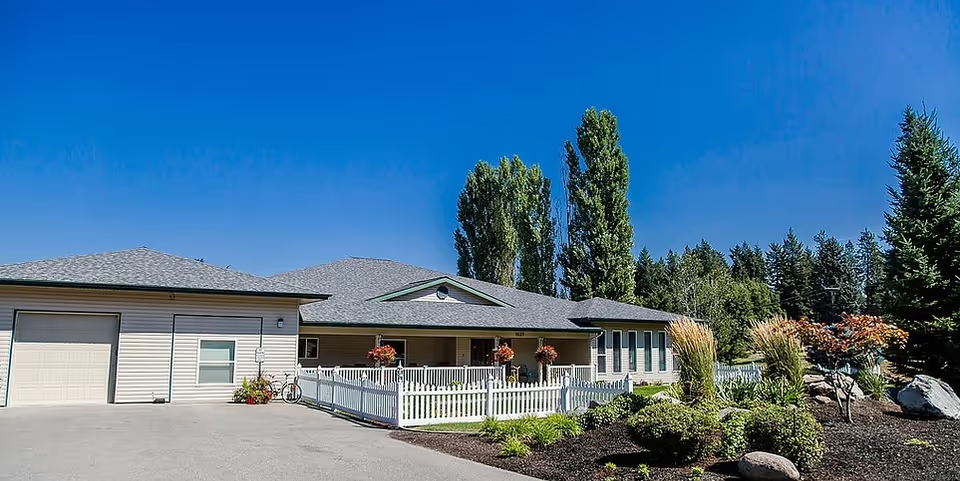
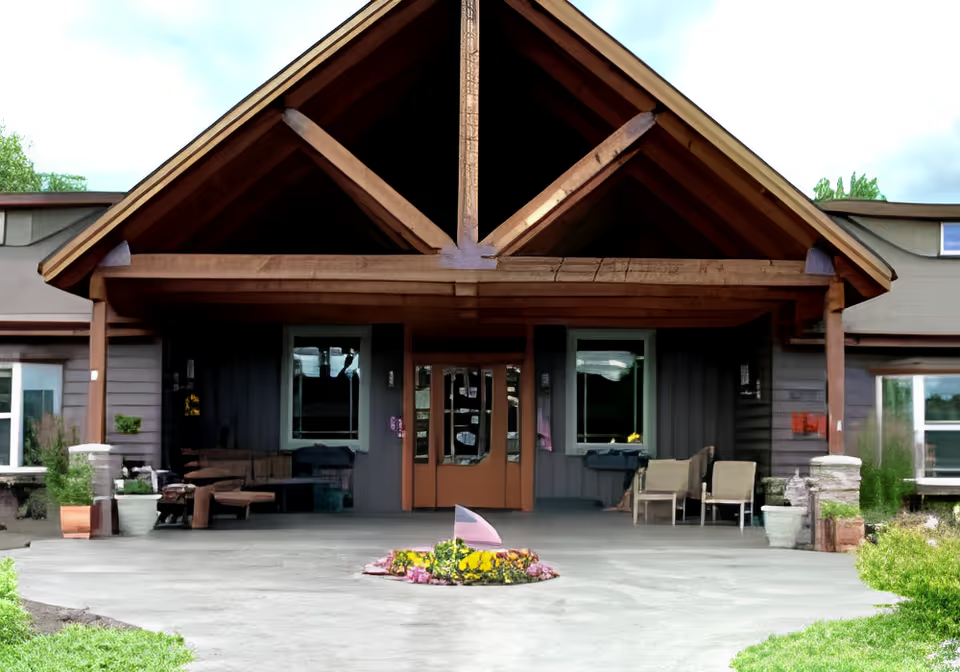
Amenities and programming are generally viewed favorably. The activity program — music, classes, social events, and holiday meals — is frequently cited as engaging and respectful of resident choice. Transportation services, connections to outside specialists, and a supportive approach to discharge planning are additional strengths. The physical plant elicits mixed feedback: many reviewers find common areas clean, attractively decorated, and comfortable, but others note that parts of the building are dated and in need of remodeling. Specific safety-process items are mentioned, including bedside/commode setups and door/security considerations; reviewers frame these as procedural or equipment gaps rather than isolated complaints.
In summary, Ivy Court appears to offer strong rehabilitative capabilities and a cadre of dedicated staff who can deliver compassionate, effective care. However, prospective residents and families should weigh that positive core against evidence of inconsistent execution in sanitation, responsiveness, communication, and facility maintenance. These patterns suggest that outcomes will depend in part on unit staffing and leadership oversight; families who prioritize consistent cleanliness, strict safety-process adherence, and seamless administrative communication may wish to probe those areas during tours and care-planning discussions. Conversely, those seeking effective therapy services, personalized attention from engaged clinicians, and an active activities program may find the facility aligns well with their goals.