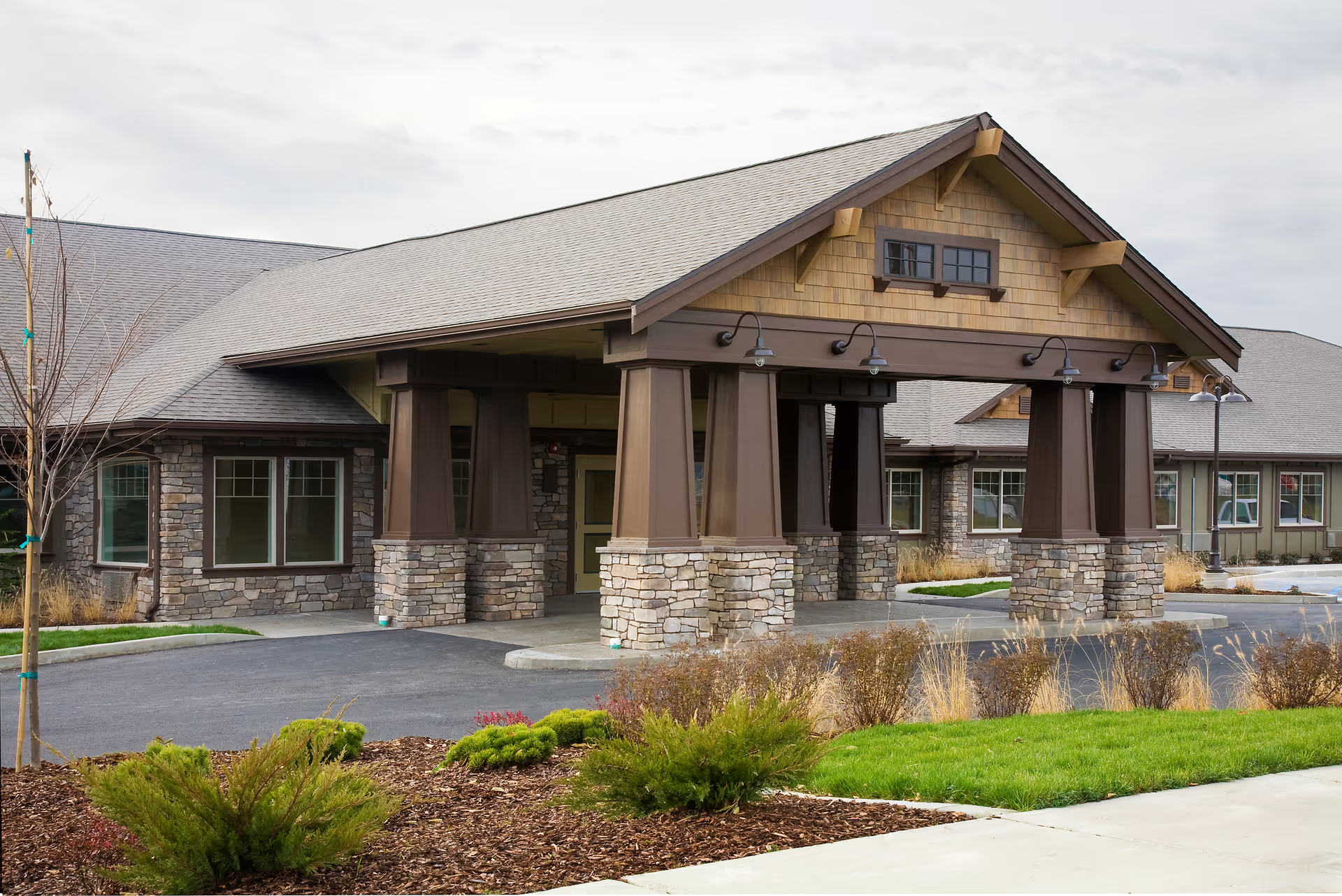
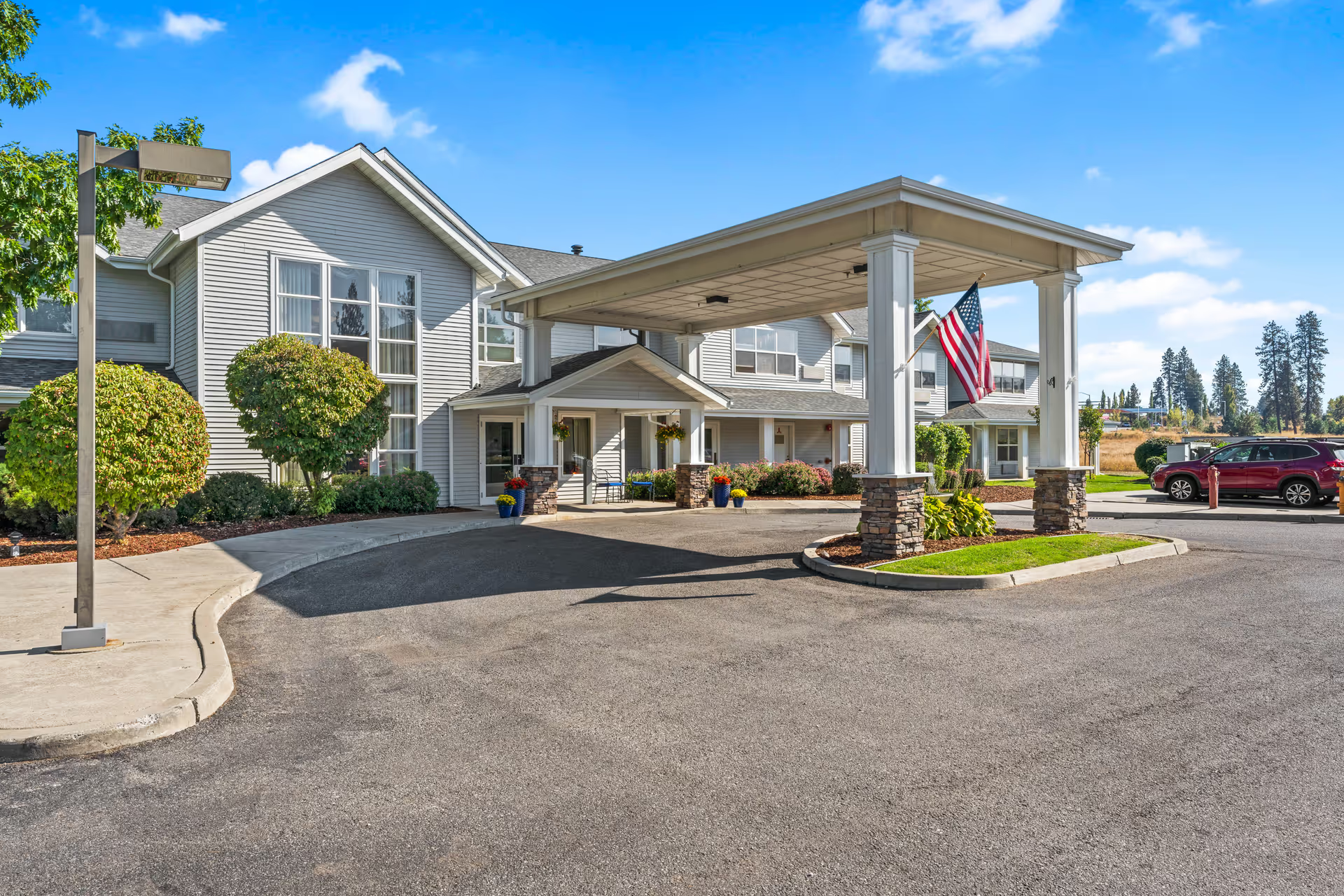
Life Care Center of Coeur d’Alene elicits a mixed but clear pattern: many reviewers praise the facility’s compassionate caregivers, robust therapy program, and welcoming physical environment, while others describe operational gaps that affect resident safety, communication, and consistency of care.
Care and staff: Numerous accounts highlight caring nurses, devoted CNAs, and effective physical-therapy teams that contribute to positive rehabilitation outcomes and strong end-of-life comfort. At the same time, reviewers describe variability in responsiveness and staffing levels; this manifests as delayed assistance for routine needs, inconsistent bathing and toileting support, and concerns about safety monitoring. Clinical reliability is another area of mixed feedback: while some families experienced thorough, coordinated care, others noted medication-management problems and inconsistencies in medical documentation. There are also repeated concerns about staff conduct supervision and privacy safeguards that suggest uneven enforcement of professional standards.
Dining and therapy: The facility’s dining program receives largely favorable comments for taste, presentation, and a kitchen staff that will attempt special accommodations. However, there are recurring notes about the facility’s inability to reliably meet certain restricted-diet needs and occasional complaints about meal temperature and appeal. Rehabilitation and therapy services are a strong point, with multiple positive references to twice-daily therapy sessions and visible functional improvement among residents.
Activities and facilities: The interior is frequently described as clean, well-decorated, and tour-worthy, with active programming, outings, and a variety of resident events. Memory-care and long-term units are noted as orderly and engaging. Operational limitations include shared-room arrangements, limited on-site personal services (barber/beautician), and some maintenance concerns that appear localized rather than systemic.
Management and administration: Administrative themes include inconsistent communication with families, problems coordinating discharge and post-discharge information access, and billing or records issues. Several reviews raise serious concerns about inventory control and handling of personal belongings; a few use stronger language about alleged misconduct. While such claims are serious and merit verification through formal inquiry, they stand alongside accounts of helpful admissions and social-services staff who provide clear Medicare/process explanations. High staff turnover and perceived declines in consistency are also mentioned and may contribute to variability in day-to-day operations.
Notable patterns and guidance for families: The pattern across reviews is one of strong individual caregiver engagement and effective therapy contrasted with variability in operational reliability (staffing, responsiveness, documentation, and administration). Prospective residents and family members visiting the facility should observe staffing ratios on the unit, ask how call-bell response times are monitored, review medication reconciliation and documentation practices, clarify dietary accommodation procedures, verify personal-belongings policies and inventories, and request a written discharge and post-discharge communication plan. These targeted questions can help families gauge whether the facility’s strengths align with a particular resident’s priorities and clinical needs.