Overall impression: Reviews present a mixed but coherent picture. Many families praise the Lodge at Bristol Heights for compassionate caregiving, a supportive, family-like culture, and a well-regarded memory-care program. The facility is described as clean, newly built, and organized, with comfortable rooms and visible communal activity such as music in common areas. Several comments point to effective, proactive communication from named administrators and staff, and to positive clinical or emotional outcomes for residents.
Care and staff: Strengths center on staff compassion, resident-focused attention, and regular check-ins. Families report staff who are attentive to residents’ emotional needs and who respond to discomfort or fear promptly. Leadership and some front-line supervisors receive positive mention for clear communication and problem resolution. However, an important operational pattern is persistent staffing strain: reviews indicate limited staffing levels during shifts, inconsistent caregiver assignments, and frequent turnover. These conditions are associated with shorter one-on-one interaction windows and reviewer-reported lapses in attentiveness. Concerns about medication-administration processes and adherence to medication-distribution protocols also appear as recurring operational issues.
Dining and activities: Specific commentary on dining is limited. Activity-related feedback is generally positive, with observers noting communal interaction opportunities (for example, piano/music in shared spaces) and a warm, home-like atmosphere that supports resident engagement. Regular check-ins and staff interaction are described as part of the daily routine, contributing to resident wellbeing.
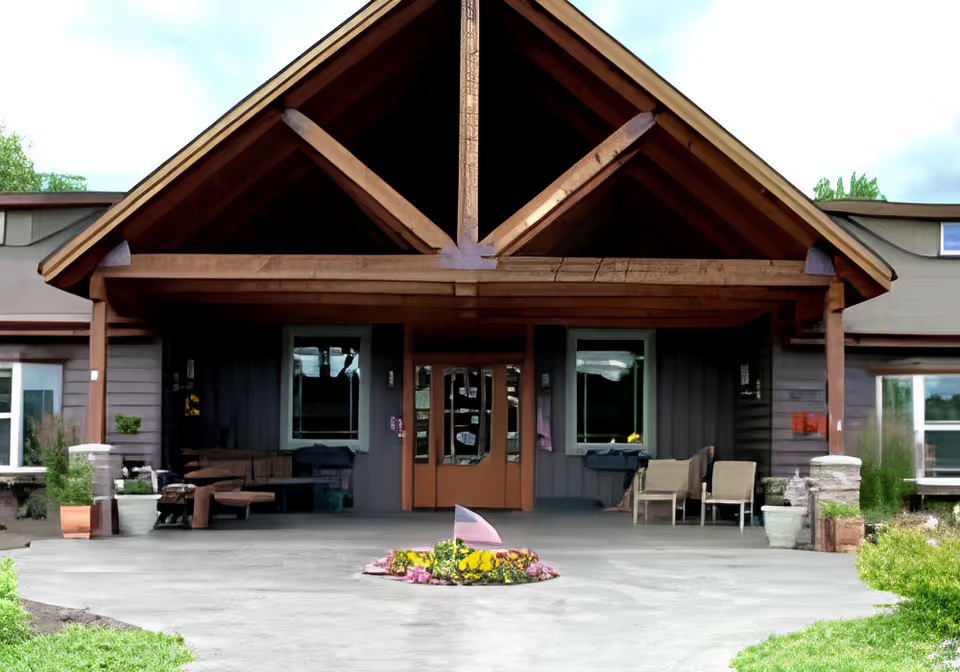
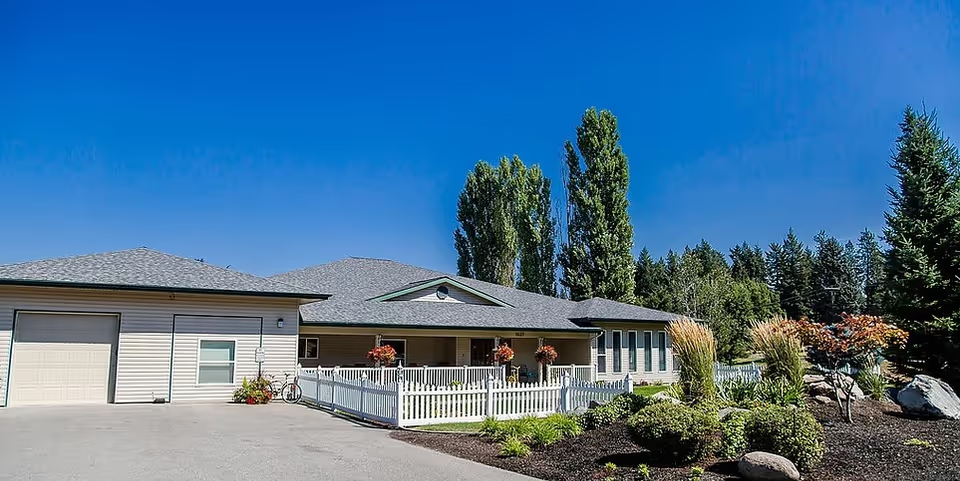
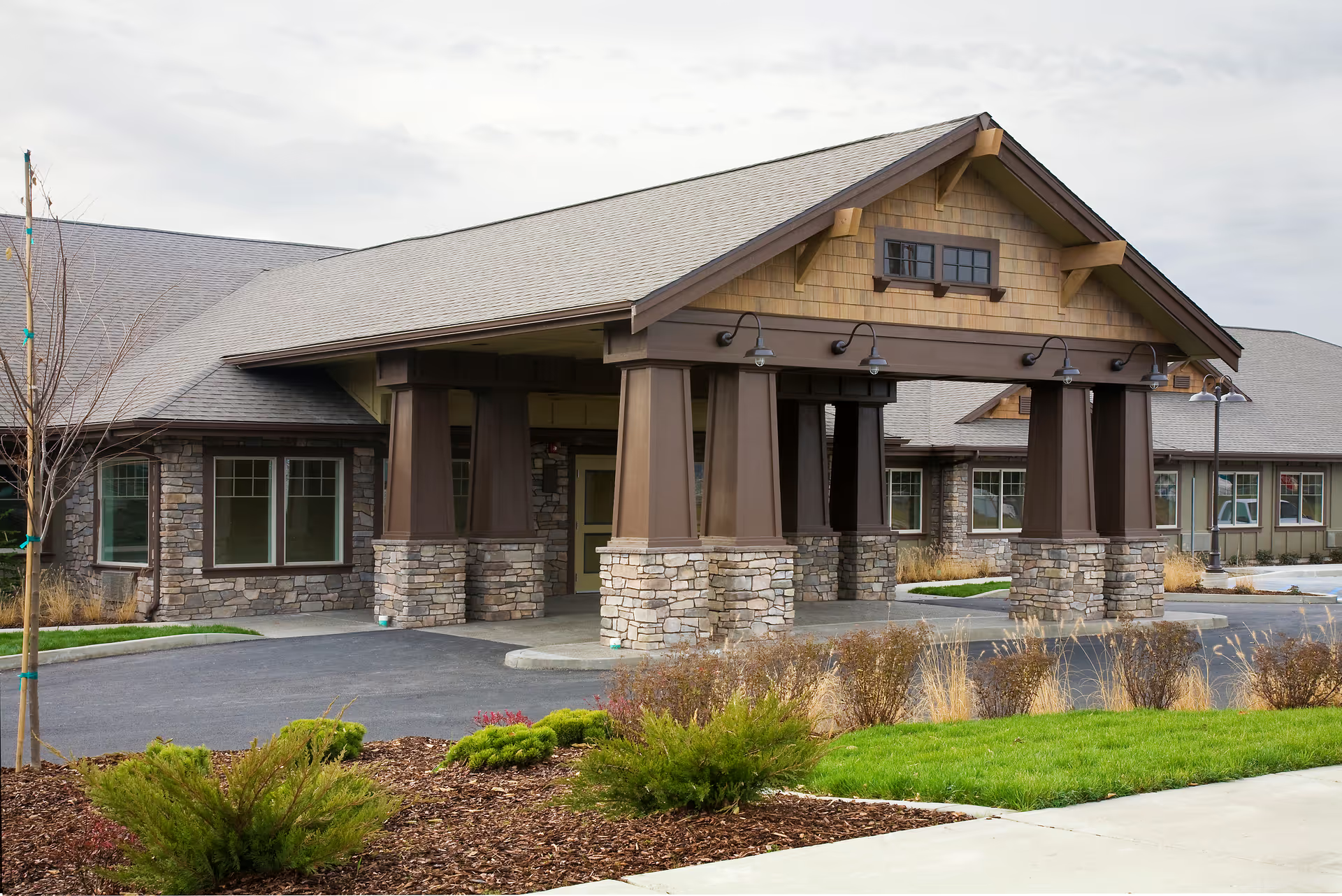
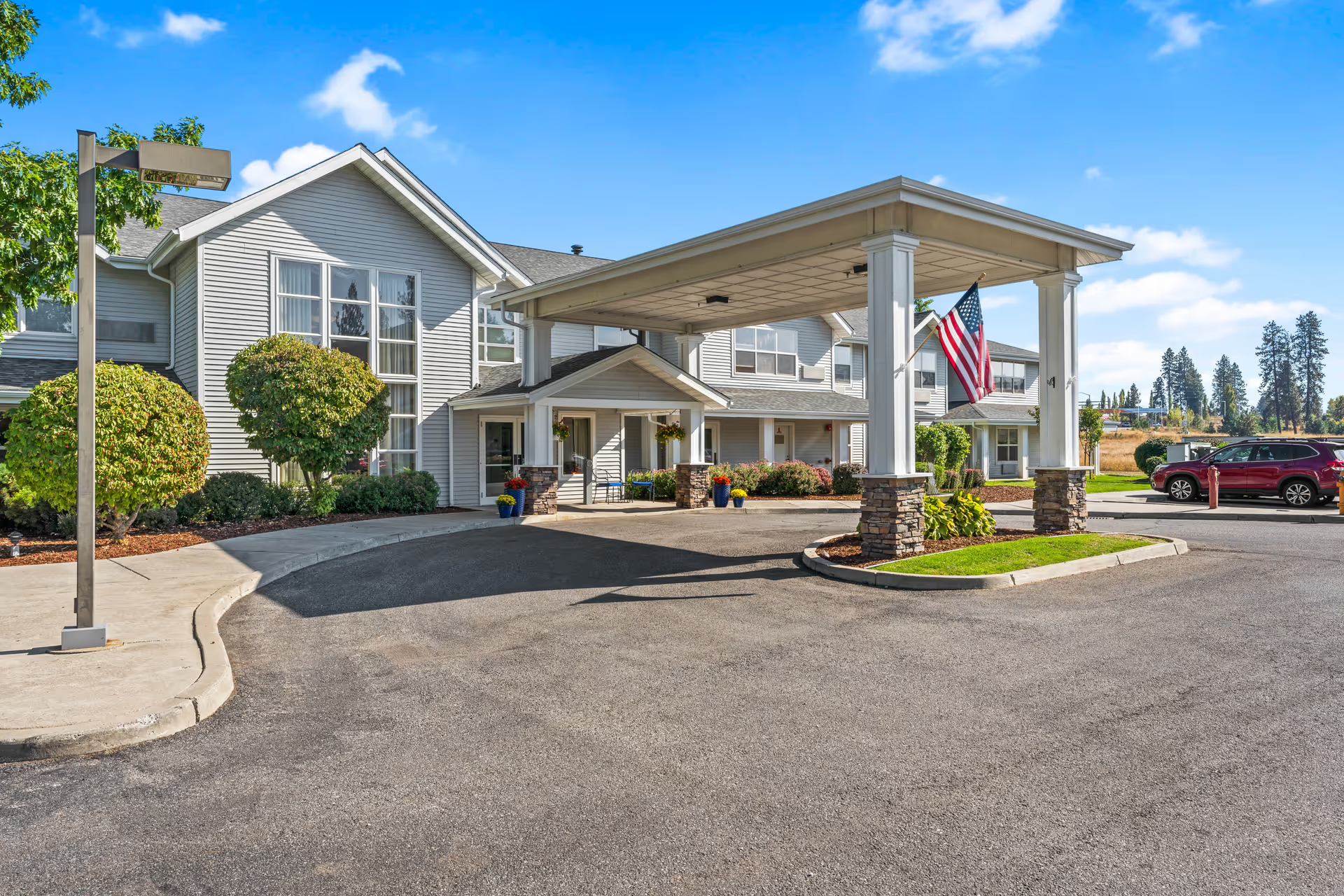
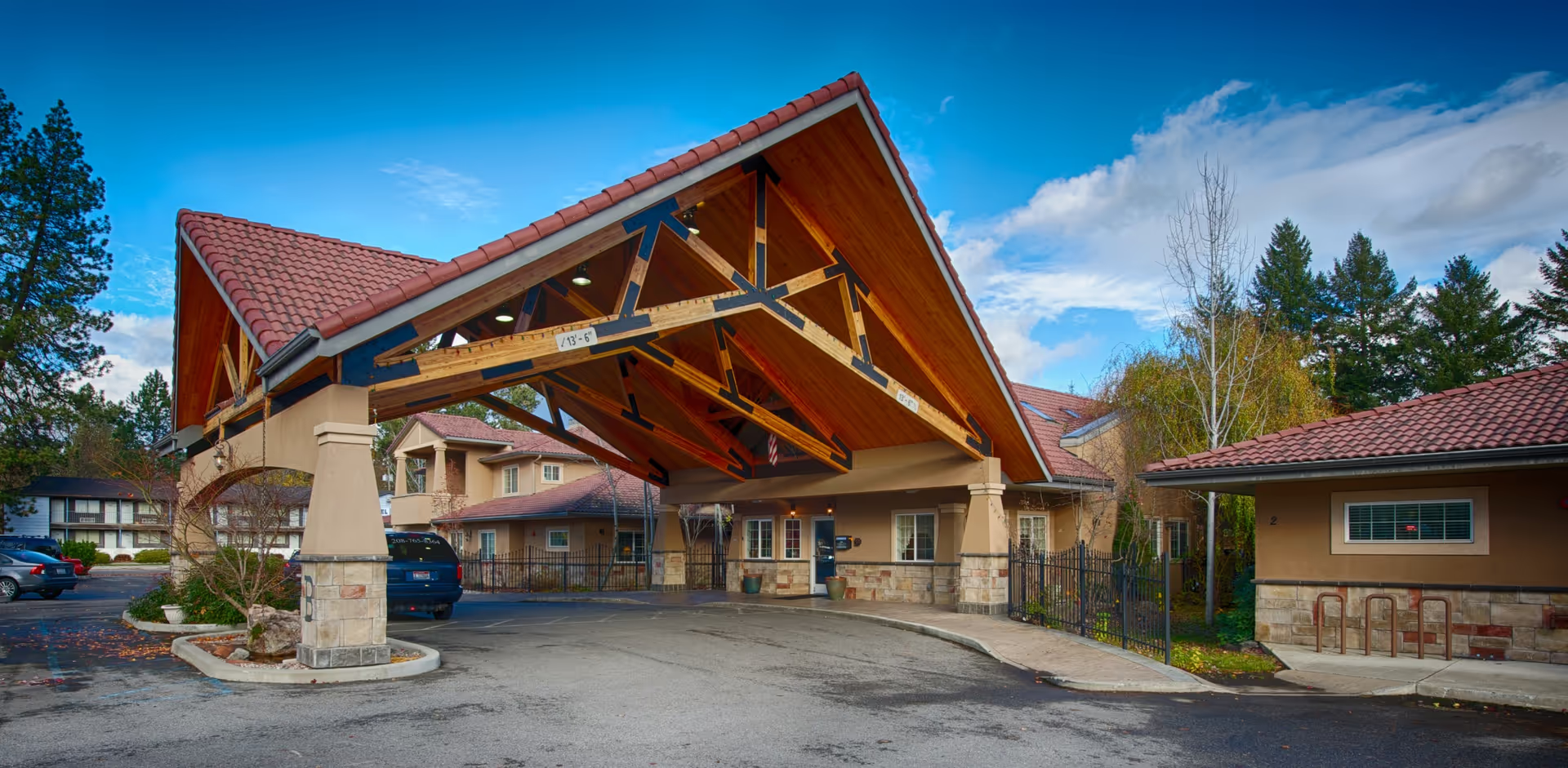
Facilities and environment: The physical plant receives strong marks: reviewers describe a new, clean building, warm resident rooms, and well-kept common areas. Organization and housekeeping practices are noted as meeting expectations, and families frequently cite comfort and safety within the facility environment.
Management and communication: Management presence and individual staff members earn favorable comments for responsiveness and problem-solving. At the same time, there are reports of inconsistent professionalism and variable communication quality across staff. Some families experienced poor telephone interactions or abrupt communication, while others found administrators very responsive. There are also mentions of family escalation and outside-advocacy involvement, which suggests some families have pursued formal channels to resolve unresolved concerns.
Notable patterns and practical considerations: The dominant tension across feedback is between strong interpersonal care delivered by many staff members and operational weaknesses tied to staffing levels and process controls. Prospective families should weigh the facility’s evident strengths in memory care, staff compassion, and facility condition against operational factors such as staffing ratios, consistency of assignments, medication-management procedures, and communication reliability. Given mentions of oversight involvement and concerns about review authenticity, visitors should request current staffing rosters, medication-administration policies, and examples of family communication protocols during a tour to assess whether the facility’s operational practices match the praised aspects of care.