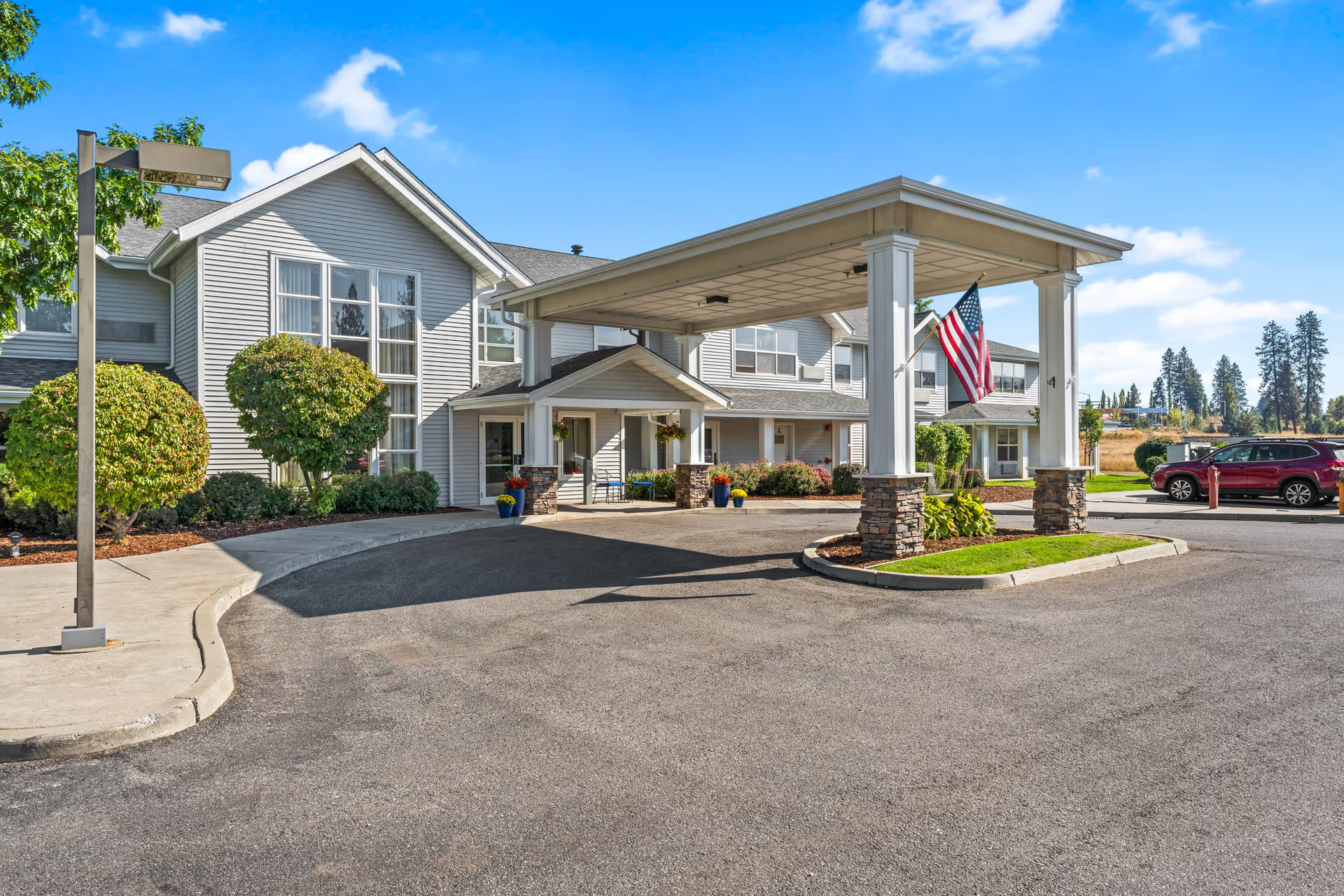
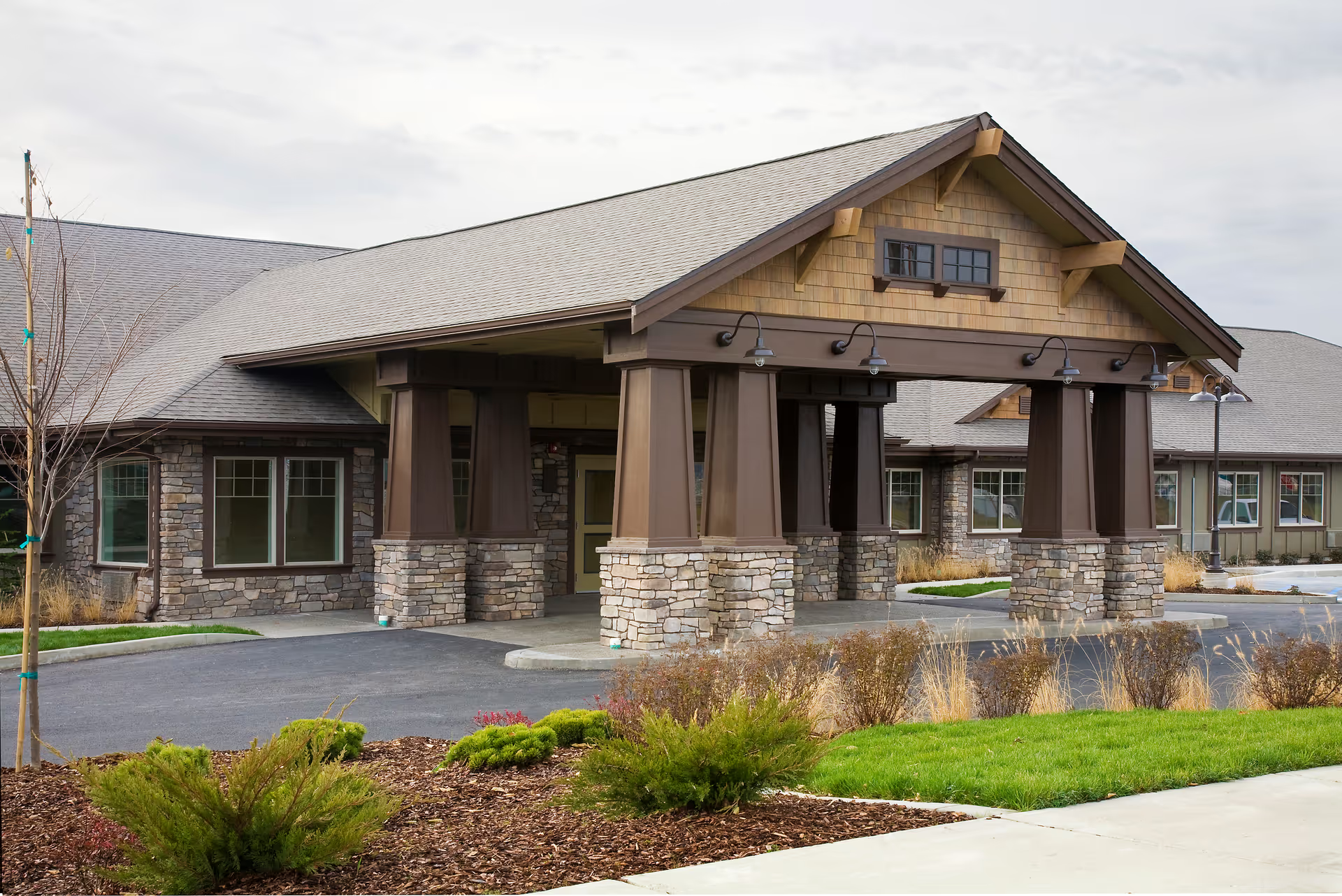
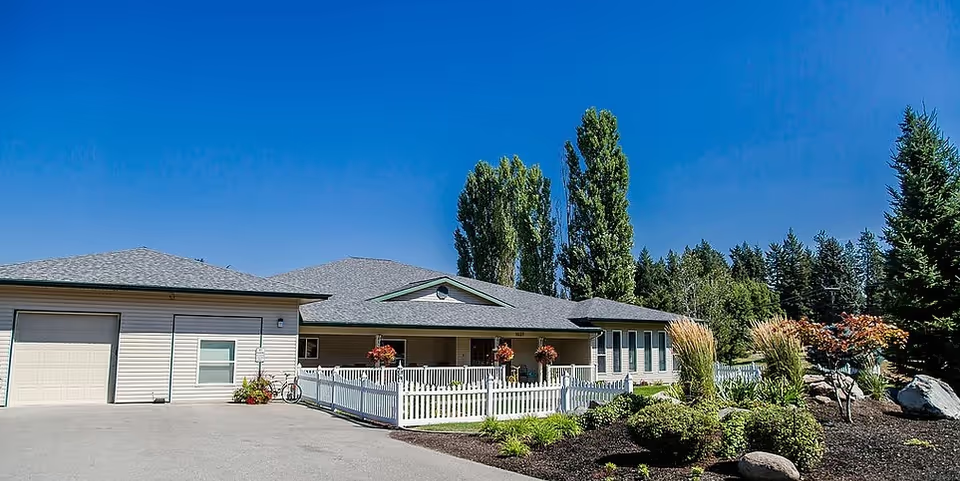
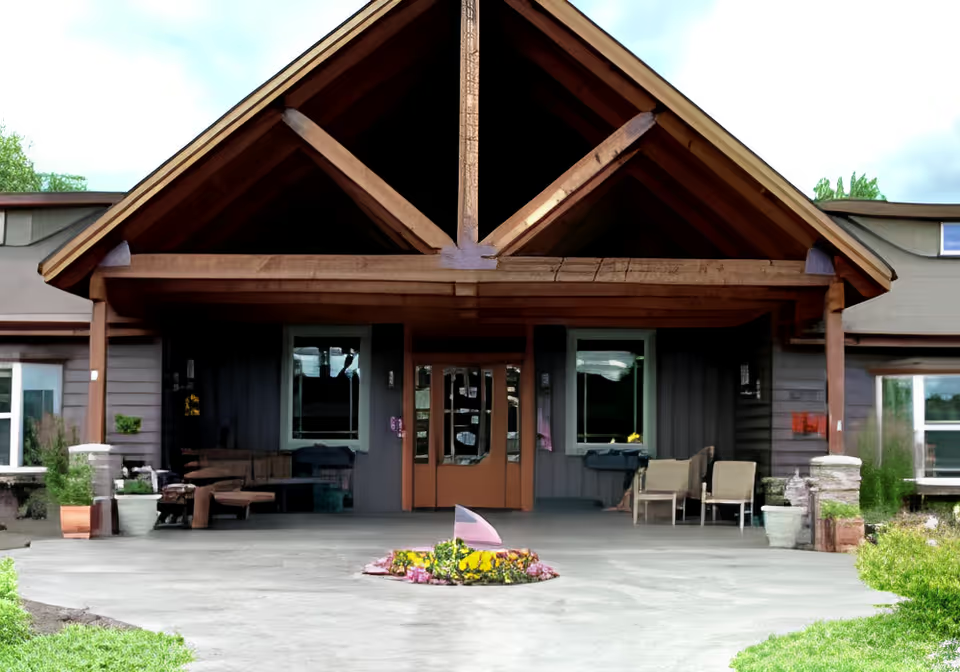
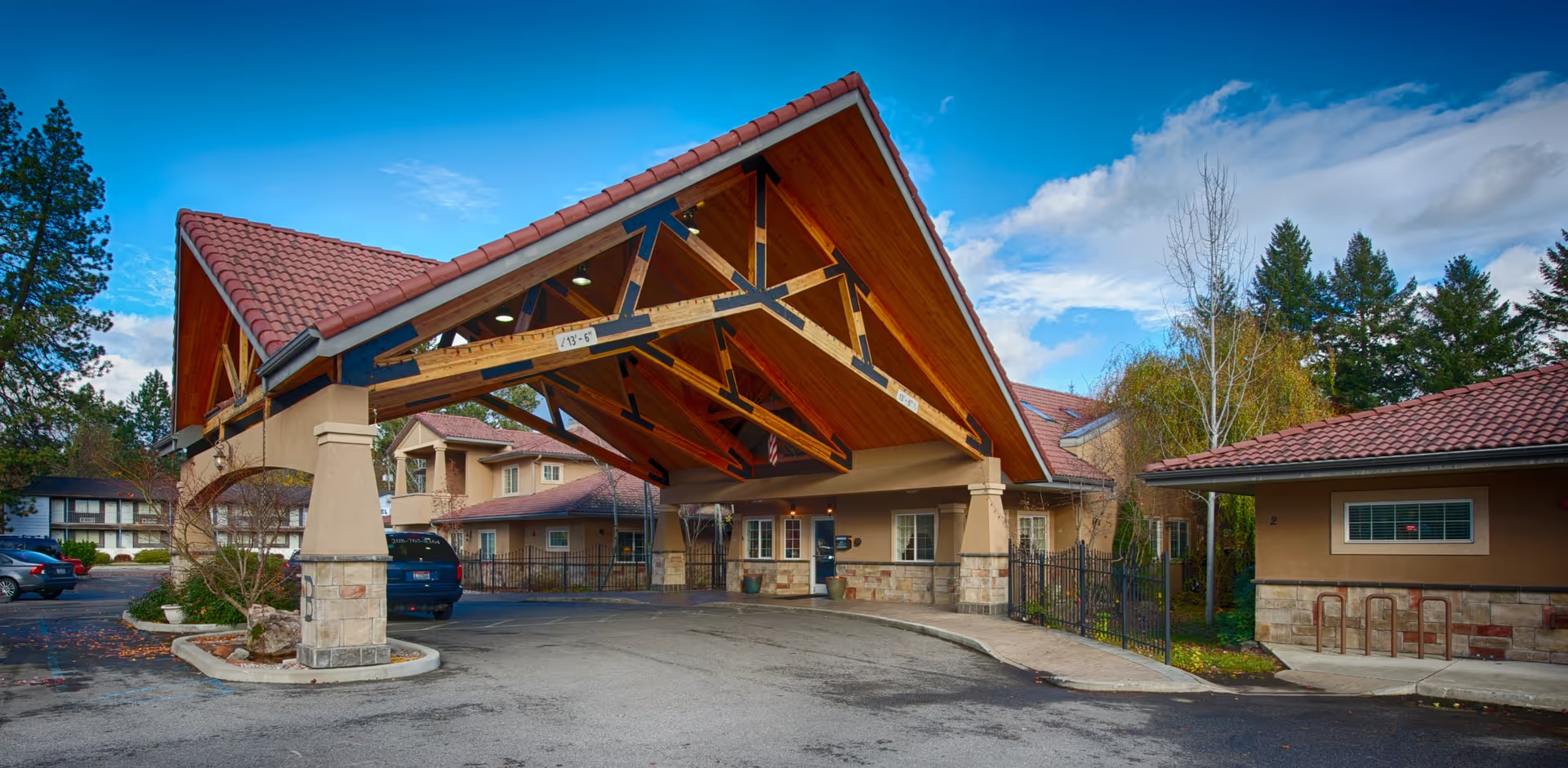
The Lodge at Fairway Forest elicits strongly mixed impressions. Many families describe a small, home-like setting with caring, attentive staff who provide personalized, one-on-one attention; several reviewers praised individualized meal preparation, accommodation of dietary needs, and active engagement from specific caregivers. The facility’s newer units, comfortable private rooms and courtyard views, and partnerships with home health and hospice were repeatedly identified as strengths that support residents who need a higher level of personal care.
At the same time, a notable pattern of operational weaknesses appears across reviews. Staffing levels and scheduling inconsistency are the most frequent concerns: caregivers are sometimes described as overworked or disengaged, and families reported slow responses to call buttons and delays in routine maintenance. Those operational problems are linked to more serious care-process gaps in some accounts, including interruptions in medication supply and transfers that raised concerns about transfer safety. These issues suggest variability in how consistently clinical and safety protocols are applied.
Dining and activities are generally viewed positively in principle—home-style cooking, allergy-friendly options, and a variety of daily programming were praised—but reviewers also described inconsistent meal portions and occasional limited activity engagement. Facility condition feedback is similarly mixed: some units are described as immaculate and well maintained, while other areas were noted to have odor and cleanliness concerns and slower maintenance response times, indicating uneven facility upkeep across buildings.
Management and communication also drew mixed commentary. Several families appreciated helpful admissions staff, owner involvement, and good communication from specific team members. Conversely, others cited limited management follow-through, unresponsiveness to escalation, and financial barriers such as upfront fee requirements that complicated placement or refunds. Security practices were another recurring operational concern, with notes about unlocked doors and inconsistent access control that could pose a risk for residents with cognitive impairment.
Overall, prospective families should weigh the facility’s strengths—personalized care, small-home atmosphere, dietary accommodation, and newer, comfortable living spaces—against persistent operational concerns tied to staffing, medication oversight, maintenance, and management responsiveness. A careful, hands-on visit that inspects both buildings, asks about staffing ratios and medication protocols, verifies call-button reliability, and clarifies financial and transfer policies would help clarify whether the Lodge’s strengths will reliably match a particular resident’s needs.