Overall impression: Family accounts of Ashley Manor Memory Care are strongly polarized. Many families praise the caregiving team, the remodeled, home-like environment, and the facility’s small size and quiet location. At the same time, other families describe operational gaps that they view as affecting resident safety and basic care. These contrasting perspectives indicate variability in resident experience that prospective families should probe when evaluating the community.
Care quality and staff: Numerous comments highlight compassionate, hands-on caregivers and an administrator who becomes personally involved during critical moments. Those positive accounts emphasize respectful, one-on-one attention and consistent emotional support for residents and families. Conversely, other accounts point to inconsistent staffing levels and frequent leadership turnover, which correlate with delayed assistance for personal-care needs (bathing, toileting), missed or delayed feeding assistance, and gaps in wound-care and clinical oversight. Several families described communication breakdowns after clinical incidents; this suggests a need for clearer incident-reporting protocols and family notification procedures.
Dining and activities: Opinions on dining and programming are mixed. Some families describe a pleasant dining environment and appropriate social interaction, while others note variable food quality and insufficient assistance with eating and drinking. Activity offerings have been described as less consistent than advertised in certain cases; prospective families should confirm the facility’s current activity schedule and staffing dedicated to engagement.
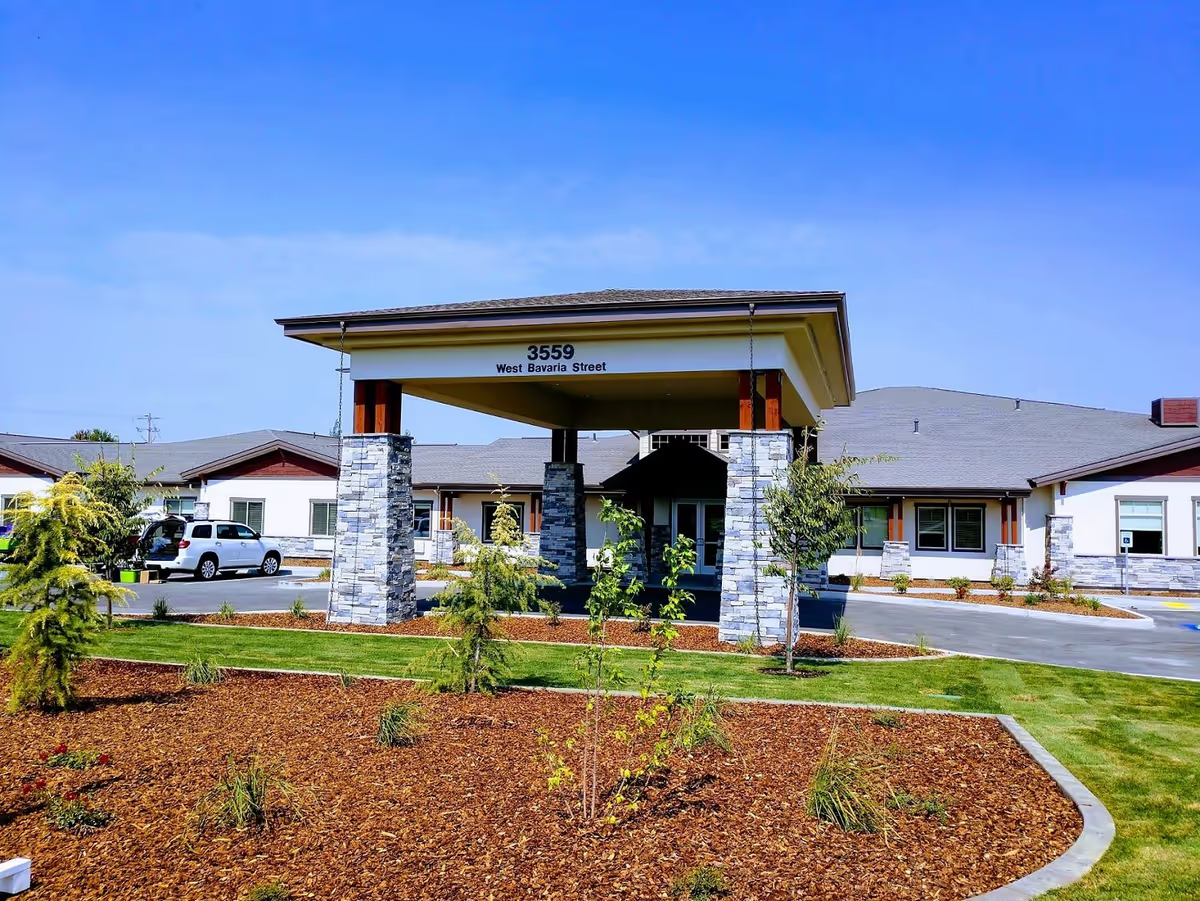
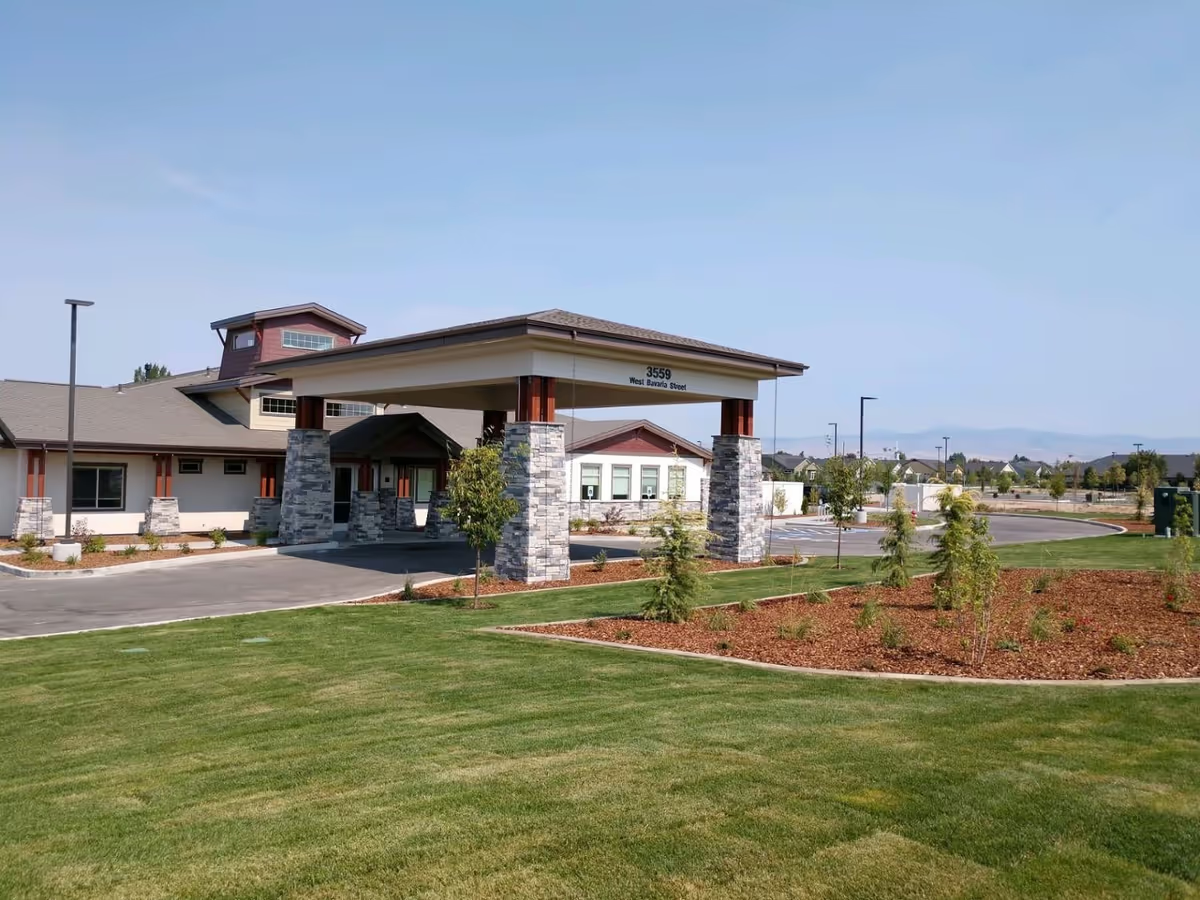
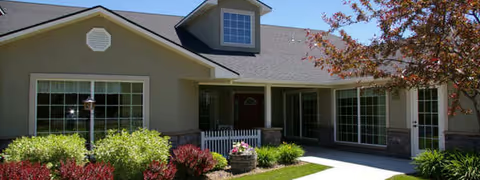
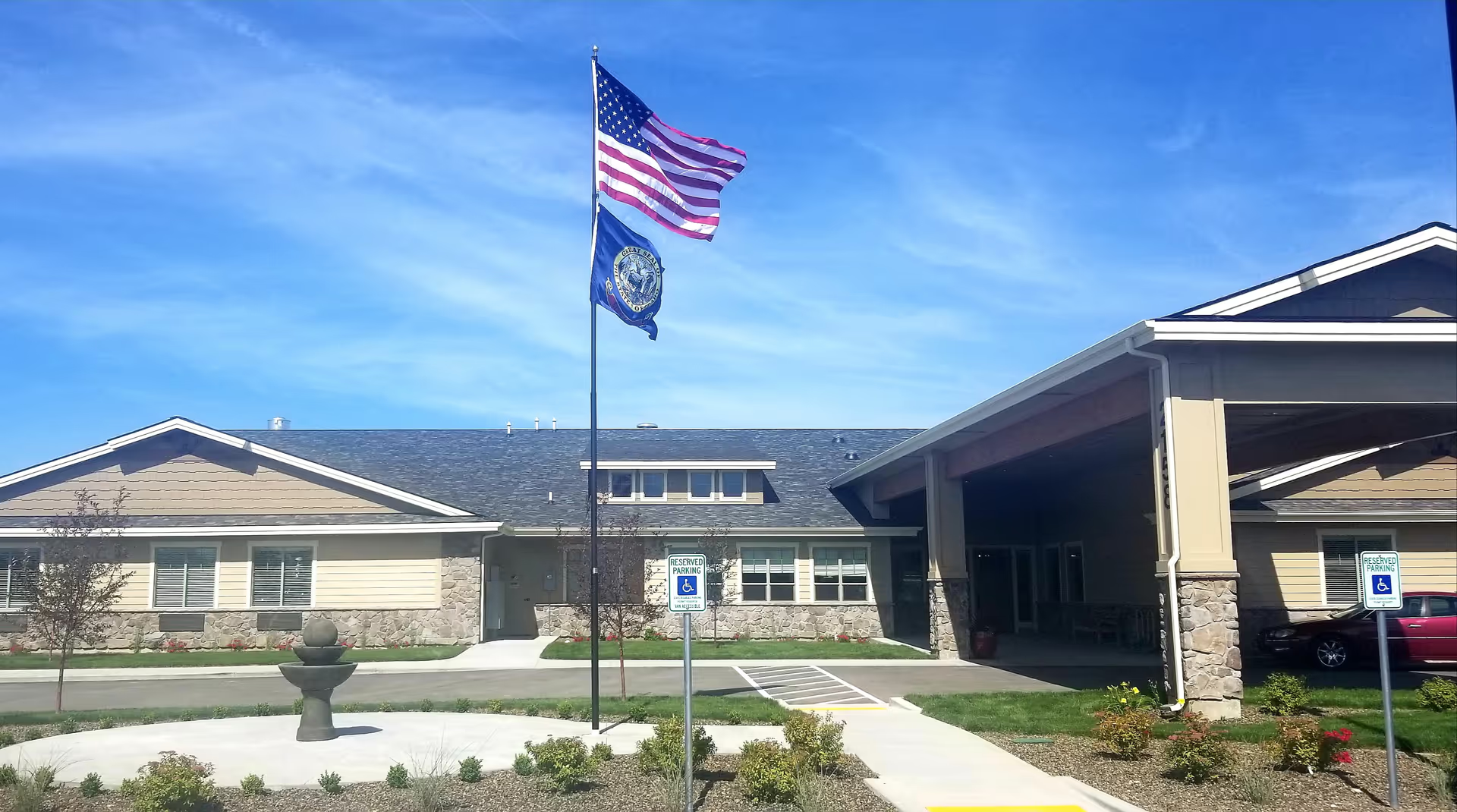
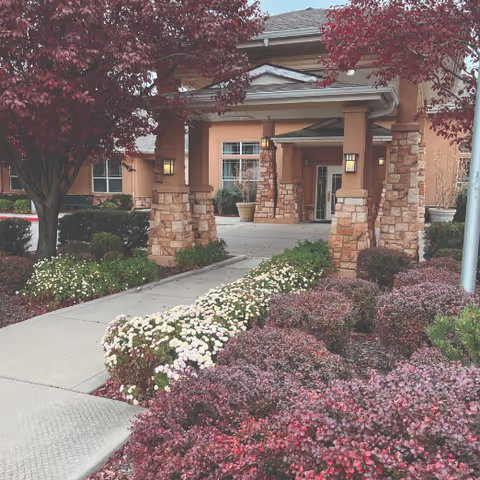
Facilities and management: The physical plant is frequently described as clean, recently renovated, and home-like—features that many families found reassuring. Positive remarks also include an organized feel when leadership is present and a welcoming resident atmosphere. Counterbalancing these strengths are operational concerns: maintenance delays, difficulty contacting management at times, and frequent house-manager turnover. Pricing is positioned at a premium level by some families; several recommend weighing cost against observed consistency of care.
Notable patterns and guidance: A recurrent theme is that individual staff members receive high praise even where systemic problems exist. This pattern suggests the facility may rely on strong individual caregivers but lacks consistent system-level safeguards in staffing, clinical oversight, and family communication. Prospective families should ask for current staffing ratios, turnover statistics, written incident-notification procedures, examples of care plans for feeding and wound care, and references from current residents’ families. An extended visit during meal and activity times can help assess whether the facility’s day-to-day operations match the positive aspects described in many accounts.