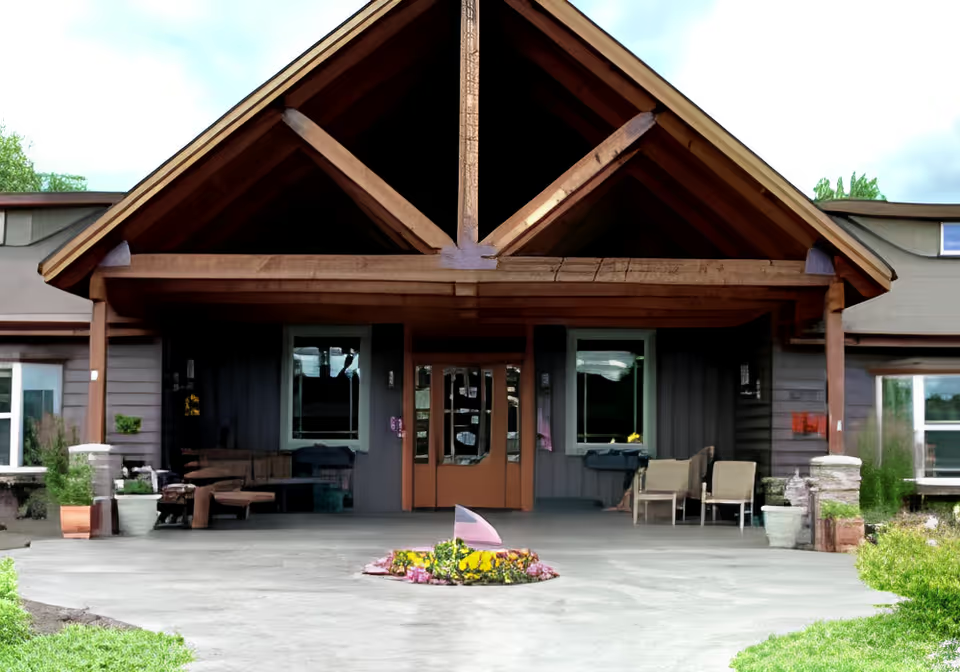
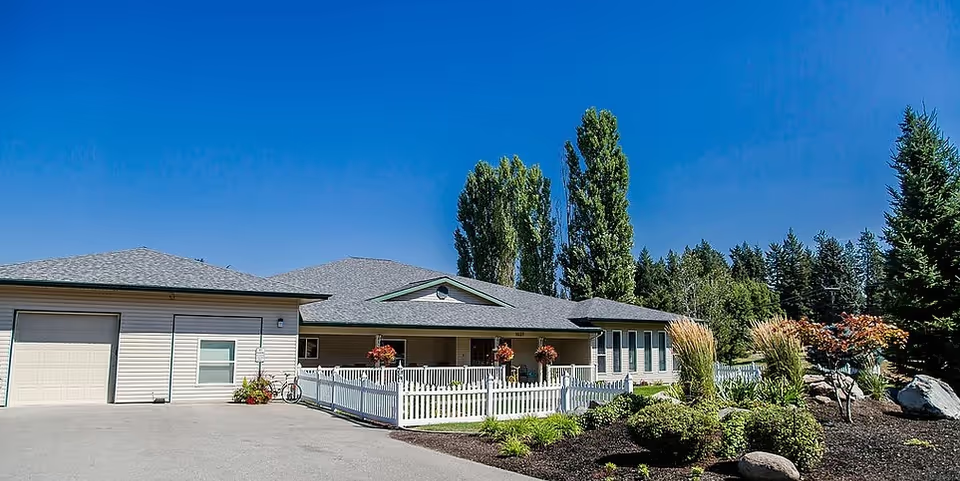
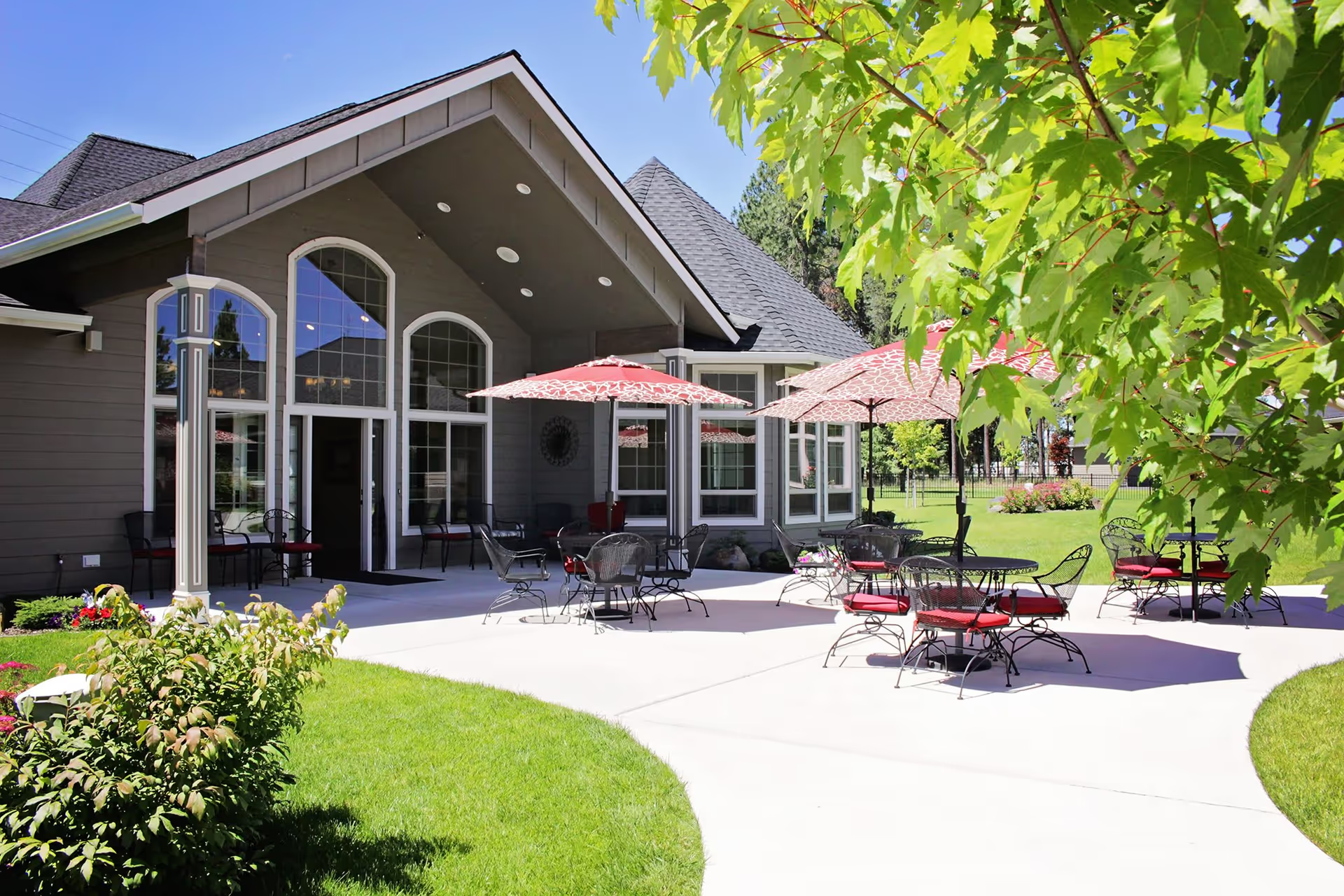
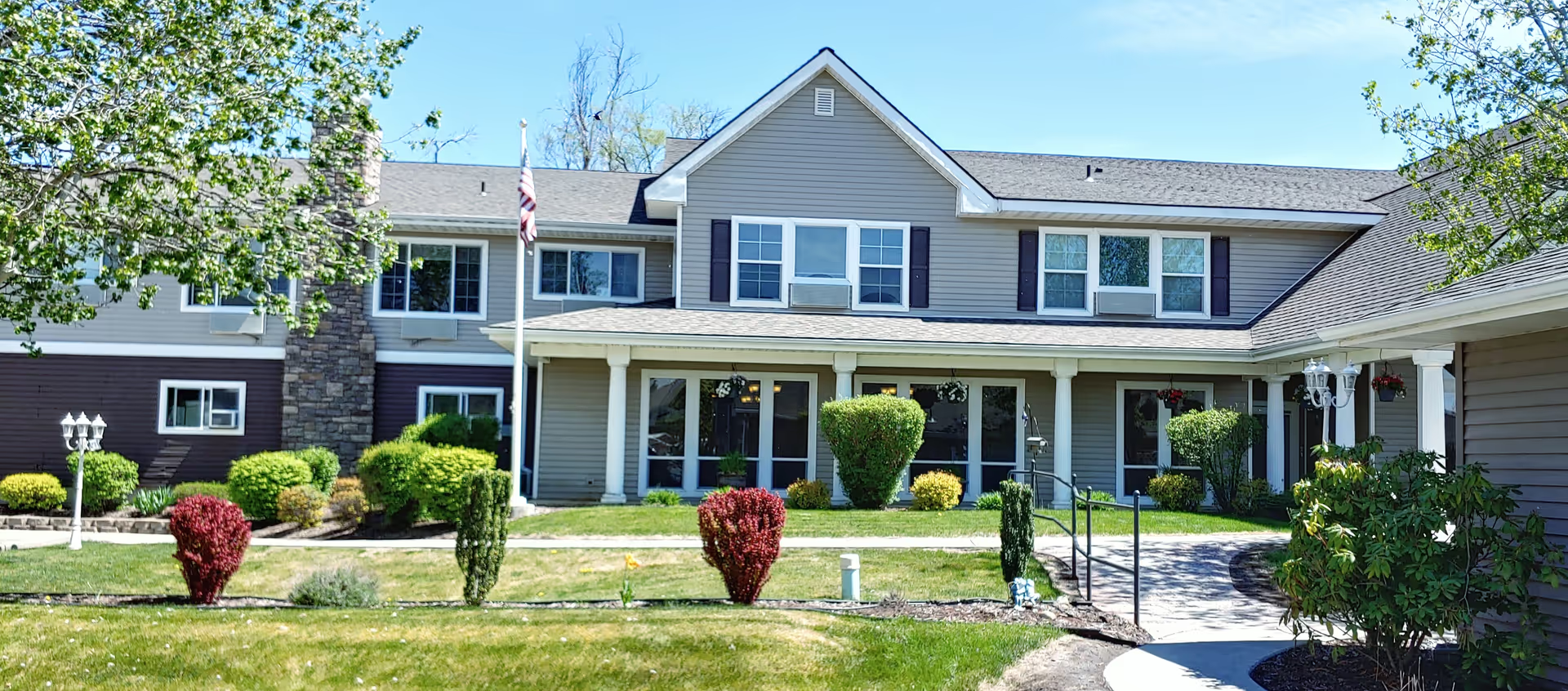
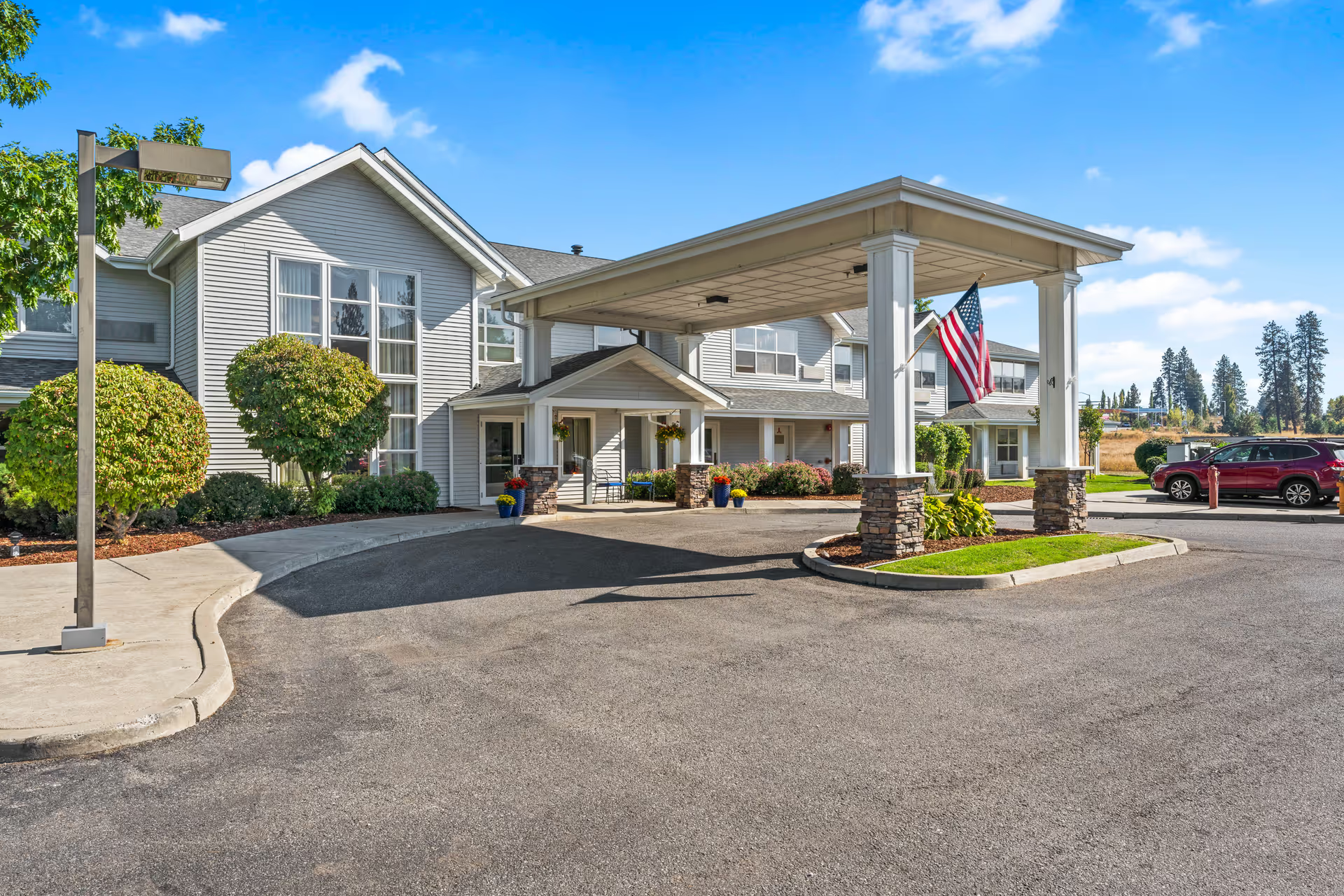
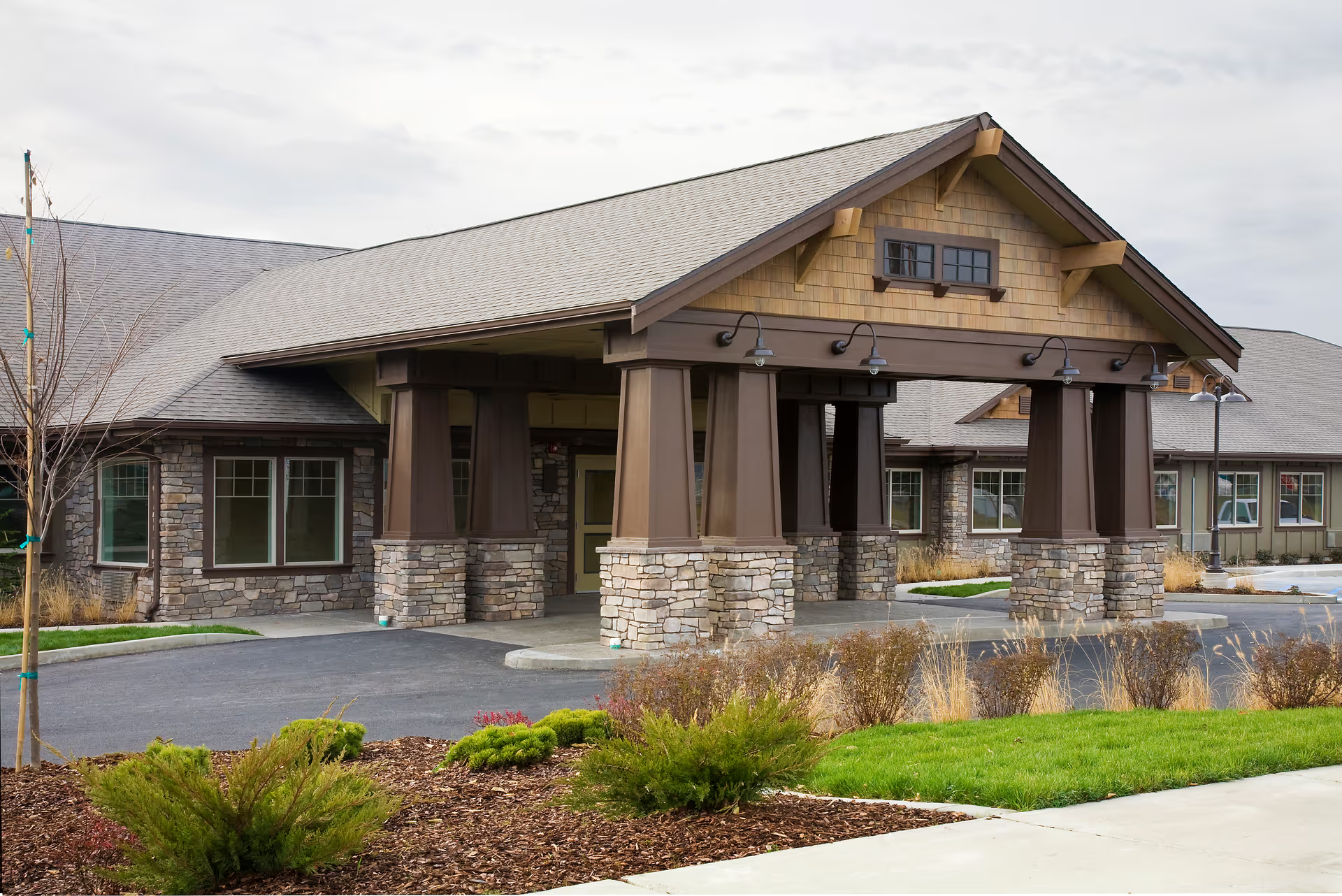
Generations Memory Care receives considerable praise for frontline caregiving and a residential, small-house model. Many families describe staff as compassionate, attentive, and knowledgeable about dementia stages; routine on-site physician visits and hospice coordination are noted as strengths. The campus layout — three smaller homes with adjoining rooms and a secure courtyard — is repeatedly framed as family-friendly and memory-care appropriate. Staff-driven programs such as one-on-one activities, outings, arts and crafts, and an activities director who shares photos and updates are commonly cited as contributors to resident engagement and family reassurance.
Dining and personal services are often highlighted positively: reviews mention a kitchen with a chef and dietitian, customizable meals, and an on-site salon. Several families emphasized that meals and nourishment meet expectations and that dietary needs are accommodated. Facility cleanliness, bright common spaces, and a generally homey atmosphere are additional consistent strengths in family impressions.
However, there are recurring operational concerns that prospective families should weigh. Administrative responsiveness and billing practices are described as uneven — examples include delays in refunds and inconsistent follow-up on family queries. Staffing stability is a theme: high turnover and variable staff experience levels have been linked to intermittent training gaps and inconsistent care practices. Some reviews point to deficiencies in medication-storage and administration procedures and to physical-security process gaps (for example, door-security controls), which suggest areas where operational protocols may be inconsistent across houses.
Program continuity and facility maintenance also show variability. While activity offerings are strong when fully staffed, several accounts describe lapses when activity leadership is absent. Similarly, meal quality and kitchen continuity are described as generally good but occasionally inconsistent. A few families raised concerns about cleanliness or room maintenance in specific instances, indicating that upkeep may vary between units. Virtual visitation and infection-control visitation logistics were challenging for some families, highlighting a need for clearer, more flexible remote-communication procedures.
In summary, Generations presents a clear strength in person-centered, dementia-capable caregiving within a residential, small-house setting, supported by on-site clinical relationships and active engagement programs. Prospective residents and families should feel reassured by the caregiving model and social programming, while also asking targeted questions during tours about staffing continuity, medication-safety procedures, billing policies, specialty-care coordination (including dental), and specific security and maintenance practices to confirm that operational controls meet their expectations.