The reviews present a mixed and inconsistent picture of Arcadia Care at Aledo. Several families praise individual staff members — particularly long‑tenured CNAs, an accessible administrator, and staff who demonstrate personal advocacy and familiarity with resident preferences. These comments describe a family‑oriented atmosphere at times, active social programming (seasonal events and activities), and a lower price point that some families value. Reviewers also note occasions when nursing staff were diligent and responsive, and when staff provided informal supports such as buying small items for residents.
At the same time, there are repeated operational concerns that emerge across reviews. Staffing instability and apparent shortages are a recurring theme and are linked to long call‑light response times, delays in bathing and wound care, and inconsistent day‑to‑day clinical practice. Several comments indicate gaps in clinical oversight, including limited RN/physician coverage and irregular clinical processes, which contribute to family worries about care continuity for residents with higher medical or memory‑care needs.
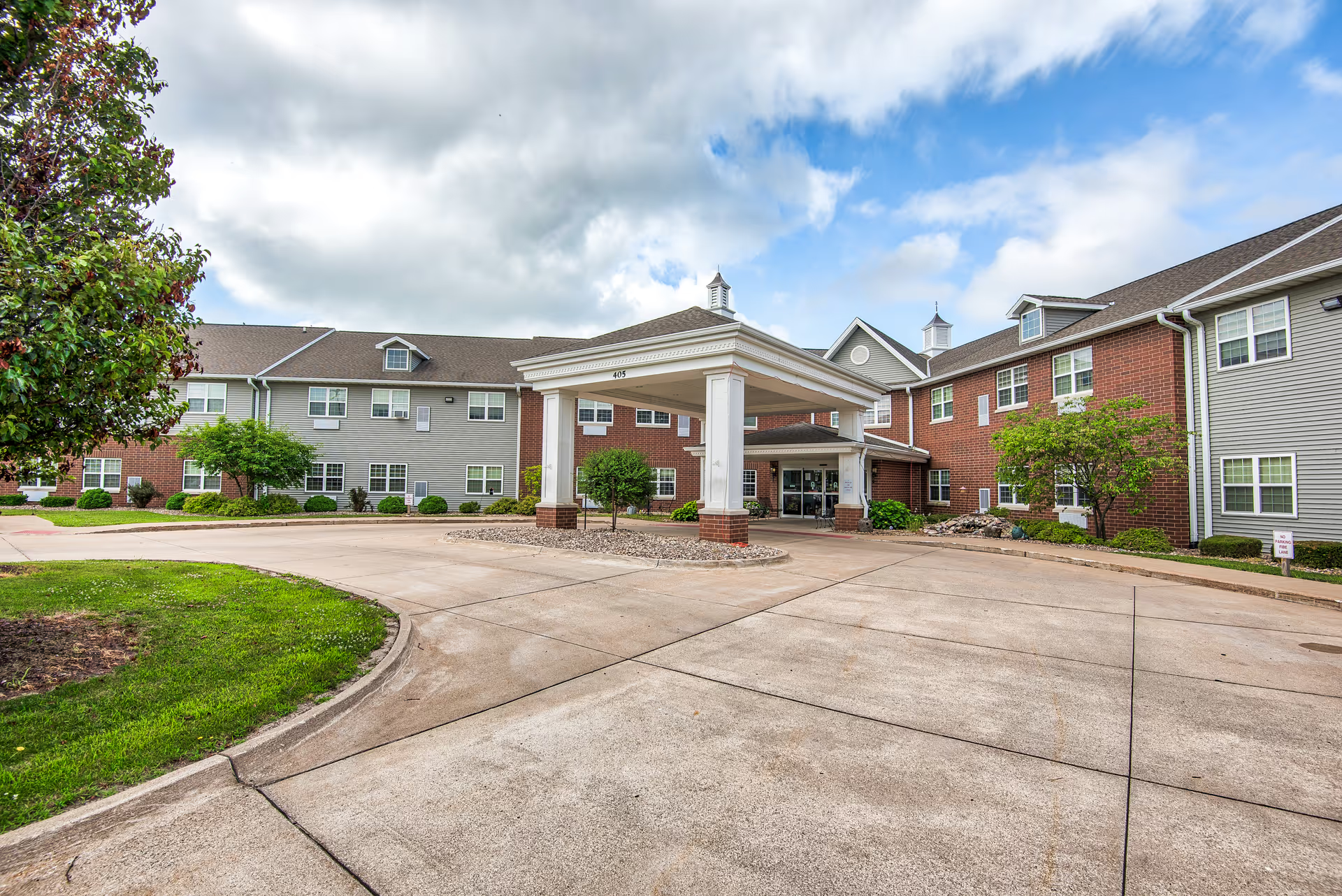
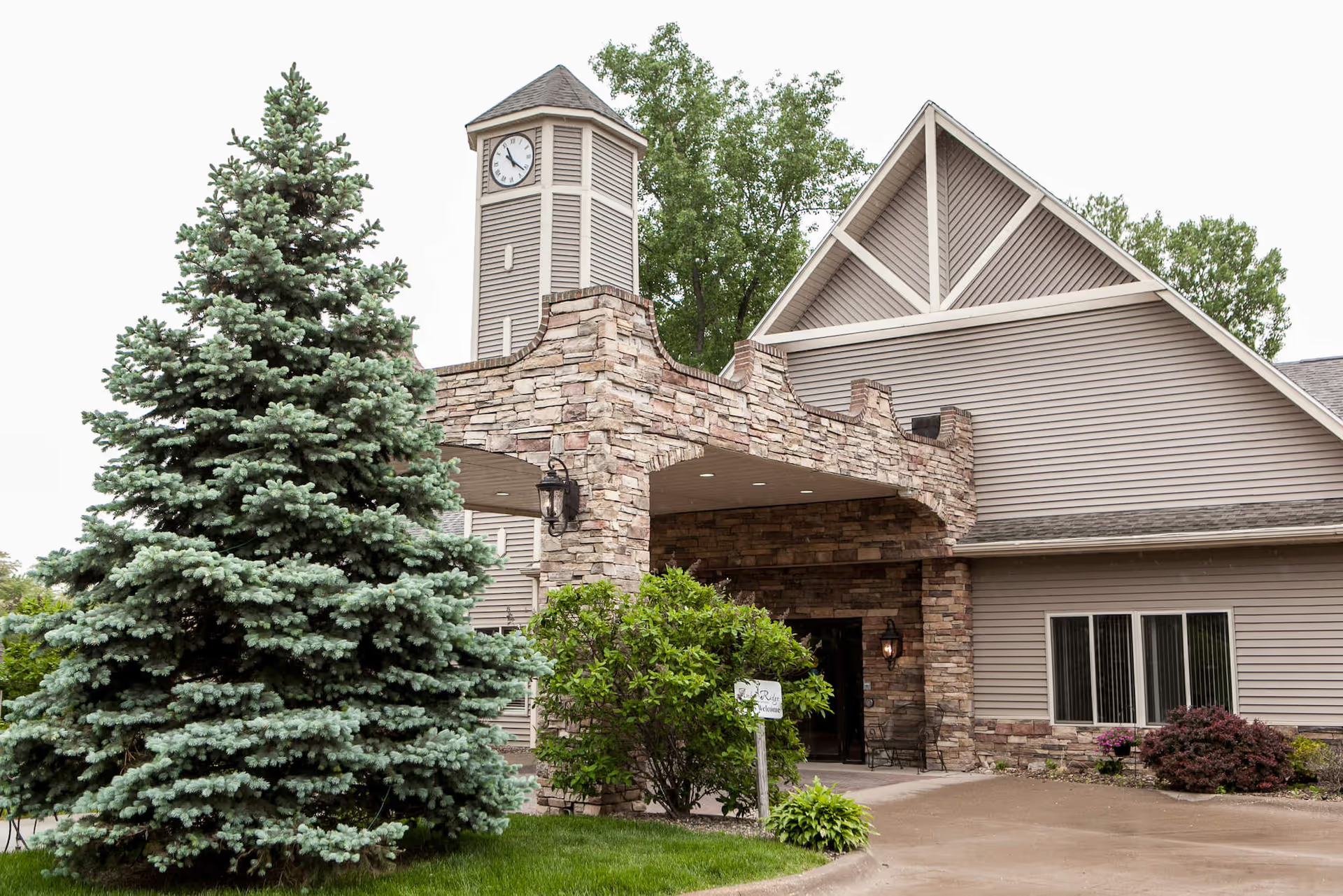
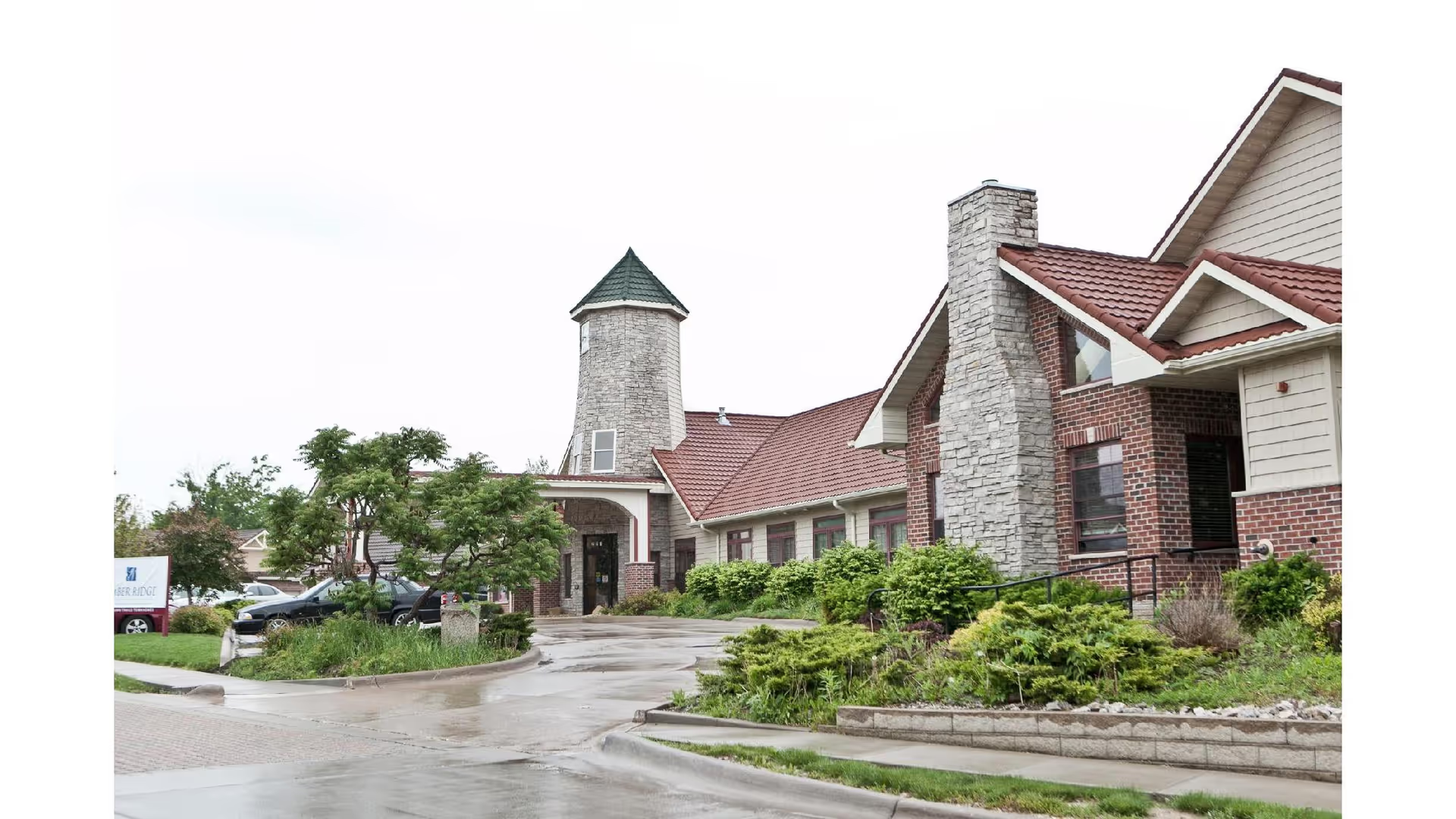
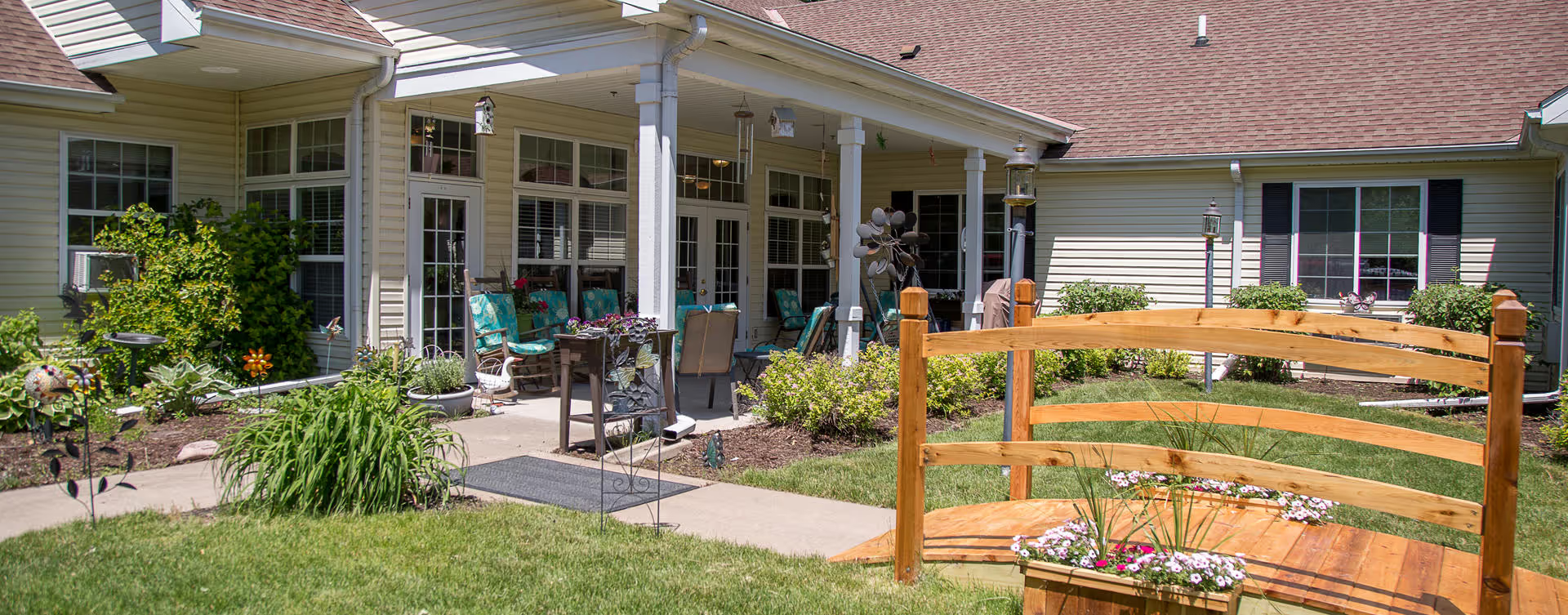
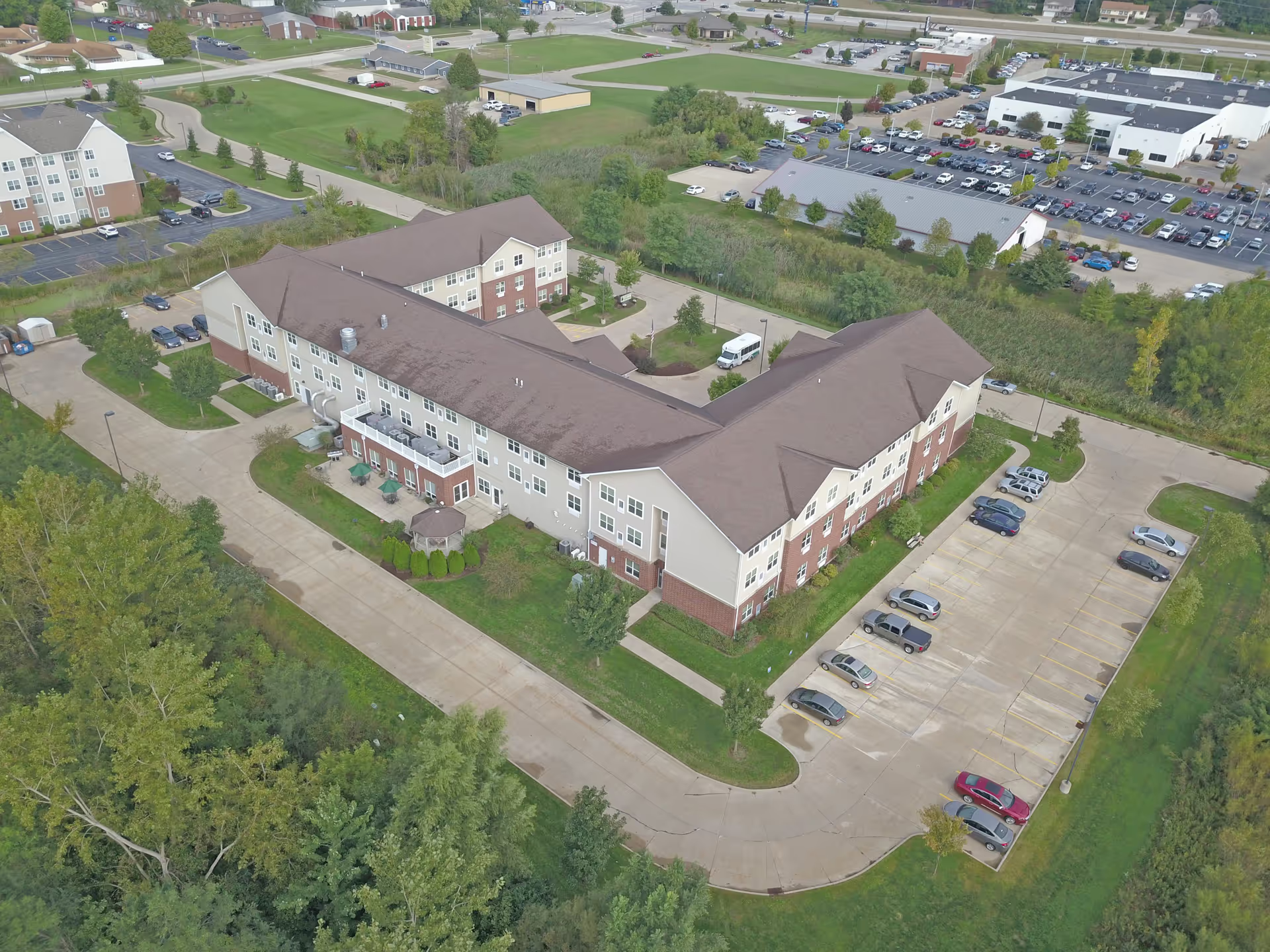
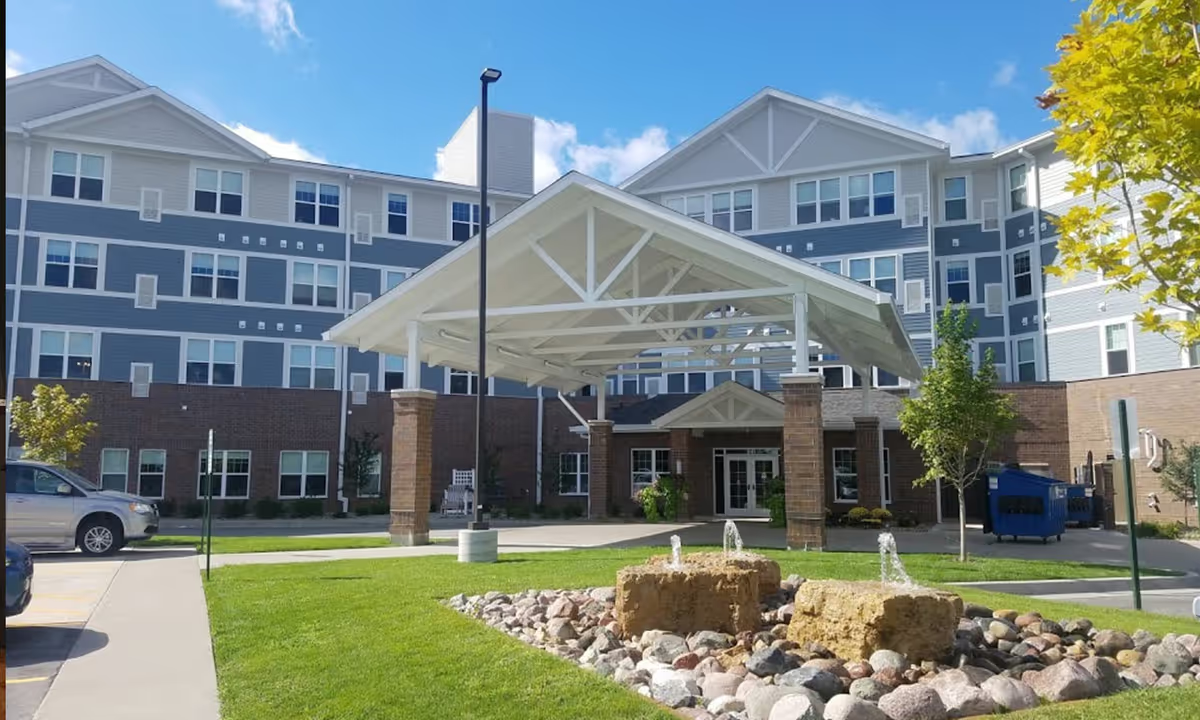
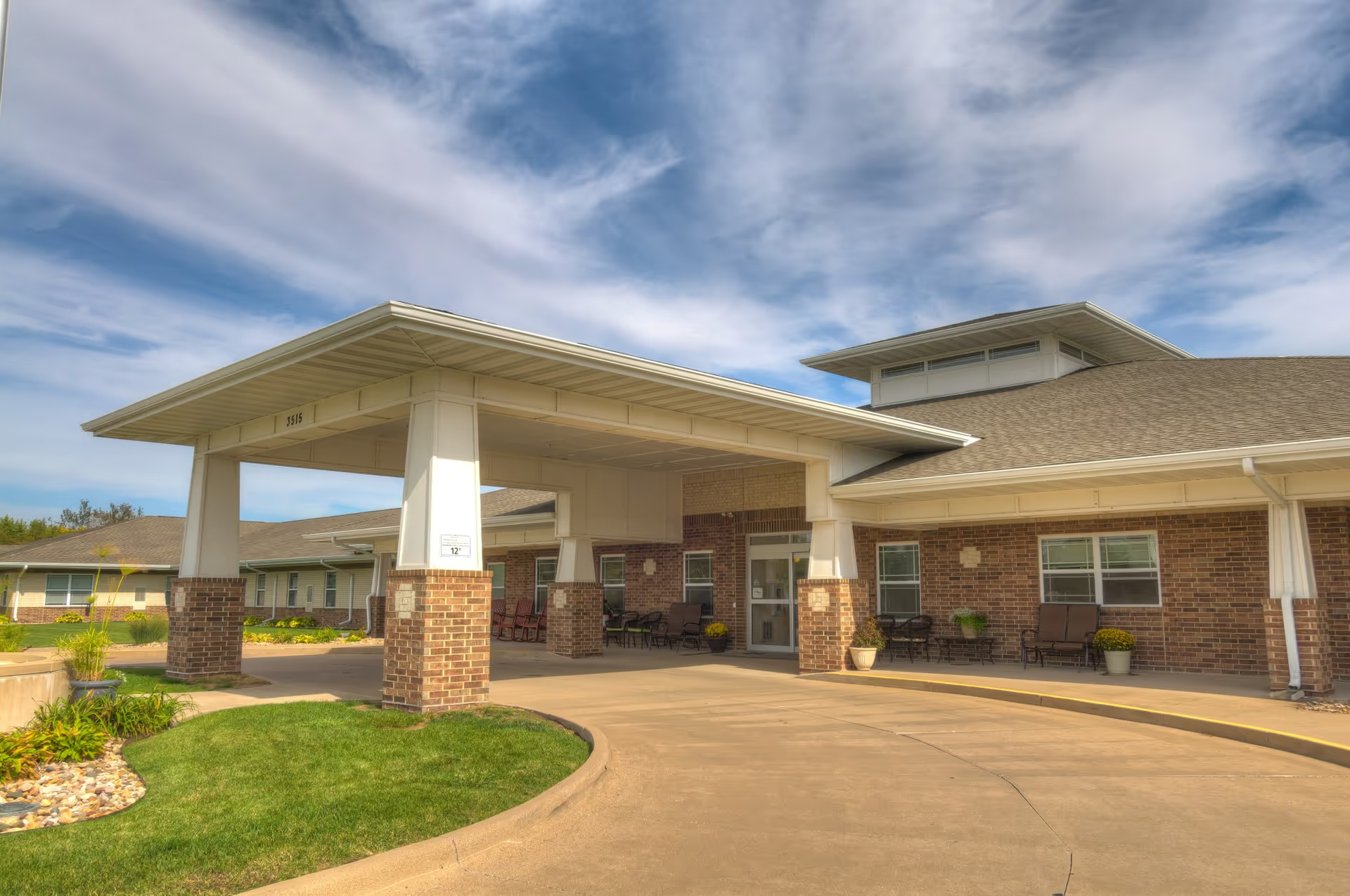
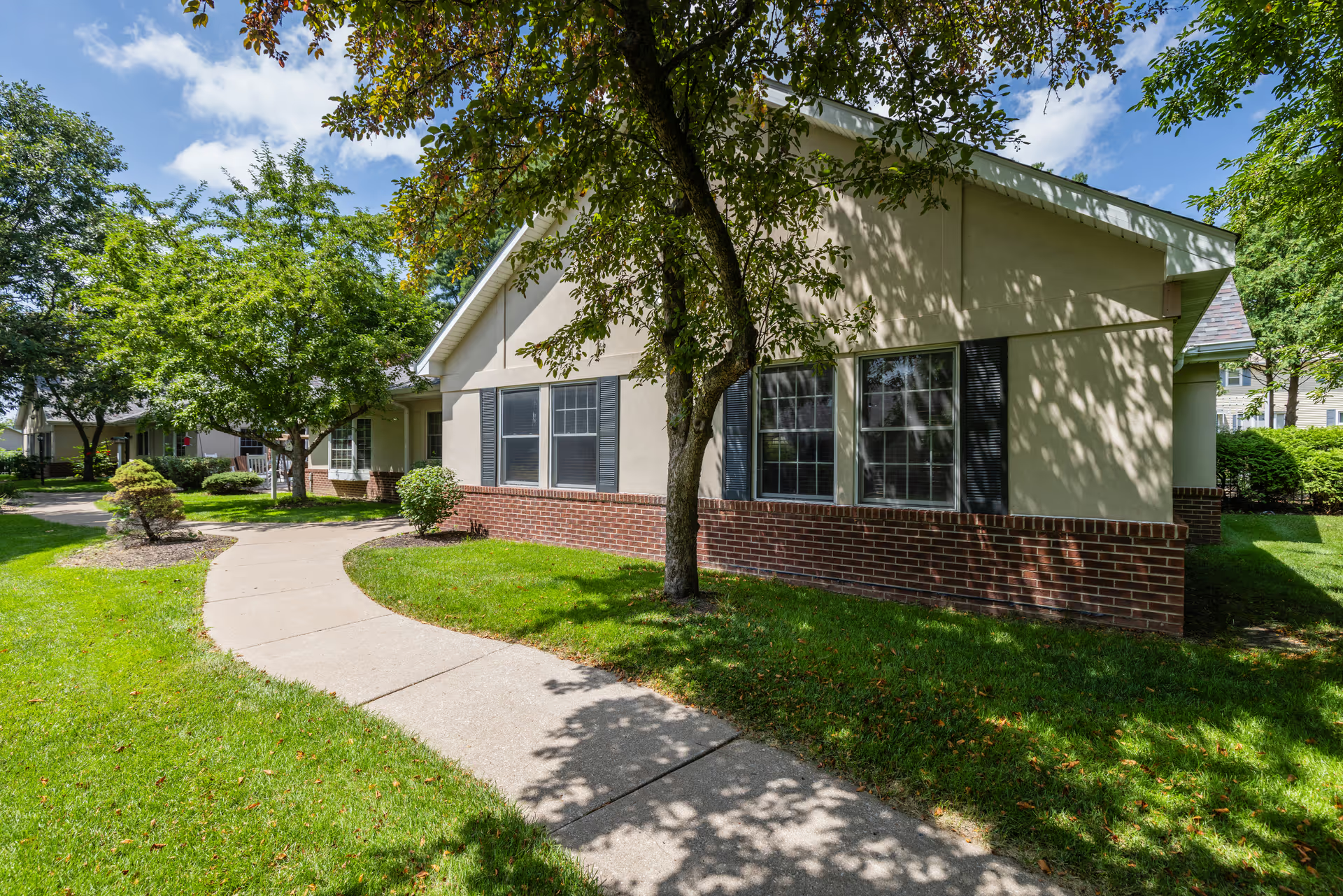
Environment and maintenance are frequently cited as problems. Reviewers describe sanitation concerns and odor issues in parts of the building, pest‑control concerns in resident rooms, aging furnishings and finishes in need of remodeling, and specific deficiencies in the memory‑care unit’s physical environment. These facility issues are reported alongside accounts of missing personal items and weaknesses in property‑management processes, which together raise concerns about resident dignity and privacy. Several reviewers also noted procedural gaps such as insufficient privacy curtains and practices that felt intrusive.
Food service and supply management receive mixed comments: some families find the dining and social activities acceptable, while others describe inconsistent meal quality, shortages of supplies, and interruptions in service. Operational problems are also tied to administrative instability in some accounts — ownership change, reports of financial stress, and regulatory involvement — which families linked to a decline in services over time. There are serious individual claims in some reviews, including concerns following a resident’s death and other incidents that prompted regulatory review; these are notable and warrant direct inquiry with the facility and regulators.
Taken together, the pattern is one of variability: the facility can deliver warm, attentive moments and has staff who are highly valued by families, but persistent systems issues (staffing, clinical oversight, maintenance, sanitation, and safeguarding of belongings) create uneven care experiences. Prospective residents and families should conduct an in‑person tour focused on current staffing ratios and clinical coverage, infection‑control and sanitation practices, memory‑care protocols, property‑management safeguards, recent state inspection results, and examples of documented incident reporting and follow‑up. Meeting current residents and families, and asking for recent quality and staffing metrics, will help determine whether the facility’s positive elements outweigh the operational concerns in its present state.