Barrington Horizon presents a mixed picture typical of many independent-living communities: physical units and grounds receive consistent praise for size and setting, while operational and management issues are the main sources of concern.
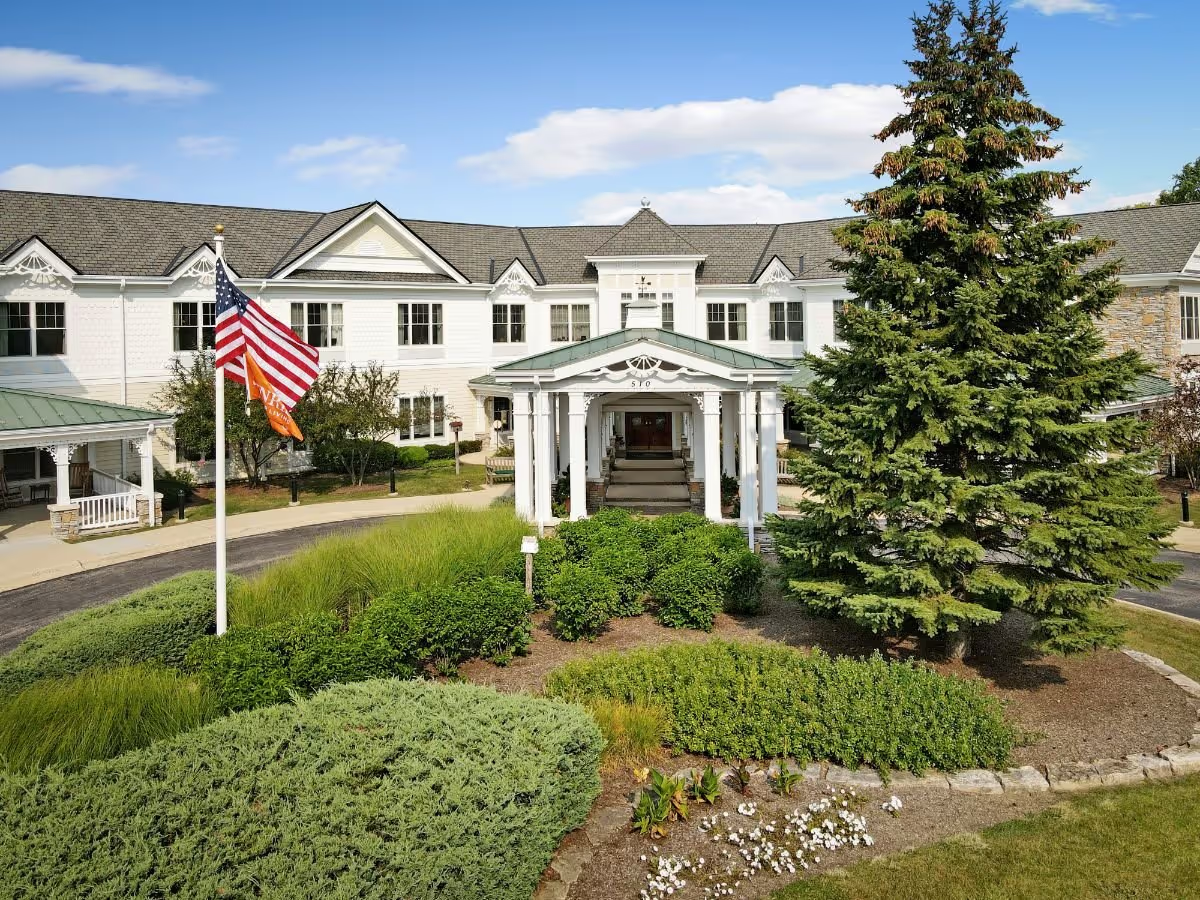
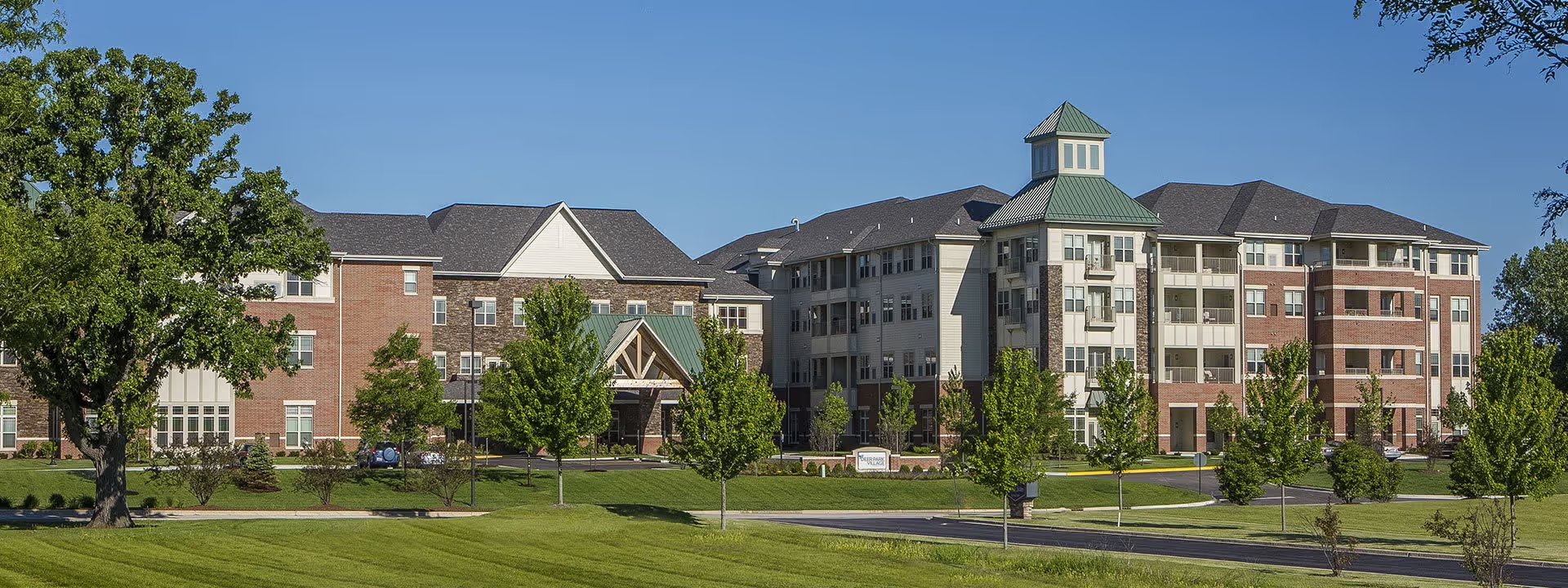
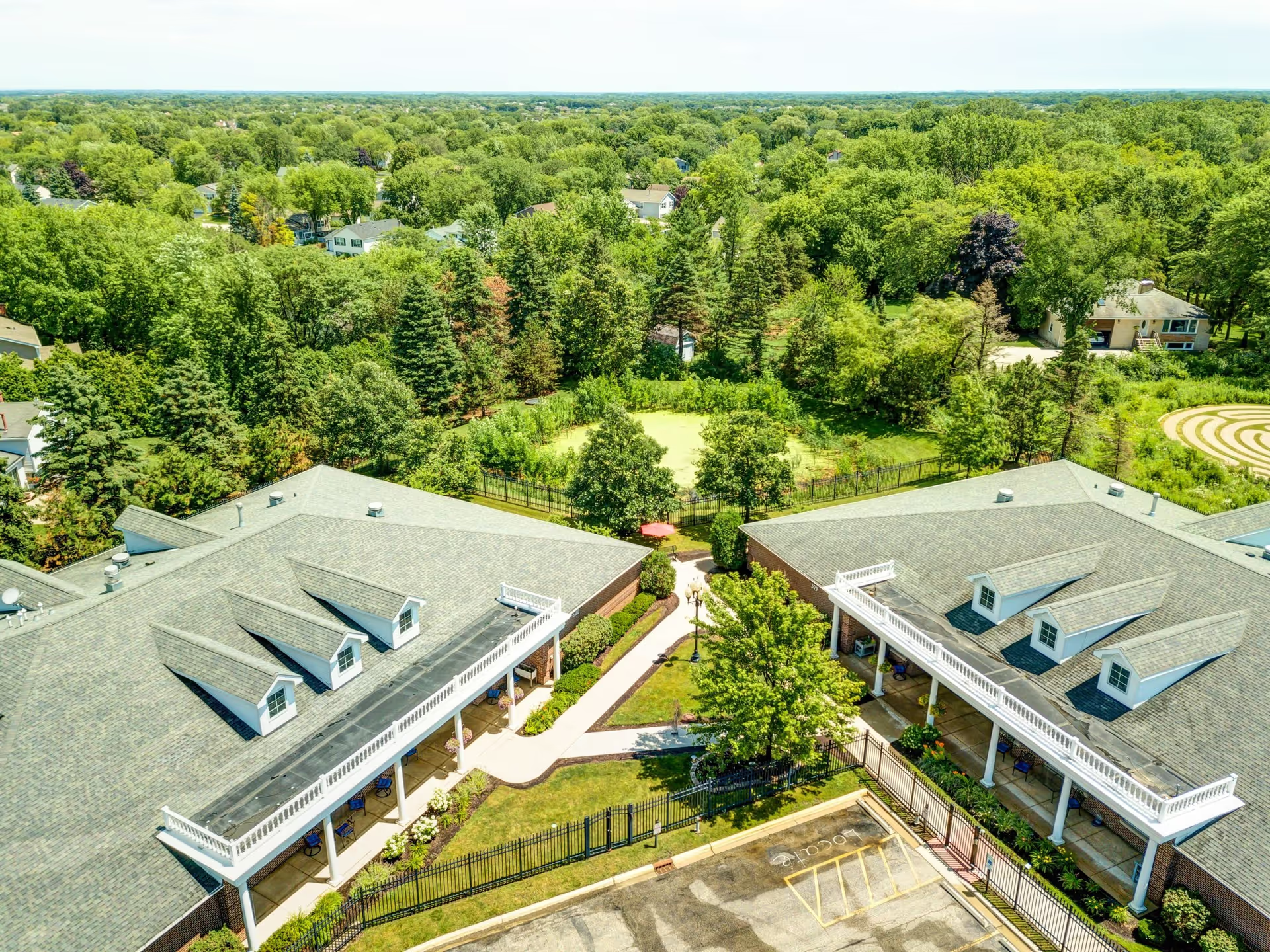
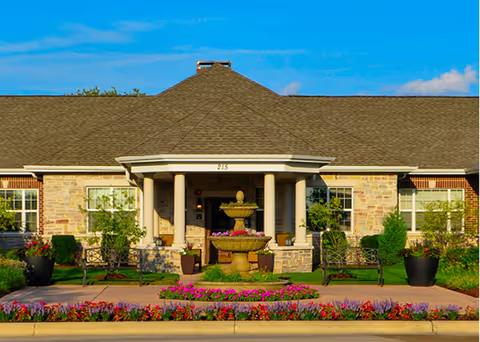
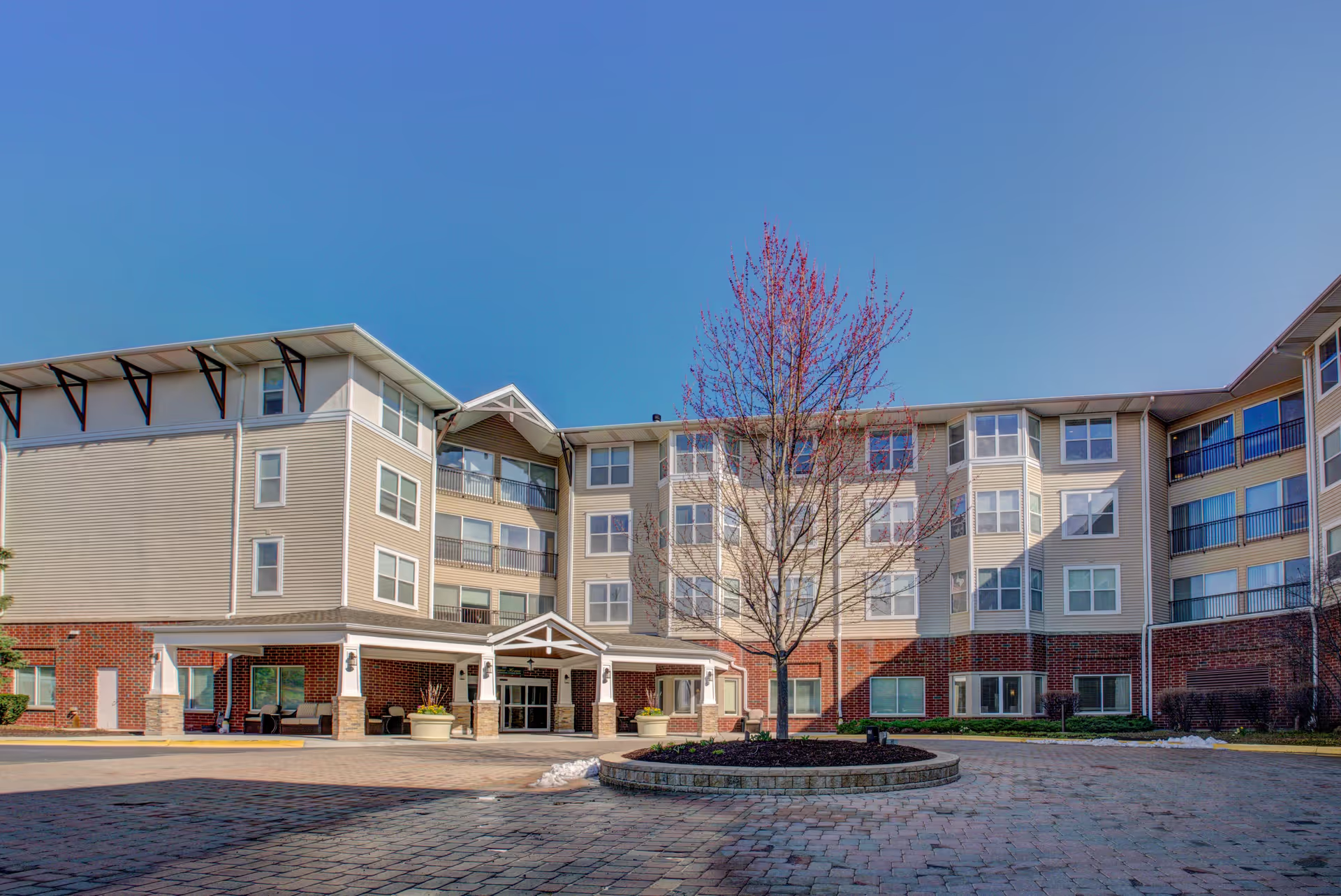
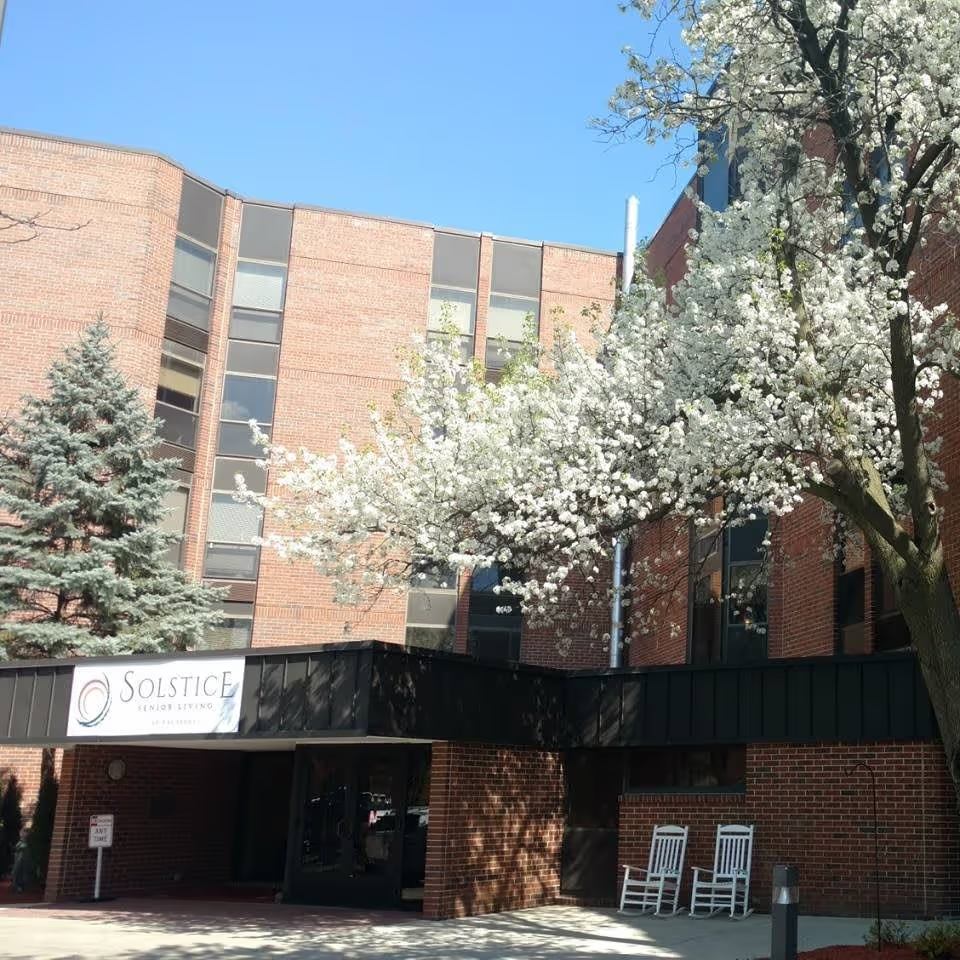
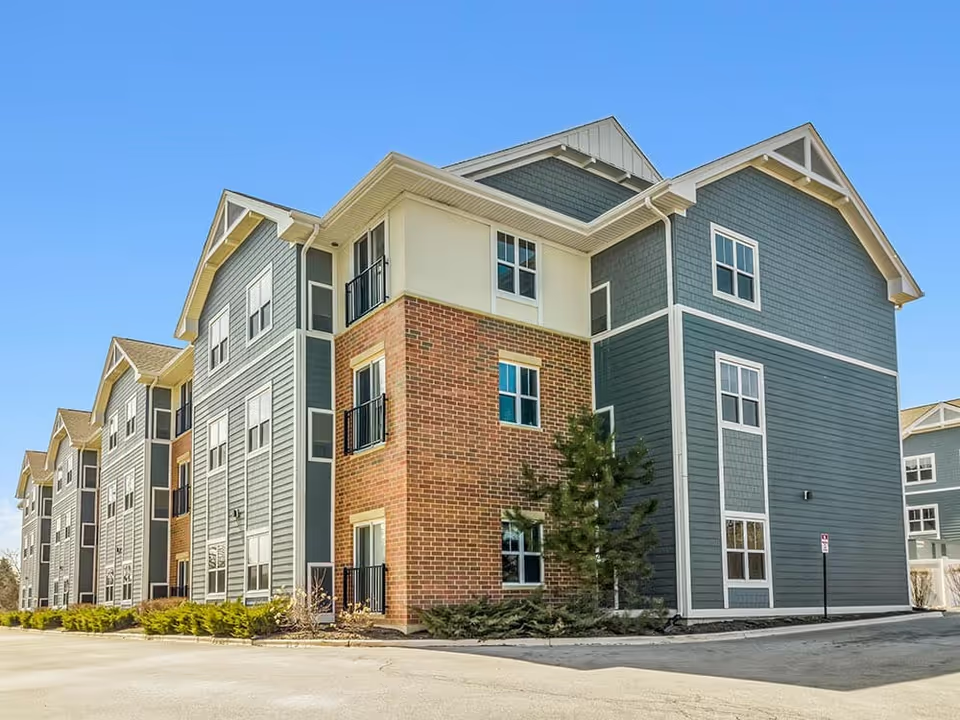
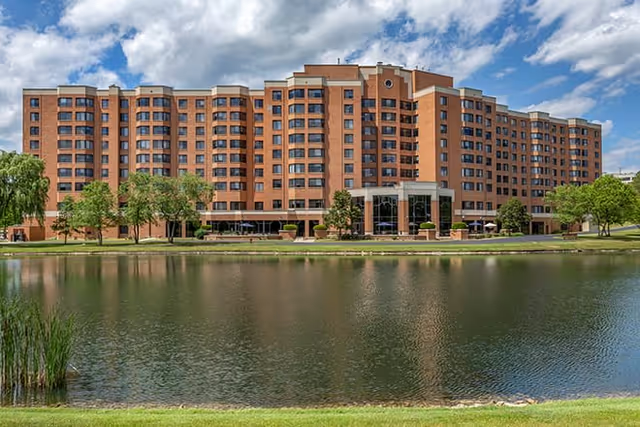
Facilities and living units: Apartments are frequently described as spacious, with full kitchens, private bathrooms, closets and private outdoor spaces such as balconies or patios. Grounds and views — including wooded areas and a pond/garden — are seen as attractive and peaceful. On-site amenities cited across reviews include a library, craft room, activity center, game room, dining hall space and laundry facilities. At the same time, several reviewers raised sanitation and maintenance concerns: common areas described as needing better cleaning, building systems and unit repairs left incomplete (examples mentioned include windows, fireplace and signs of structural settling). These maintenance issues led some families to question the facility’s ability to sustain a well-maintained environment.
Care and staff: As an independent-living community, residents are expected to self-manage daily personal care and cooking; the presence of full kitchens supports that model. Many reviews describe friendly residents and caring front-line staff, and families noted useful orientation by staff during visits. However, several reviewers expressed concerns about recent management changes and a perceived decline in staff responsiveness and senior-focused experience. These comments point to variability in day-to-day interactions and uneven expectations for senior-centered service.
Activities and social life: Accounts of social programming are mixed. Multiple reviewers described active programming — bingo, dominoes, group outings and game nights — and an accessible activity center that fosters social engagement. Other reviewers, especially following management turnover, reported minimal or inconsistent programming and fewer observable activities during visits. Prospective residents should verify the current activity schedule and whether offerings match personal interests and mobility levels.
Dining and independence: The community operates as independent living rather than providing institutional meal service; residents have full kitchens and the ability to prepare their own meals. This supports autonomy and may appeal to those who prefer to self-cater, but families should confirm whether any communal dining options or meal services are available if needed in future.
Management, transparency and community climate: A prominent theme is a recent change in management that some reviewers associate with a less positive community atmosphere. Concerns include perceived rudeness or inexperience in leadership, decreased maintenance follow-through, and worries about how rent, subsidies and lease-enforcement (including eviction processes) are handled. These are operational issues that can materially affect resident experience and financial security, so they merit specific inquiry.
Notable patterns and recommendations: The facility offers clear strengths in housing size, on-site amenities and an attractive setting that many residents value. The primary liabilities are operational: inconsistent upkeep and cleanliness of common areas, variability in activity programming, and recent management instability with associated communication and policy transparency concerns. Prospective residents and families should schedule an in-person visit at active hours, inspect both a unit and common areas for maintenance and sanitation, review current activity calendars, meet the current manager and maintenance staff, and request written details on lease, rent/subsidy handling, and eviction policies before deciding.