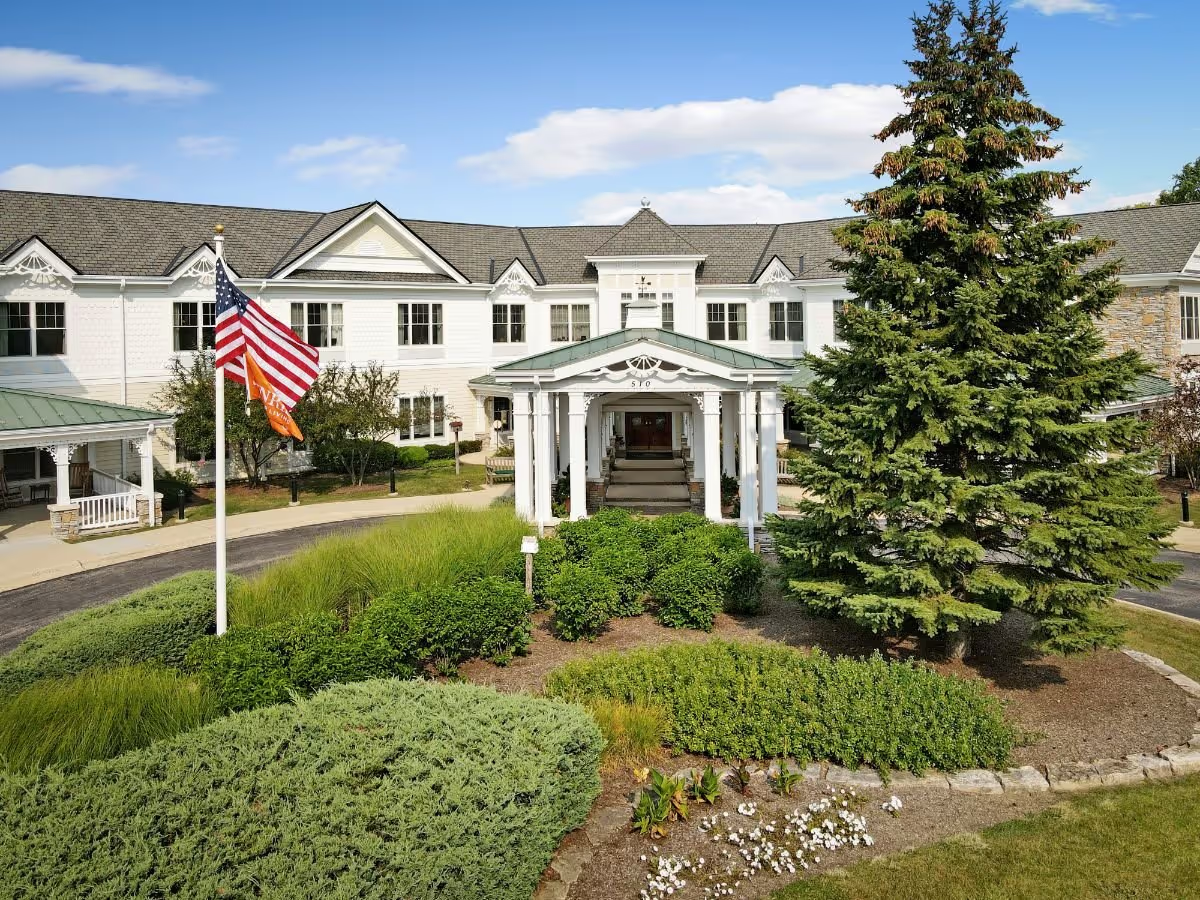
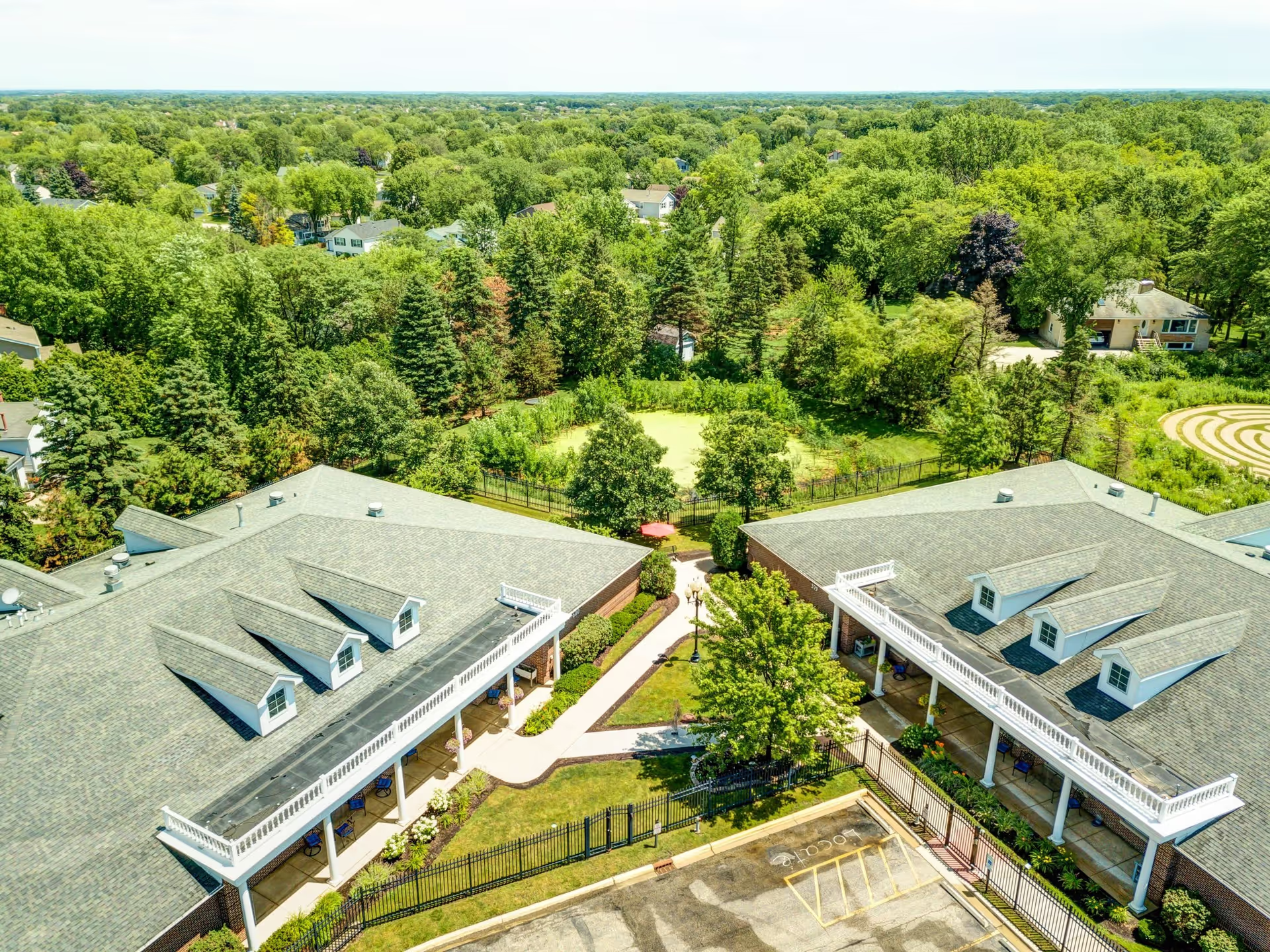
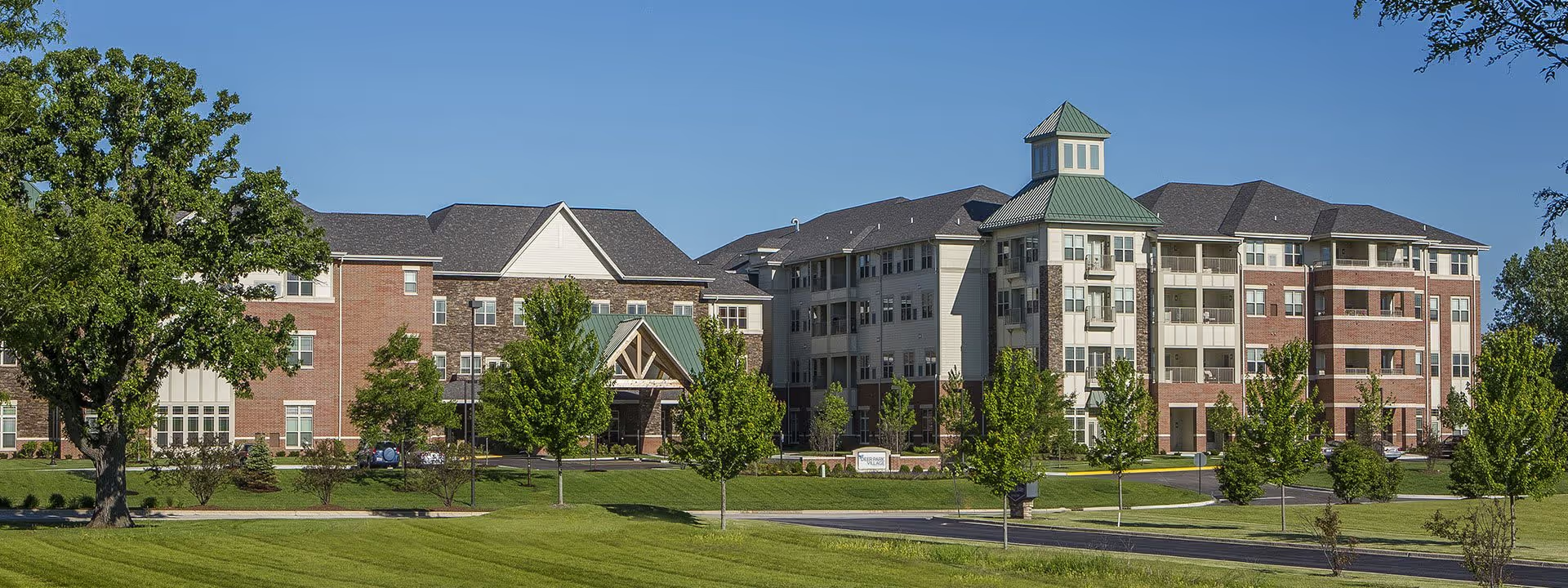
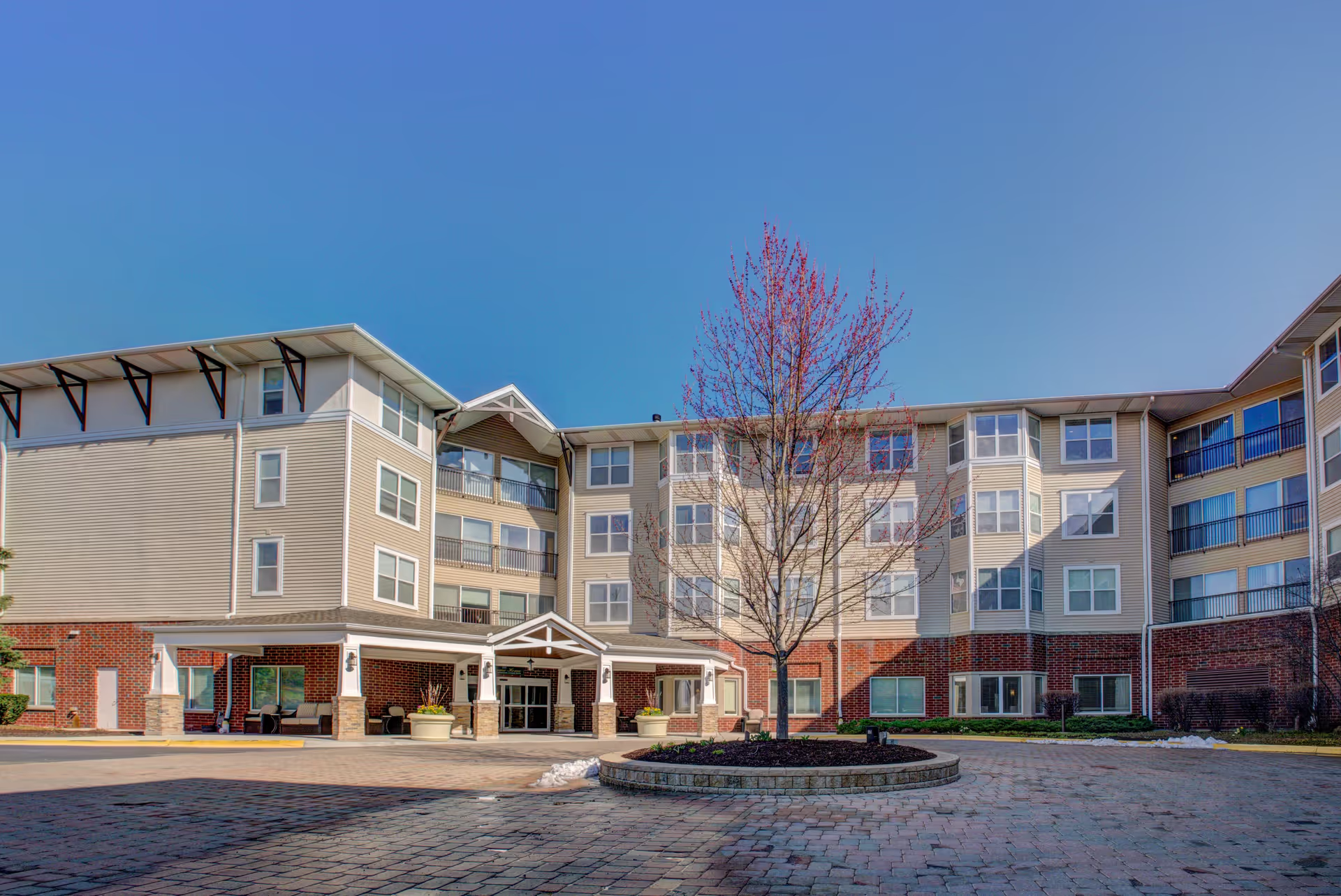
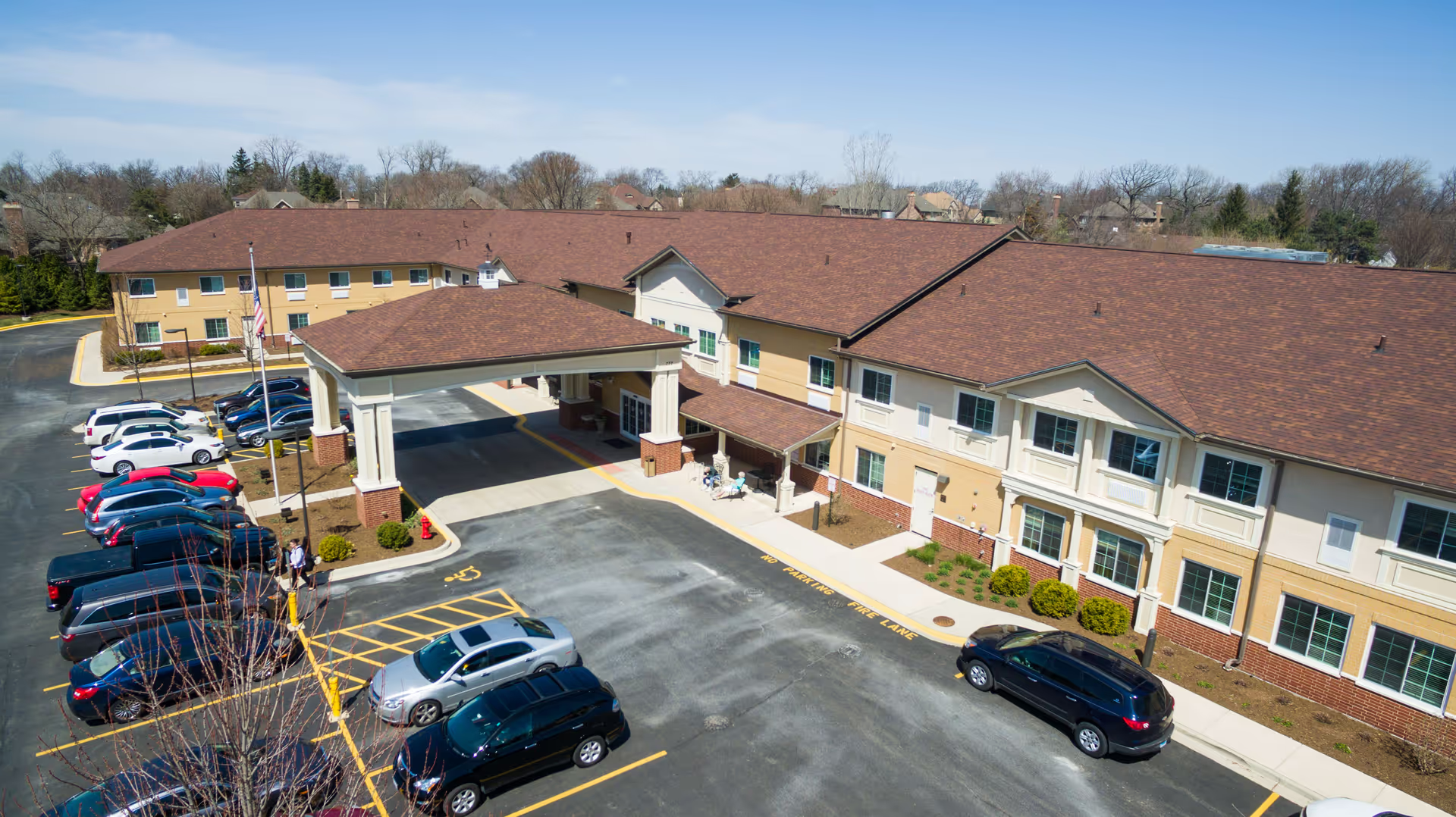
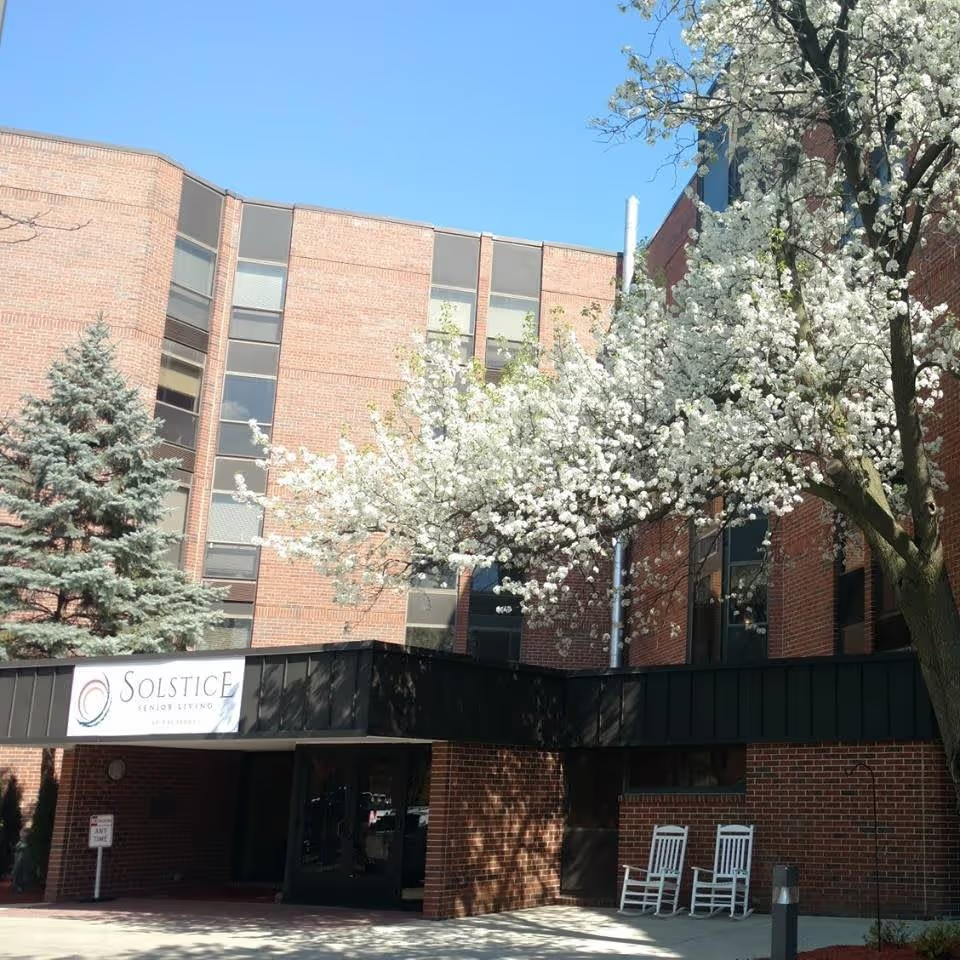
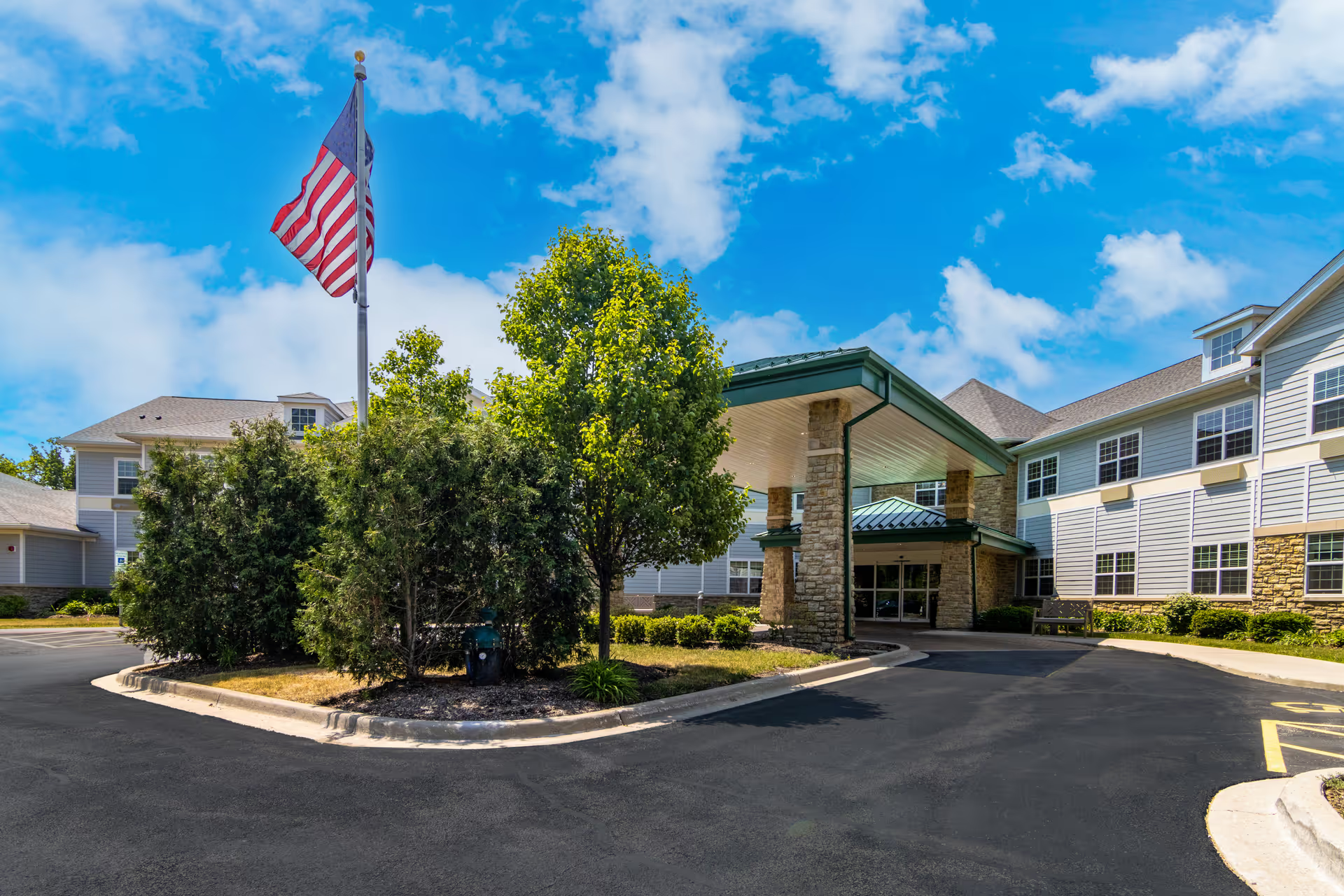
The Garlands of Barrington presents as a high-end, architecturally notable senior-living community with strong emphasis on hospitality, culinary offerings, and campus amenities. The property and grounds are frequently described as attractive and well maintained; the design and landscaping contribute to an upscale, club-like atmosphere. Housing options include a range of apartment sizes, and the community supports both buy-in and rental financial models with a substantial refundable portion for buy-in contracts. Admissions and move-in processes are typically characterized as smooth and discreet.
Staffing and care are prominent strengths in many accounts. Caregivers are commonly described as attentive, friendly, and skilled, and the community reports favorable caregiver-to-resident ratios and clean, well-kept common areas. The provider offers a full continuum of care—independent living through assisted living, skilled nursing, and memory care—which families value for long-term planning and for seamless transfers when needs change. That said, there are consistent concerns about the depth of clinical services for residents with complex medical needs; some commentary suggests the campus is best suited to relatively healthy, active retirees rather than those requiring intensive medical management.
Dining and hospitality receive frequent praise: multiple small dining rooms, a creative chef and restaurant-quality menus, special events, and an on-site restaurant open to the public are all cited as positive differentiators. A minority of comments indicate variability in day-to-day meal quality, suggesting occasional inconsistency in food service rather than a uniform shortcoming. Amenities and activities are broad and active, including fitness facilities, pool access, pickleball, arts programming, outings to symphonies and cultural events, regular transportation, and housekeeping services. Residents and families often highlight the social programming and cultural events as major contributors to quality of life.
Several operational and management patterns warrant attention. The community commands a high price point, which makes affordability a central consideration; some view the overall model as expensive but worthwhile, while others find it prohibitive. Perceptions of a financial or business-first management style appear in feedback and can translate into a more impersonal social atmosphere for those seeking a small, homelike environment. There are also noted concerns about infection-control practices and staff sick-leave policies, which families flagged as an area for clearer policy and communication. Finally, the facility’s size and scope mean that some wellness amenities are underutilized, and the scale can reduce opportunities for individualized attention for residents seeking a more intimate setting.
In summary, the Garlands of Barrington is positioned as a premium, amenity-rich community with strong hospitality, attractive grounds, and a sizable activity and dining program. It serves well for active seniors who prioritize culinary options, cultural programming, and a comprehensive continuum of care in an upscale setting. Prospective residents and families should weigh the high cost, the community’s scale and social character, and the provider’s clinical capabilities relative to their personal care needs, and should seek clarification on infection-control and staff-sick-leave policies when evaluating suitability.