Beecher Manor elicits a mix of strong praise and substantive operational concerns. Many reviewers highlight consistently positive elements: a rehabilitation program that emphasizes return-to-function with well-equipped physical therapy and skilled therapists; a hospice team and social work staff who provide compassionate end-of-life support; and caregivers who are described as attentive and personable. The building and common areas are frequently described as clean, airy, and well-maintained, and activity programming (Bingo, weekly movies, ice cream socials and other events) is a frequently cited contributor to resident engagement. Several individual staff members — nurses, administrators, and social workers — were named for exemplary communication and advocacy during transitions of care.
Care quality observations are mixed. On the positive side, many families reported meaningful functional gains from the rehab team and described attentive CNA-level care. On the other hand, reviewers described variability in nursing responsiveness (notably call-light response time), occasional long RN shifts and staffing gaps, and safety concerns linked to low staffing levels. These operational patterns are associated with delayed clinical responses in some accounts and a perception that care quality can be inconsistent depending on shift and unit staffing.
Dining and activities receive generally favorable comments for food quality and engagement, with several events singled out as resident favorites. At the same time there are consistent observations about meal timing and continuity problems (late meals or disruptions during service) and a desire for a more reliable mealtime system. Housekeeping and room maintenance are often praised, but there are also specific mentions of inconsistent room turnover and sanitation between admissions in some cases, and reviewers expressed infection-control concerns during particular events.
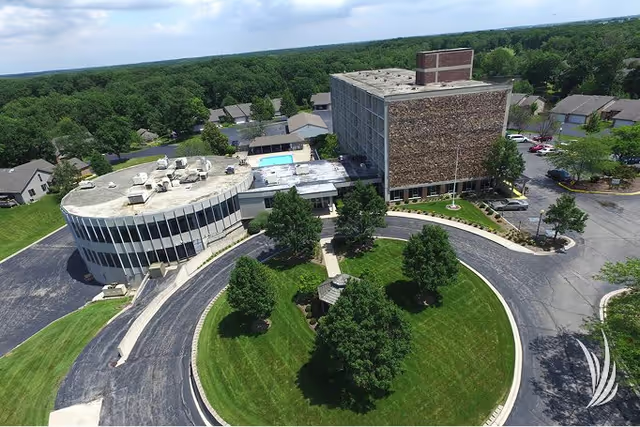
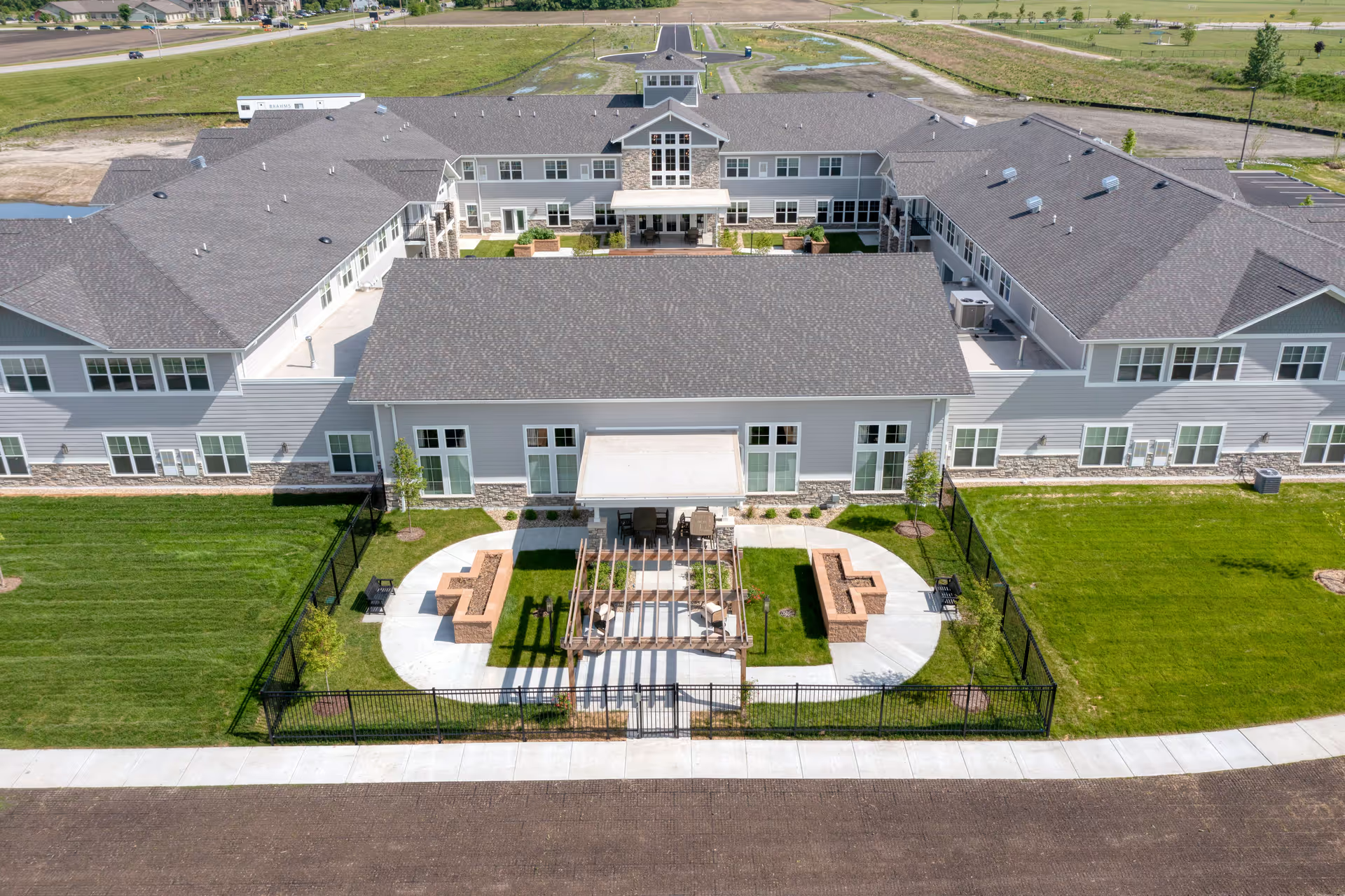
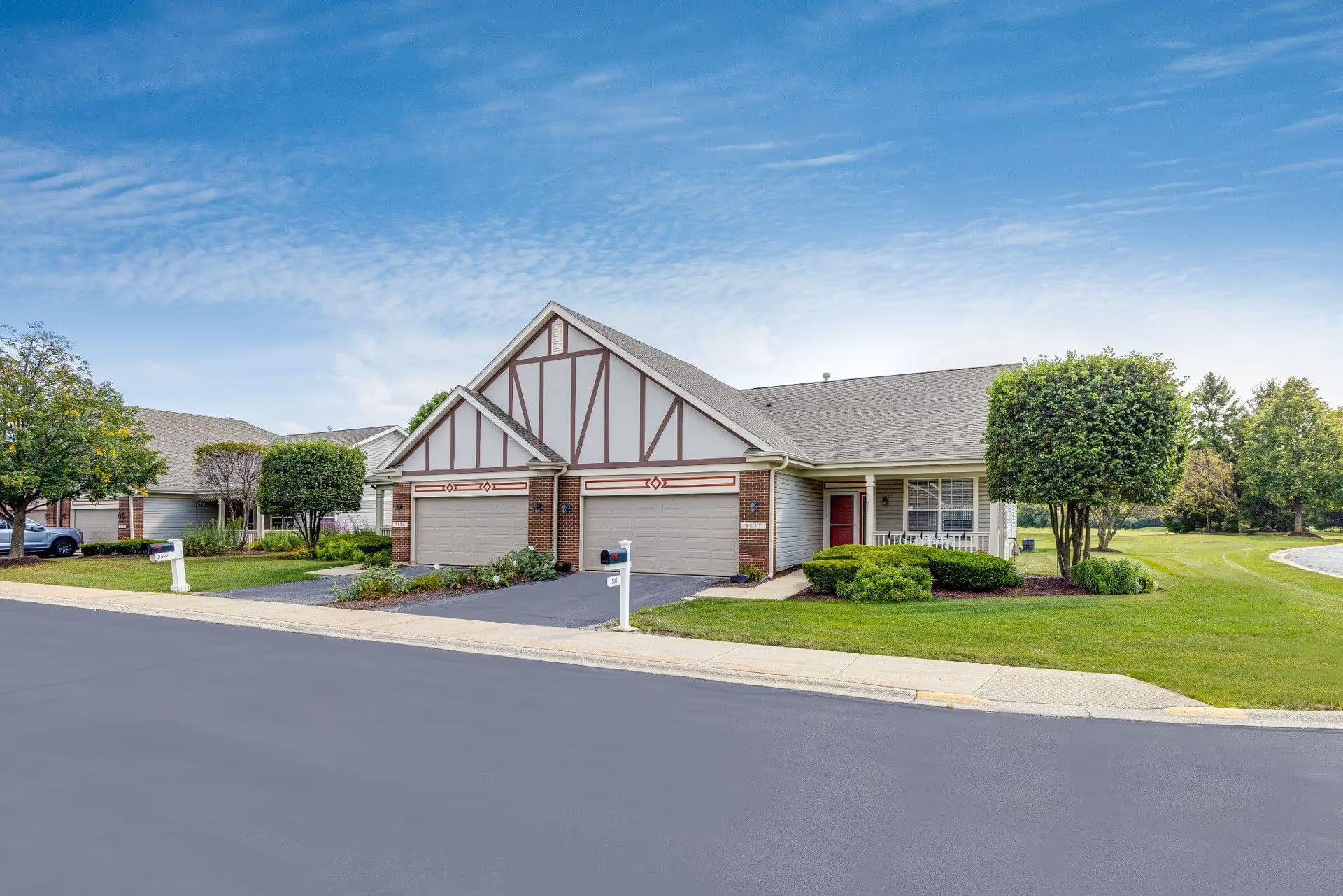
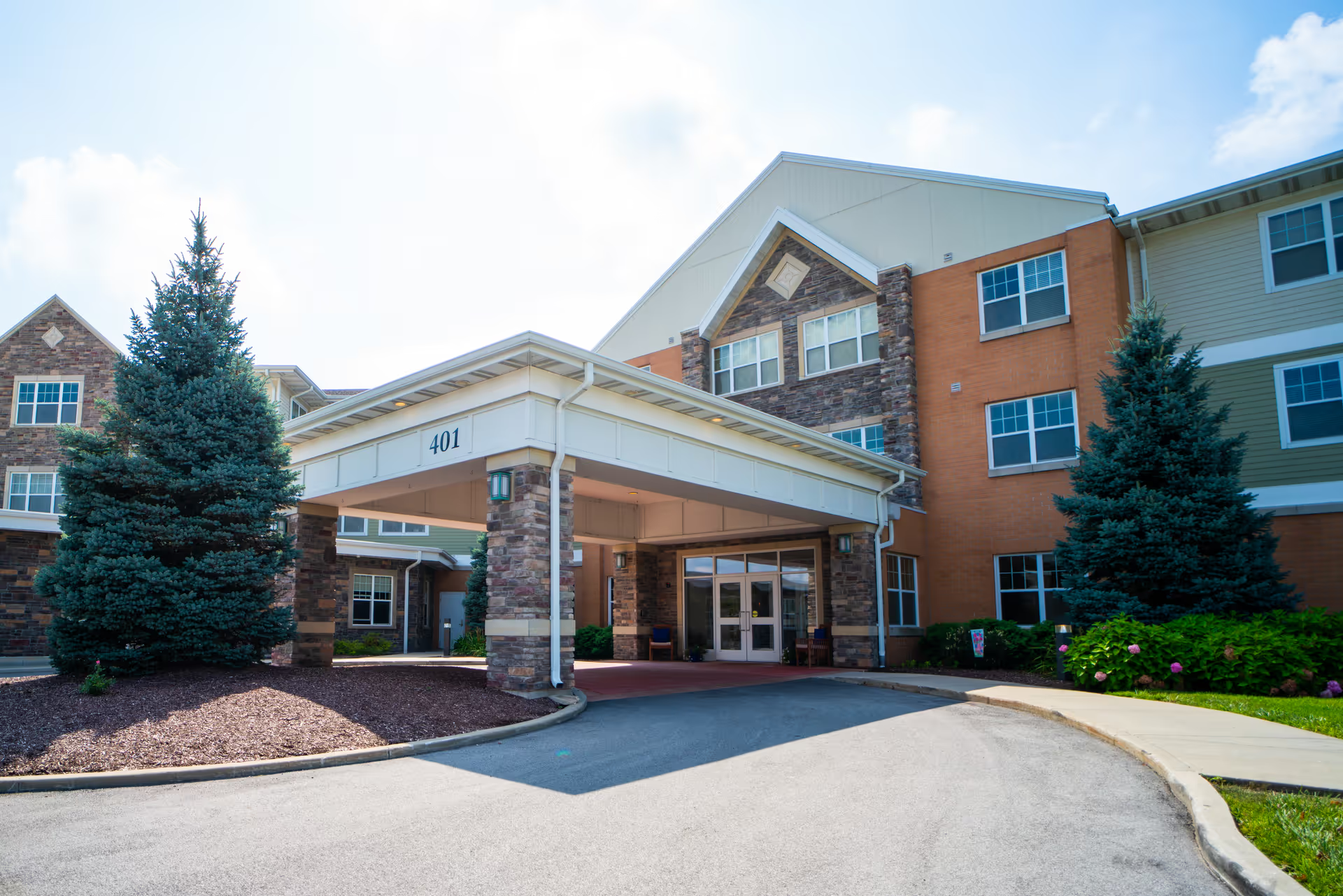
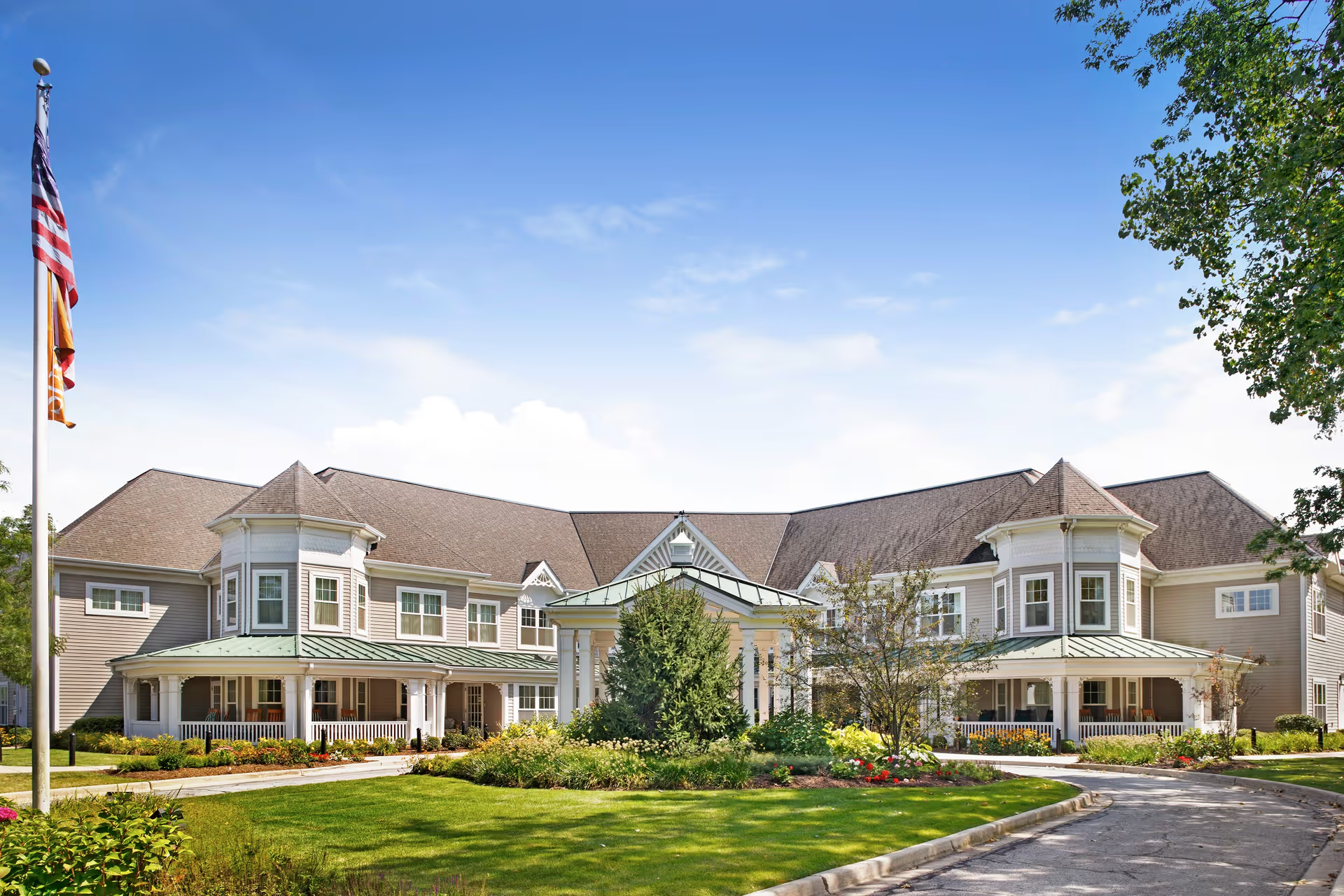
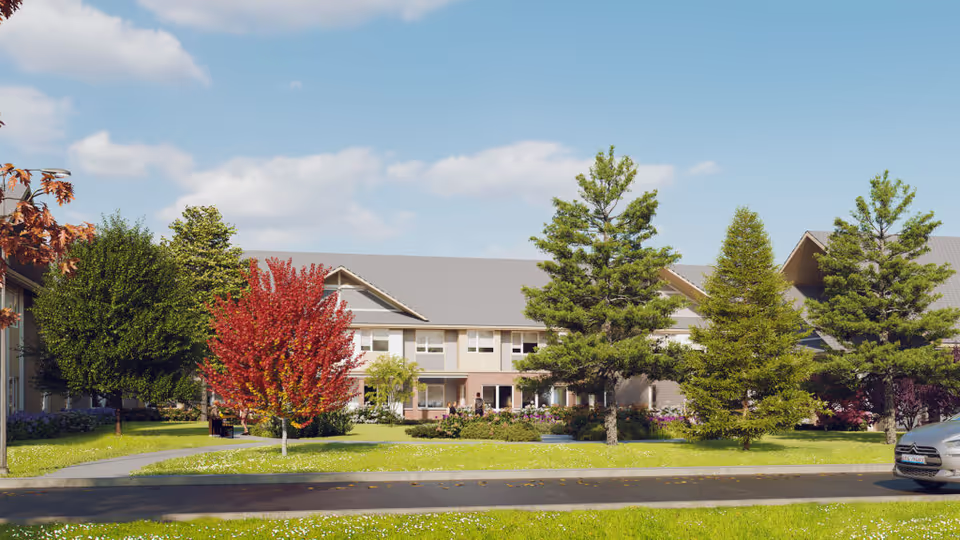
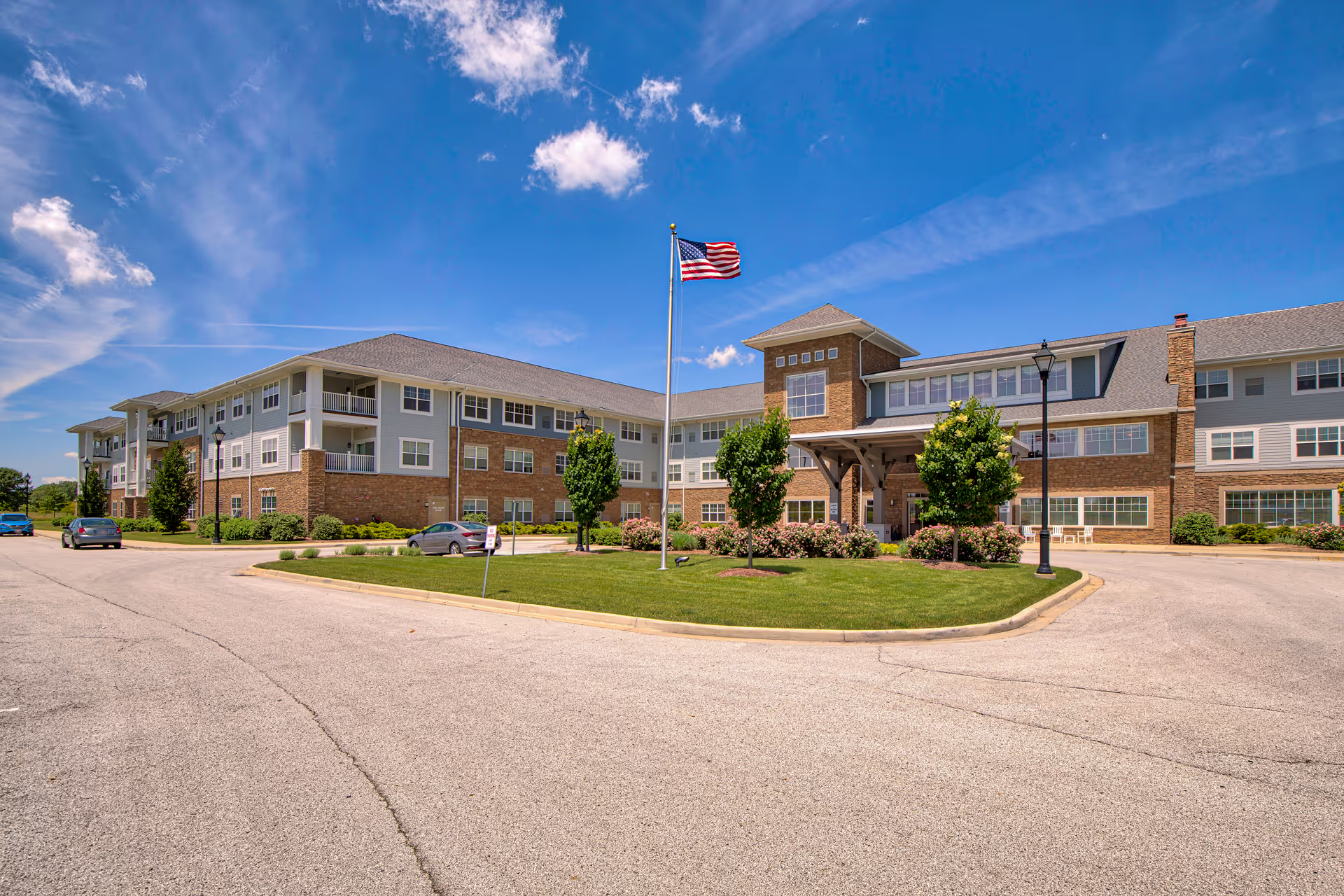
Facility amenities and environment are commonly described as pleasant: private-room options, large rooms with en-suite bathrooms, bright common spaces, and a modern appearance. Laundry and housekeeping services are generally viewed as adequate to good. Positive experiences often include coordinated discharge planning and effective communication from specific staff members; these contrasts with other accounts of unresponsive admissions personnel and front-desk staff who were difficult to reach.
Management and administrative themes show polarization. Several reviews commend strong leadership, accessible administrators, and effective social services support. Conversely, others describe gaps in leadership follow-through, unresolved billing or coordination issues, and complaints about front-line administrative responsiveness. There are also serious concerns raised about staff conduct and privacy, including at least a few allegations of privacy breaches and inappropriate interactions; these are described as isolated but significant by families and merit direct inquiry by prospective residents.
Overall pattern: Beecher Manor appears to deliver high-quality rehabilitative care and compassionate hospice support in a generally clean, well-appointed environment, with many staff members earning specific praise. However, operational weaknesses — notably inconsistent staffing levels, variability in nursing responsiveness, lapses in infection-control and room-turnover practices, and uneven administrative communication — create a mixed experience for families. Prospective residents and families may benefit from asking specific questions on admission: current staffing ratios by shift, call-light response protocols, infection-control procedures and recent events, meal-service schedules, room-turnover practices, and the facility’s process for handling grievances and billing issues. These targeted inquiries can help clarify whether the facility’s strengths align with an individual’s care priorities.