Reviewer feedback for Integrity Healthcare of Carbondale is highly polarized: many families praise individual caregivers, therapy outcomes, and the facility’s activities and renovation efforts, while other accounts describe significant operational and clinical concerns. The pattern of comments suggests that positive resident experience often stems from committed direct-care staff and strong rehabilitation programming, whereas negative experiences cluster around systemic weaknesses in clinical operations, communication, and facility oversight.
Care quality is mixed. Several families describe compassionate, attentive nurses and successful rehab stays that helped residents regain function. At the same time, there are recurring concerns about clinical response times and infection-control processes, including delays in initiating antibiotics, missed or delayed lab testing, and inconsistent adherence to physician orders. These issues have led some families to raise serious concerns following adverse clinical outcomes. Reviewers also note difficulty obtaining timely access to medical records and test results, which compounds worries about clinical transparency.
Staffing and staff behavior are another area of contrast. Many reviews single out individual caregivers, nurses, and activity staff as kind, professional, and invested in residents’ wellbeing. Conversely, there are consistent remarks about high staff turnover, variable staffing levels, poor responsiveness to call lights, and instances of abrupt or discourteous interactions. These operational staffing fluctuations appear to contribute to inconsistent day‑to‑day care availability and family communication.
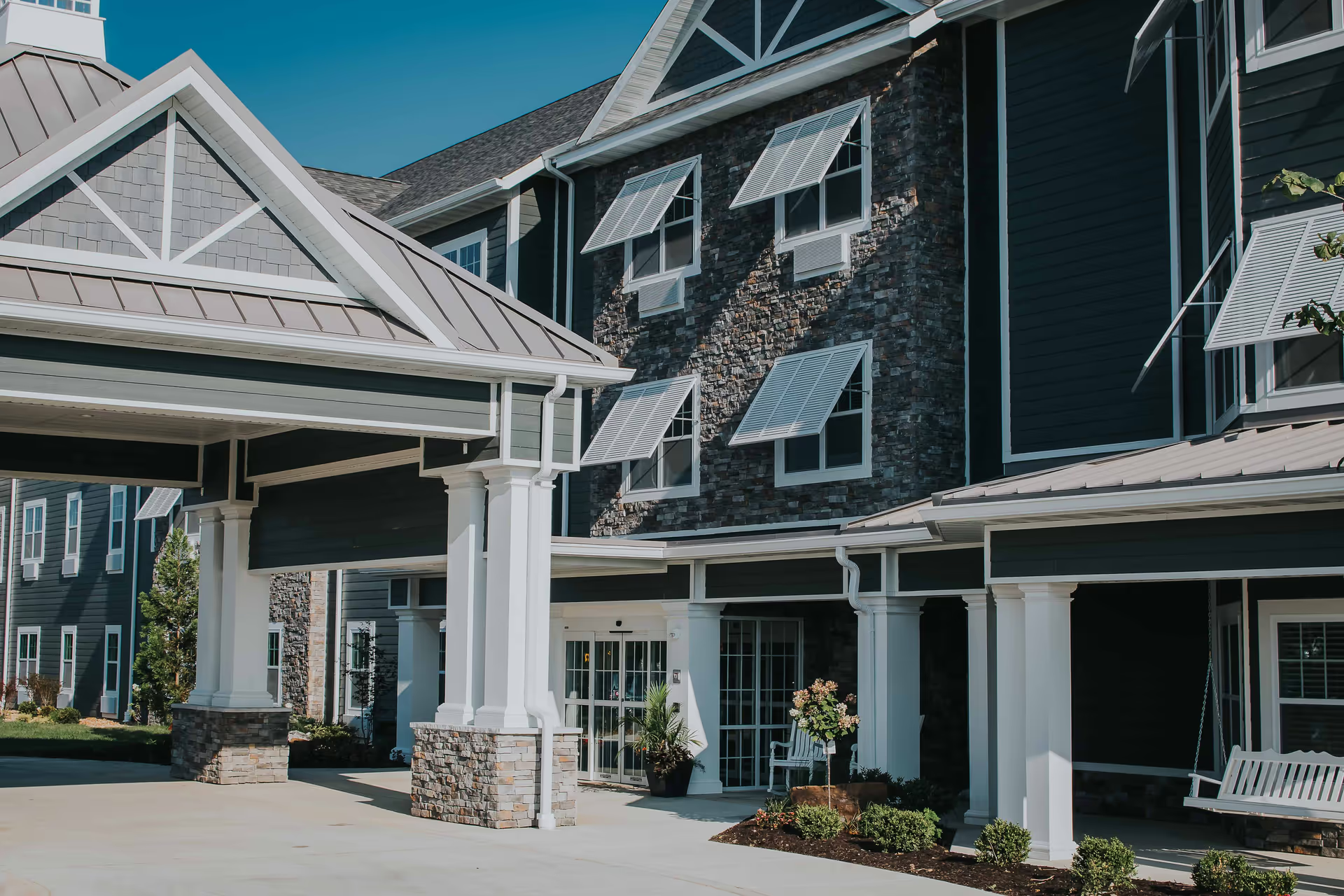
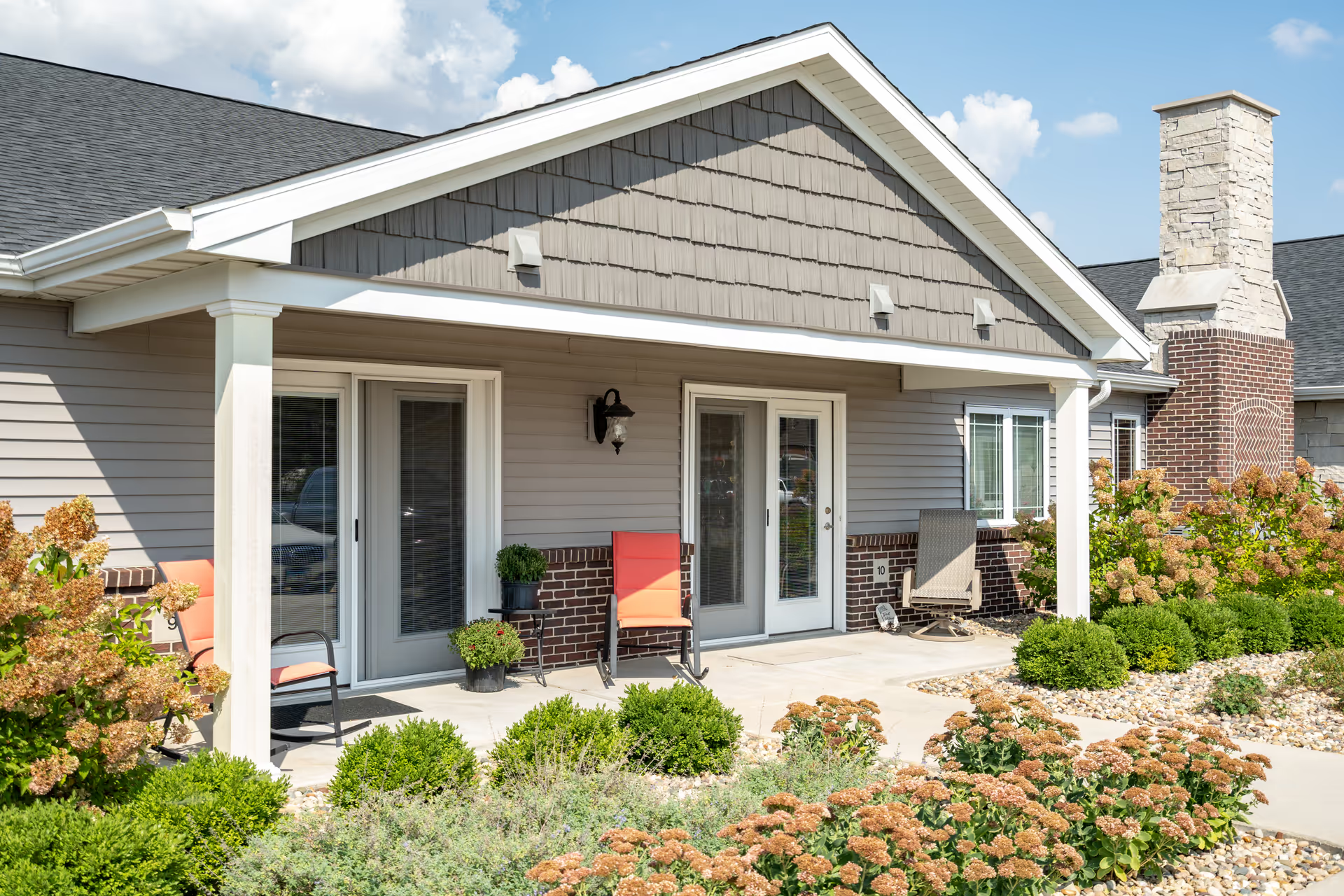
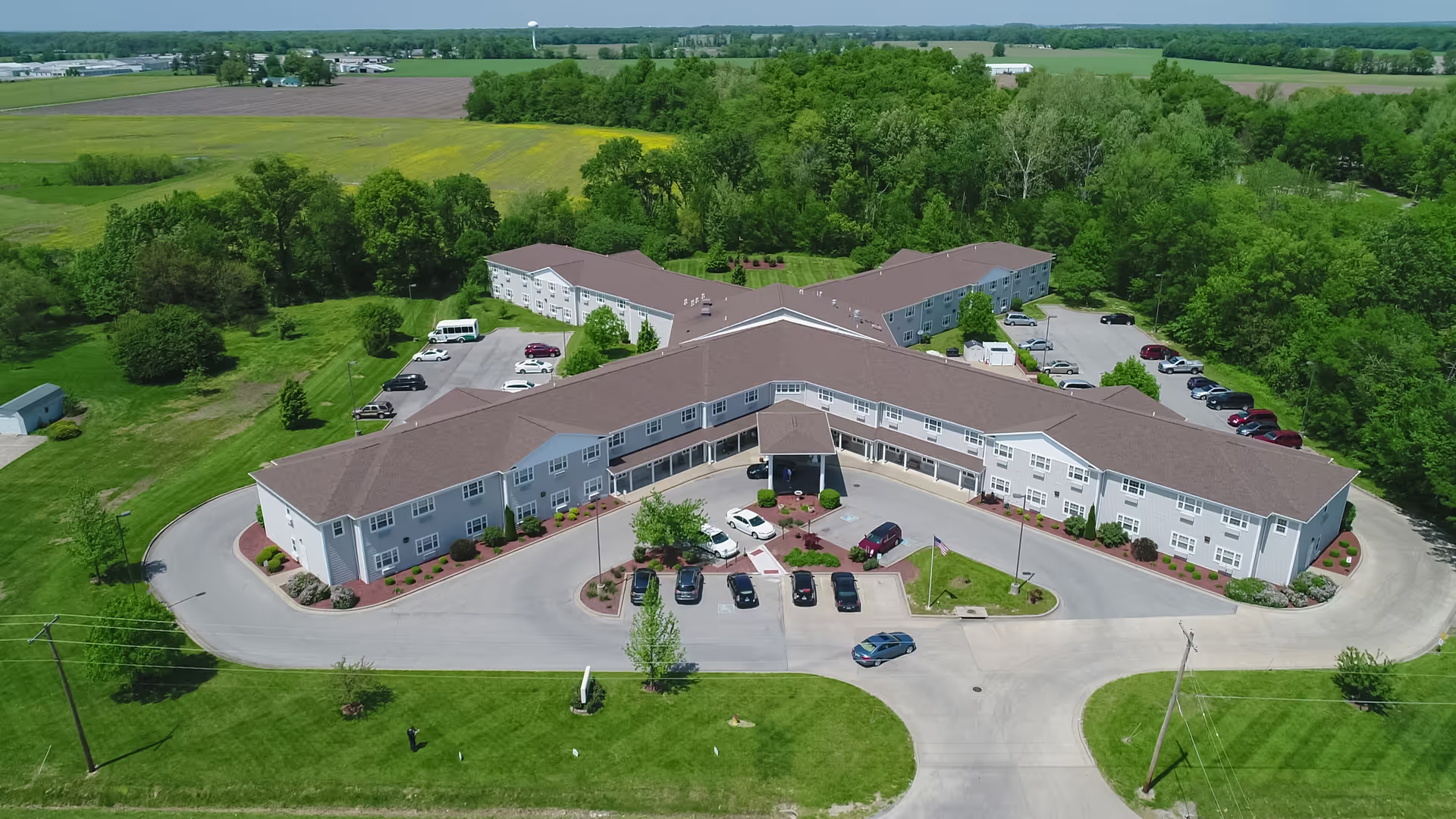
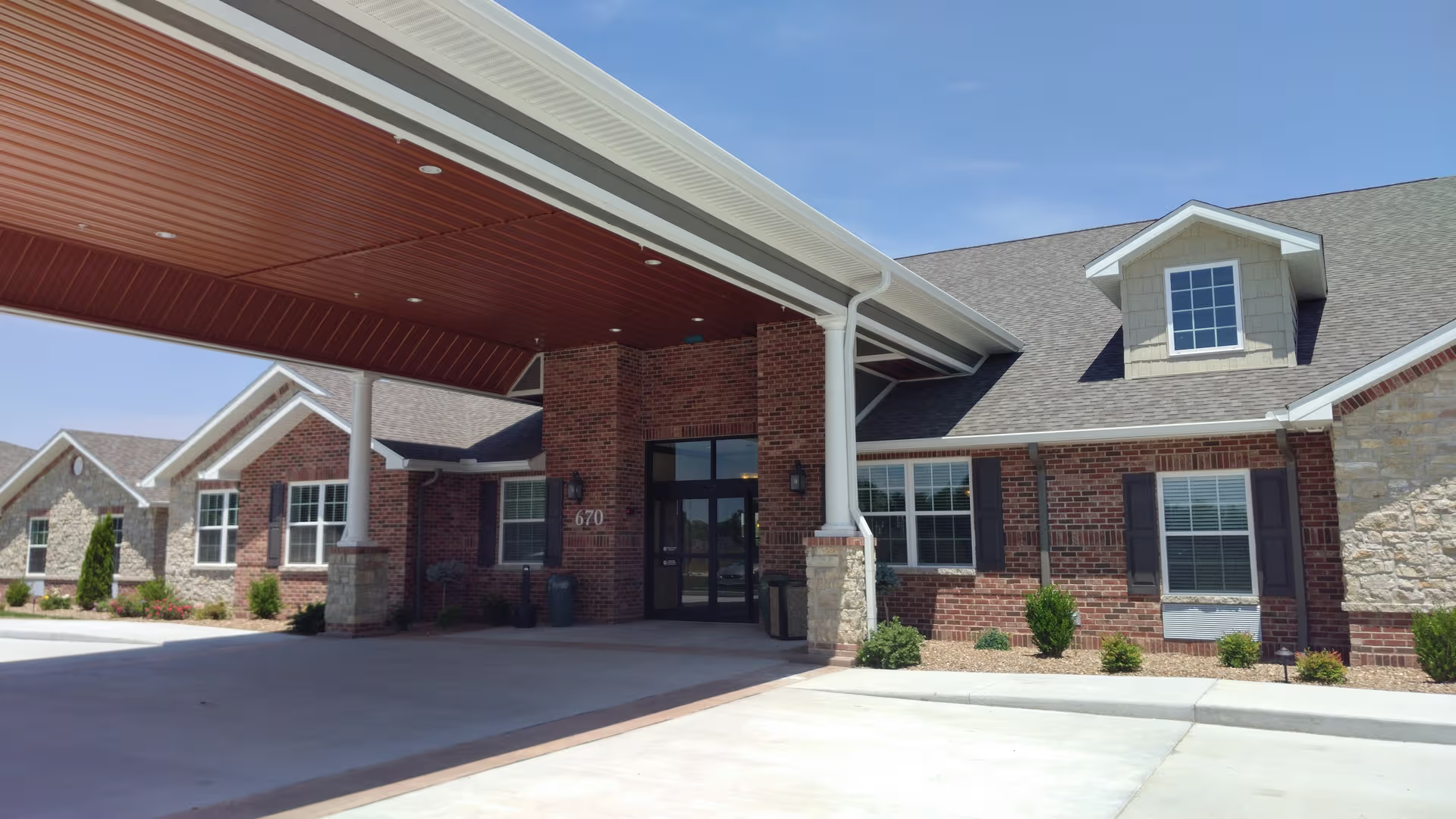
Dining, housekeeping, and environmental maintenance receive mixed feedback. Positive comments highlight recent room remodels and portions of the interior described as clean and comfortable. In parallel, other reviewers describe sanitation and odor concerns in some common areas, inconsistent food quality and food-handling practices, and pest-control concerns in dining spaces. Allegations of missing personal items point to perceived weaknesses in property-security and loss-prevention controls.
Activities and specialized services are generally a strength. Multiple reviews praise an active calendar, meaningful social programming, and a well-regarded TBI/head‑injury unit. Families report that residents who engage with therapy and activities experience improved mood and quality of life; these elements contribute strongly to the facility’s positive reputation among some residents and families.
Management and administrative oversight emerge as a notable source of concern for many reviewers. While renovations and community engagement are viewed positively, there are comments about limited transparency, restricted chart access, and serious administrative complaints including allegations of financial or corporate mismanagement and legal actions. These management-level issues are cited as factors that may undermine clinical consistency and family trust.
Taken together, the reviews indicate a facility with clear strengths in individual caregiver commitment, rehabilitation services, and resident activities, paired with operational vulnerabilities in clinical processes, staffing stability, environmental controls, and administrative transparency. Prospective residents and families should conduct an on-site assessment focused on clinical protocols (infection control, medication administration, access to records), staffing ratios and turnover, food-safety practices, pest-control and housekeeping standards, property‑security measures, and recent regulatory or legal history before making placement decisions.