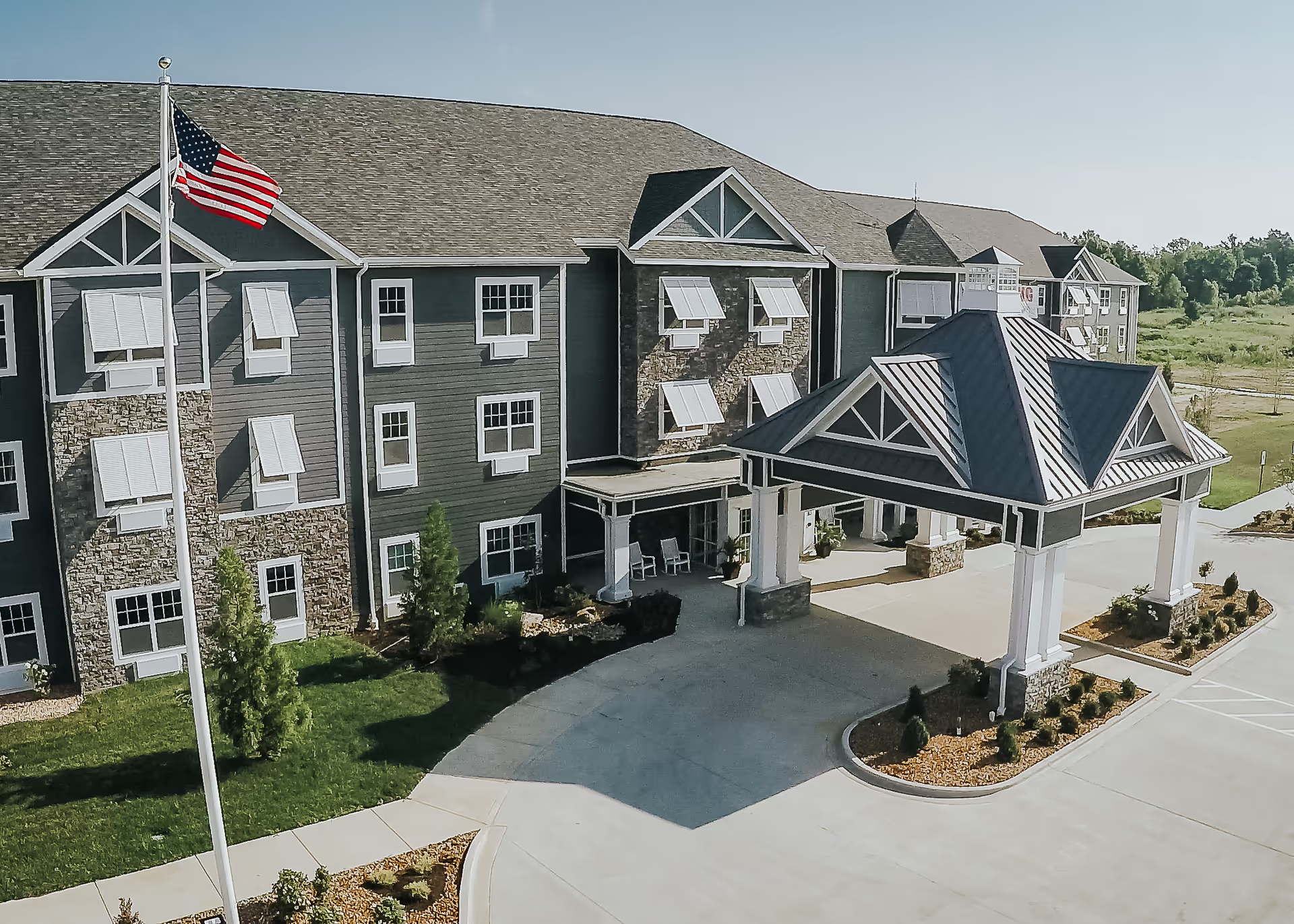
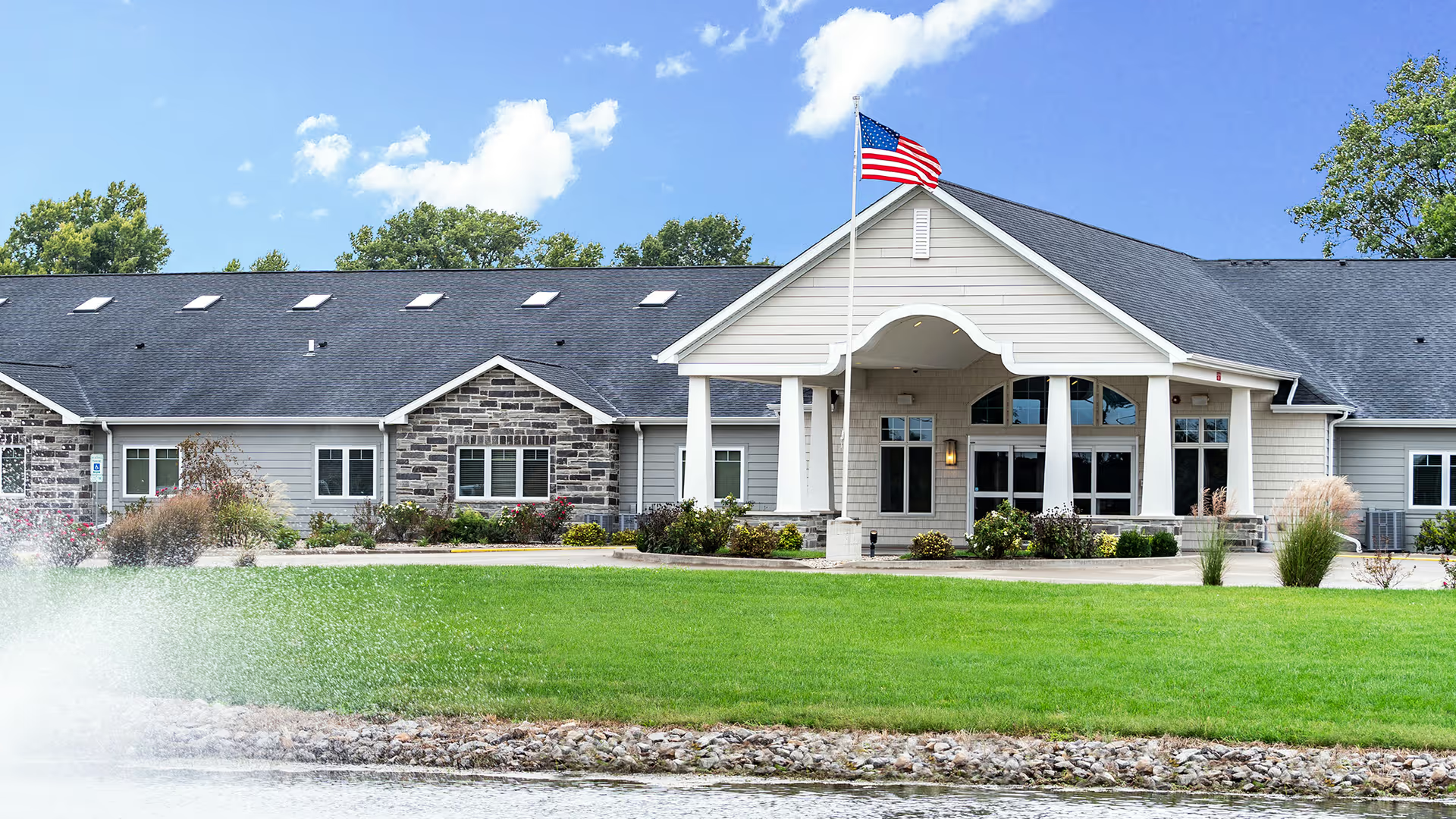
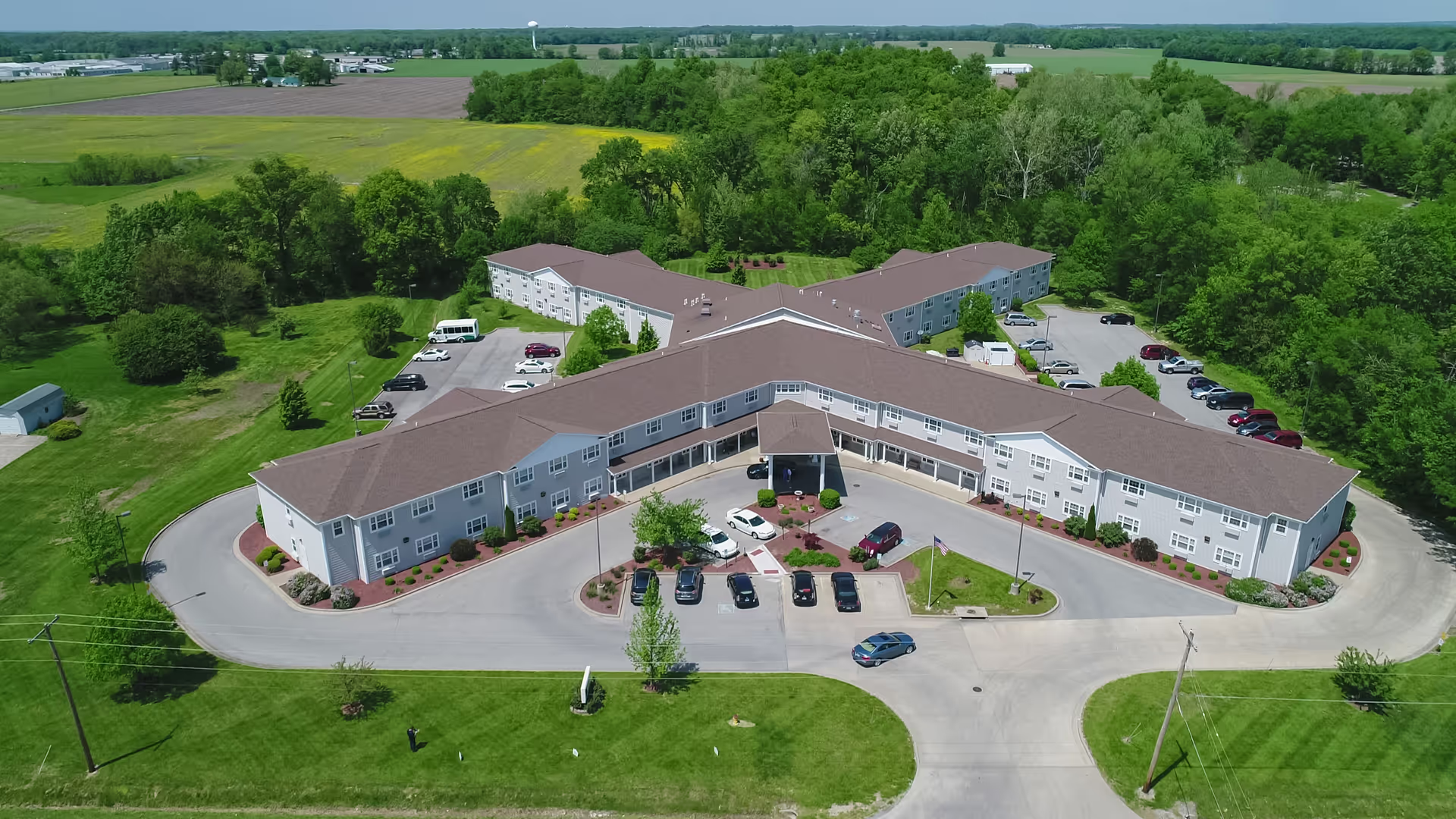
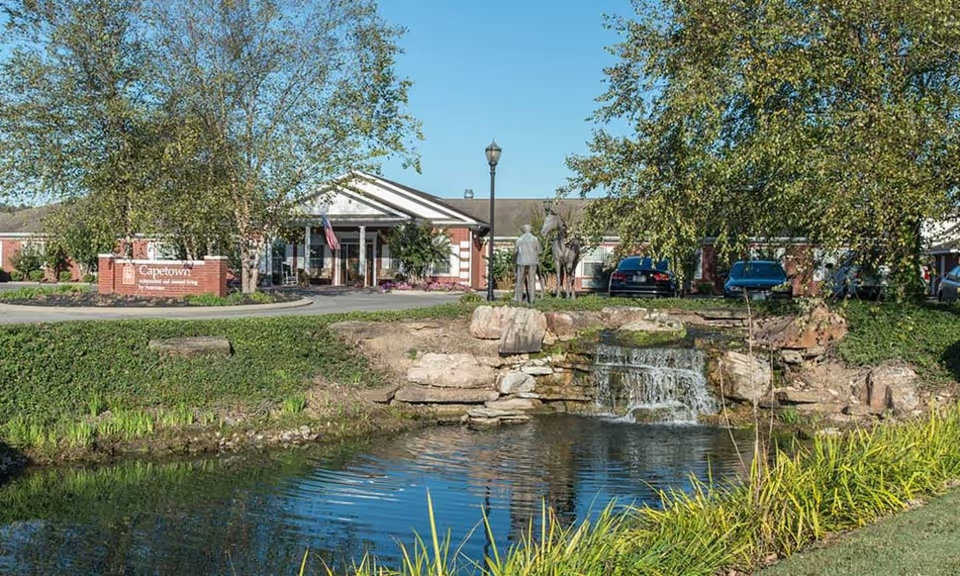
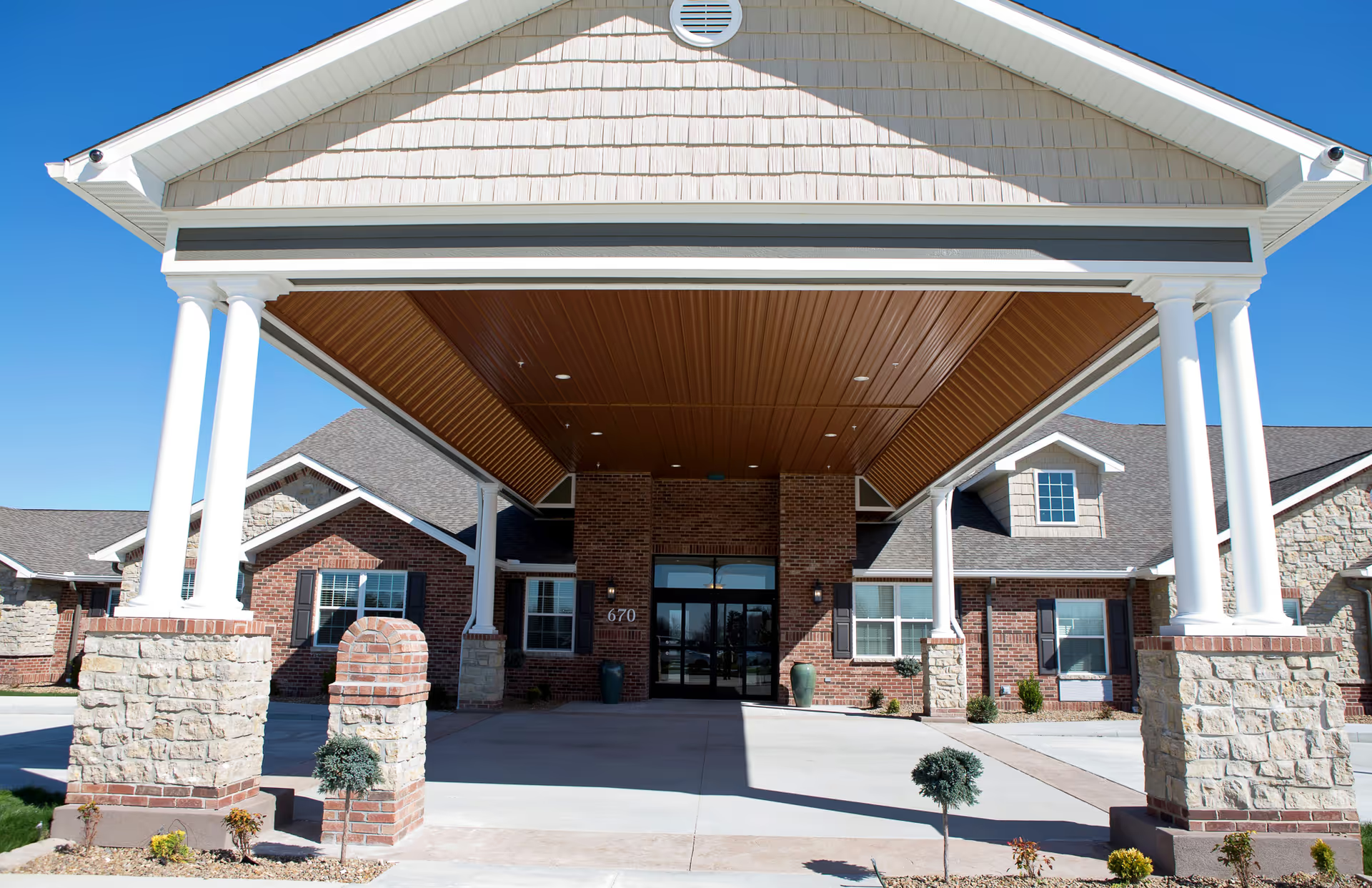
Overall impression Liberty Village of Carbondale is frequently described as a modern, attractive, and clean skilled‑care campus with active communal spaces and a robust therapy program. Many families praised the physical plant, holiday and event programming, and an active calendar of activities and social offerings that support resident engagement. Several frontline staff members and specific administrative and social‑services employees were singled out for helpfulness and attentive service.
Care quality and clinical oversight Accounts indicate wide variability in clinical and personal‑care experiences. Positive experiences include focused and effective rehabilitation therapy with substantial therapy hours and visible functional improvement for some residents. At the same time, reviewers described operational gaps: inconsistent caregiver availability, delays responding to call lights, missed or delayed pain relief, concerns about medication administration processes, and documented problems with skin integrity and wound prevention. These issues suggest uneven implementation of clinical procedures and monitoring across shifts.
Staffing, conduct, and training Staffing patterns appear inconsistent; families frequently noted busy or short‑staffed shifts. While some nurses and aides were described as compassionate and effective, others were described as inattentive or inadequately trained in resident engagement and basic care tasks. Communication tone and responsiveness from staff were a recurrent concern, and there are several accounts alleging retaliatory responses or poor administrative transparency following complaints. A small number of reviews raised serious governance concerns, including allegations of theft and troubling administrative conduct.
Dining and nutrition Feedback on dining is mixed. Some families found meals acceptable and praised specific kitchen staff, while others raised concerns about menu composition (high‑carbohydrate, low‑protein options), limited snack and beverage availability, and lack of individualized meal planning for residents with diet or blood‑sugar needs. Confusion over beverage options and inconsistent mealtime assistance were noted as operational weaknesses.
Activities and facilities The facility’s activity programming, communal spaces, and therapy areas are consistently viewed as strengths. Residents and families describe an active schedule, busy library and event areas, and well‑kept rooms and common areas. These features contribute positively to resident quality of life when staffing support is adequate.
Management, communication, and logistics Families highlighted helpful individuals in social services and administration, but also reported difficulties reaching clinical leadership (for example, the director of nursing) and inconsistent communication around transfers, discharges, and health status changes. Transportation coordination for off‑site appointments and timely notification of transfers or changes in condition were recurring operational concerns. Several reviews specifically recommended clarifying policies on property handling, visit/transfer notification, and weekend coverage prior to admission.
Notable patterns and considerations for families The pattern in these reviews is one of strong environmental and programmatic resources combined with uneven operational execution. Rehabilitation and activities are clear strengths; clinical consistency, caregiver training, personal‑care reliability, medication and wound‑care oversight, and administrative transparency are areas with repeated concerns. Prospective residents and families may benefit from focused questions during a tour about staffing ratios, skin‑care and wound‑prevention protocols, medication reconciliation processes, laundry/possessions handling, weekend coverage, and infection‑control procedures, and from speaking with current residents or families to understand typical day‑to‑day reliability.