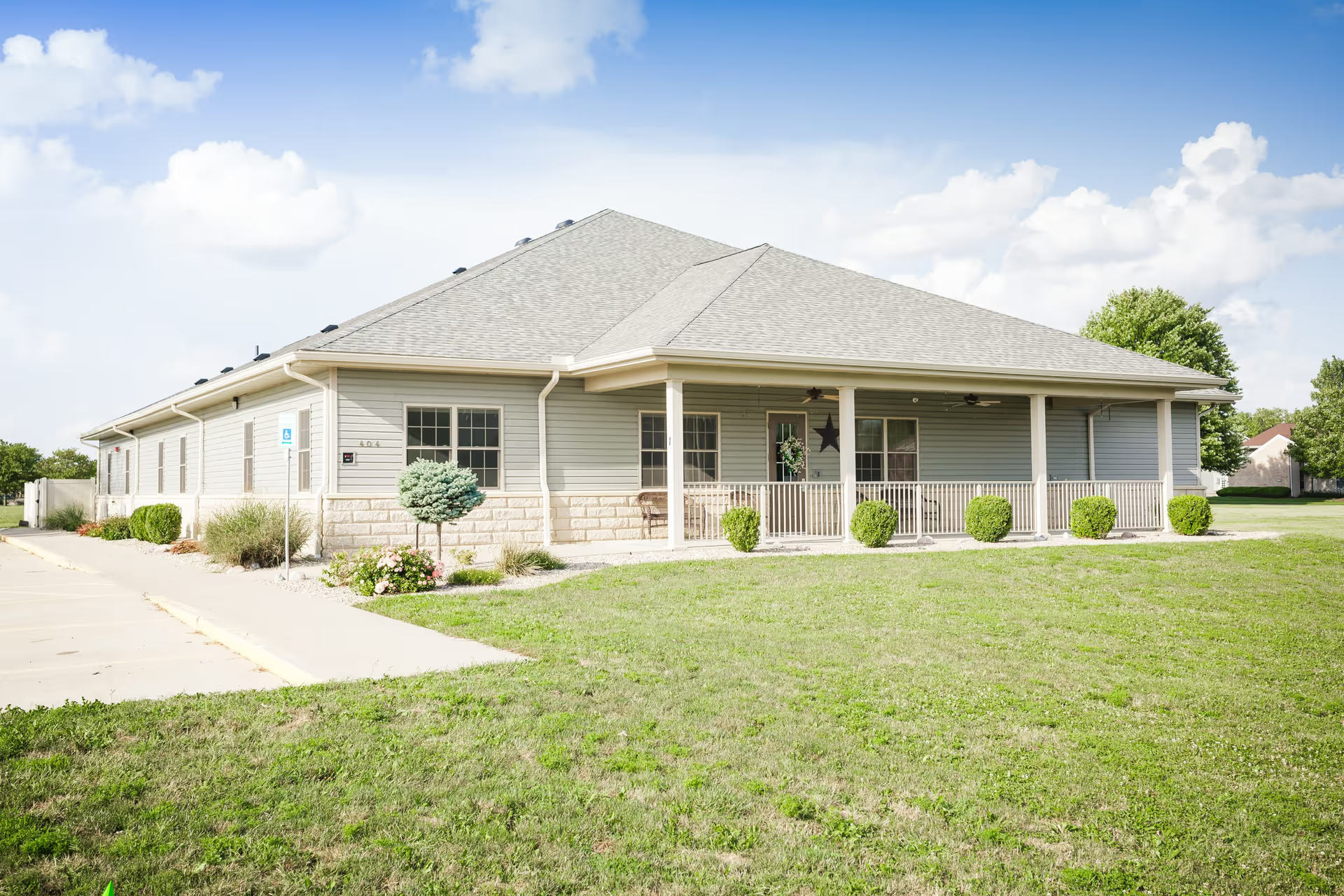
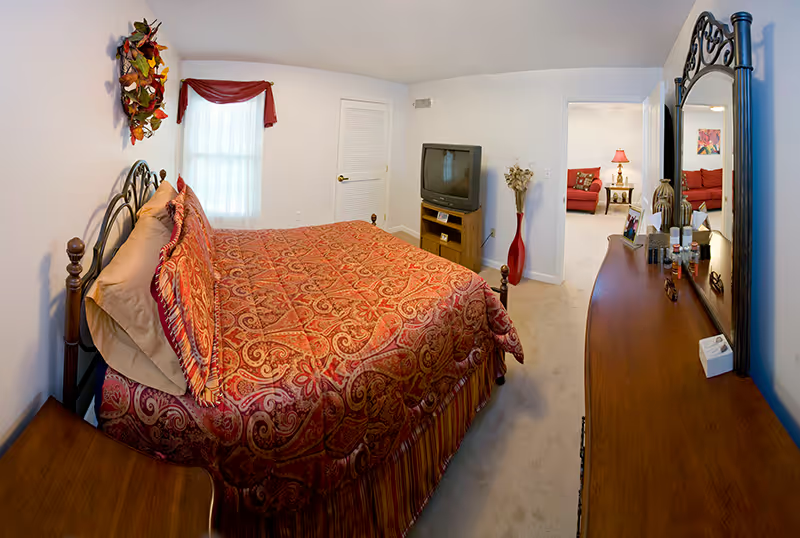
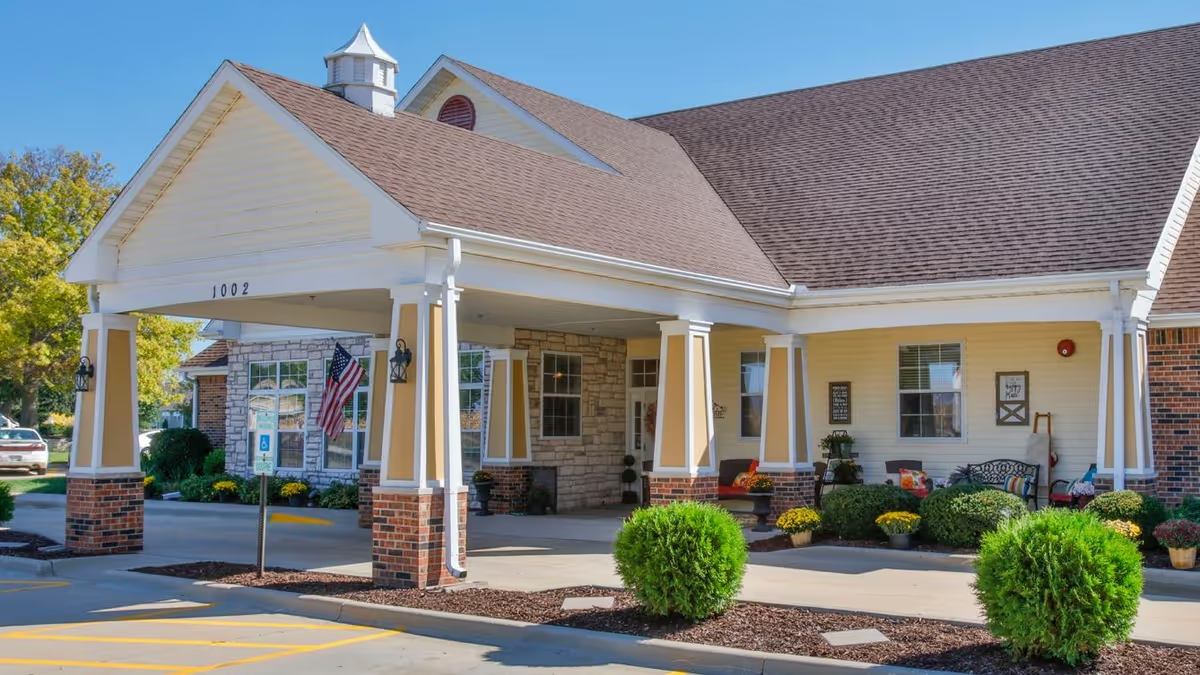
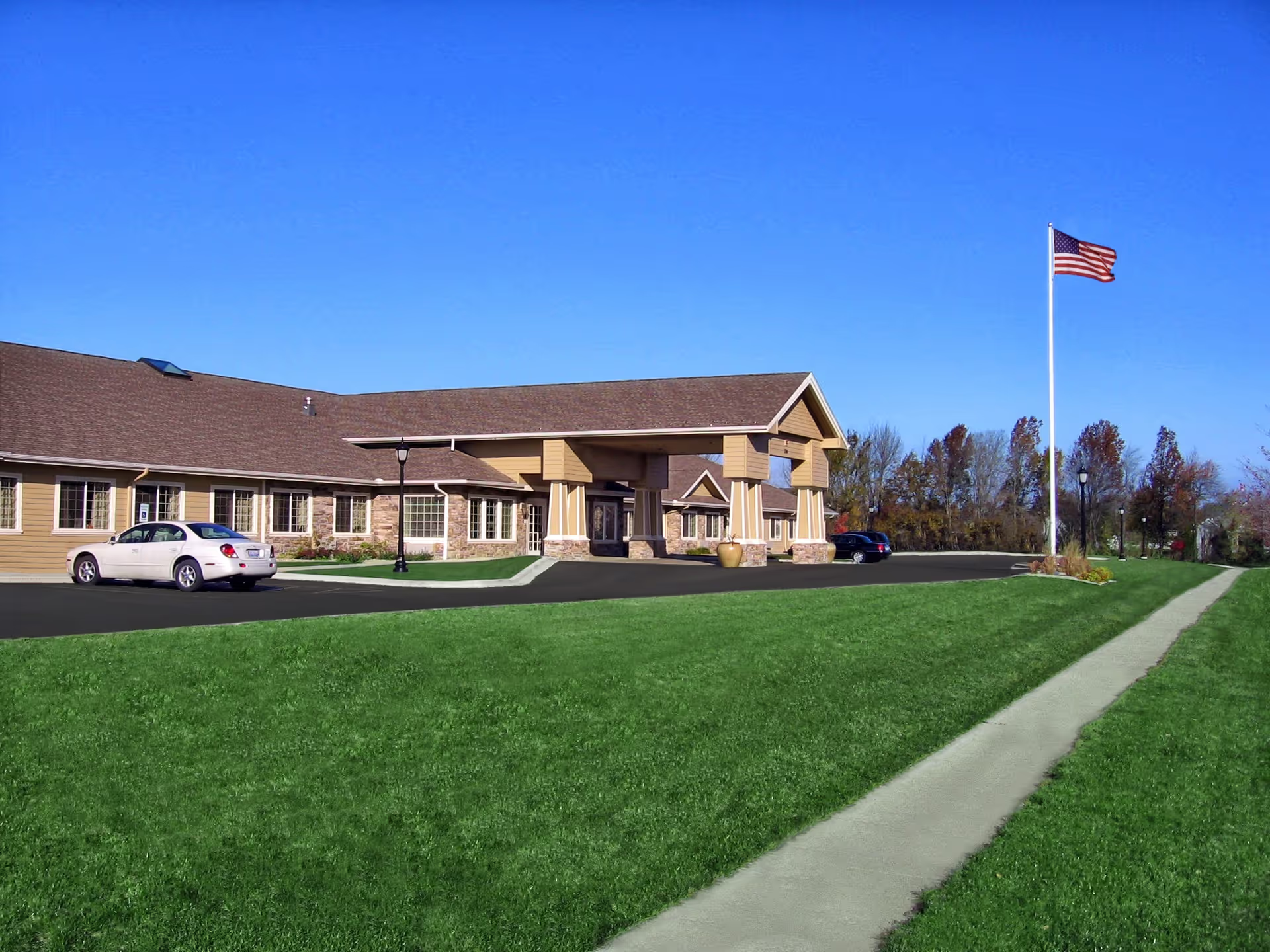
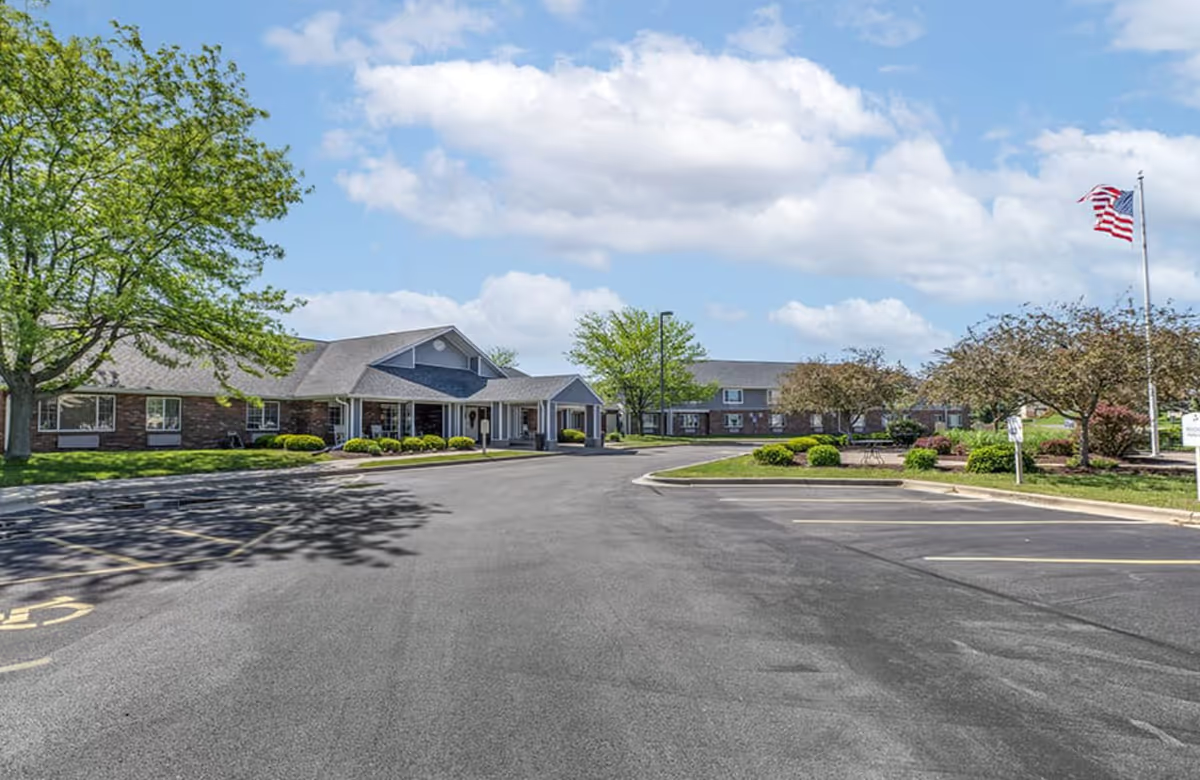
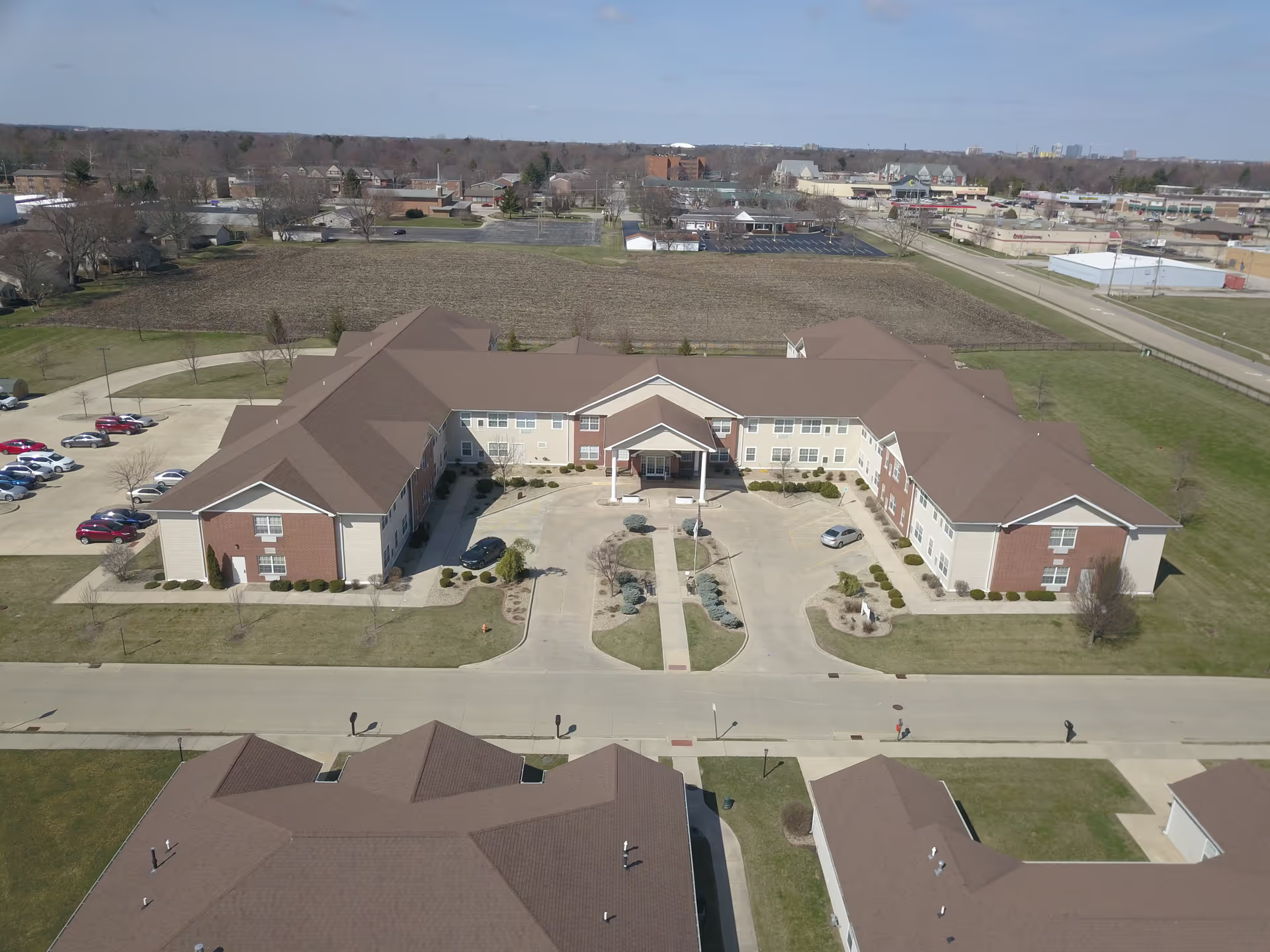
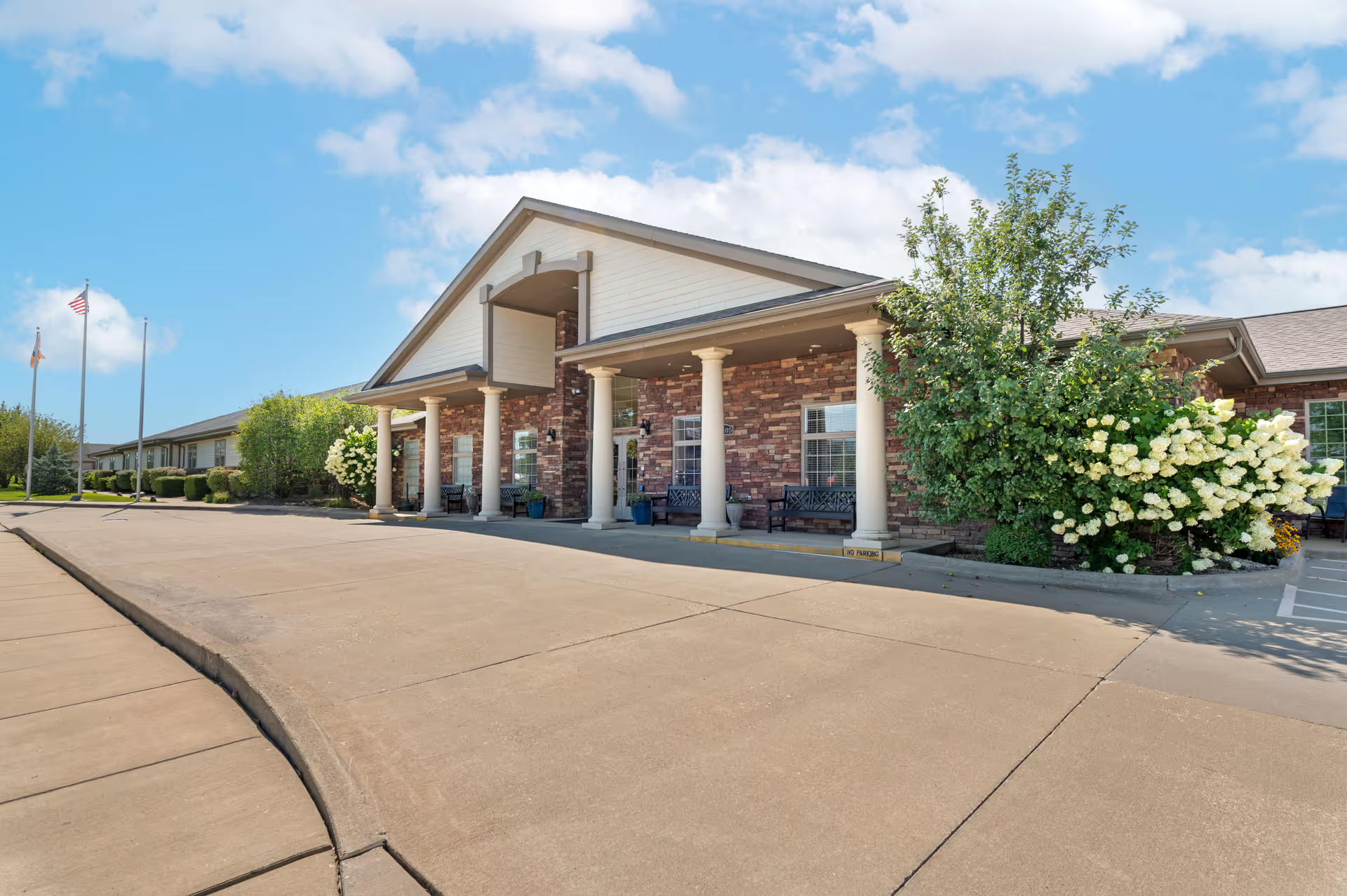
Reviewers describe Carriage Crossing Senior Living of Champaign as a physically attractive, well-kept community with many strong social and programmatic attributes alongside clear operational weaknesses. The building, grounds, and shared spaces consistently receive positive comments: reviewers cite clean, welcoming common areas, a pleasant courtyard and new amenities such as a library, and comfortable, spacious apartments. The community atmosphere is frequently described as warm and social, with residents forming friendships and engaging in on-site events.
Direct-care staff and the life-enrichment team receive mixed-but-often-favorable feedback. Numerous families and residents praise compassionate, attentive caregivers, particular nursing staff, and an Activities Director who is credited with creating a vibrant schedule of programs. The community’s Life Enrichment Team and activity offerings are seen as strengths that support socialization and wellbeing. Some reviewers also note successful short-term rehabilitation outcomes and a supportive transition process for new residents.
However, several operational patterns recur in the feedback. Staffing levels and coverage—especially on weekends—are described as inconsistent, which reviewers link to slower responsiveness and reduced availability of services during off-hours. Medication administration and clinical oversight emerge as a significant concern in a subset of accounts; reviewers describe delays or inconsistencies in medication delivery and family communication about clinical events. Housekeeping and sanitation consistency are uneven: common areas are generally well maintained, but room-level cleaning and maintenance are sometimes described as irregular.
Dining receives mixed evaluations. While the facility provides three meals a day and allows meal choices in advance, reviewers report variability in food quality, limited fresh fruit, and challenges accommodating special diets and religious or cultural restrictions. The dining spaces are described as pleasant though sometimes small.
Management and administrative issues are another recurring theme. Several reviewers note recent management turnover or changes that they associate with declining service consistency. Concerns include billing and admission transparency (large upfront payments and questions about charges), unclear marketing about the clinical scope of assisted living versus skilled nursing, and uneven responsiveness to family concerns or incident reporting. Safety and clinical-capability questions appear in commentary about emergency-equipment availability and the facility’s delineation of care levels.
Overall, the pattern is polarized: many families report high satisfaction driven by compassionate staff, strong activities, and an attractive environment; other accounts document operational lapses—notably around staffing, medication processes, housekeeping, dining accommodations, and management consistency—that materially affect care experience for some residents. Prospective residents and families should verify current staffing levels and weekend coverage, ask for written policies on medication administration and emergency equipment, review housekeeping schedules, clarify how dietary restrictions are honored, and examine contract and billing terms before admission. Visiting during a weekday and a weekend shift, speaking directly with the Life Enrichment Director and nursing leadership, and requesting recent state inspection or complaint history can help assess whether the facility’s strengths align with an individual’s care needs.