Care quality: Reviews present a mixed picture of clinical and personal-care performance. Several comments indicate inconsistencies in care delivery and oversight, and at least one account raises concerns following a resident's death that point to potential gaps in incident response and family notification. Other observations highlight mismatches between residents' mobility needs and the level of assistance provided; prospective families should verify individual care plans, supervision levels, and transfer-safety procedures prior to placement.
Staff: Feedback about staff is divided. Multiple reviewers praised caring, attentive employees and positive staff–resident interactions, while others described lapses in responsiveness, unprofessional communication, and failures to respond promptly to alarms. This pattern suggests variability in staff training, supervision, or staffing levels that can affect day-to-day reliability.
Dining: Reviews contain minimal specific information about meals or food service. There is no consistent pattern in the available comments; visitors and families should request current menus, sample meals if possible, and information on special-diet procedures when evaluating the facility.
Activities: The facility's activity area receives positive mention; the space is described as attractive and updated. That said, limited commentary is available about program frequency, staff-led engagement, or resident participation levels. Prospective residents should ask for an activity calendar and observe programming during a visit.
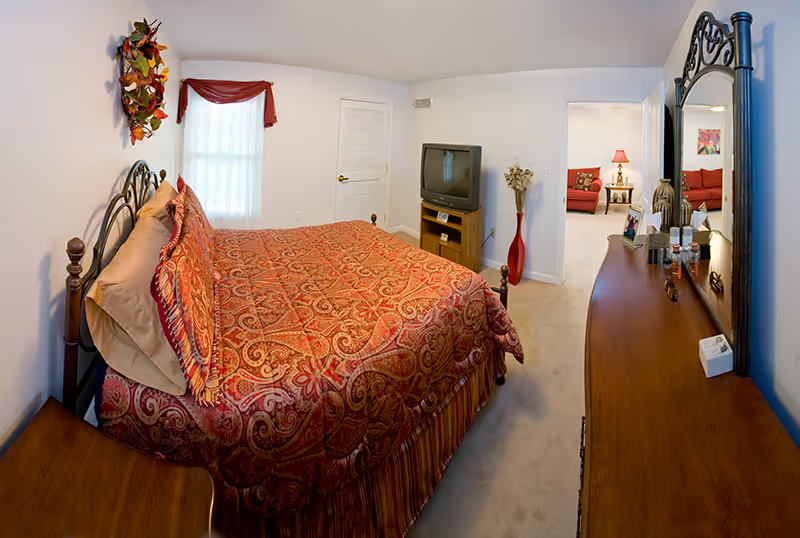
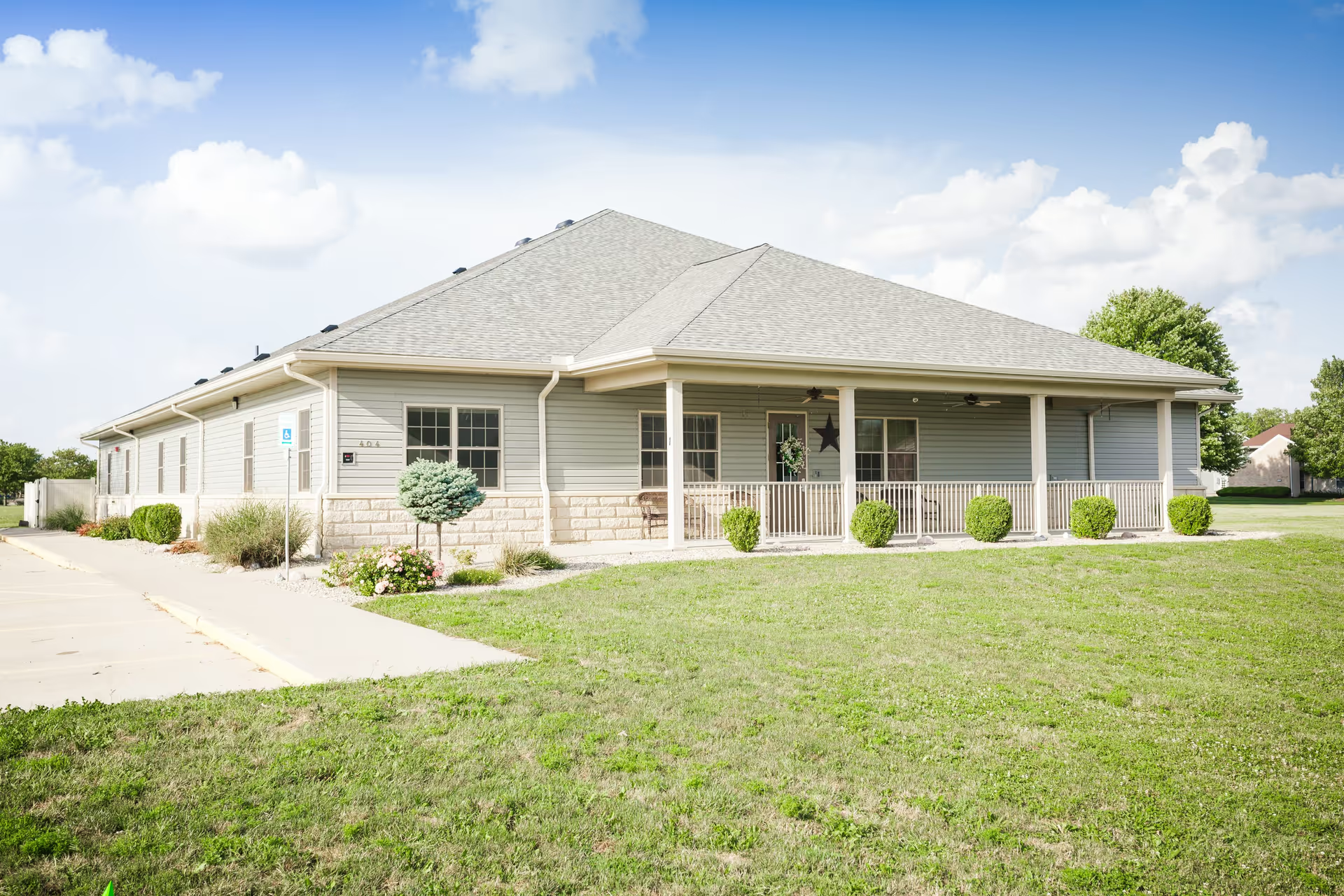
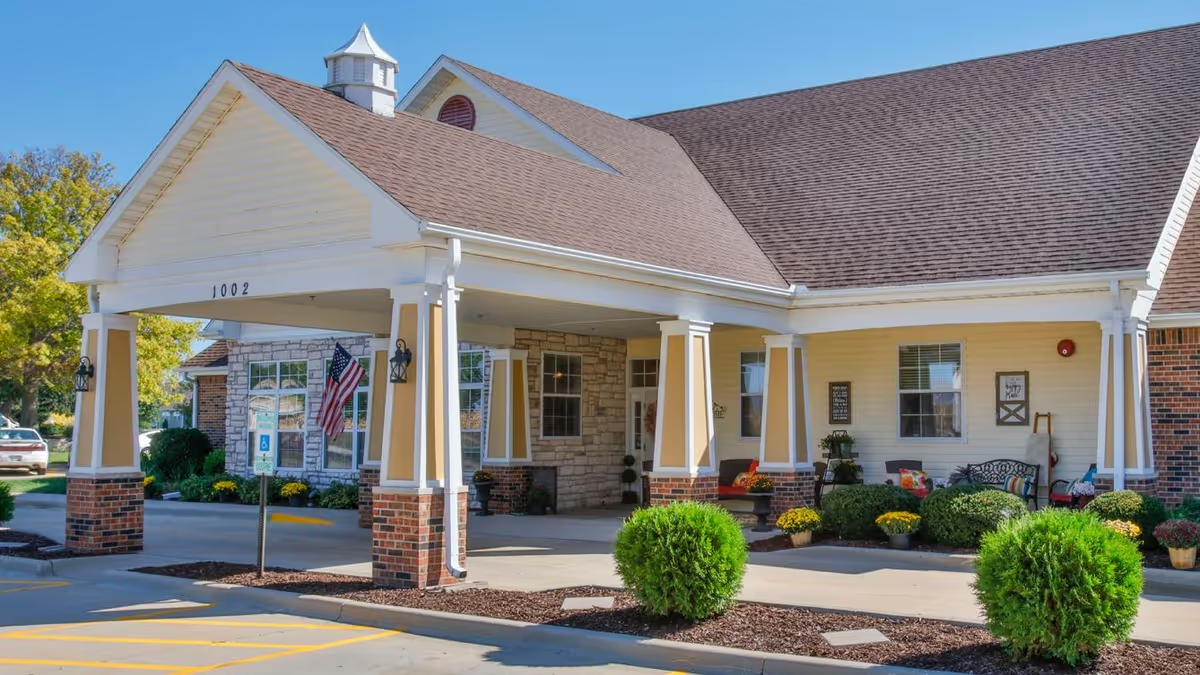
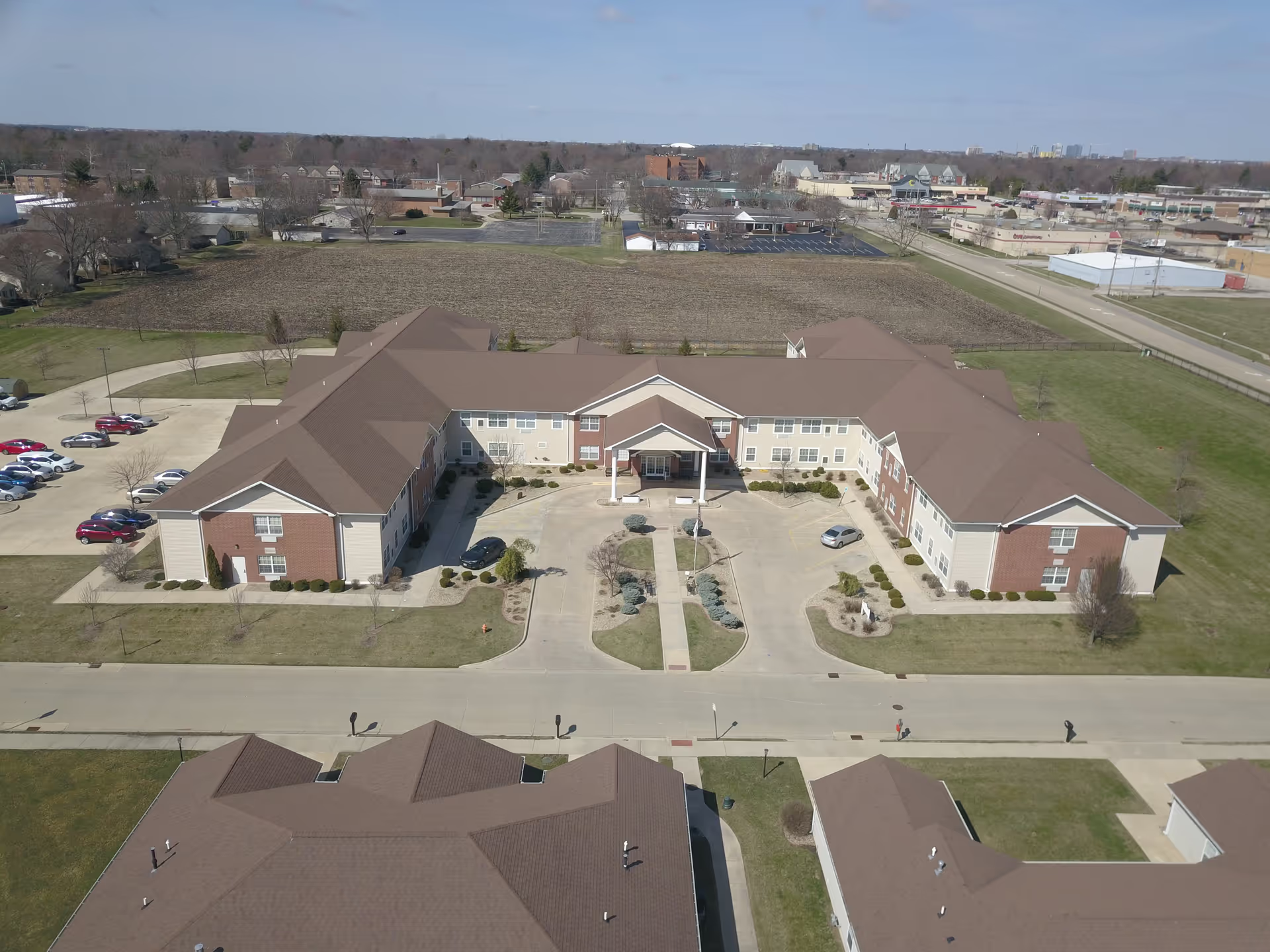
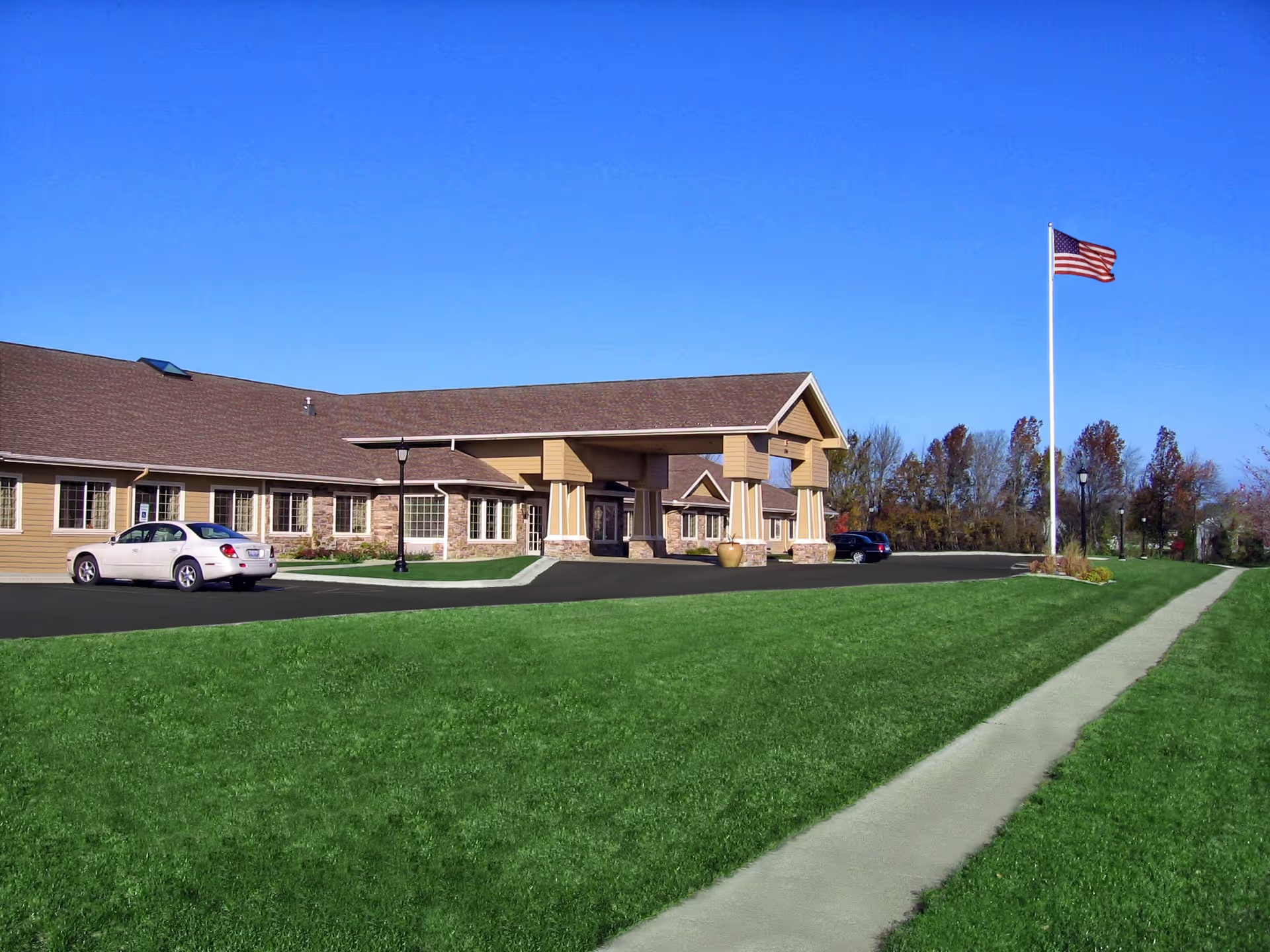
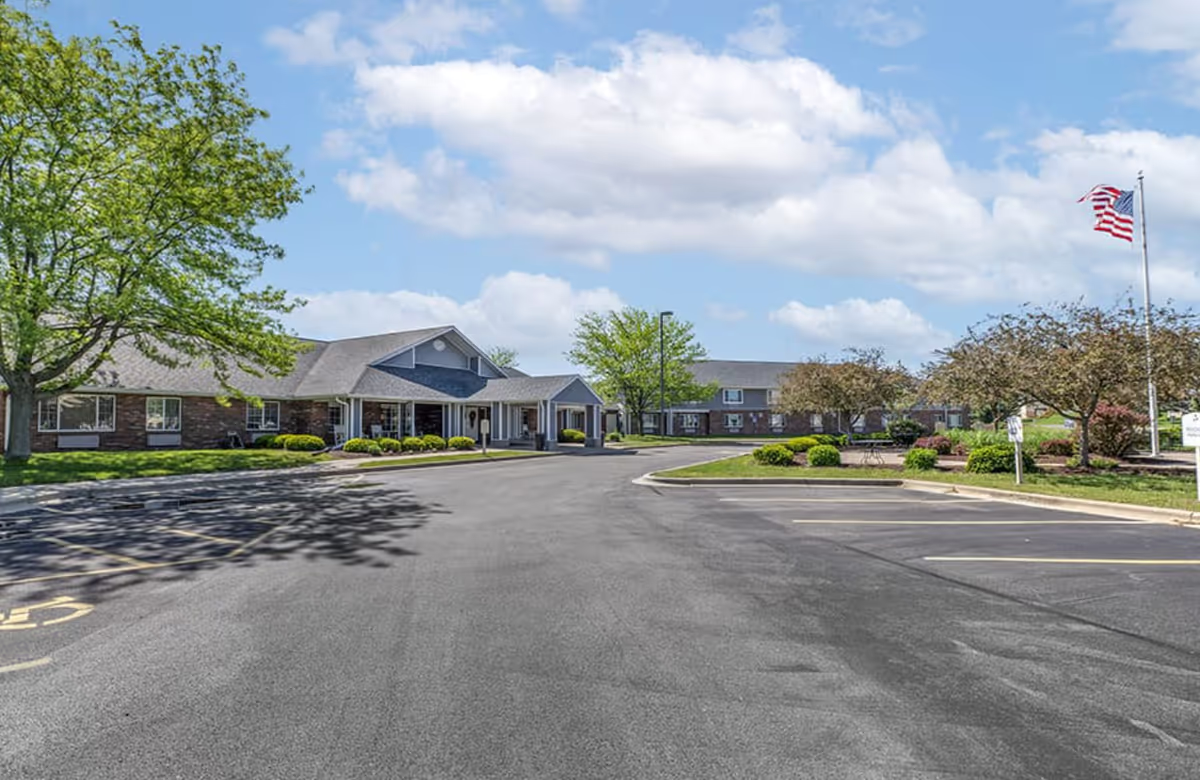
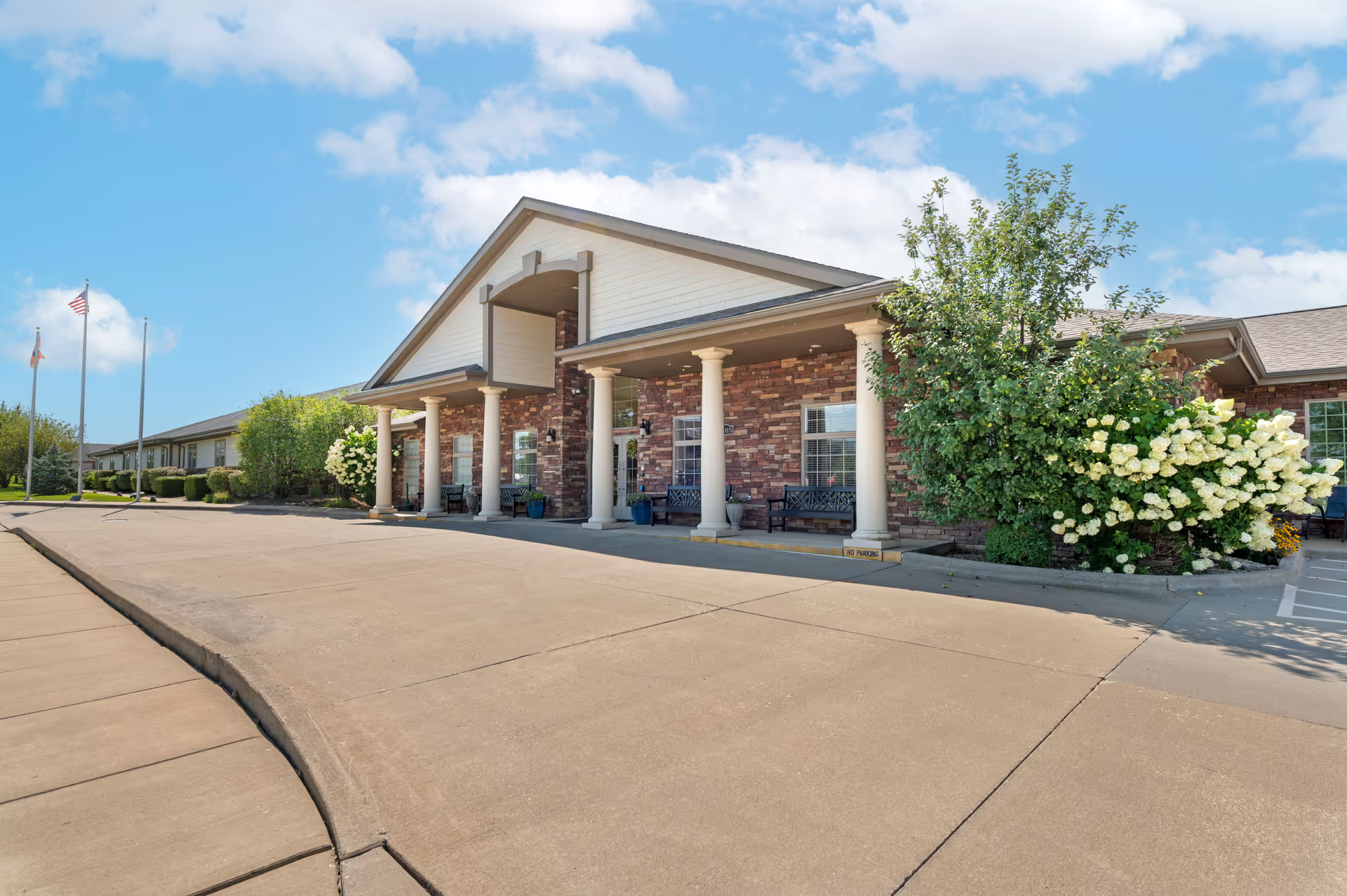
Facilities: Physical-condition feedback is mixed. Portions of the building have been remodeled and an activity room appears well maintained, but other rooms and bathrooms are described as older, small, and constrained for movement. Shared bathrooms and small room footprints raised privacy and accessibility concerns. These factors suggest uneven renovation investment and potential limitations for residents who require more space or private bathing facilities.
Management and communication: Several remarks point to communication and information-alignment issues: printed materials or pamphlets that appear inconsistent with on-site conditions, incomplete explanation of building access procedures (for example, exit-code communication), and limited family communication after clinical events. Combined with alarm-response concerns, these items indicate areas where management could strengthen transparency, emergency protocols, and family outreach.
Notable patterns and recommendations: The dominant patterns are variability — both in physical-condition standards and in staff performance — and gaps in communication and emergency responsiveness. Positive elements include renovated communal spaces and numerous accounts of compassionate staff members. For prospective residents and families, recommended steps are: tour both renovated and unrenovated units, review private-bathroom availability and accessibility features, observe an activity session, verify staffing ratios and alarm-response policies, and request written documentation that matches marketing materials (admissions pamphlets, care-level descriptions, and emergency procedures). These actions will help determine whether the facility's strengths align with an individual resident's clinical and lifestyle needs.