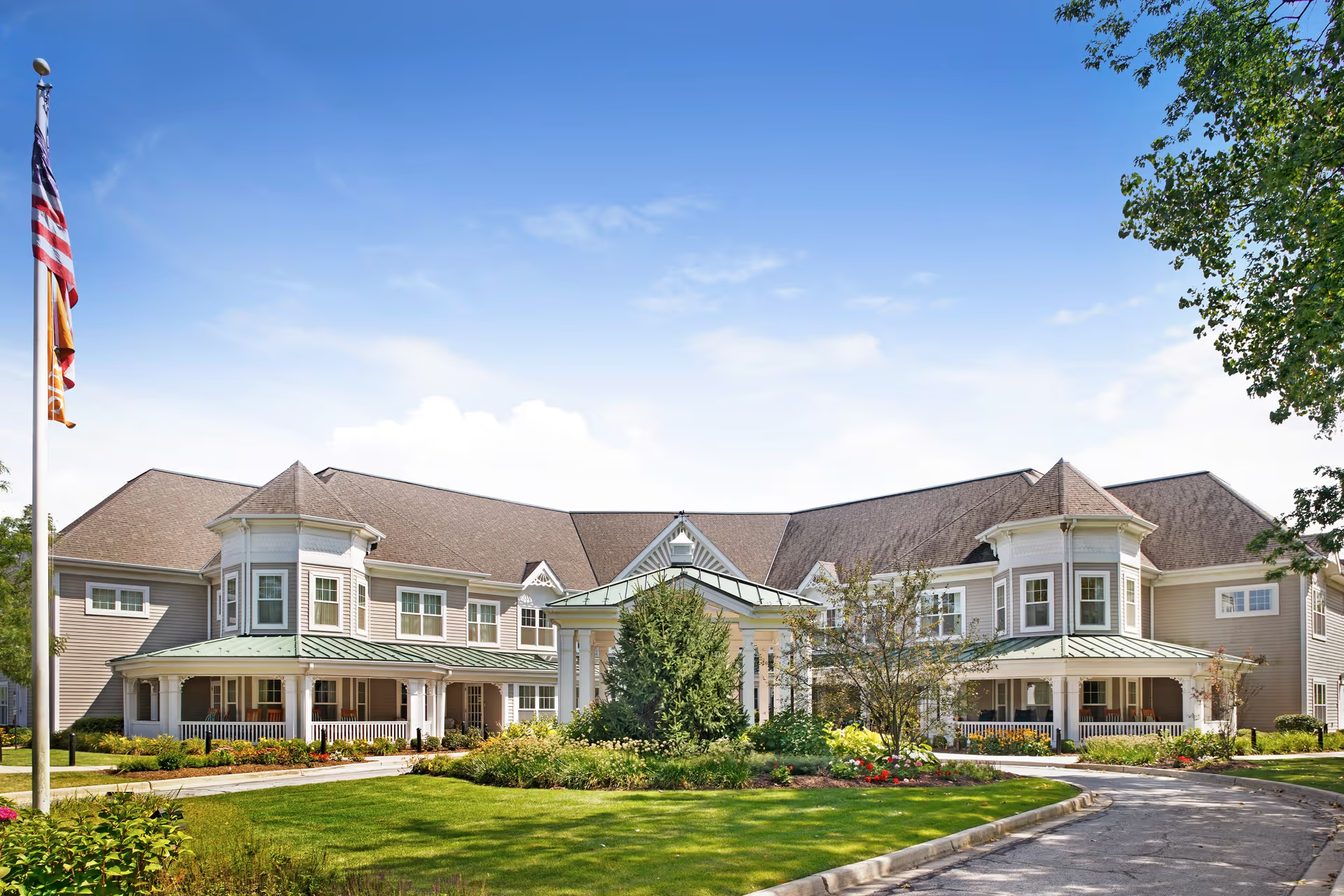
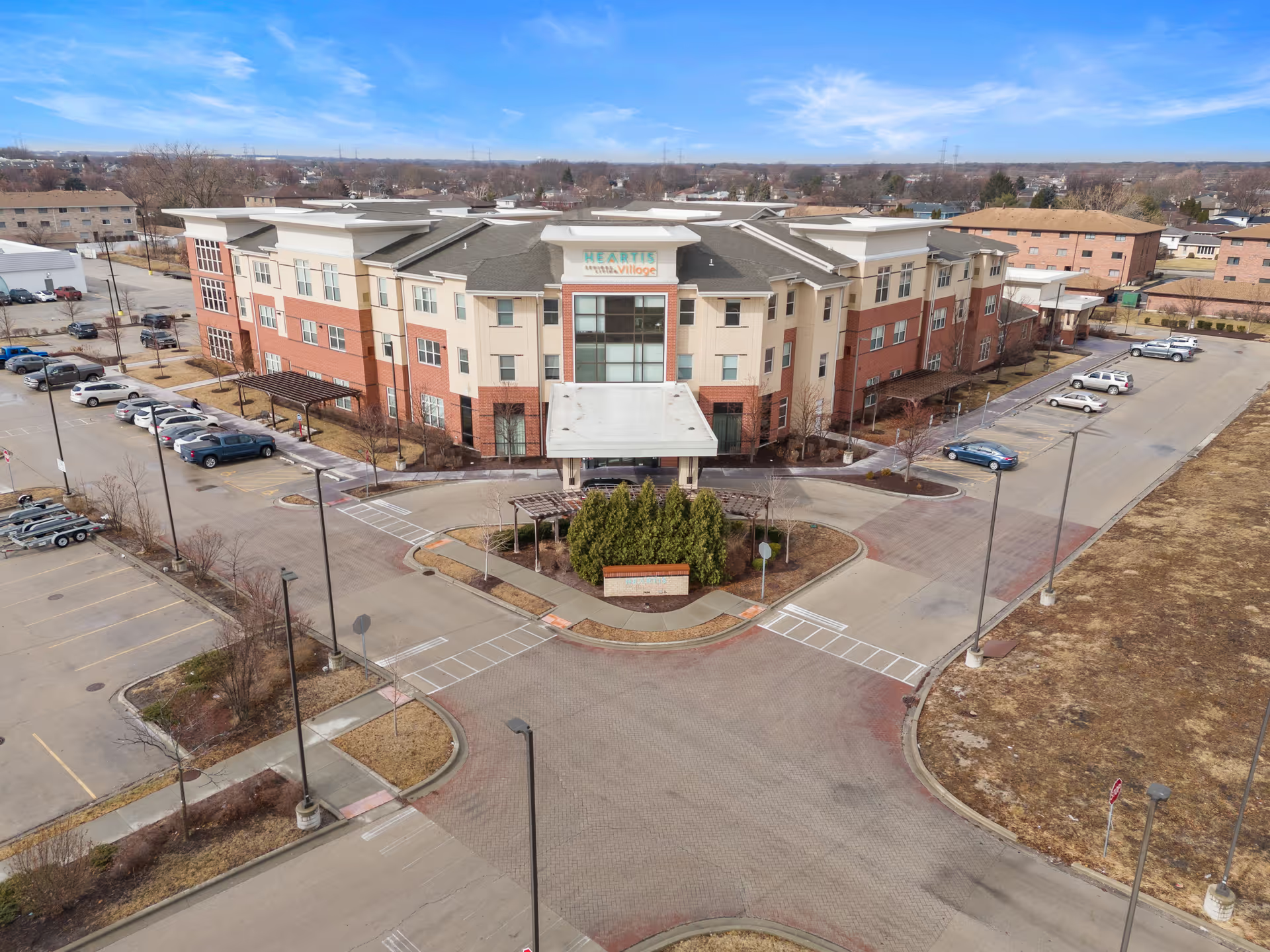
Reviews of Elevate Care Country Club Hills present a polarized picture where facility design and therapeutic capacity are frequently praised while operational consistency is questioned. The facility's physical environment and amenities receive strong positive comments: a modern, hotel‑style lobby, a visible therapy gym, on‑site salon and café, and pleasant common spaces. Many reviewers highlight robust rehabilitation services — physical, occupational and speech therapy — and multiple accounts describe meaningful functional improvements after therapy. Several individual staff members and therapy teams are singled out for compassion, clinical competence, and rapid response in acute situations, contributing to successful short‑term recoveries for some residents.
At the same time, a substantial portion of the feedback describes recurring operational weaknesses that affect daily care. Staffing levels and staff continuity are a central theme: reliance on agency personnel, unpredictable CNA coverage, and occasional weekend short‑staffing correlate with slow responses to call lights and missed personal‑care tasks. Reviewers describe inconsistent cleaning and sanitation between public areas and resident units, and infection‑control concerns surfaced in connection with outbreak events and subsequent regulatory attention. Several accounts point to gaps in clinical oversight: care plans that are not updated, uneven documentation, missed treatments, and instances where therapy frequency or duration did not match expectations.
Communication and management responsiveness are another clear pattern. Families describe difficulty reaching administrators or receiving timely callbacks, inconsistent discharge and billing practices, and concerns about handling of resident property and paperwork. There are also reports raising questions about medication and treatment administration practices and about safety processes such as fall monitoring and transfers; these items, together with mentions of state investigations, suggest episodic regulatory scrutiny. Dining comments vary from acceptable to poor, with some noting a decline in food quality and delivery issues. Activity offerings, when present, are viewed positively and contribute to resident engagement.
In sum, the facility combines strong rehabilitation resources, attractive physical amenities, and many dedicated frontline staff with uneven execution in staffing consistency, clinical oversight, sanitation in resident areas, and administrative communication. Prospective residents and families should weigh the facility's therapeutic and amenity strengths against the documented variability in day‑to‑day care. Direct questions about staffing ratios, care‑plan updating, infection‑control procedures, therapy schedules, billing practices, and recent state inspection results — and an in‑person tour of resident units and upper floors — would help clarify whether the operational environment matches their expectations.