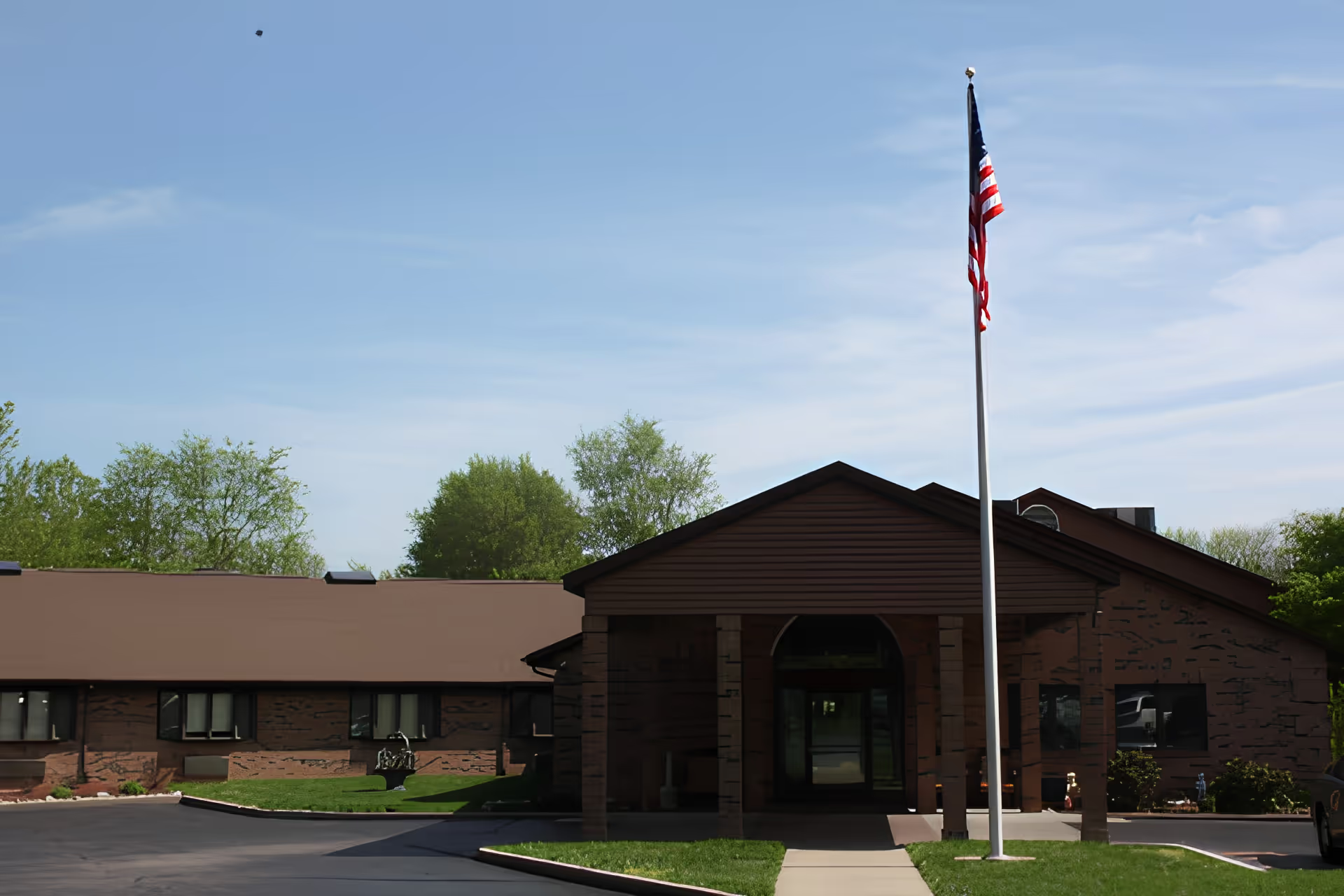
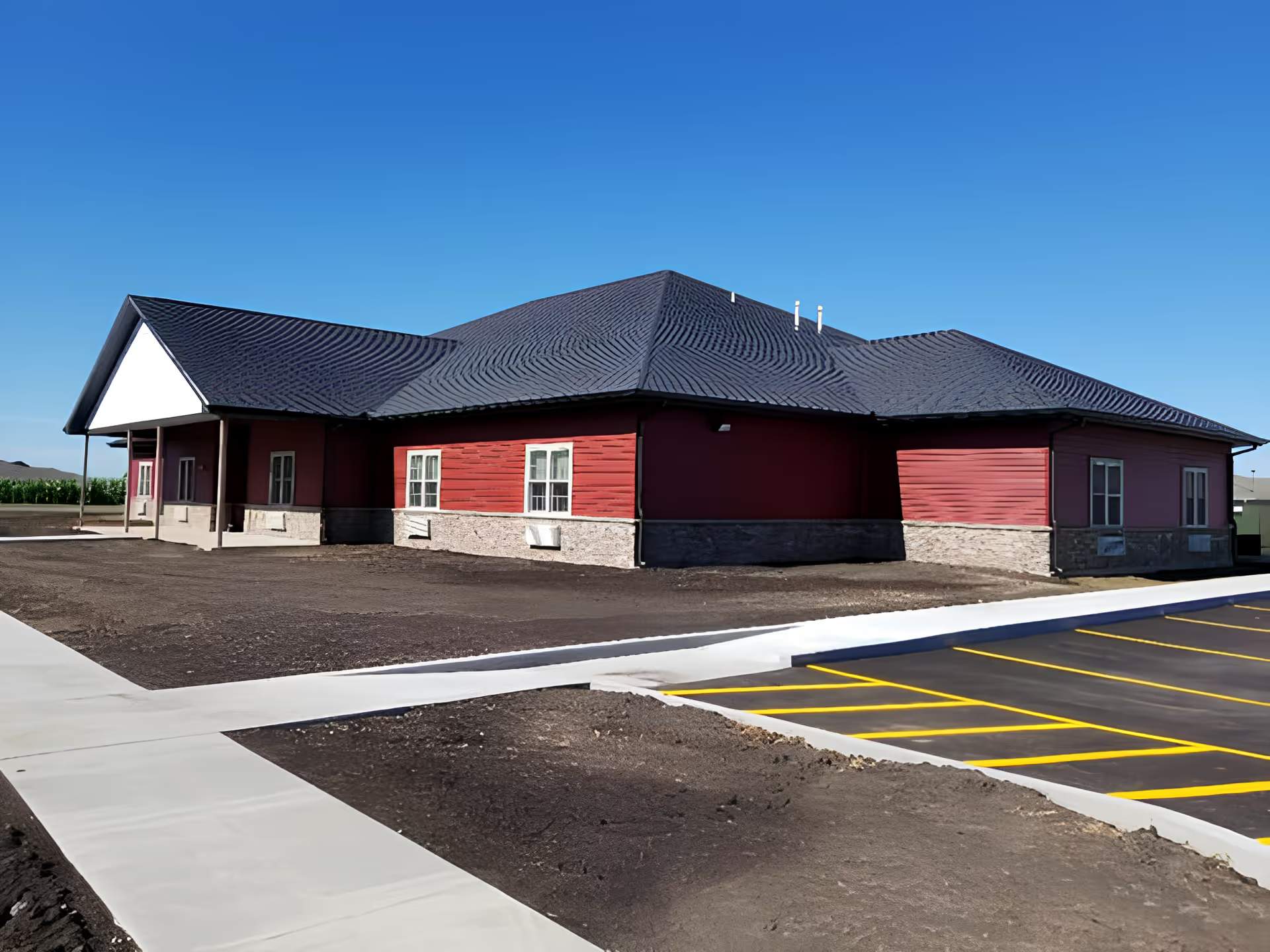
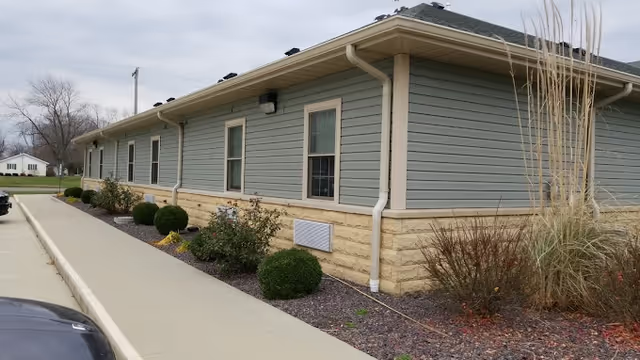
Reviews of Lincolnshire Place of Decatur describe a facility with clear strengths in day-to-day caregiving and rehabilitation alongside recurring operational concerns. Many families emphasize compassionate, hands-on care: attentive CNAs, effective physical and occupational therapy, and staff who prioritize dignity for residents with memory-care needs. The facility's private two-room apartments, pleasant courtyard and nature views, and generally clean common areas are commonly cited as positive environmental features. Multiple accounts highlight an engaged, home-like atmosphere with varied activities, secure building access, and an administrative openness to families in some cases.
Clinical care and therapy are frequently praised. Several families describe meaningful functional improvements following therapy and responsive bedside assistance that contributes to improved eating, weight stabilization, and regained mobility. Memory-care programming and staff interactions in dementia units are often characterized as loving and reassuring; reviewers noted staff who take time with families and focus on respectful engagement. At the same time, other reviewers describe variability in staff performance across shifts, which creates an uneven experience depending on timing and personnel.
Dining and activities receive mixed but generally favorable comments. The kitchen is noted for accommodating dietary and health-related needs, and many residents enjoy social dining and regular activities. However, concerns about inconsistent food quality and temperature control were raised, suggesting room-service logistics and meal delivery could be more reliable. Activity programming is seen as inclusive and varied, supporting socialization and resident engagement.
Facility-level operational and safety issues emerge as recurring themes. Reviewers indicated inconsistent staffing levels and workforce stability that can delay assistance and contribute to safety events; linked concerns include gaps in fall-prevention and transfer-safety practices. Several reviews raise sanitation and incontinence-care inconsistencies and note lapses in housekeeping or room supply management. There are also comments about weak personal-property controls. A number of families expressed frustration with uneven communication after clinical incidents, including concerns following hospitalizations and a resident death; these indicate opportunities to strengthen incident transparency and family notification protocols.
Management and culture are described in polarized terms. Some families praise accessible leadership, an open-door approach, and committed administrators who foster a passionate team. Conversely, others report operational management problems — payroll processing delays, inconsistent enforcement of campus policies, and limited grievance-resolution pathways — and some allege discriminatory conduct by leadership and concerns about retaliatory responses to complaints. Given these divergent accounts, prospective residents and families should seek direct conversations with leadership, review staffing patterns for relevant units and shifts, ask about incident-reporting and grievance procedures, and tour both memory-care and general units to observe staffing, meal service, and cleanliness during different times of day.