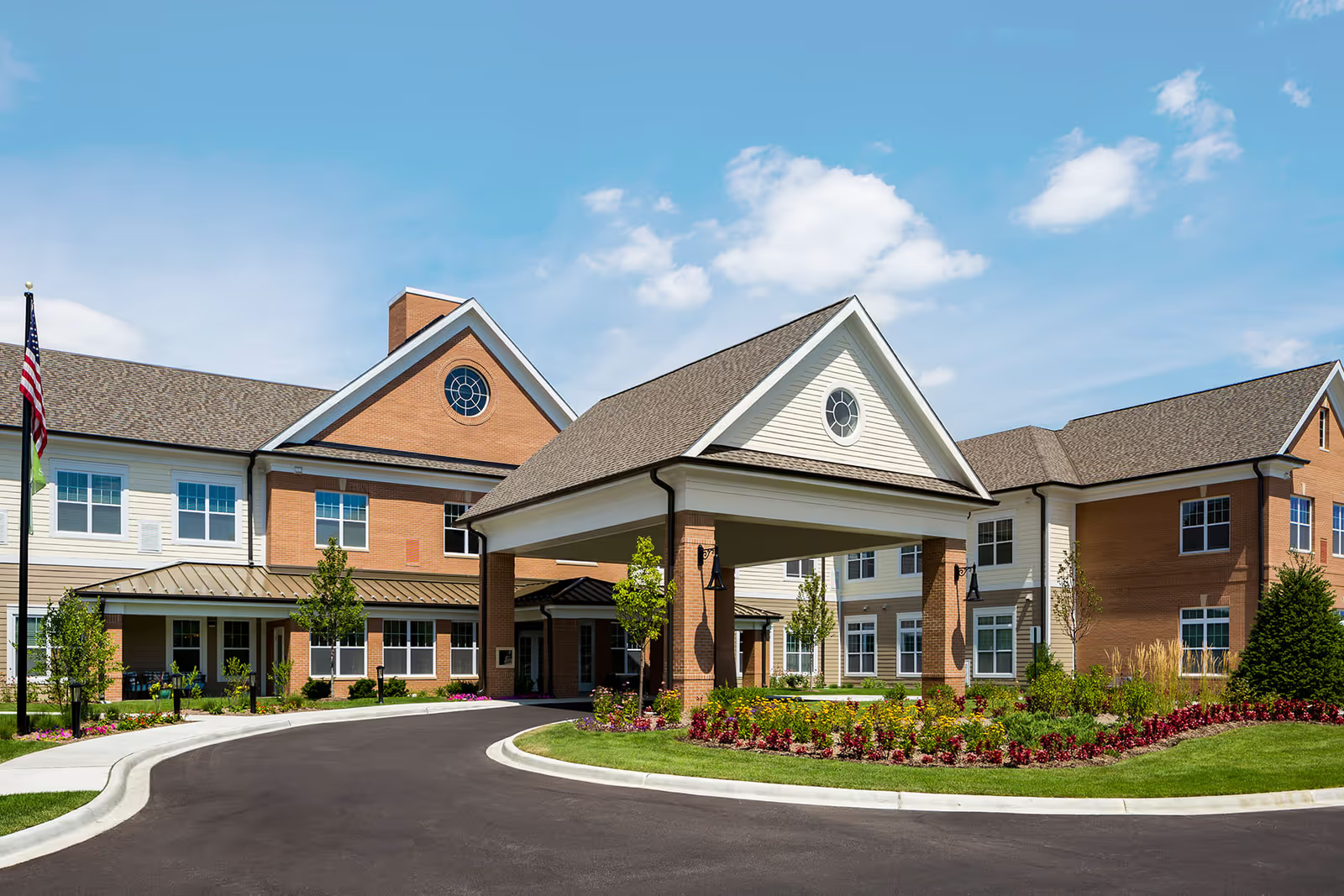
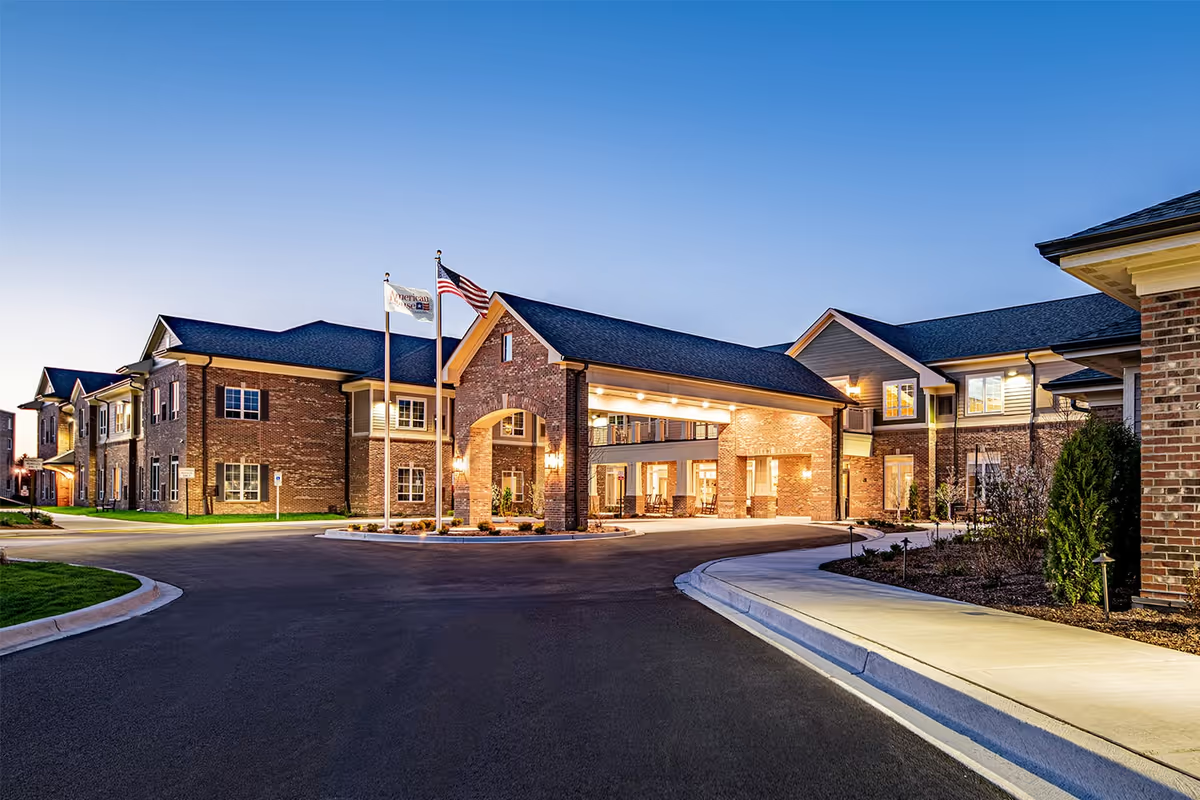
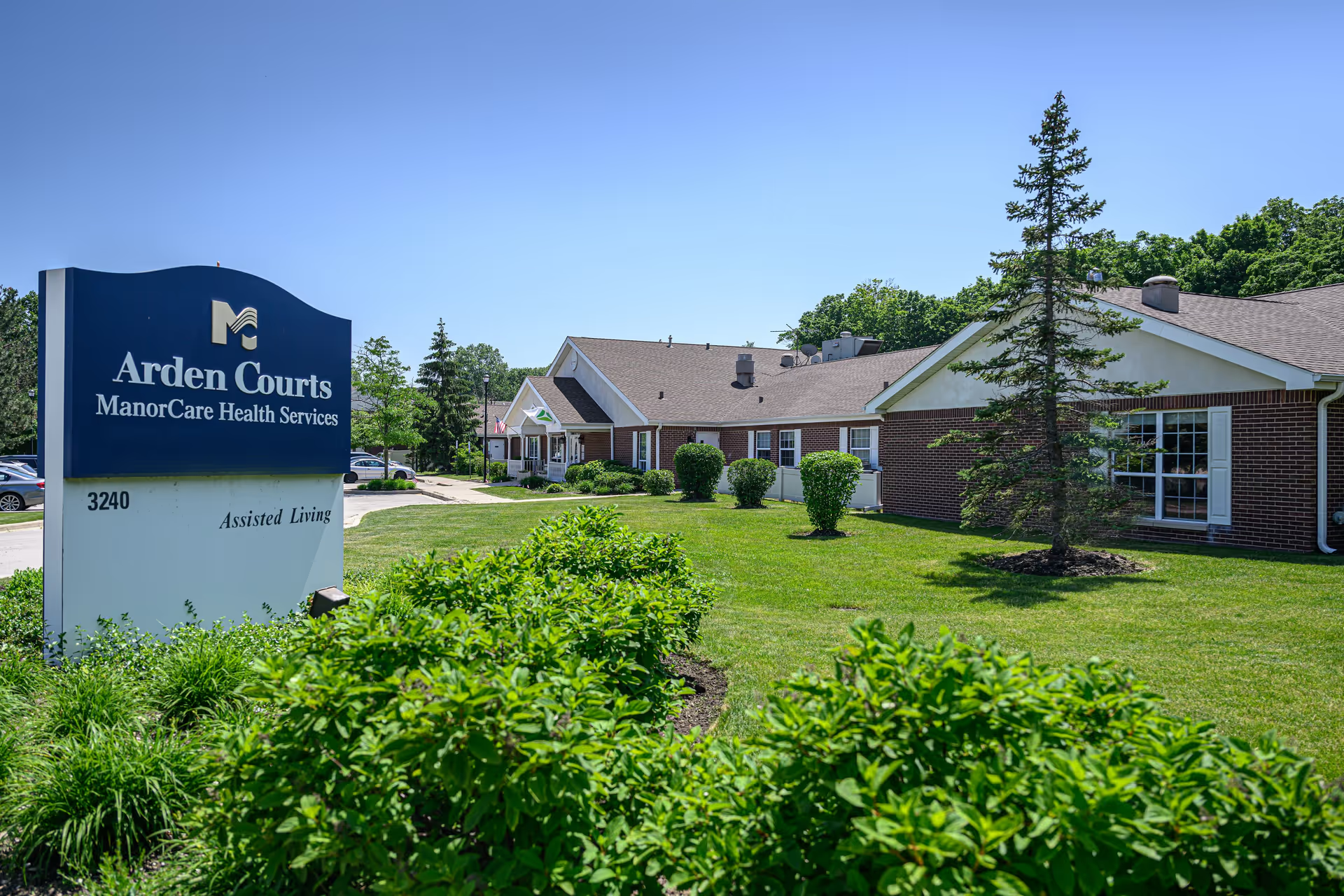
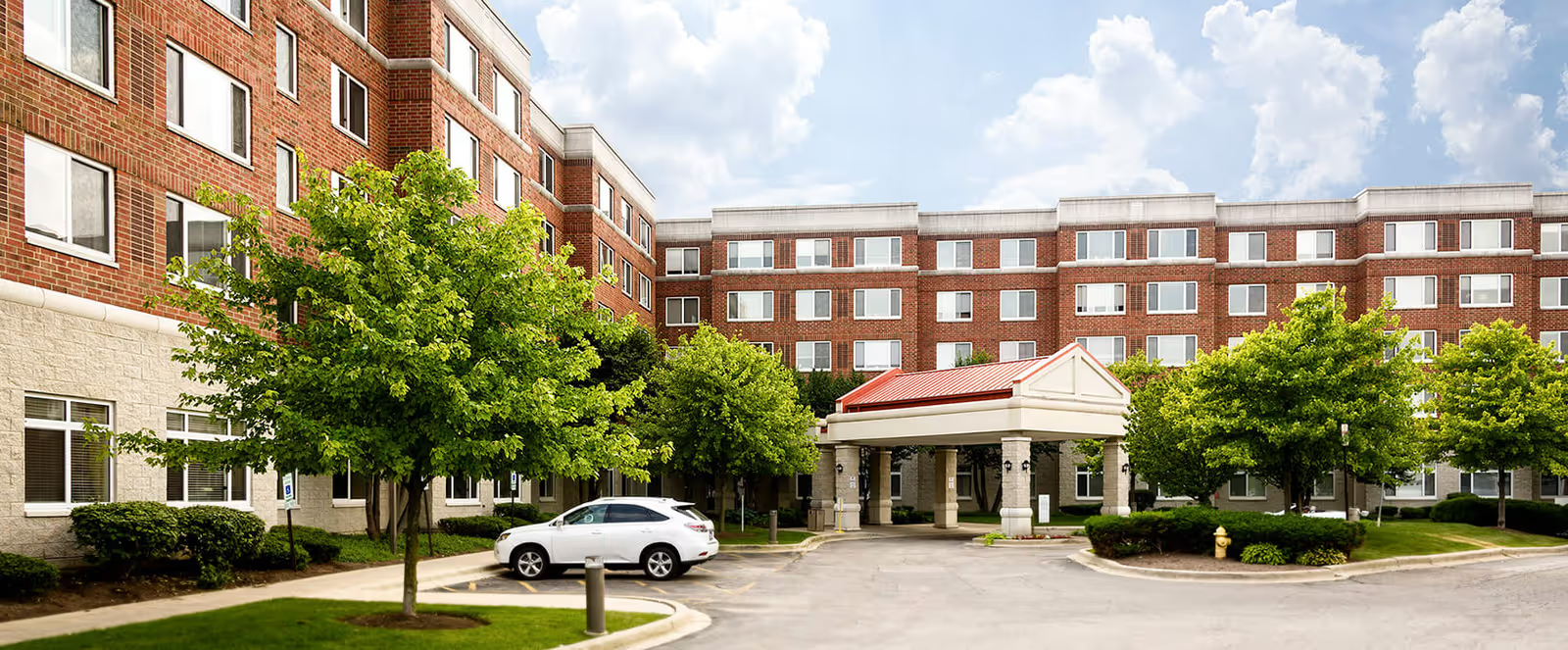
Alden Courts and Gardens of Des Plaines is described by families as a small, home-like assisted living community with many operational strengths and a few areas that merit careful pre-admission review. Positive themes include accessible management, strong family communication, and a stable clinical team — reviewers emphasize professional nursing practices, timely medication administration, and compassionate direct-care staff. Many families highlight continuity of care from long-tenured employees, a 24-hour assistance presence, available social services, and an activities director who runs varied programming.
Dining and communal life are generally praised. The facility is noted for restaurant-style meals, frequent cleaning, pleasant common areas, and on-site leisure amenities such as a coffee/ice-cream area and weekly beautician services. Residents and visitors report an engaging activities program, occasional family meals, and secure outdoor space (an enclosed patio) that contributes to a comfortable atmosphere. Several reviewers said the community has a welcoming, family-like feel and is well maintained.
Care capabilities are a mix: for many residents the facility meets assisted-living needs well, with families citing attentive care, good communication with physicians, and responsiveness to daily needs. However, reviewers indicate limits around higher-acuity and specialized clinical requirements. There is an allegation concerning readiness to manage specialized respiratory care; prospective residents who require tracheostomy/laryngectomy management, humidified oxygen, or other complex nursing supports should verify clinical competency, available equipment, and emergency procedures before moving in. Additionally, accounts vary on memory-care specialization — some describe dementia-specific, personalized attention, while others found activities and programming not sufficiently tailored for advanced memory impairment. This suggests uneven suitability for residents with progressive cognitive needs.
Operational and logistical patterns to note: the community is small, which many families see as a benefit for continuity and personalization, but it can mean limited apartment sizes and scarce availability. Perceptions of cost vary — some prospective residents find the private-pay options affordable, while others view the pricing as high relative to the level of services provided. A few reviews also describe changes in care quality over long stays, indicating potential variability in long-term consistency. Finally, some families perceived lower staff engagement or less resident-to-resident interaction in particular units; this may reflect differences in unit culture or staffing patterns.
Recommendations for prospective residents and families: tour the community during activity times to assess resident engagement, ask for specifics about memory-care programming and staff training in dementia care, and obtain written details on the facility’s capacity for specialized clinical needs (including equipment availability and transfer protocols to higher-acuity settings). Confirm pricing structure and what services are included. Overall, the community has many strengths in staff continuity, family communication, cleanliness, and dining, but it is important to verify clinical scope and memory-care fit against any specific medical or cognitive requirements.